
() ·
Obraz stworzony dla Ciebie, własnoręcznie
Ręcznie malowana reprodukcja olejowa
Ręcznie malowany obraz olejny na płótnie, wykonany na zamówienie przez naszych artystów w wybranym przez Ciebie wymiarze i oprawie. ( Przełącz na wydania drukowane Przejdź do wersji cyfrowej)
Biografia artysty
Jan Asselijn (1610-1652): Holenderski malarz zwierząt i krajobrazów z okresu Złotej Ery, inspirowany twórczością Rembrandtka i innych mistrzów. Znany z obrazu „Zagrożony łabędź” oraz dzieł Bentvueghels.
 Rozwiń treść
od ·
Rozdział 1
Jak duży powinien być ten format?
Przesuń suwak, aby zmienić rozmiar; obraz po lewej stronie przedstawia ramę w jej rzeczywistej szerokości. Zachowano proporcje oryginału.
Wybierz spośród naszych standardowych rozmiarów, które zachowują oryginalne proporcje dzieła sztuki.

Wpisz wymaganą szerokość i wysokość, aby obraz pasował do Twojej ramy lub ściany. Ponieważ jest to dzieło malowane ręcznie, w przypadku rozmiaru o innych proporcjach artysta może domalować nieco więcej wokół obrazu lub przyciąć jego fragmenty — wybór należy do Ciebie. Przed rozpoczęciem pracy prześlemy Ci cyfrową wizualizację do zatwierdzenia. Obraz widoczny na tej stronie nie przedstawia rzeczywistego efektu — jedynie wizualizacja oddaje realny rezultat.
Rozdział 2
W jaki sposób ma zostać dostarczone?
Wybierz krawędzie płótna naciągniętego na ramę
Wybierz ramę

Białe krawędzie zł1

rozmyte krawędzie zł1

Przedłużony zł1

P118B zł10

P118H zł10

P118W zł10

P438Z zł10

P508JH zł12

P508YH zł12

P805H zł10

P805Z zł10

P919BZ zł10

P919G zł10

P919XJ zł10

P959ZH zł10

P968JZ zł12

W106C zł8

W218G zł10

W218JH zł8

W218Y zł10

W307PJ zł10

W316G zł10

W316PJ zł8

W316Y zł10

W398PJ zł8

W4111J zł10

W500HY zł15

W500JH zł15

W692G zł12

W849H zł8

W940BG zł15

W953PJ zł8

H24-GOLD zł30

H24-SILVER zł30

H36-GOLD zł45

H36-SILVER zł45
W oprawie
Profil: . Wymiar całkowity w ramie: .
Rozdział 3
Kto go maluje i czy coś powinno ulec zmianie?
Po złożeniu zamówienia zespół OriginalUniqueArt.com skontaktuje się z klientem drogą mailową w celu uzyskania instrukcji i prześle podgląd projektu
Dostawa na całym świecie () w ciągu 3–4 tygodni zamiast standardowych 5 tygodni. (8 Listopad). Bez kompromisów w kwestii jakości.
Rozdział 4
Ostatnie szlify
Tabliczka informacyjna, jak w muzeum?
Szczegóły grawerowanej brązowej tabliczki
This elegant plaque features the artist's name and the title of the artwork, finely engraved for a timeless presentation.
It is made from bronze with a refined, elegant finish. The text is precisely laser-engraved for a sharp and permanent result. Measuring 9x2 cm, the plaque is compact yet easy to read. It's built to be durable and scratch-resistant, offering a professional, museum-quality look. Mounting is simple thanks to the included adhesive backing.
Szczegóły przezroczystej tabliczki akrylowej
The plaque includes essential engraved details such as the artist's name, the title of the artwork, the date it was created, the type of media used-like oil on canvas or watercolor-a brief description of the piece, and a QR code that links to the complete artwork information.
It is crafted from clear acrylic, offering a sleek, modern appearance. The text is UV-engraved in black to ensure strong visual contrast. With a size of 10x15 cm, it ensures optimal readability. It comes equipped with two metal hooks for secure wall mounting. The plaque is designed to be weather-resistant, making it suitable for various environments, and it includes interactive features that work seamlessly with smartphone scanning.
Szczegóły czarnej tabliczki akrylowej
This elegant plaque includes engraved information such as the artist's name, the title of the artwork, the date it was created, the type of media used (like oil on canvas or watercolor), a short description of the artwork, and a QR code for quick access to more information.
The plaque itself is made from refined black acrylic with a premium finish. The text is laser-engraved in white for high contrast and readability. Its size is 10x15 cm, designed to be easy to read. It comes with two metal hooks for professional mounting. The design is sleek and fits any interior style. It is also weather-resistant and durable, with built-in digital integration for mobile compatibility.
Werniks ochronny?
Kiedy potrzebujesz dostawy?
Rozdział 5
Twoje dzieło, dokładnie tak, jak zamówiłeś

Cavalry Engagement
Technika reprodukcji
Wymiary reprodukcji
-

Wybitny mistrz artystyczny
Większa szczegółowość, finezja i dodatkowy czas na realizację
-

Opcje oprawy reprodukcji
-
-
W przypadku dzieł sztuki lub reprodukcji, których którykolwiek z boków przekracza 105 cm (około 41 cali), rama zostanie wysłana w formie zestawu do samodzielnego montażu. Metoda ta zapewnia bezpieczną dostawę i zapobiega uszkodzeniom podczas transportu.
Wymagany profesjonalny montaż – nie jest to produkt typu DIY.
Zestaw musi zostać złożony, a płótno naciągnięte przez doświadczonego profesjonalnego ramiarza, przy użyciu kleju do drewna (brak w zestawie), kleszczy do naciągania płótna oraz ścisków, które utrzymają krosna w równej pozycji podczas schnięcia kleju. Nieprawidłowy montaż lub nierównomierne napięcie płótna może trwale uszkodzić dzieło sztuki i nie podlega naszej gwarancji.
 W przypadku dzieł sztuki lub reprodukcji, których którykolwiek z boków przekracza 105 cm (około 41 cali), rama zostanie wysłana w formie zestawu do samodzielnego montażu. Metoda ta zapewnia bezpieczną dostawę i zapobiega uszkodzeniom podczas transportu.
W zestawie znajdują się wszystkie listwy z litego drewna, precyzyjnie docięte do wymiarów.
Montaż odbywa się przy użyciu dołączonych wkrętów oraz kleju do drewna do łączenia narożników, którego zestaw nie zawiera i który musi zostać dostarczony przez ramiarza.
Wymagane są profesjonalne narzędzia, których nie ma w zestawie: kleszcze do naciągania płótna (napinacz) oraz zaciski, które pozwolą utrzymać listwy w równej pozycji podczas schnięcia kleju.
Ważne:
Do połączenia narożników niezbędny jest klej do drewna, listwy należy unieruchomić za pomocą ścisków do momentu całkowitego wyschnięcia kleju, a naciągnięcie płótna na złożoną ramę wymaga użycia kleszczy do naciągania płótna. Żaden z tych elementów nie jest dołączony do zestawu. Przed zamówieniem tego rozmiaru zalecamy konsultację z doświadczonym ramiarzem.

Etykieta obiektu
-
-

Lakier ochronny
Lakier z połyskiem (pogłębia kolory, chroni przed światłem i wilgocią)
-

Personalizacja dzieła
Przykłady możliwości personalizacji: zastąp twarz zdjęciem klienta; dodaj zwierzę domowe (np. zamień kota na psa); umieść ukrytą wiadomość w tle; zmień krajobraz lub elementy tła.
-

Ekspresowa
Dostawa na cały świat () w ciągu 3–4 tygodni zamiast standardowych 5 tygodni. (8 Listopad). Bez kompromisów w kwestii jakości.
-
Przesyłka ekspresowa
Dostawa na cały świat () w ciągu 5 tygodni. (15 Listopad).
W cenie
Cena całkowita
zł 1174
Opcja ze szkłem jest dostępna wyłącznie w rozmiarach poniżej 110 cm
W każdym zamówieniu
- Bezpłatna ekspresowa wysyłka na cały świat
- Wysokiej jakości płótno lniane
- Pełne ubezpieczenie przesyłki
- Gwarancja zwrotu należności celnych i podatków importowych
- Gwarancja wiernego odwzorowania kolorów
- 100-dniowa polityka zwrotów (tylko w przypadku wad)
- Gwarancja 100% zwrotu pieniędzy
- Zniżka przy zakupie wielu sztuk


 Podgląd w skali 1:1
 Wyślij jako kartkę
 Udostępnij
 Szczegóły dzieła
 Przewodnik

 Pobierz obraz
 Podobne obiekty
 RTG
RTG Pokaz slajdów
 Pytania i odpowiedzi
 Statystyki
W liczbach
- 1635rok powstania dzieła
- 29dostępne ramy do wyboru
- standardowe formaty, w ich własnych proporcjach
- 5tygodni na namalowanie i dostarczenie dzieła
O oryginale

- 66.0 x 88.0 cm


Jan Asselijn
1610 - 1652, Francja
Krótkie informacje o Jan Asselijn
- Artistic Movement Or Style: Italianate pejzażysty
- Artists Or Movements Influenced By This Artist: ['Rembrandt']
- Artists Who Influenced This Artist:
- Esaias van de Velde
- Claude Lorraine
- Pieter van Laer
- Date Of Birth: ok. 1610
- Date Of Death: 1652
- Full Name: Jan Asselijn
- Nationality: Holenderski
- Notable Artworks:
- Świętego Antoniego Dykę Przepięć nad Amsterdami
- Żołnierze przy sztandarze
- Atak kawalerii
- Place Of Birth: Dieppe, Francja
Biografia artysty
A Life Forged in Landscape: The World of Jan Asselijn
Born Jean Asselin around 1610 in Dieppe, France, Jan Asselijn’s life unfolded against the backdrop of religious upheaval and artistic transformation—a formative experience that would ultimately define his distinctive contribution to the Dutch Golden Age. His family, Huguenots fleeing persecution, relocated to Amsterdam in 1621, a vibrant epicenter of commerce and burgeoning artistic innovation during this period. This pivotal move immersed young Jean into an environment where landscape painting was undergoing a profound metamorphosis, surpassing traditional representations toward scenes imbued with heightened atmospheric intensity and emotional resonance. Initially apprenticed under Jan Martszen the Younger, Asselijn honed his skills in battle paintings before discovering his true vocation—the art of capturing the splendor and drama inherent in both natural vistas and animal life. The Dutch light – expansive skies brimming with color and luminosity – swiftly became a cornerstone of his artistic vision, an element that would permeate his oeuvre throughout his career.The Italianate Embrace & The Bentvueghels
Like many ambitious Northern European painters of the era, Asselijn recognized the importance of refinement in Italy, likely arriving sometime after 1635. This journey proved transformative, propelling him into the orbit of the *Bentvueghels*, a remarkable society comprised of Dutch and Flemish artists operating in Rome. These “Birds of a Feather,” as they affectionately termed themselves, defied convention with their unorthodox behavior—characterized by spirited nicknames and unwavering dedication to painting directly from observation—rejecting the constraints imposed by studio practice. Within this lively community, Asselijn earned the moniker "Krabbetje" (little crab) due to a congenital deformity affecting his left hand, yet he persevered creatively, absorbing influences from luminaries such as Pieter van Laer (Bamboccio), whose depictions of Roman peasant life and landscapes resonated deeply with Asselijn’s evolving aesthetic sensibilities. This period solidified his mastery of capturing light and color—a technique that would become synonymous with the Italianate style and distinguish his work from many contemporaries.Mastering Light & Symbolism: Key Works
Asselijn's artistic output reflected a profound engagement with both formal innovation and symbolic interpretation. His paintings are distinguished by remarkable clarity of execution and an unparalleled sensitivity to light—qualities that swiftly garnered him acclaim among fellow artists and critics alike. While he produced historical and battle scenes, it was his landscapes and animal paintings that truly cemented his reputation as one of the era’s foremost practitioners. The Threatened Swan, completed around 1645-1652, stands as Asselijn's most celebrated masterpiece—a work that transcends mere visual representation to embody a powerful allegory of Dutch national resilience against external pressures. More than simply depicting a bird defending its nest against a predator, this painting became a poignant emblem of Johan de Witt’s leadership during the siege of Dunkirk—a moment of crisis that galvanized patriotic fervor. The swan's defiant posture and unwavering determination mirrored the spirit of resistance prevalent throughout the Netherlands at the time, prompting scholarly debate regarding its symbolic significance. Further exemplifying his artistic prowess is Cavalry Charge at Sunset, showcasing his formative training in battle painting with dramatic flair—a testament to his ability to convey movement and emotion through meticulous detail. Asselijn’s explorations of rural life extended beyond mere topographical accuracy; he sought to infuse his canvases with a sense of atmosphere and narrative—characteristics that elevated his work above the commonplace and imbued it with enduring artistic merit. Notable among his landscapes are depictions of serene waterways, expansive meadows dotted with wildflowers, and dramatic mountain vistas—each rendered with meticulous observation and infused with subtle tonal harmonies.Influence & Legacy: A Lasting Impression
Jan Asselijn’s influence extended far beyond his own prolific output, shaping the artistic landscape of his time and inspiring subsequent generations of painters. He was particularly admired by Rembrandt van Rijn, who even created an etching portraying Asselijn at work—a gesture that subtly acknowledged the artist's physical disability while simultaneously recognizing his exceptional talent. Furthermore, Asselijn served as a mentor to Frederik de Moucheron, another prominent Dutch landscape painter whose style mirrored Asselijn’s own distinctive approach. His unwavering commitment to capturing the beauty and drama of nature established him as a pivotal figure within the Italianate tradition—a movement that championed idealized vistas and luminous color palettes. Today, Asselijn's paintings reside in prestigious collections worldwide—most notably the Rijksmuseum in Amsterdam—ensuring his legacy endures as a cornerstone of Dutch Golden Age art and cementing his place among the most accomplished artists of his era.Powiązane artykuły
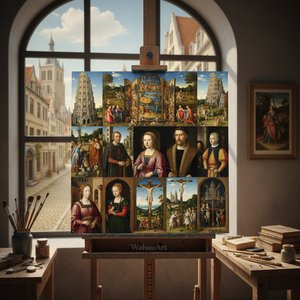
Arcydzieła Północnego Renesansu: 10 Obrazów, które Zmieniły Sztukę | OriginalUniqueArt.com
Poznaj 10 arcydzieł Północnego Renesansu! Odkryj historie van Eycka, Dürera i Holbeina. Reprodukcje obrazów najwyższej jakości dla Twojego wnętrza. Inspiracje i zakup dzieł sztuki na OriginalUniqueArt.com.

Holenderski Barok: 10 Arcydzieł, Które Zdefiniowały Epokę | OriginalUniqueArt
Poznaj 10 arcydzieł holenderskiego baroku! Odkryj historie Rembrandta, Vermeera i innych mistrzów XVII wieku. Reprodukcje obrazów najwyższej jakości – idealne do Twojego wnętrza. OriginalUniqueArt.com

The Aesthetics of Conflict: Exploring the Dramatic Artistry of Historical Naval Battle Paintings
Explore the technical mastery and drama of historical naval battle paintings. Discover the artistry behind maritime chaos now.

Steel and Splendor: Capturing the Drama of Medieval Warfare Through Fine Art
Explore the visceral history of medieval combat through iconic battle paintings and tapestries. Discover the art of war today.
