

 Podgląd w skali 1:1
 Wyślij jako kartkę
 Udostępnij
 Szczegóły dzieła
 Przewodnik

 Pobierz obraz
 Podobne obiekty
 RTG
RTG Pokaz slajdów
 Statystyki
Cat and Lobster
 Indian Modernism
 1900
1900- Modern
 397.0 x 275.0 cm
 National Gallery of Modern Art
 Rozwiń treść
Dzieło sztuki prezentowane na tej stronie podlega ochronie prawem autorskim, co oznacza, że nie mamy prawa do tworzenia ani sprzedaży jego identycznej reprodukcji. Ochrona ta jest egzekwowana na mocy umów międzynarodowych, takich jak Konwencja berneńska oraz przez przepisy prawa krajowego, w tym te określone w Prawo autorskie USA – Tytuł 17.
Metoda ta jest w pełni zgodna z przepisami prawa autorskiego, ponieważ nie polega na kopiowaniu ani powielaniu chronionego dzieła. Stanowi ona kreatywną reinterpretację – nowy obraz, który czerpie inspirację z oryginału, ale nie jest z nim tożsamy.
Giclée / Wydruk artystyczny
Wydruki giclée lub płótna o jakości muzealnej, szybka realizacja i szeroki wybór opcji wykończenia. ( Zamów ręcznie malowaną reprodukcję Przejdź do wersji cyfrowej)




P118B zł10

P118H zł10

P118W zł10

P438Z zł10

P508JH zł12

P508YH zł12

P805H zł10

P805Z zł10

P919BZ zł10

P919G zł10

P919XJ zł10

P959ZH zł10

P968JZ zł12

W106C zł8

W218G zł10

W218JH zł8

W218Y zł10

W307PJ zł10

W316G zł10

W316PJ zł8

W316Y zł10

W398PJ zł8

W4111J zł10

W500HY zł15

W500JH zł15

W692G zł12

W849H zł8

W940BG zł15

W953PJ zł8




Wybierz spośród naszych standardowych rozmiarów, które zachowują oryginalne proporcje dzieła sztuki.

Wpisz wymaganą szerokość i wysokość, aby dopasować grafikę do ramy lub ściany. Wydruk można jedynie przyciąć, nigdy nie powiększając go poza oryginalny obraz, dlatego format o innych proporcjach spowoduje utratę części kompozycji. Przed rozpoczęciem druku prześlemy Ci cyfrowy podgląd do zatwierdzenia. Obraz wyświetlany na tej stronie nie pokazuje rzeczywistego przycięcia — jedynie podgląd oddaje ten efekt.
Dostawa na cały świat () w ciągu 2 tygodni zamiast standardowych 4/5 tygodni. (26 Październik)

Bezpłatna ekspresowa wysyłka na cały świat

Wysokiej jakości płótno lniane

Pełne ubezpieczenie przesyłki

Gwarancja zwrotu należności celnych i podatków importowych

Gwarancja wiernego odwzorowania kolorów

100-dniowa polityka zwrotów (tylko w przypadku wad)

Gwarancja 100% zwrotu pieniędzy

Zniżka przy zakupie wielu sztuk
 Opcja ze szkłem jest dostępna wyłącznie w rozmiarach poniżej 110 cm

Cat and Lobster
Giclée / Wydruk artystyczny
Wymiary reprodukcji
-


Cena całkowita
zł 307
A Vision of Folk Modernism
In the captivating realm of Indian modernism, few works resonate with as much playful charm and cultural defiance as Jamini Nath Roy’s Cat and Lobster. This masterpiece serves as a profound testament to an artist who dared to turn his back on the polished traditions of European Academic Realism to embrace the raw, rhythmic soul of Bengal. The painting presents a striking, stylized feline, rendered with bold, and sweeping lines that eschew naturalistic detail in favor of a universal essence. As the cat holds its prize—a vibrant lobster—within its jaws, the viewer is transported into a world where simplicity is not merely a technique, but a powerful statement of identity. The composition, characterized by its flat planes and energetic contours, captures a moment of pure, unadulterated glee, making it an irresistible centerpiece for any collection that values character and narrative depth.
The stylistic lineage of this work is deeply rooted in the Kalighat patua tradition, a folk art form that inspired Roy to strip away the unnecessary and focus on the fundamental geometry of life. By drawing inspiration from the terracotta reliefs of ancient Bengal temples and the rhythmic patterns of village scrolls, Roy achieved a visual language that feels both ancient and strikingly contemporary. The technique, executed in tempera on canvas, allows for a saturated, matte finish that emphasizes the bold color palette. The stark contrast between the white form of the cat and its deep blue background creates a luminous effect, ensuring that the subject commands attention from across a room. For the discerning interior designer, this piece offers a sophisticated way to introduce a sense of movement and cultural heritage into a modern space.
The Spirit of Rebellion and Identity
Beyond its aesthetic brilliance, Cat and Lobster carries a weight of historical significance that elevates it from a charming animal study to a symbol of decolonization. Created during an era when Indian artists were navigating the complexities of colonial influence, Roy’s evolution represents one of the most profound transformations in twentieth-century art. Initially trained in the sophisticated traditions of the Bengal School under Abanindranath Tagore, Roy eventually underwent a radical aesthetic rebellion. He turned his gaze away from Western conventions, finding a deeper truth in the local craftsmanship of his homeland. This departure was not merely a stylistic choice but a spiritual homecoming, as he sought to reclaim the artistic identity of his nation through the celebration of the common man and the village life that forms the heartbeat of Indian culture.
To gaze upon this masterpiece is to witness a masterful command over simplicity and rhythm. The cat is devoid of all traces of naturalism; instead, it is painted in a bold, charming way, portraying an energetic creature that holds its lobster with great glee. This deliberate rejection of three-dimensional shading in favor of flat, impactful shapes allows the emotional resonance of the piece to shine through. For collectors and enthusiasts, owning a reproduction of such a work means bringing into one's home a fragment of a larger movement—a movement that sought to find beauty in the essential and strength in the ancestral.
Pytania i odpowiedzi
Co przedstawia „Cat and Lobster” – Jamini Nath Roy?
Tematyka obecna w „Cat and Lobster” – Jamini Nath Roy obejmuje cat, lobster, folk art, animals, indian modernism, kalighat style. Razem stanowią one podsumowanie tematyki dzieła.
Czy dzieło "Cat and Lobster" znajduje się w domenie publicznej?
„Cat and Lobster” – Jamini Nath Roy znajduje się w domenie publicznej (nadal objęte ochroną prawa autorskiego). Status ten określa zasady reprodukcji obrazu tego dzieła.
Czy dzieło „Cat and Lobster” autorstwa Jamini Nath Roy znajduje się w domenie publicznej i dlaczego?
Dzieło "Cat and Lobster" autorstwa Jamini Nath Roy znajduje się w nadal objęte ochroną prawa autorskiego. Okres ochrony praw autorskich liczony jest od daty śmierci artysty, a Jamini Nath Roy zmarł(a) w 1972.
Biografia artysty
Jamini Roy był znamienitym indyjskim malarzem, urodzonym 11 kwietnia 1887 roku w Beliatore, w Bengalu Zachodnim. Uznaje się go za jedną z najważniejszych postaci w historii nowoczesnej sztuki Indii, a jego styl artystyczny wyróżniał się niezwykłą prostotą, elegancją oraz głęboką więzią z indyjską sztuką ludową.
Wczesne lata i edukacja
Roy przyszedł na świat w umiarkowanie zamożnej rodzinie posiadaczy ziemskich. Dorastał w typowym, średniozamożnym domu pełnym miłości do sztuki, co w znacznym stopniu wpłynęło na jego przyszłe wybory życiowe i artystyczne. W wieku 16 lat przeniósł się do Kalkuty, aby studiować w Government College of Art, gdzie jego mistrzem był Abanindranath Tagore, wybitny indyjski artysta i pedagog.Styl artystyczny i inspiracje
Twórczość Roya była silnie zakorzeniona w estetyce malarstwa Kalighat, będącego unikalną formą indyjskiej sztuki ludowej. Choć początkowo czerpał inspirację z europejskiego modernizmu, ostatecznie odrzucił zachodnie tradycje, aby w pełni skupić się na własnym dziedzictwu kulturowym. Jego płótna charakteryzują się prostotą, dwuwymiarowością oraz zastosowaniem odważnych, nasyconych barw. Do jego najbardziej znaczących dzieł należą:- Portret młodej dziewczyny, który w mistrzowski sposób ukazuje jego zdolność do chwytania samej esencji sztuki ludowej.
- Buste de Francoise, obraz demonstrujący jego niezwykły kunszt w malarstwie portretowym.
- Malarz i jego modelka, dzieło podkreślające jego zainteresowanie badaniem relacji między artystą a tematem.
Nagrody i uznanie
Za swoją wybitną działalność Roy został uhonorowany w 1954 roku odznaczeniem Padma Bhushan, jednym z najwyższych indyjskich wyróżnień cywilnych. Był również członkiem prestiżowej instytucji artystycznej w Indiach – Lalit Kala Akademi.Dziedzictwo i wpływ
Wkład Jamini Roya w rozwój nowoczesnej sztuki indyjskiej jest niezmierzony. Jego niezłomne zaangażowanie w zachowanie tradycji ludowych stało się inspiracją dla kolejnych pokoleń twórców. Dziś jego obrazy można podziwiać w muzeach i prywatnych kolekcjach na całym świecie, w tym w Narodowym Muzeum Korei oraz w zbiorach Government College of Art. Aby dowiedzieć się więcej o życiu i twórczości Jamini Roya, odwiedź OriginalUniqueArt.com lub Wikipedia. Jego malarstwo nieustannie zachwyca miłośników sztuki i badaczy, oferując unikalny wgląd w fascynujący świat indyjskiego modernizmu.
Jamini Nath Roy
1887 - 1972 , Indie
Krótka nota
- Artistic Movement Or Style: Bengalska sztuka ludowa
- Artists Or Movements Influenced By This Artist: ['Malarstwo Kalighat']
- Artists Who Influenced This Artist: ['Abanindranath Tagore']
- Date Of Birth: 11 kwietnia 1887
- Date Of Death: 1972
- Full Name: Jamini Roy
- Nationality: Indyjska
- Notable Artworks:
- Portret młodej dziewczyny
- Buste de Françoise
- Malarz i jego model
- Place Of Birth: Belaitore, Indie
Powiązane artykuły

Białe arcydzieła: Top 10 słynnych obrazów pełnych światła i emocji | OriginalUniqueArt.pl
Odkryj 10 najsłynniejszych obrazów, w których biel dominuje i tworzy wyjątkową atmosferę. Poznaj historie Moneta, Van Gogha i innych mistrzów! Reprodukcje najwyższej jakości na OriginalUniqueArt.com – inspiracje wnętrzarskie i kolekcjonerstwo sztuki online.
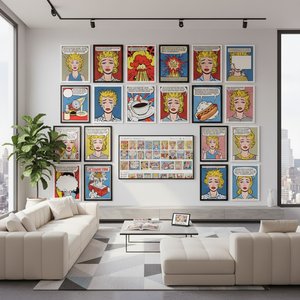
Roy Lichtenstein: 25 Arcydzieł Pop Artu dla Kolekcjonerów i Miłośników Sztuki
Odkryj 25 arcydzieł Roy Lichtensteina – ikony pop artu, które zrewolucjonizowały sztukę XX wieku. Poznaj historie, techniki i inspiracje za słynnymi obrazami. Reprodukcje najwyższej jakości na OriginalUniqueArt.com! Eksploruj pełną kolekcję online.

Top 10 Sławnych Obrazów w Odcieniach Szaroniebieskiego – Inspiracje dla Wnętrz | OriginalUniqueArt.com
Odkryj 10 najsłynniejszych obrazów w odcieniach szaroniebieskiego! Poznaj historie Claude Moneta, Degasa i Van Gogha. Inspiracje wnętrzarskie i reprodukcje najwyższej jakości na OriginalUniqueArt.com – sztuka dla Twojego domu.

Błękit w Sztuce: Symbolika, Historia i Psychologiczne Oddziaływanie Koloru
Odkryj fascynującą historię błękitu w sztuce! Poznaj symbolikę, psychologię i wpływ tego koloru na arcydzieła renesansu i współczesne trendy. Ekspercka analiza dla miłośników sztuki.

Odważne Wizje: 10 Arcydzieł Pełnych Mocy i Ekspresji | OriginalUniqueArt
Odkryj 10 odważnych arcydzieł sztuki, które definiują moc i ekspresję! Poznaj historie Van Gogha, Picassa i Muncha. Reprodukcje obrazów najwyższej jakości na OriginalUniqueArt.com – inspiracje do wnętrz i galeria online.