

 Zobacz w skali 1:1
 Wyślij
 Udostępnij
 Szczegóły
 Przewodnik

 Pobierz plik obrazu
 Podobne obiekty
 RTG
RTG Pokaz slajdów
 Statystyki
Gordale Scar
 Oil On Canvas
- WallArt
- Romantic Landscape
 1811
1811 332.0 x 421.0 cm
 Tate Britain
 Czytaj więcej
Giclée / Wydruk artystyczny
Wydruki giclée lub płótna o jakości muzealnej, szybka realizacja i szeroki wybór opcji wykończenia. ( Kup ręcznie malowany obraz Przełącz na wersję cyfrową)




P118B zł10

P118H zł10

P118W zł10

P438Z zł10

P508JH zł12

P508YH zł12

P805H zł10

P805Z zł10

P919BZ zł10

P919G zł10

P919XJ zł10

P959ZH zł10

P968JZ zł12

W106C zł8

W218G zł10

W218JH zł8

W218Y zł10

W307PJ zł10

W316G zł10

W316PJ zł8

W316Y zł10

W398PJ zł8

W4111J zł10

W500HY zł15

W500JH zł15

W692G zł12

W849H zł8

W940BG zł15

W953PJ zł8




Wybierz spośród naszych standardowych rozmiarów, które zachowują oryginalne proporcje dzieła sztuki.

Możesz wprowadzić własne wymiary, aby dopasować dzieło do konkretnej ramy lub przestrzeni. Jeśli wybrany rozmiar nie będzie odpowiadał proporcjom oryginalnego obrazu, przytniecie dzieło lub rozszerzymy obraz za pomocą odbicia lustrzanego lub jednolitego wypełnienia krawędzi. Przed rozpoczęciem produkcji prześlemy cyfrową wizualizację do Twojej akceptacji.
Prosimy pamiętać, że podgląd na ekranie nie odzwierciedla faktycznego przycinania ani rozszerzania. Tylko wizualizacja dokładnie pokaże końcową kompozycję.
Mimo dostępności niestandardowych rozmiarów, zalecamy wybór wymiaru z listy zdefiniowanej, aby zachować oryginalne proporcje.
Dostawa na cały świat () w ciągu 2 tygodni zamiast standardowych 4/5 tygodni. (10 Październik)

Bezpłatna ekspresowa wysyłka na cały świat

Wysokiej jakości płótno lniane

Pełne ubezpieczenie transportowe

Gwarancja zwrotu należności celnych i podatków importowych

Gwarancja idealnego odwzorowania barw

100-dniowy okres na zwrot dzieła w przypadku wykrycia wad produkcyjnych

Gwarancja 100% zwrotu pieniędzy

Oferta przy zakupie wielu sztuk
 Opcja ze szkłem jest dostępna wyłącznie w rozmiarach poniżej 110 cm

Gordale Scar
Giclée / Wydruk artystyczny
Rozmiar reprodukcji
-


Suma do zapłaty
zł 298
A Dramatic Vision of the Yorkshire Landscape
James Ward’s “Gordale Scar” isn't merely a depiction of a Yorkshire ravine; it’s an immersive experience, a carefully constructed drama rendered in oil on canvas. Completed in 1814, this monumental work captures a pivotal moment within the Romantic movement – a time when artists sought to elevate nature beyond mere representation, imbuing it with profound emotional and spiritual significance. The painting immediately commands attention with its sheer scale; measuring over three by four feet, it invites the viewer into the heart of Gordale Scar, drawing them into a world of towering cliffs, cascading waterfalls, and brooding skies.
Ward’s skill lies not just in his technical prowess – evident in the meticulous detail of the rock formations and the subtle play of light on the water – but also in his ability to evoke atmosphere. The palette is dominated by cool blues and greys, reflecting the dampness and shadow that perpetually cling to this dramatic gorge. Yet, flashes of ochre and umber hint at the warmth of the sun struggling to penetrate the clouds, creating a dynamic tension between light and darkness. The composition itself is carefully orchestrated; the receding cliffs draw the eye into the depths of the ravine, while the figures scattered throughout the scene serve as anchors, grounding the viewer in this wild and untamed landscape.
The Commission and its Context
“Gordale Scar” was commissioned by Lord Ribblesdale, a prominent landowner in the region, who sought to immortalize his estate’s most striking feature. This commission reflects the broader trend of landowners investing in art to enhance their prestige and demonstrate their connection to the land. However, Ward's painting transcends mere vanity; it speaks to a deeper appreciation for the sublime – that feeling of awe and terror inspired by the grandeur and power of nature. The Napoleonic Wars were ongoing at the time of its creation, and many artists sought solace and inspiration in the enduring beauty of England’s countryside, viewing it as a bastion of stability amidst political turmoil.
The inclusion of figures within the landscape is particularly significant. These aren't simply incidental additions; they represent humanity’s smallness and vulnerability when confronted with the overwhelming scale of nature. They are dwarfed by the cliffs, seemingly lost in the vastness of the ravine, prompting a contemplative response from the viewer. The presence of a bull on the right side of the painting is often interpreted as a symbol of John Bull, representing England itself, guarding this natural treasure.
Technique and Romantic Ideals
Ward’s technique is characterized by a loose, expressive brushstroke – a hallmark of the Romantic style. He eschews precise detail in favor of capturing the overall mood and atmosphere of the scene. The cliffs are rendered with a sense of ruggedness and dynamism, their surfaces textured with layers of paint that suggest both solidity and movement. The waterfalls are depicted as powerful torrents of water, cascading down the rock face with impressive force. Noticeably, Ward employed a technique called ‘atmospheric perspective’ – using lighter colors and softer edges to represent objects further away, creating a sense of depth and distance.
“Gordale Scar” is more than just a landscape painting; it's a testament to the Romantic ideal of connecting with nature on an emotional level. It invites us to contemplate our place within the natural world, reminding us of both its beauty and its power. Reproductions of this iconic work offer a remarkable opportunity to bring this dramatic vision into your home or office, capturing the spirit of the Yorkshire countryside and the enduring legacy of James Ward.
Pytania i odpowiedzi
Jak nasycona jest paleta kolorystyczna dzieła "Gordale Scar"?
Paleta dzieła "Gordale Scar" charakteryzuje się Muted nasyceniem kolorów.
W jaki sposób „Gordale Scar” autorstwa James Ward łączy Romantic Landscape z krajem pochodzenia artysty?
Dzieło z nurtu Romantic Landscape, zatytułowane "Gordale Scar", zostało stworzone przez artystę urodzonego w Wielka Brytania.
Co przedstawia „Gordale Scar” autorstwa James Ward i w jakim nastroju?
„Gordale Scar” autorstwa James Ward łączy w sobie landscape, yorkshire, storm, cliff, ribblesdale, ward, gordale z Romantic atmosferą.
Kto jest autorem dzieła "Gordale Scar"?
„Gordale Scar” zostało stworzone przez James Ward. Informacje na tej stronie opisują oryginalne dzieło autorstwa James Ward.
W którym roku powstało dzieło "Gordale Scar"?
Powstanie „Gordale Scar” autorstwa James Ward datuje się na 1811.
Do którego okresu twórczości James Ward należy dzieło "Gordale Scar"?
"Gordale Scar" reprezentuje Mature Period twórczości James Ward.
Ile lat miał James Ward, gdy powstało dzieło „Gordale Scar”?
James Ward stworzył/a "Gordale Scar" w wieku 42 lat. Artysta urodził/a się w 1769, a datowanie dzieła to 1811.
Biografia artysty
Early Life and Artistic Beginnings
James Ward, a name perhaps less familiar than some of his contemporaries, nevertheless holds a significant place in the history of British art during the 19th century. Born on October 23rd, 1769, in the bustling heart of London, he was not born into an artistic dynasty but rather nurtured within a family that valued craftsmanship and observation – a foundation crucial to his future success. His elder brother, William Ward, was already established as a skilled engraver, and it was through this apprenticeship that young James first encountered the world of visual representation, learning the meticulous techniques of line and shading.
While formal artistic training remained largely absent from his early life, James’s innate talent quickly became apparent. He possessed an exceptional eye for detail and a deep appreciation for the natural world – qualities he would later translate into his celebrated animal paintings. Crucially, his brother-in-law, George Morland, a prominent genre painter known for his charming depictions of rural life, served as a formative influence during this initial period. Ward’s early works mirrored Morland's style, capturing scenes of everyday life and the simple pleasures of the countryside – a testament to the powerful impact of observation and imitation.
The Influence of Rubens and Artistic Transformation
Around 1803, a pivotal moment occurred in James Ward’s artistic development. A transformative encounter with the paintings of Peter Paul Rubens proved to be a catalyst for profound change. Viewing Rubens' *Chateau de Steen* at the British Institution, Ward was captivated by the master’s dynamic compositions, rich color palettes, and dramatic use of light and shadow – elements that fundamentally altered his approach to painting. This exposure ignited a desire to move beyond the static realism of Morland’s style and embrace a more expressive and emotionally charged aesthetic.
The shift was deliberate and marked a significant departure from his earlier work. Ward began to incorporate Rubensian techniques into his paintings, injecting a sense of movement, drama, and heightened emotion into his compositions. He experimented with looser brushstrokes, bolder colors, and a greater emphasis on capturing the essence of his subjects rather than simply replicating their appearance. This transition marked the beginning of a new chapter in his career – one characterized by a more ambitious and individualistic style.
Notable Works and Artistic Style
James Ward’s artistic versatility is evident in the breadth of his subject matter, encompassing history painting, portraiture, landscape, and, most famously, animal art. His paintings are distinguished by an extraordinary level of detail, particularly in their rendering of animals – a testament to his meticulous observation and deep understanding of anatomy. However, it's not merely technical skill that sets Ward apart; he possessed a remarkable ability to imbue his subjects with personality and emotion.
Among his most celebrated works is undoubtedly Gordale Scar (1814/15), a dramatic depiction of the Yorkshire gorge that exemplifies the sublime qualities of English Romanticism. The painting captures the raw power and beauty of nature, evoking a sense of awe and wonder in the viewer. Other notable achievements include The Deer Stealer (1823), commissioned by Theophilus Levett, which showcases Ward’s skill in narrative storytelling and his ability to capture the essence of animal behavior; and John Levett Hunting at Wychnor, Staffordshire (1817), a portrait that skillfully blends likeness with atmospheric detail.
Patronage, Exhibitions, and Legacy
James Ward’s artistic career was supported by a network of patrons, including members of the landed gentry and prominent figures in society. His commissions from Theophilus Levett, for example, provided him with financial stability and opportunities to develop his skills. He regularly exhibited his work at the Royal Academy, gaining recognition for his talent and establishing himself as a respected artist within the British art establishment.
Despite facing personal tragedies – including the loss of his wife and daughter – Ward continued to paint prolifically until 1859. His later years were marked by a shift towards religious painting, reflecting a deepening sense of spirituality. James Ward’s legacy extends beyond his individual works; he played a crucial role in bridging the gap between Neoclassical and Romantic art, paving the way for future generations of animal painters and landscape artists. Today, his paintings are held in prestigious collections such as Tate Britain and the Yale Center for British Art, ensuring that his contributions to British art continue to be appreciated and celebrated.
Historical Significance
James Ward occupies a unique position within the artistic landscape of 19th-century Britain. He was not merely a skilled painter; he was an innovator who skillfully blended traditional techniques with emerging Romantic ideals. His work reflects a growing interest in the natural world and a desire to capture its beauty and power – themes that resonated deeply with contemporary audiences. Furthermore, Ward’s commitment to portraying animals with sensitivity and realism contributed significantly to the development of animal art as a distinct genre.

James Ward
1769 - 1859 , Wielka Brytania
Najważniejsze informacje
- Artistic Movement Or Style: Romantyzm
- Artists Or Movements Influenced By This Artist: ['Morland']
- Artists Who Influenced This Artist:
- George Morland
- Rubens
- Date Of Birth: 23 października 1769
- Date Of Death: 17 listopada 1859
- Full Name: James Ward
- Nationality: Brytyjski
- Notable Artworks:
- Gordale Scar
- The Deer Stealer
- John Levett Hunting
- Place Of Birth: Londyn, Wielka Brytania
Zobacz także powiązane artykuły

James Abbott McNeill Whistler: 25 Arcydzieł Sztuki Pejzażowej i Portretowej | OriginalUniqueArt
Odkryj 25 arcydzieł Jamesa Abbotta McNeilla Whistler'a! Poznaj historię impresjonistycznych pejzaży, portretów i słynnych 'Nokturnów'. Reprodukcje obrazów najwyższej jakości na OriginalUniqueArt.com – inspiracje dla Twojego wnętrza.

Evocations of Place: A Historical Journey Through Landscape Art
Explore the rich history of landscape art with OriginalUniqueArt. Discover renowned artists, movements like Impressionism & Romanticism, and expert guidance for collecting timeless pieces. Find your perfect serene escape today!

Romantyczny Krajobraz w Malarstwie: 10 Arcydzieł, Które Zdefiniowały Epokę | OriginalUniqueArt.com
Odkryj 10 arcydzieł romantyzmu w malarstwie! Poznaj historie Caspara Davida Friedricha, Turnera i innych mistrzów. Inspiracje wnętrzarskie & reprodukcje obrazów najwyższej jakości na OriginalUniqueArt.com. Eksploruj kolekcję online!

Sir Alfred James Munnings: 25 Arcydzieł Malarstwa Koni i Angielskiej Wsi | OriginalUniqueArt.com
Odkryj 25 arcydzieł Sir Alfreda Jamesa Munningsa – mistrza malarstwa koni i angielskiego krajobrazu. Poznaj historię, technikę i piękno jego obrazów. Reprodukcje najwyższej jakości na OriginalUniqueArt.com! Eksploruj pełną kolekcję online.
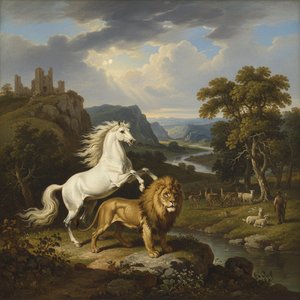
James Ward: A Study in British Romantic Landscape and Animal Painting
Explore the captivating world of James Ward (1769-1859), a master of British Romantic landscape & animal painting. Discover his iconic 'Gordale Scar' and exquisite portraits – a timeless art investment. Learn about his influences, style, and enduring legacy.

