 Podgląd w skali 1:1
 Wyślij jako kartkę
 Udostępnij
 Szczegóły dzieła
 Przewodnik

 Pobierz obraz
 Podobne obiekty
 RTG
RTG Pokaz slajdów
 Q&A
Q&A Statystyki
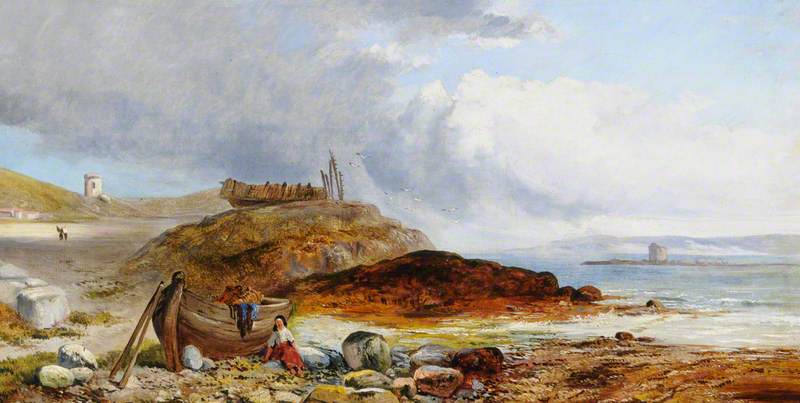
Belle Greve Bay

- 19.0 x 37.0 cm
 Rozwiń treść
Otrzymaj plik gotowy do druku, którego jakość znacznie przewyższa podgląd internetowy. Każdy sprzedawany przez nas obraz cyfrowy pochodzi z wysokorozdzielczego pliku wzorcowego w naszej bazie — zazwyczaj o szerokości od 5 000 do 15 000 pikseli — dzięki czemu możesz drukować w dużym formacie, mocno kadrować lub z pełnym przekonaniem odwzorowywać najdrobniejsze detale.
Żaden plik nie opuszcza naszego studia bez odpowiedniej obróbki. Ekspert ds. cyfrowej edycji sprawdza zgodność kolorów z oryginałem i w razie potrzeby je koryguje, a następnie za pomocą profesjonalnych narzędzi do retuszu poprawia ostrość oraz szczegółowość — zawsze zachowując wierność pociągnięciom pędzla i stylowi artysty. Rezultatem jest obraz, który wygląda jak prawdziwe dzieło, a nie jak przefiltrowany skan.
Zatwierdzasz przed finalizacją zamówienia: nasz ekspert prześle obraz drogą mailową w ciągu 72 godzin do Twojego wglądu. Nie jesteś zadowolony? Poproś o poprawki lub korektę, bądź o zwrot kosztów, jeśli jakość nie spełnia oczekiwań.
To jakość, na której polegają wydawcy, studia projektowe, galerie oraz drukarnie.
Obraz cyfrowy
Pobierz plik o wysokiej rozdzielczości do osobistego użytku, druku oraz projektów kreatywnych. ( Przełącz na wydania drukowane Zamów ręcznie malowaną reprodukcję)
W każdym zamówieniu na obraz cyfrowy znajduje się
Profesjonalna dostawa cyfrowa z gwarancją
Wybierając OriginalUniqueArt.com, nie otrzymujesz jedynie obrazu – otrzymujesz profesjonalnie udoskonalone cyfrowe dzieło sztuki, stworzone z najwyższą precyzją i objęte gwarancją satysfakcji. Oto wszystko, co automatycznie dołączane jest do Twojego zamówienia:

Błyskawiczna wysyłka e-mailowa
Plik z obrazem cyfrowym w wysokiej rozdzielczości zostanie przesłany na Twój adres e-mail w ciągu 72 godzin od złożenia zamówienia – gotowy do natychmiastowego użycia.

Plik cyfrowy wzbogacony przez AI
Twoja grafika została profesjonalnie zoptymalizowana przy użyciu zaawansowanych narzędzi AI oraz ręcznej edycji, co zapewnia maksymalną szczegółowość, klarowność i wierność kolorów.

Darmowe ponowne przesyłki dożywotnio
Przypadkowo usunąłeś lub zgubiłeś swój plik? Bez obaw – prześlemy go Tobie ponownie w dowolnym momencie, bez żadnych opłat.

Bez opłat importowych – zawsze
Ciesz się swoją sztuką natychmiast, bez żadnych opłat celnych, należności ani kosztów dostawy – pliki cyfrowe są zawsze wolne od podatku.

Gwarancja wierności kolorów
Dzięki zastosowaniu profesjonalnych narzędzi i procesów zarządzania barwą zapewniamy, że Twoje cyfrowe zdjęcie odzwierciedla oryginalne kolory tak wiernie, jak to tylko możliwe.

Gwarancja satysfakcji przez 100 dni
Jeśli nie będziesz zadowolony ze swojego cyfrowego obrazu, dokonamy jego poprawki lub zwrócimy 100% kosztów w ciągu 100 dni – bez zbędnych pytań.

100% Gwarancja zwrotu pieniędzy
Nie jesteś zadowolony? Otrzymaj pełny zwrot kosztów w ciągu 100 dni od otrzymania pliku cyfrowego – bez zbędnych pytań.

Rabaty przy zamówieniach hurtowych
Kup 3 obrazy, oszczędź 10% - Kup 5, oszczędź 15% - Kup 10+, oszczędź 20%. Idealne do projektów kreatywnych, galerii i agencji.
Biografia artysty
James Vivien de Fleury: A Master of British Pastoral Landscapes
James Vivien de Fleury (1847-1902) remains a quietly significant figure in 19th-century British art, a painter whose serene and meticulously rendered landscapes capture the essence of the English countryside and Italian waterways. Often overshadowed by his more flamboyant contemporaries, de Fleury’s work reveals a profound sensitivity to light, color, and the subtle rhythms of nature – qualities that imbue his scenes with an enduring sense of tranquility and beauty.
Born in Huddersfield, Yorkshire, into a prosperous wool merchant family, de Fleury's early life instilled within him a deep appreciation for the natural world. His father’s frequent travels to France and Belgium exposed young James to European artistic traditions, while his mother, an artist herself, nurtured his creative spirit. He received a classical education at Marlborough College, followed by studies in architecture at Peterhouse, Cambridge – a grounding that would later inform his precise observation of detail and composition. It was during his time at Cambridge that he discovered his passion for painting, initially as a pastime before dedicating himself fully to the pursuit.
De Fleury’s artistic journey began modestly, with early work in provincial theatres and small commissions. However, it was his move to London and subsequent association with Albert Korda's studio that proved pivotal. Working under Korda, he gained invaluable experience in producing “quota quickies”— inexpensive, mass-produced films—a common practice of the era. These early works, though commercially driven, provided a crucial foundation for his technical skills and understanding of cinematic composition. Crucially, they allowed him to hone his ability to capture fleeting moments of light and atmosphere – a skill that would later define his landscape paintings.
The Rise of a Landscape Painter
A turning point in de Fleury’s career arrived with his relocation to London in the late 1870s. He began exhibiting his work at the Royal Academy, steadily gaining recognition for his evocative depictions of rural England and Italy. His paintings weren't merely reproductions of scenery; they were imbued with a palpable sense of atmosphere – the dampness of a misty morning, the warmth of a summer afternoon, the shimmering light on water. He frequently depicted scenes from the Lake District, the Cotswolds, and the Italian Lakes, drawing inspiration from the picturesque beauty of these regions.
De Fleury’s technique was characterized by meticulous detail and a subtle use of color. He employed a delicate brushstroke to render textures – the rough bark of trees, the rippling surface of water, the folds of fabric. His compositions were often carefully balanced, creating a sense of harmony and serenity. Unlike some of his contemporaries who favored dramatic lighting effects, de Fleury preferred a more restrained approach, allowing the natural light to illuminate his scenes with a soft, diffused glow. His paintings are not grand or imposing; rather, they invite quiet contemplation and offer a glimpse into the peaceful rhythms of rural life.
Key Works and Influences
Among de Fleury’s most celebrated works are depictions of the River Thames, the Lake District, and the Italian Lakes. “River with Watermill and Village beyond” exemplifies his ability to capture the essence of a landscape – the interplay of light and shadow, the subtle details of the rural setting, and the sense of timelessness. His paintings of Belle Greve Bay in Jersey, and Luckham in Isle of Wight are also notable for their atmospheric quality and meticulous observation of detail.
De Fleury’s work was influenced by a variety of sources, including the Pre-Raphaelites, whose emphasis on beauty and nature resonated with his own artistic sensibilities. He also admired the works of Constable and Turner, masters of capturing the light and atmosphere of the English countryside. However, de Fleury developed a distinctly individual style – one characterized by its quiet elegance, meticulous detail, and profound sensitivity to the natural world.
Legacy and Historical Significance
Despite not achieving widespread fame during his lifetime, James Vivien de Fleury’s work has enjoyed a resurgence of interest in recent decades. His paintings are now recognized as important examples of 19th-century British landscape art – works that capture the beauty and tranquility of the English countryside with remarkable skill and sensitivity. De Fleury's contribution lies not in grand gestures or revolutionary techniques, but in his quietly assured mastery of observation and representation, offering viewers a serene escape into the heart of nature.
His paintings are held in numerous public collections, including the National Trust, demonstrating their enduring value and significance within the broader context of British art history. James Vivien de Fleury’s legacy is one of understated elegance, quiet beauty, and a profound appreciation for the natural world – qualities that continue to resonate with audiences today.

James Vivien De Fleury
1847 - 1902
Krótka nota
- Artistic Movement Or Style: Romantic Landscape
- Artists Or Movements Influenced By This Artist:
- Hudson River School
- Pre-Raphaelites
- Artists Who Influenced This Artist:
- Turner
- Ruskin
- Date Of Birth: 1847
- Date Of Death: 1902
- Full Name: James Vivien de Fleury
- Nationality: British
- Notable Artworks:
- River with Watermill
- Belle Greve Bay
- Lake Lugano
- Margate Coast Scene
- Place Of Birth: Huddersfield, England