Podgląd w skali 1:1
 Wyślij jako kartkę
 Udostępnij
 Szczegóły dzieła
 Przewodnik

 Pobierz obraz
 Podobne obiekty
 RTG
RTG Pokaz slajdów
 Pytania i odpowiedzi
 Statystyki
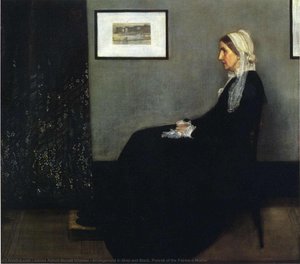
Matka Artysty (detal)


 Rozwiń treść
Giclée / Wydruk artystyczny
Wydruki giclée lub płótna o jakości muzealnej, szybka realizacja i szeroki wybór opcji wykończenia. ( Zamów ręcznie malowaną reprodukcję Przejdź do wersji cyfrowej)




P118B zł10

P118H zł10

P118W zł10

P438Z zł10

P508JH zł12

P508YH zł12

P805H zł10

P805Z zł10

P919BZ zł10

P919G zł10

P919XJ zł10

P959ZH zł10

P968JZ zł12

W106C zł8

W218G zł10

W218JH zł8

W218Y zł10

W307PJ zł10

W316G zł10

W316PJ zł8

W316Y zł10

W398PJ zł8

W4111J zł10

W500HY zł15

W500JH zł15

W692G zł12

W849H zł8

W940BG zł15

W953PJ zł8




Wybierz spośród naszych standardowych rozmiarów, które zachowują oryginalne proporcje dzieła sztuki.

Wpisz wymaganą szerokość i wysokość, aby dopasować grafikę do ramy lub ściany. Wydruk można jedynie przyciąć, nigdy nie powiększając go poza oryginalny obraz, dlatego format o innych proporcjach spowoduje utratę części kompozycji. Przed rozpoczęciem druku prześlemy Ci cyfrowy podgląd do zatwierdzenia. Obraz wyświetlany na tej stronie nie pokazuje rzeczywistego przycięcia — jedynie podgląd oddaje ten efekt.
Dostawa na cały świat () w ciągu 2 tygodni zamiast standardowych 4/5 tygodni. (5 Listopad)

Bezpłatna ekspresowa wysyłka na cały świat

Wysokiej jakości płótno lniane

Pełne ubezpieczenie przesyłki

Gwarancja zwrotu należności celnych i podatków importowych

Gwarancja wiernego odwzorowania kolorów

100-dniowa polityka zwrotów (tylko w przypadku wad)

Gwarancja 100% zwrotu pieniędzy

Zniżka przy zakupie wielu sztuk
 Opcja ze szkłem jest dostępna wyłącznie w rozmiarach poniżej 110 cm

Matka Artysty (detal)
Giclée / Wydruk artystyczny
Wymiary reprodukcji
-


Cena całkowita
zł 317
James Abbott McNeill Whistler i Jego Ikona: „Matka Artysty”
James Abbott McNeill Whistler, amerykański malarz urodzony w Lowell Massachusetts w 1834 roku, był postacią nieustannie sprzeciwiającą się konwencjom – twórcą, który bronił „sztuki dla sztuki” podczas epoki obsesyjnie skupionej na moralizujących narracjach. Jego młodość naznaczona częstymi przeprowadzkami z powodu kariery zawodowej ojca jako inżyniera kolei wprawił go w umiejętność adaptacji i wystawić przed oczami różnorodnych środowisk. Krótka, nieudana próba studiów na Uniwersytecie Stanowym Wirginii zakończyła się niepowodzeniem, a praca przy Ubezpieczeniach Morskich i Geodezyjnych Stanów Zjednoczonych choć opóźniająca, nie zgaszyła jego rozwijającego się zamiłowania do sztuki – pasji, która ostatecznie poprowadziła go przez Atlantycki Ocean i serce europejskiej awangardy. Ziarna artystycznego buntu zostały posiane wcześnie, pielęgnowane przez naturę oraz świadomość świata sztuki europejskiego. Jego twórczość odznacza się wyjątkową delikatnością i umiejętnością uchwycenia atmosfery chwili. Wyzwaniem dla Sztuki Akademickiej i Narodowego Gustu Whistler zaczął swoją karierę jako przedstawiciel szkoły Beaux-Arts w Paryżu, gdzie pod wpływem filozofii Estetyzmu oraz zainteresowań sztuką japońską, odrzucił tradycyjne metody malarskie i skupił się na tworzeniu dzieł, które były harmonijnymi aranżacjami kolorów i kształtów – wolnych od moralizujących przesłań. Jego decyzja o opuszczeniu akademii była aktem sprzeciwu wobec dominującego wówczas systemu wartości i stanowiła istotną zmianę w sztuce europejskiej. „Matkę Artysty” Whistler stworzył jako reakcję na narastające wymagania krytyki i instytucji kultury oraz jako próbę wyrażenia własnego indywidualnego światopoglądu. Jego dzieło stało się symbolem nowego kierunku rozwoju sztuki – Estetyzmu, który koncentrował się na piękniu formalnym ponad treścią narracyjną. Szczegółowy Portret i Mistrzowska Kompozycja „Matkę Artysty” Whistler ukończył w 1871 roku, wykorzystując technikę tonalistyczną – charakterystyczną dla Estetyzmu – która pozwalała osiągnąć niezwykłą głębokość emocjonalną przy użyciu ograniczonej palety kolorów. Obraz przedstawia profilową postać jego matki Anna McNeill Whistler siedzącą na krześle przed ścianą, której powierzchnię pokrywa jasna biel. Szczegółowe obserwacje światła i cienia oraz delikatne ruchy pędzla podkreślają atmosferę spokoju i kontemplacji – cechy charakterystyczne dla twórczości Whistlera oraz dla Estetyzmu jako całości. Kompozycja obrazu jest niezwykle minimalistyczna, ale jednocześnie pełna znaczenia symbolicznego. Wykorzystanie monochromatycznej palety kolorów – głównie szarości i biel – miało na celu stworzenie dzieła skupionego wyłącznie na formie i strukturze oraz pozbawionego emocjonalnych przesłań. Znaczenie Symboliczne i Kontrowersje Pierwszego Odbicia Choć Whistler zaprzeczał celowym użyciu symboliki w „Matce Artysty”, twierdząc, że obraz nie powinien być interpretowany jako historia – lecz jedynie jako ekspozycja piękna formalnego – dzieło wywołało ogromne zainteresowanie krytyków i publiczności oraz stało się przedmiotem licznych debat intelektualnych. Szarości dominujące w kolorystyce obrazu miały odzwierciedlać filozofię Estetyzmu, która podkreślała wartość sztuki jako celu samego siebie – niezależną od funkcji moralnej lub emocjonalnej. Pomimo początkowych krytycznych reakcji, „Matkę Artysty” uznano za dzieło pionierskie i jedno z najważniejszych osiągnięć sztuki amerykańskiej XIX wieku. Obecnie obraz znajduje się w Musée d'Orsay w Paryżu – miejscu idealnym dla prezentacji tego arcydzieła Estetyzmu oraz jego trwałych wpływów na kulturę europejską i światową. Jego prostota i elegancja wprawiają w zachwyt zarówno krytyków sztuki, jak i kolekcjonerów oraz inspirują twórców wnętrz aranżujących przestrzeń domową.Pytania i odpowiedzi
Gdzie mogę pobrać „Matka Artysty (detal)” – James McNeill Whistler?
„Matka Artysty (detal)” – James McNeill Whistler można pobrać ze strony Pobierz plik cyfrowy dzieła jako wysokiej rozdzielczości cyfrowe zdjęcie do pobrania.
Gdzie mogę zobaczyć podgląd dzieła "Matka Artysty (detal)"?
Strona Podgląd w pomieszczeniu dzieła „Matka Artysty (detal)” pozwala na podgląd obrazu przed złożeniem zamówienia.
Jaki rozmiar i orientacja są zalecane dla wydruku dzieła „Matka Artysty (detal)” – James McNeill Whistler?
Zalecany rozmiar wydruku dzieła „Matka Artysty (detal)” – James McNeill Whistler to Duży format w orientacji Kwadrat.
Biografia artysty
A Life Shaped by Aestheticism: The World of James Abbott McNeill Whistler
James Abbott McNeill Whistler, born in Lowell, Massachusetts in 1834, was a figure perpetually at odds with convention—a painter who championed “art for art’s sake” during an era obsessed with moralizing narratives. His early life, marked by frequent relocations due to his father's railroad engineering career, instilled within him a sense of adaptability and exposure to diverse environments. A brief, unhappy stint at West Point proved ill-suited to his artistic temperament, followed by work with the U.S. Coast and Geodetic Survey that, while delaying, did not extinguish his burgeoning passion for art. These formative years were characterized by an innate talent for drawing and a resolute desire to forge a path as a professional artist, a pursuit that would ultimately lead him across the Atlantic and into the heart of the European avant-garde. The seeds of Whistler’s artistic rebellion were sown early, nurtured by a spirit that resisted conformity and embraced aesthetic exploration above all else.Parisian Beginnings and the Cultivation of Style
The pivotal moment in Whistler's artistic journey arrived with his move to Paris in 1855. Here, under the tutelage of Sébastien Bouré, he honed his skills in oil painting, watercolor, and printmaking, absorbing the influences of French Realism and the Barbizon School painters. However, Whistler quickly transcended mere imitation, developing a distinctive style characterized by tonal harmonies and atmospheric effects. He wasn’t interested in replicating reality; rather, he sought to capture its *essence*, its fleeting moods and subtle nuances. This period marked a crucial shift from representational accuracy towards an exploration of pure aesthetic form. His early works already hinted at the delicate balance between observation and abstraction that would define his mature style. It was in Paris that Whistler began to articulate his belief that art should be judged solely on its aesthetic qualities, free from didactic or moralizing constraints—a philosophy that would become the cornerstone of his artistic practice and a defining characteristic of the Aesthetic movement. He experimented with color palettes, often favoring muted tones and subtle gradations, creating paintings that prioritized mood and atmosphere over precise detail.Nocturnes, Portraits, and the Pursuit of Harmony
Whistler’s artistic vision crystallized in several key themes and stylistic choices. He championed the concept of “art for art’s sake,” rejecting narratives laden with moral or social commentary. His work became an exercise in capturing subtle nuances of light, color, and atmosphere—a pursuit that led to his iconic *Nocturnes*. These atmospheric paintings of twilight scenes, often depicting the Thames River at night, were not intended as literal depictions but rather as evocative impressions, studies in tonal harmony and mood. He frequently employed limited palettes and delicate brushwork, creating a sense of ethereal beauty and quiet contemplation. Whistler also produced a significant body of portraiture, though he approached them with a unique sensibility. He wasn’t concerned with capturing perfect likenesses; instead, he focused on formal arrangements and tonal relationships, treating his sitters as compositional elements within a carefully constructed aesthetic framework. Works like *Arrangement in Grey and Black No. 1*—better known as *Whistler's Mother*—demonstrate this approach perfectly, transforming a familial portrait into an iconic image of Victorian motherhood through its masterful use of form and tone. The painting’s power lies not in the depiction of a specific woman but in its distillation of maternal dignity and quiet strength.Controversy, Influence, and Lasting Legacy
Whistler’s career was not without controversy. The infamous libel suit brought against him by the critic John Ruskin in 1878, sparked by *Nocturne in Black and Gold – The Falling Rocket*, became a landmark moment in art history. Whistler successfully defended his artistic autonomy, arguing that his paintings were not intended to be realistic representations but rather aesthetic arrangements of color and form. This case elevated his profile and ignited important debates about the nature of art criticism and artistic freedom. Beyond this legal battle, Whistler’s influence extended far and wide. He was deeply inspired by Japanese prints (ukiyo-e), which informed his compositional principles and emphasis on decorative patterns, as well as the tonal mastery of Spanish painters like Velázquez. His advocacy for “art for art’s sake” profoundly impacted the Aesthetic movement in England and America, paving the way for modernism and challenging conventional notions about artistic purpose. He left an indelible mark on American art, inspiring generations of artists to embrace formalist approaches and explore the expressive potential of color and composition. Whistler's work continues to be studied and admired for its innovative use of light, color, and form, solidifying his position as a key figure in the development of modern painting.- Notable Works: *The Forge* (1861), *Portrait of Charles Lang Freer* (1873), *Brown and Gold: The Gold Girl—Connie Gilchrist* (1876-77), *Arrangement in Grey and Black No. 1 (Whistler’s Mother)* (1871), *Nocturne in Black and Gold – The Falling Rocket* (1875).
- Influences: Japanese prints, Velázquez.
A Lasting Impression
James Abbott McNeill Whistler died in London in 1903, leaving behind a body of work that continues to captivate and inspire. His unwavering commitment to artistic principles and his relentless pursuit of aesthetic beauty cemented his place as a pivotal figure in the history of art. His legacy endures not only through his paintings but also through the enduring debate about the very definition of art itself—a conversation that remains relevant today.
James McNeill Whistler
1834 - 1903 , Stany Zjednoczone
Krótka nota
- Artistic Movement Or Style: Tonalizm, Estetyzm
- Artists Or Movements Influenced By This Artist:
- Estetyzm
- Modernizm
- Artists Who Influenced This Artist:
- Velázquez
- Japońskie drzeworyty
- Date Of Birth: 10 lip 1834
- Full Name: James Abbott McNeill Whistler
- Nationality: Amerykański
- Notable Artworks:
- Matka Whistlera
- Nocturne
- Uporządkowanie
- Place Of Birth: Lowell, USA
Powiązane artykuły
Sir Frederic Leighton: Aestheticism, Academic Mastery & Victorian Masculinity
Explore the life & art of Sir Frederic Leighton, a master of Victorian Aestheticism. Discover his academic training, sculptural innovations, and captivating depictions of beauty. Expert insights for collectors.
Sir Edward Poynter: Aestheticism, Archaeology & Victorian Identity
Explore the captivating world of Sir Edward Poynter, a leading figure of Aestheticism & Victorian art. Discover his archaeological narratives, iconic paintings like 'Day Dream Fine,' and lasting influence on British art history.
Walter Greaves: A Study in Victorian Realism & the Social Landscape of British Art
Explore the life & work of Walter Greaves, a key Victorian realist painter influenced by Whistler. Discover his London streetscapes, portraits, and enduring legacy. Learn about art appraisal & reproduction options at OriginalUniqueArt.
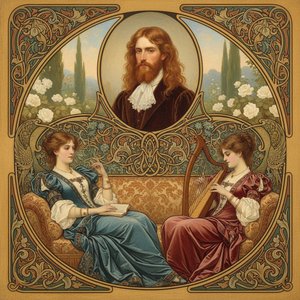
Frederick Morgan: A Study in Aestheticism & Victorian Beauty
Explore the captivating world of Frederick Morgan, a key figure in Victorian Aestheticism. Discover his beautiful paintings, recurring themes, and lasting legacy with our expert analysis. Learn more today!

James Abbott McNeill Whistler: 25 Arcydzieł Sztuki Pejzażowej i Portretowej | OriginalUniqueArt
Odkryj 25 arcydzieł Jamesa Abbotta McNeilla Whistler'a! Poznaj historię impresjonistycznych pejzaży, portretów i słynnych 'Nokturnów'. Reprodukcje obrazów najwyższej jakości na OriginalUniqueArt.com – inspiracje dla Twojego wnętrza.