

 Podgląd w skali
 Wyślij jako kartkę
 Udostępnij
 Szczegóły dzieła

 Pobierz
 Podobne obiekty
 RTG
RTG Pokaz slajdów
The Old Mill House
 1885
1885 28.0 x 50.0 cm
 Rozwiń treść
Ręcznie malowana reprodukcja olejowa
Ręcznie malowany obraz olejny na płótnie, wykonany na zamówienie przez naszych artystów w wybranym przez Ciebie wymiarze i oprawie. ( Zamów wydruk Kup obraz wysokiej rozdzielczości)




































Wybierz spośród naszych standardowych rozmiarów, które zachowują oryginalne proporcje dzieła sztuki.

Możesz wprowadzić własne wymiary, aby dopasować obraz do konkretnej ramy lub przestrzeni. Jeśli wybrany rozmiar nie będzie odpowiadał proporcjom oryginału, przytniecie dzieło sztuki lub rozszerzymy je o dodatkowe elementy, ręcznie domalowane przez artystę. Przed rozpoczęciem produkcji wyślemy projekt cyfrowy do Twojej akceptacji.
Należy pamiętać, że podgląd na ekranie nie odzwierciedla rzeczywistego przycinania ani rozszerzania obrazu. Tylko projekt dokładnie pokaże ostateczną kompozycję.
Choć oferujemy możliwość zamówienia niestandardowych rozmiarów, zalecamy wybór wymiaru z gotowej listy, aby zachować oryginalne proporcje dzieła.
Po złożeniu zamówienia zespół OriginalUniqueArt.com skontaktuje się z klientem drogą mailową w celu uzyskania instrukcji i prześle wizualizację projektu
Dostawa na całym świecie () w ciągu 3–4 tygodni zamiast standardowych 5 tygodni. (23 Sierpień). Bez kompromisów w kwestii jakości.

Bezpłatna ekspresowa wysyłka na cały świat

Wysokiej jakości płótno lniane

Pełne ubezpieczenie przesyłki

Gwarancja zwrotu należności celnych i podatków importowych

Gwarancja wiernego odwzorowania kolorów

Polityka 60-dniowego zwrotu (tylko w przypadku wad)

Gwarancja 100% zwrotu kosztów

Zniżka przy zamówieniu wielu produktów
 Opcja ze szkłem jest dostępna wyłącznie w rozmiarach poniżej 110 cm

The Old Mill House
Technika reprodukcji
Wymiary reprodukcji
-


Cena całkowita
$ 300
O artyście
The Luminous Legacy of James Herbert Snell
In the soft, shifting light of the late Victorian and Edwardian eras, James Herbert Snell emerged as a painter capable of capturing the very soul of the British landscape. Born in St Pancras, London, on October 31, 1862, Snell’s life was marked by both personal hardship and an unyielding devotion to the canvas. Following the untimely loss of his parents during his youth, he found stability and direction under the guidance of his uncle, John Minthorn. This resilience would later manifest in his art, which sought to find enduring beauty within the fleeting moments of nature. His early training, beginning under his father’s watchful eye and progressing through the prestigious Heatherley School of Fine Art, provided him with a rigorous technical foundation that he would eventually infuse with a modern, atmospheric sensibility.
Snell’s artistic evolution was profoundly shaped by his travels through the great art capitals of Europe. His formative journeys to Paris and Amsterdam allowed him to witness firsthand the revolutionary shifts occurring in the art world. By immersing himself in the techniques of French Impressionist masters such as Claude Monet and Pierre-Auguste Renoir, Snell learned to move beyond mere topographical accuracy. He began to embrace the play of light, the importance of visible brushstrokes, and the ability to evoke mood through color. This unique synthesis—merging the structural integrity of British Naturalism with the ephemeral magic of Impressionism—became his artistic signature, allowing him to depict the rural landscapes of England and Scotland not just as places, but as emotional experiences.
A Mastery of Light and Atmosphere
The true brilliance of Snell’s work lies in his ability to render the intangible. Whether he was painting the coastal serenity of St Ives Harbour or the quiet, reflective waters of a river lock in Hertfordshire, his focus remained on the atmospheric depth of the scene. His technique utilized a delicate balance of texture and tone; one can observe how his brushwork dances across the canvas to suggest the movement of wind through trees or the shimmering reflection of sunlight on a moving stream. This approach invited the viewer into a world that felt both intimately familiar and dreamlike, capturing the essence of Spring Time or the quietude of a village afternoon with remarkable sensitivity.
His contributions to the British art scene were recognized by the most esteemed institutions of his time, marking him as a significant figure in the late nineteenth and early twentieth centuries. His achievements include:
- Exhibitions at the Royal Academy: Showcasing his ability to command attention within the highest circles of British art.
- Recognition by the Royal Institute of Oil Painters: Solidifying his reputation as a master of the medium and a skilled interpreter of landscape.
- Development of a Hybrid Style: Successfully bridging the gap between traditional British landscape painting and the burgeoning Impressionist movement.
Today, the works of James Herbert Snell continue to resonate with collectors and art enthusiasts who find solace in his tranquil vistas. His paintings serve as a nostalgic window into a bygone era, preserving the quiet majesty of the British countryside. Through his mastery of light, shadow, and texture, Snell did more than just document landscapes; he immortalized the fleeting beauty of the natural world, ensuring that his vision of a serene, pastoral England remains eternally vibrant.
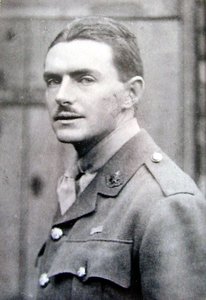
Krótka nota
- Artistic Movement Or Style: Romantic Landscape Art
- Artists Or Movements Influenced By This Artist: ['Romantic Landscape Art']
- Artists Who Influenced This Artist: ['Herbert James Draper']
- Date Of Death: 1935
- Full Name: James Herbert Snell
- Nationality: British
- Notable Artworks:
- The Woodman's Cart, Winter
- Kingsthorpe Mill, Northamptonshire
- Place Of Birth: London, England

