

 Zobacz w skali 1:1
 Wyślij
 Udostępnij
 Szczegóły
 Przewodnik

 Pobierz plik obrazu
 Podobne obiekty
 RTG
RTG Pokaz slajdów
 Statystyki
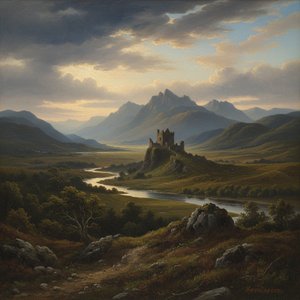
A Romantic Landscape
 Acrylic On Canvas
- WallArt
- Romantic Landscape
 1908
1908 119.0 x 104.0 cm
 Leeds Art Gallery
 Czytaj więcej
Giclée / Wydruk artystyczny
Wydruki giclée lub płótna o jakości muzealnej, szybka realizacja i szeroki wybór opcji wykończenia. ( Kup ręcznie malowany obraz Przełącz na wersję cyfrową)




P118B zł10

P118H zł10

P118W zł10

P438Z zł10

P508JH zł12

P508YH zł12

P805H zł10

P805Z zł10

P919BZ zł10

P919G zł10

P919XJ zł10

P959ZH zł10

P968JZ zł12

W106C zł8

W218G zł10

W218JH zł8

W218Y zł10

W307PJ zł10

W316G zł10

W316PJ zł8

W316Y zł10

W398PJ zł8

W4111J zł10

W500HY zł15

W500JH zł15

W692G zł12

W849H zł8

W940BG zł15

W953PJ zł8




Wybierz spośród naszych standardowych rozmiarów, które zachowują oryginalne proporcje dzieła sztuki.

Możesz wprowadzić własne wymiary, aby dopasować dzieło do konkretnej ramy lub przestrzeni. Jeśli wybrany rozmiar nie będzie odpowiadał proporcjom oryginalnego obrazu, przytniecie dzieło lub rozszerzymy obraz za pomocą odbicia lustrzanego lub jednolitego wypełnienia krawędzi. Przed rozpoczęciem produkcji prześlemy cyfrową wizualizację do Twojej akceptacji.
Prosimy pamiętać, że podgląd na ekranie nie odzwierciedla faktycznego przycinania ani rozszerzania. Tylko wizualizacja dokładnie pokaże końcową kompozycję.
Mimo dostępności niestandardowych rozmiarów, zalecamy wybór wymiaru z listy zdefiniowanej, aby zachować oryginalne proporcje.
Dostawa na cały świat () w ciągu 2 tygodni zamiast standardowych 4/5 tygodni. (2 Październik)

Bezpłatna ekspresowa wysyłka na cały świat

Wysokiej jakości płótno lniane

Pełne ubezpieczenie transportowe

Gwarancja zwrotu należności celnych i podatków importowych

Gwarancja idealnego odwzorowania barw

100-dniowy okres na zwrot dzieła w przypadku wykrycia wad produkcyjnych

Gwarancja 100% zwrotu pieniędzy

Oferta przy zakupie wielu sztuk
 Opcja ze szkłem jest dostępna wyłącznie w rozmiarach poniżej 110 cm

A Romantic Landscape
Giclée / Wydruk artystyczny
Rozmiar reprodukcji
-


Suma do zapłaty
zł 298
A Window Into a Romantic Soul: James Ferrier Pryde’s “A Romantic Landscape”
James Ferrier Pryde's "A Romantic Landscape," painted in 1908, isn’t merely a depiction of a picturesque scene; it’s a carefully constructed invitation into the heart of a bygone era. This oil painting, measuring a substantial 119 x 104 cm, captures a group of figures nestled within a verdant woodland, their presence subtly interwoven with the grandeur and mystery of nature. The composition immediately draws the eye to the central trio – three individuals engaged in quiet conversation beneath the sheltering branches of an ancient tree – while the distant body of water acts as a serene mirror reflecting the sky above.
Pryde’s style leans heavily into the tenets of Romanticism, a movement that privileged emotion, imagination, and the sublime beauty of the natural world. He eschews sharp detail in favor of atmospheric effects – hazy light filtering through the leaves, soft brushstrokes creating a sense of depth and distance, and a palette dominated by muted greens, browns, and blues. This deliberate blurring of form contributes to an overall feeling of tranquility and invites contemplation. The painting’s influence is clearly visible in the works of Caspar David Friedrich, whose emphasis on the individual's relationship with nature resonates strongly within Pryde’s approach.
The Beggarstaffs and a Legacy of Atmospheric Detail
Pryde was a key figure in the renowned Beggarstaff Studios, a collective of artists known for their innovative poster designs and evocative illustrations. This experience profoundly shaped his artistic sensibilities, particularly his mastery of capturing atmosphere and mood. The Beggarstaffs’ work often featured dramatic lighting, intricate details, and a focus on conveying a specific emotional response through visual means – qualities that are abundantly present in “A Romantic Landscape.” The painting's meticulous rendering of light and shadow, combined with the figures’ subtle gestures, suggests a narrative unfolding beyond what is immediately visible.
Interestingly, Pryde’s background as a graphic designer informed his approach to painting. He understood how color, texture, and composition could be used to create a powerful visual impact – a skill he seamlessly translated into his landscapes. The use of warm tones around the figures contrasts with the cooler hues of the surrounding forest, drawing attention to their presence while simultaneously emphasizing their connection to the natural world.
Symbolism in the Setting: A Sanctuary of Reflection
The choice of setting – a secluded woodland clearing – is laden with symbolic meaning. Forests have long been associated with mystery, introspection, and spiritual renewal within Romantic art. The ancient tree serves as a focal point, representing wisdom, longevity, and the enduring power of nature. The figures themselves appear to be seeking solace or connection within this sanctuary, suggesting a desire for escape from the pressures of modern life.
The presence of two benches further reinforces the theme of contemplation and social interaction. They invite viewers to imagine the conversations taking place between the individuals, fostering a sense of intimacy and shared experience. The distant water adds another layer of symbolism – representing reflection, fluidity, and the cyclical nature of time. It’s as if Pryde is offering us a glimpse into a timeless moment of connection with both each other and the natural world.
A Timeless Appeal: Reproduction and Artistic Resonance
"A Romantic Landscape" continues to resonate with audiences today due to its evocative atmosphere, masterful technique, and profound exploration of human emotion. Reproductions of this painting offer a remarkable opportunity to bring this scene into your home or office – capturing the tranquility and beauty of Pryde’s vision. The rich colors and detailed textures translate beautifully onto canvas, creating a piece that is both visually stunning and emotionally engaging. It's more than just a picture; it’s an invitation to step into a world of romantic contemplation.
Consider framing this reproduction in a style that complements its inherent elegance – perhaps a simple wooden frame or a classic gold-toned option. “A Romantic Landscape” will undoubtedly serve as a focal point, adding a touch of timeless beauty and serenity to any space.
Pytania i odpowiedzi
Ile lat miał(a) James Ferrier Pryde, tworząc "A Romantic Landscape" w 1908 roku?
James Ferrier Pryde stworzył/a "A Romantic Landscape" w wieku 42 lat. Artysta urodził/a się w 1866, a datowanie dzieła to 1908.
Czy dzieło "A Romantic Landscape" jest dostępne jako wysokiej jakości wydruk artystyczny?
Aby zamówić wydruk dzieła „A Romantic Landscape” autorstwa James Ferrier Pryde, wystarczy złożyć zamówienie na ta strona: szlachetna odbitka na płótnie bawełnianym lub archiwalnym papierze płótnopodobnym.
Któremu artyście przypisuje się "A Romantic Landscape"?
„A Romantic Landscape” zostało stworzone przez James Ferrier Pryde. Informacje na tej stronie opisują oryginalne dzieło autorstwa James Ferrier Pryde.
W jaki sposób „A Romantic Landscape” autorstwa James Ferrier Pryde łączy Romantic Landscape z krajem pochodzenia artysty?
"A Romantic Landscape" łączy nurt Romantic Landscape z Wielka Brytania poprzez miejsce urodzenia jego twórcy.
Czy istnieją dzieła podobne do „A Romantic Landscape”?
Dzieła podobne do „A Romantic Landscape” autorstwa James Ferrier Pryde zostały zgromadzone na stronie Podobne dzieła danego dzieła.
Jaka jest data powstania dzieła „A Romantic Landscape” autorstwa James Ferrier Pryde?
Dzieło „A Romantic Landscape” autorstwa James Ferrier Pryde powstało w 1908.
W jakim układzie znajduje się „A Romantic Landscape” autorstwa James Ferrier Pryde?
Dzieło „A Romantic Landscape” autorstwa James Ferrier Pryde ma format Portrait. Format ten określa proporcje kompozycji.
Biografia artysty
A Life Etched in Atmosphere: The World of James Ferrier Pryde
Born in Edinburgh on March 30, 1866, into a family steeped in artistic lineage – related to the renowned Scottish painters Robert Scott Lauder and James Eckford Lauder – James Ferrier Pryde embarked on a journey that would see him leave an indelible mark on both painting and graphic design. His early life was nurtured within a stimulating intellectual environment; his father, David Pryde, served as headmaster of Edinburgh Ladies’ College, fostering a household valuing education and creativity. Young James received his formal artistic training at the Royal Scottish Academy from 1885 to 1888, laying the foundation for a career that would ultimately defy easy categorization. He was encouraged by leading figures of the Glasgow School, notably James Guthrie and Edward Arthur Walton, whose influence helped shape his initial artistic explorations. A brief sojourn in Paris, studying under William-Adolphe Bouguereau at the Académie Julian, proved less formative; Pryde found the atmosphere stifling, quickly returning to Scotland with a clearer sense of his own path.The Beggarstaffs and a Revolution in Design
Pryde’s most significant collaborative venture began in 1893 with the formation of “The Beggarstaffs,” a partnership with William Nicholson. This union proved remarkably fruitful, pioneering a new aesthetic in poster design that dramatically challenged prevailing conventions. Prior to The Beggarstaffs, posters were often cluttered and illustrative; Pryde and Nicholson stripped away excess detail, embracing bold compositions, striking imagery, and a theatrical sensibility. Their designs weren’t merely advertisements—they were statements, elevating the status of poster art from commercial necessity to legitimate artistic expression. They deliberately eschewed established norms, creating work that was both visually arresting and intellectually stimulating. The partnership dissolved in 1899, but its impact resonated for decades, influencing generations of graphic designers and fundamentally altering the landscape of visual communication. Their innovative approach wasn’t limited to posters; they also produced distinctive signboards and other graphic works, all characterized by a unique blend of artistic vision and commercial practicality. The Beggarstaffs' work is often described as “atmospheric,” capturing a sense of mood and mystery that was entirely new for the advertising world.Atmospheric Visions: A Painterly Language
While celebrated for his contributions to graphic design, Pryde’s true passion lay in painting. He developed a deeply personal style centered around atmospheric architectural scenes. These weren’t straightforward depictions of buildings; they were evocative explorations of mood and emotion, often imbued with a sense of drama and foreboding. His canvases frequently feature structures dwarfing the human figures within them, emphasizing our fragility against the weight of history and time. Broad brushwork and dramatic lighting effects are hallmarks of his technique, creating an almost palpable atmosphere that draws the viewer into the scene. The influence of Giovanni Battista Piranesi’s etchings is evident in Pryde's monumental compositions and fascination with architectural ruins. He wasn’t interested in precise representation; rather, he sought to capture the *feeling* of a place, its history, and its inherent melancholy. His paintings often feel like fragments of dreams, hauntingly beautiful and subtly unsettling. He frequently depicted Edinburgh landmarks – the British Linen Bank, Melville Monument – transforming them into imposing, almost surreal subjects.A Multifaceted Artist: Stagecraft and Recognition
Pryde’s artistic pursuits weren't confined to painting and design. He briefly pursued an acting career between 1894 and 1899, a period that undoubtedly informed his theatrical sensibility and understanding of spatial dynamics. This foray into the performing arts also brought him into contact with influential figures like Edward Gordon Craig, who recognized Pryde’s exceptional talent as a painter despite acknowledging his limitations as an actor. He became actively involved in artistic societies, becoming an associate of the International Society of Sculptors, Painters and Gravers in 1901 and later serving as its vice-president in 1921. In 1930, he brought his visual artistry to the stage, designing sets for Paul Robeson’s production of *Othello* at the Savoy Theatre, demonstrating a versatility that extended beyond the canvas. His designs were noted for their dramatic lighting and evocative use of space, creating an immersive theatrical experience. Though he held only two solo exhibitions during his lifetime – one at the Baillie Gallery in 1911 and another at the Leicester Galleries in 1933 – Pryde received recognition from patrons like Viscountess Cowdray and was lauded by critics such as Frank Rutter, who described him as “stupendous.”A Lasting Legacy
James Ferrier Pryde passed away on February 24, 1941, in London. While he didn’t align himself with any specific artistic movement, his unique style and contributions to early 20th-century art are increasingly recognized. A memorial exhibition held in 1949, touring Edinburgh, Brighton, and London, helped revive interest in his work. Though exhibitions of his paintings remain relatively infrequent, a growing number of his works are held in public collections, ensuring that his atmospheric visions continue to captivate audiences. Pryde’s legacy rests not only on the beauty of his individual artworks but also on the profound impact of The Beggarstaffs' innovative graphic design, which continues to inspire artists and designers today. He remains a compelling figure—a painter who dared to explore the emotional power of architecture and a designer who helped redefine the very language of visual communication.
James Ferrier Pryde
1866 - 1941 , Wielka Brytania
Najważniejsze informacje
- Artistic Movement Or Style: Grafika, Atmosfericzne obrazy
- Artists Or Movements Influenced By This Artist:
- William Nicholson
- Grafika
- Artists Who Influenced This Artist:
- James Guthrie
- Edward Walton
- Whistler
- Bouguereau
- Date Of Birth: 30 marca 1866
- Date Of Death: 24 lutego 1941
- Full Name: James Ferrier Pryde
- Nationality: Brytyjczyk
- Notable Artworks:
- Ruiny z figurą
- Zabłocony dom
- Kolumna księcia Jerzego
- Place Of Birth: Edynburg, Wielka Brytania
Zobacz także powiązane artykuły

Sir Alfred James Munnings: 25 Arcydzieł Malarstwa Koni i Angielskiej Wsi | OriginalUniqueArt.com
Odkryj 25 arcydzieł Sir Alfreda Jamesa Munningsa – mistrza malarstwa koni i angielskiego krajobrazu. Poznaj historię, technikę i piękno jego obrazów. Reprodukcje najwyższej jakości na OriginalUniqueArt.com! Eksploruj pełną kolekcję online.
Alexander Nasmyth: Picturing Scotland's Romantic Landscape – Innovation & Identity
Explore the life & art of Alexander Nasmyth, a pivotal figure in Scottish Romantic landscape painting. Discover his iconic works, including portraits of Robert Burns, and learn about his lasting influence on national identity. Fine art reproductions available.

James Giles: Capturing Scottish Life Through the Lens of British Realism
Explore the life & work of James Giles (1801-1870), a master of Scottish landscape painting and favored artist of Queen Victoria. Discover his atmospheric realism & royal commissions.

James Abbott McNeill Whistler: 25 Arcydzieł Sztuki Pejzażowej i Portretowej | OriginalUniqueArt
Odkryj 25 arcydzieł Jamesa Abbotta McNeilla Whistler'a! Poznaj historię impresjonistycznych pejzaży, portretów i słynnych 'Nokturnów'. Reprodukcje obrazów najwyższej jakości na OriginalUniqueArt.com – inspiracje dla Twojego wnętrza.

Romantyczny Krajobraz w Malarstwie: 10 Arcydzieł, Które Zdefiniowały Epokę | OriginalUniqueArt.com
Odkryj 10 arcydzieł romantyzmu w malarstwie! Poznaj historie Caspara Davida Friedricha, Turnera i innych mistrzów. Inspiracje wnętrzarskie & reprodukcje obrazów najwyższej jakości na OriginalUniqueArt.com. Eksploruj kolekcję online!


