 Podgląd w skali
 Wyślij jako kartkę
 Udostępnij
 Szczegóły dzieła

 Pobierz
 Podobne obiekty
 RTG
RTG Pokaz slajdów
The


 Rozwiń treść
Ręcznie malowana reprodukcja olejowa
Ręcznie malowany obraz olejny na płótnie, wykonany na zamówienie przez naszych artystów w wybranym przez Ciebie wymiarze i oprawie. ( Zamów wydruk Kup obraz wysokiej rozdzielczości)




P118B $10

P118H $10

P118W $10

P438Z $10

P508JH $12

P508YH $12

P805H $10

P805Z $10

P919BZ $10

P919G $10

P919XJ $10

P959ZH $10

P968JZ $12

W106C $8

W218G $10

W218JH $8

W218Y $10

W307PJ $10

W316G $10

W316PJ $8

W316Y $10

W398PJ $8

W4111J $10

W500HY $15

W500JH $15

W692G $12

W849H $8

W940BG $15

W953PJ $8




Wybierz spośród naszych standardowych rozmiarów, które zachowują oryginalne proporcje dzieła sztuki.

Możesz wprowadzić własne wymiary, aby dopasować obraz do konkretnej ramy lub przestrzeni. Jeśli wybrany rozmiar nie będzie odpowiadał proporcjom oryginału, przytniecie dzieło sztuki lub rozszerzymy je o dodatkowe elementy, ręcznie domalowane przez artystę. Przed rozpoczęciem produkcji wyślemy projekt cyfrowy do Twojej akceptacji.
Należy pamiętać, że podgląd na ekranie nie odzwierciedla rzeczywistego przycinania ani rozszerzania obrazu. Tylko projekt dokładnie pokaże ostateczną kompozycję.
Choć oferujemy możliwość zamówienia niestandardowych rozmiarów, zalecamy wybór wymiaru z gotowej listy, aby zachować oryginalne proporcje dzieła.
Po złożeniu zamówienia zespół OriginalUniqueArt.com skontaktuje się z klientem drogą mailową w celu uzyskania instrukcji i prześle wizualizację projektu
Dostawa na całym świecie () w ciągu 3–4 tygodni zamiast standardowych 5 tygodni. (21 Sierpień). Bez kompromisów w kwestii jakości.

Bezpłatna ekspresowa wysyłka na cały świat

Wysokiej jakości płótno lniane

Pełne ubezpieczenie przesyłki

Gwarancja zwrotu należności celnych i podatków importowych

Gwarancja wiernego odwzorowania kolorów

Polityka 60-dniowego zwrotu (tylko w przypadku wad)

Gwarancja 100% zwrotu kosztów

Zniżka przy zamówieniu wielu produktów
 Opcja ze szkłem jest dostępna wyłącznie w rozmiarach poniżej 110 cm

The
Technika reprodukcji
Wymiary reprodukcji
-


Cena całkowita
$ 300
Opis dzieła
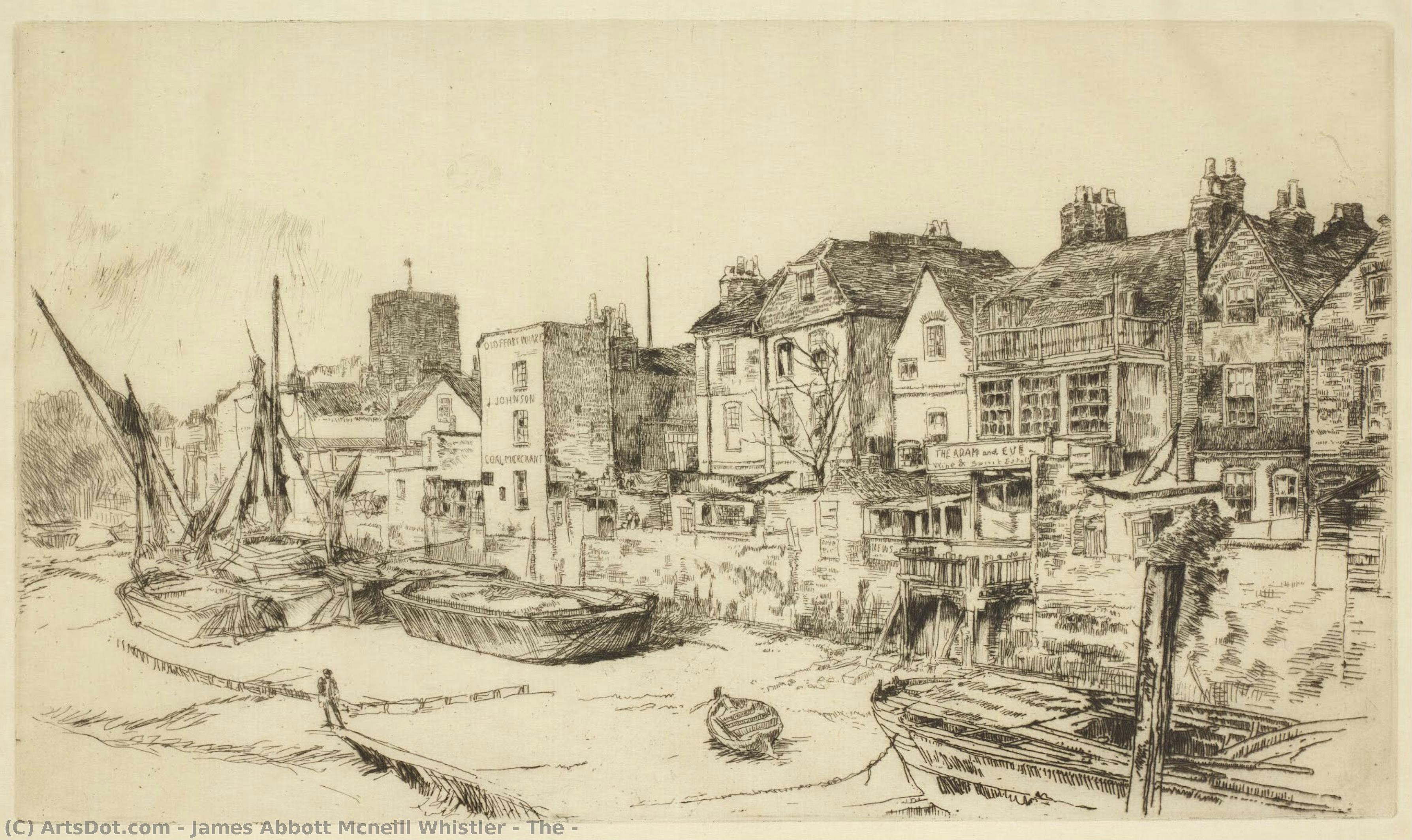
A Window into Tranquility: Whistler’s “The Rue Morgue” Revisited
James Abbott McNeill Whistler (1834-1903) stands as a singular figure in the annals of American art history—a champion of aestheticism who dared to prioritize beauty and sensation over didactic storytelling during Victorian England. His artistic journey began amidst familial relocations fueled by his father’s railroad endeavors, fostering an adaptability that would prove invaluable as he navigated the complexities of formal education and artistic exploration. Despite a disappointing experience at West Point, where his temperament clashed with military discipline, Whistler persevered in pursuing his passion for art, culminating in a pivotal move to Paris in 1855—a city brimming with intellectual ferment and artistic innovation. This evocative etching, “The Rue Morgue,” created in 1879, exemplifies Whistler’s groundbreaking approach to printmaking and encapsulates the essence of his aesthetic philosophy. Unlike many of his contemporaries who sought to convey moral lessons or narrative narratives through their prints, Whistler deliberately eschewed such conventions, opting instead for a purely visual experience—a “palette cleanser” as he himself termed it—designed to stimulate contemplation and delight in its own formal qualities. The scene depicts a shadowy Parisian street corner illuminated by gaslight, capturing the quiet drama of an evening encounter. Whistler’s meticulous attention to detail is evident in the rendering of textures – from the rough brickwork of the building to the subtle sheen on the pavement – demonstrating his mastery of drypoint etching technique. The stylistic influence of Rembrandt is palpable; Whistler consciously adopted Rembrandt's chiaroscuro method—the dramatic interplay between light and dark—to heighten the emotional impact of the composition. This technique wasn’t merely a stylistic choice but a deliberate strategy to evoke mood and atmosphere, mirroring Whistler’s belief that art should transcend mere representation and tap into deeper psychological resonances. The etching’s subdued palette contributes significantly to its contemplative character, inviting viewers to immerse themselves in the stillness of the scene and consider its symbolic implications. More than just a depiction of a Parisian street, “The Rue Morgue” speaks to Whistler's broader preoccupation with capturing fleeting moments of beauty and emotion—a fascination that underpinned his entire artistic oeuvre. It’s a testament to Whistler’s conviction that art should exist for its own sake, prioritizing sensory experience over didactic purpose. This piece continues to resonate today as an exemplar of Impressionistic principles applied to etching, offering collectors and interior designers alike a glimpse into the mind of a visionary artist who redefined the boundaries of artistic expression.- Artist: James Abbott McNeill Whistler
- Medium: Etching
- Date: 1879
O artyście
A Life Shaped by Aestheticism: The World of James Abbott McNeill Whistler
James Abbott McNeill Whistler, born in Lowell, Massachusetts in 1834, was a figure perpetually at odds with convention—a painter who championed “art for art’s sake” during an era obsessed with moralizing narratives. His early life, marked by frequent relocations due to his father's railroad engineering career, instilled within him a sense of adaptability and exposure to diverse environments. A brief, unhappy stint at West Point proved ill-suited to his artistic temperament, followed by work with the U.S. Coast and Geodetic Survey that, while delaying, did not extinguish his burgeoning passion for art. These formative years were characterized by an innate talent for drawing and a resolute desire to forge a path as a professional artist, a pursuit that would ultimately lead him across the Atlantic and into the heart of the European avant-garde. The seeds of Whistler’s artistic rebellion were sown early, nurtured by a spirit that resisted conformity and embraced aesthetic exploration above all else.Parisian Beginnings and the Cultivation of Style
The pivotal moment in Whistler's artistic journey arrived with his move to Paris in 1855. Here, under the tutelage of Sébastien Bouré, he honed his skills in oil painting, watercolor, and printmaking, absorbing the influences of French Realism and the Barbizon School painters. However, Whistler quickly transcended mere imitation, developing a distinctive style characterized by tonal harmonies and atmospheric effects. He wasn’t interested in replicating reality; rather, he sought to capture its *essence*, its fleeting moods and subtle nuances. This period marked a crucial shift from representational accuracy towards an exploration of pure aesthetic form. His early works already hinted at the delicate balance between observation and abstraction that would define his mature style. It was in Paris that Whistler began to articulate his belief that art should be judged solely on its aesthetic qualities, free from didactic or moralizing constraints—a philosophy that would become the cornerstone of his artistic practice and a defining characteristic of the Aesthetic movement. He experimented with color palettes, often favoring muted tones and subtle gradations, creating paintings that prioritized mood and atmosphere over precise detail.Nocturnes, Portraits, and the Pursuit of Harmony
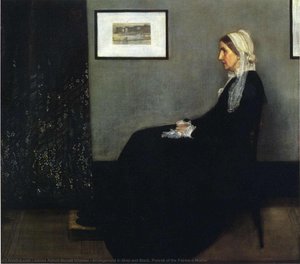
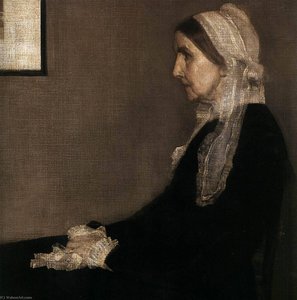
Whistler’s artistic vision crystallized in several key themes and stylistic choices. He championed the concept of “art for art’s sake,” rejecting narratives laden with moral or social commentary. His work became an exercise in capturing subtle nuances of light, color, and atmosphere—a pursuit that led to his iconic *Nocturnes*. These atmospheric paintings of twilight scenes, often depicting the Thames River at night, were not intended as literal depictions but rather as evocative impressions, studies in tonal harmony and mood. He frequently employed limited palettes and delicate brushwork, creating a sense of ethereal beauty and quiet contemplation. Whistler also produced a significant body of portraiture, though he approached them with a unique sensibility. He wasn’t concerned with capturing perfect likenesses; instead, he focused on formal arrangements and tonal relationships, treating his sitters as compositional elements within a carefully constructed aesthetic framework. Works like *Arrangement in Grey and Black No. 1*—better known as *Whistler's Mother*—demonstrate this approach perfectly, transforming a familial portrait into an iconic image of Victorian motherhood through its masterful use of form and tone. The painting’s power lies not in the depiction of a specific woman but in its distillation of maternal dignity and quiet strength.Controversy, Influence, and Lasting Legacy
Whistler’s career was not without controversy. The infamous libel suit brought against him by the critic John Ruskin in 1878, sparked by *Nocturne in Black and Gold – The Falling Rocket*, became a landmark moment in art history. Whistler successfully defended his artistic autonomy, arguing that his paintings were not intended to be realistic representations but rather aesthetic arrangements of color and form. This case elevated his profile and ignited important debates about the nature of art criticism and artistic freedom. Beyond this legal battle, Whistler’s influence extended far and wide. He was deeply inspired by Japanese prints (ukiyo-e), which informed his compositional principles and emphasis on decorative patterns, as well as the tonal mastery of Spanish painters like Velázquez. His advocacy for “art for art’s sake” profoundly impacted the Aesthetic movement in England and America, paving the way for modernism and challenging conventional notions about artistic purpose. He left an indelible mark on American art, inspiring generations of artists to embrace formalist approaches and explore the expressive potential of color and composition. Whistler's work continues to be studied and admired for its innovative use of light, color, and form, solidifying his position as a key figure in the development of modern painting.- Notable Works: *The Forge* (1861), *Portrait of Charles Lang Freer* (1873), *Brown and Gold: The Gold Girl—Connie Gilchrist* (1876-77), *Arrangement in Grey and Black No. 1 (Whistler’s Mother)* (1871), *Nocturne in Black and Gold – The Falling Rocket* (1875).
- Influences: Japanese prints, Velázquez.
A Lasting Impression
James Abbott McNeill Whistler died in London in 1903, leaving behind a body of work that continues to captivate and inspire. His unwavering commitment to artistic principles and his relentless pursuit of aesthetic beauty cemented his place as a pivotal figure in the history of art. His legacy endures not only through his paintings but also through the enduring debate about the very definition of art itself—a conversation that remains relevant today.
James McNeill Whistler
1834 - 1903 , Stany Zjednoczone
Krótka nota
- Artistic Movement Or Style: Tonalizm, Estetyzm
- Artists Or Movements Influenced By This Artist:
- Estetyzm
- Modernizm
- Artists Who Influenced This Artist:
- Velázquez
- Japońskie drzeworyty
- Date Of Birth: 10 lip 1834
- Full Name: James Abbott McNeill Whistler
- Nationality: Amerykański
- Notable Artworks:
- Matka Whistlera
- Nocturne
- Uporządkowanie
- Place Of Birth: Lowell, USA
Powiązane artykuły

James Abbott McNeill Whistler: 25 Arcydzieł Sztuki Pejzażowej i Portretowej | OriginalUniqueArt
Odkryj 25 arcydzieł Jamesa Abbotta McNeilla Whistler'a! Poznaj historię impresjonistycznych pejzaży, portretów i słynnych 'Nokturnów'. Reprodukcje obrazów najwyższej jakości na OriginalUniqueArt.com – inspiracje dla Twojego wnętrza.
Tonalism Explained: The Art of Mood, Mist, and Masterful Color in Landscape Painting
Discover the evocative world of Tonalism. Explore how masters like Whistler and Tryon used mist, shadow, and subtle color to capture profound mood and atmosphere in landscape art. An expert guide for fine art enthusiasts and collectors.

Rytownictwo artystyczne: Historia, techniki i trwałe dziedzictwo w sztuce
Poznaj historię i techniki grafiki artystycznej – od drzeworytu po litografię. Ekspercka analiza, wpływ na ikonografię i współczesną sztukę. Odkryj trwałe dziedzictwo rytownictwa!
10 Legendarnych Rycin, Które Zrewolucjonizowały Sztukę | OriginalUniqueArt
Odkryj 10 legendarnych rycin Rembrandta, Dürera i Goi! Poznaj historię mistrzów grafiki, ich techniki i wpływ na sztukę. Reprodukcje najwyższej jakości – idealne do Twojego wnętrza. OriginalUniqueArt.com
Krajobraz w sztuce: 10 arcydzieł, które inspirują (malarstwo, dekoracje wnętrz)
Odkryj 10 arcydzieł krajobrazu w sztuce! Poznaj historie Moneta, van Gogha i Turnera. Inspiracje pejzażami, techniki malarskie i reprodukcje najwyższej jakości na OriginalUniqueArt.com. Znajdź idealny obraz do Twojego wnętrza!