Podgląd w skali
 Wyślij jako kartkę
 Udostępnij
 Szczegóły dzieła

 Pobierz
 Podobne obiekty
 RTG
RTG Pokaz slajdów
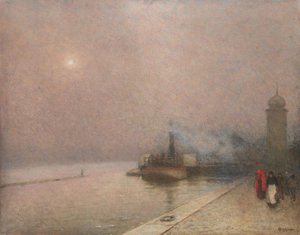
Nabrzeże


 Rozwiń treść
Ręcznie malowana reprodukcja olejowa
Ręcznie malowany obraz olejny na płótnie, wykonany na zamówienie przez naszych artystów w wybranym przez Ciebie wymiarze i oprawie. ( Zamów wydruk Kup obraz wysokiej rozdzielczości)




P118B $10

P118H $10

P118W $10

P438Z $10

P508JH $12

P508YH $12

P805H $10

P805Z $10

P919BZ $10

P919G $10

P919XJ $10

P959ZH $10

P968JZ $12

W106C $8

W218G $10

W218JH $8

W218Y $10

W307PJ $10

W316G $10

W316PJ $8

W316Y $10

W398PJ $8

W4111J $10

W500HY $15

W500JH $15

W692G $12

W849H $8

W940BG $15

W953PJ $8




Wybierz spośród naszych standardowych rozmiarów, które zachowują oryginalne proporcje dzieła sztuki.

Możesz wprowadzić własne wymiary, aby dopasować obraz do konkretnej ramy lub przestrzeni. Jeśli wybrany rozmiar nie będzie odpowiadał proporcjom oryginału, przytniecie dzieło sztuki lub rozszerzymy je o dodatkowe elementy, ręcznie domalowane przez artystę. Przed rozpoczęciem produkcji wyślemy projekt cyfrowy do Twojej akceptacji.
Należy pamiętać, że podgląd na ekranie nie odzwierciedla rzeczywistego przycinania ani rozszerzania obrazu. Tylko projekt dokładnie pokaże ostateczną kompozycję.
Choć oferujemy możliwość zamówienia niestandardowych rozmiarów, zalecamy wybór wymiaru z gotowej listy, aby zachować oryginalne proporcje dzieła.
Po złożeniu zamówienia zespół OriginalUniqueArt.com skontaktuje się z klientem drogą mailową w celu uzyskania instrukcji i prześle wizualizację projektu
Dostawa na całym świecie () w ciągu 3–4 tygodni zamiast standardowych 5 tygodni. (20 Sierpień). Bez kompromisów w kwestii jakości.

Bezpłatna ekspresowa wysyłka na cały świat

Wysokiej jakości płótno lniane

Pełne ubezpieczenie przesyłki

Gwarancja zwrotu należności celnych i podatków importowych

Gwarancja wiernego odwzorowania kolorów

Polityka 60-dniowego zwrotu (tylko w przypadku wad)

Gwarancja 100% zwrotu kosztów

Zniżka przy zamówieniu wielu produktów
 Opcja ze szkłem jest dostępna wyłącznie w rozmiarach poniżej 110 cm

Nabrzeże
Technika reprodukcji
Wymiary reprodukcji
-


Cena całkowita
$ 325
Opis dzieła
Gustave Courbet: A Revolutionary Vision of Reality
Gustave Courbet (1819-1924) stands as an undeniable titan amongst French painters, a figure whose unwavering dedication to portraying the world without embellishment or idealized beauty irrevocably altered the course of artistic history. Born in Ornans, France, his life’s journey mirrored his art – a defiant rejection of academic conventions and a passionate embrace of observable truth. This refusal wasn't merely stylistic; it represented a profound philosophical stance against the prevailing societal norms of his time, establishing Courbet as a pioneer of Realism and cementing his legacy as one of the most influential artists of the 19th century. His initial artistic pursuits diverged from the prescribed path of the École des Beaux-Arts, prioritizing lithography over formal training – a decision that underscored his independent spirit and foreshadowed his groundbreaking approach to painting. While honing his craft at the Museum of Arts and Crafts in Berlin alongside fellow artists like Eugen Pracht and Paul Meyerheim, Courbet’s formative years instilled within him a critical perspective on artistic tradition. However, it was his return to Paris and subsequent enrollment at the Academy of Fine Arts where he encountered mentors who challenged him to push boundaries – an experience that ultimately fueled his revolutionary vision. Despite facing considerable resistance from the establishment, Courbet persevered, driven by an unwavering conviction in capturing the essence of everyday life with uncompromising honesty. Courbet’s artistic breakthrough arrived with “The Embankment,” a monumental canvas depicting Prague’s waterfront at dusk—a scene rendered with breathtaking sensitivity to atmospheric conditions and imbued with a palpable melancholic beauty. This artwork exemplifies Impressionism's core tenets: eschewing meticulous detail in favor of capturing fleeting moments and subjective impressions. The hazy palette, dominated by shades of gray, beige, and delicate pink, skillfully conveys the diffused light characteristic of twilight, transporting viewers into a realm of contemplative stillness. Courbet’s masterful technique—characterized by loose brushstrokes layered to build up texture and color—mirrors the spirit of his era, prioritizing emotional resonance over strict adherence to artistic conventions. The composition itself is deliberately understated yet profoundly impactful. Horizontal bands delineate the river's surface, a distant ship, and the expansive sky, creating a harmonious balance that draws the eye inward. The lighthouse on the right serves as a vertical anchor, grounding the scene while simultaneously symbolizing guidance and resilience amidst uncertainty. Courbet’s deliberate simplification of forms—dissolving shapes into the atmospheric haze—reflects the Impressionists' fascination with capturing the ephemeral nature of perception. Furthermore, the subtle use of perspective contributes to the painting’s immersive quality, inviting contemplation on themes of solitude and the passage of time. Beyond its aesthetic merits, “The Embankment” carries symbolic weight. It speaks to Courbet’s broader preoccupation with depicting ordinary subjects—laborers, peasants, landscapes—as emblems of human dignity and authenticity. Like many Impressionist paintings, it seeks not merely to represent what is seen but to convey how one feels – a profound connection to the natural world and an awareness of its inherent beauty, even in moments of quiet contemplation. This artwork remains a testament to Courbet’s enduring legacy as a champion of artistic freedom and a visionary artist who dared to challenge the accepted standards of his time.O artyście
Gustave Courbet: A Revolutionary Vision of Reality
Born in Ornans, France, in 1819, Gustave Courbet’s life and art were inextricably linked to a profound rejection of academic tradition and a passionate commitment to portraying the world as he saw it – unidealized, gritty, and undeniably real. His journey from a modest upbringing to becoming one of the most influential figures in 19th-century French painting is a testament to his unwavering independence and artistic vision. Courbet’s early years were marked by a rejection of the formal art training offered at the École des Beaux-Arts, a decision that ultimately shaped his entire career trajectory. He initially studied lithography, a skill he honed during his time at the Museum of Arts and Crafts in Berlin, but it was his return to France and subsequent enrollment at the Academy of Fine Arts in Paris where he encountered figures like Paul Meyerheim and Eugen Pracht, that provided him with a foundation for his later work. However, Courbet quickly found himself disillusioned with the academy’s emphasis on historical and mythological subjects, deeming them irrelevant to his artistic aspirations.
Courbet's early works, such as “The Stone Breakers” (1849), immediately signaled a dramatic departure from prevailing artistic norms. This monumental painting, depicting two laborers engaged in the arduous task of breaking stones, was exhibited at the Salon and met with widespread outrage. The subject matter – working-class men – was considered vulgar and inappropriate for public display, while the scale of the work itself challenged the established conventions of art. Critics condemned its lack of idealization, its earthy palette, and its unflinching portrayal of poverty and hardship. Yet, it was precisely this boldness that cemented Courbet’s reputation as a revolutionary artist. He deliberately chose subjects that were ignored by the official Salon, focusing instead on the lives of ordinary people – peasants, laborers, and rural scenes – elevating them to the level of artistic subject matter.
The Painter's Studio: A Declaration of Independence
"The Painter’s Studio (L’Atelier du Peintre)"—a sprawling canvas measuring nearly 13 feet by 19 feet—represents a pivotal moment in Courbet’s career. Created between 1854 and 1855, it served as both a self-portrait and a powerful statement of artistic independence. Rejected from the official Salon exhibition of 1855, Courbet responded by organizing his own independent exhibition, dubbed “Le Pavillon des Réalistes,” alongside the official Salon display. This audacious act demonstrated his refusal to conform to academic standards and asserted his commitment to portraying reality without embellishment or romanticization. Within the painting itself, Courbet meticulously depicts his studio—a chaotic space filled with canvases, paintbrushes, models, and discarded materials—reflecting the messy, unglamorous process of artistic creation. The central figure, a nude woman, is not an idealized muse but a real model, dressed in simple clothing and engaged in mundane tasks. This deliberate choice underscored Courbet’s commitment to portraying life as it truly was, rejecting the artificiality of classical ideals.
Themes and Techniques: Realism Embodied
Courbet's artistic style is characterized by a meticulous attention to detail, a bold use of color, and a rejection of traditional techniques. He employed a direct painting method, applying paint directly to the canvas in thick, visible brushstrokes—a technique known as *alla prima*. This approach emphasized the physicality of the paint itself, creating a textured surface that conveyed the immediacy of his observations. Courbet’s landscapes, often depicting the rural scenery around Ornans, are notable for their atmospheric effects and their realistic portrayal of light and shadow. His portraits, such as “Self-Portrait with a Painter's Palette” (1854), capture the sitter’s personality and character with remarkable accuracy. Beyond his subject matter, Courbet was deeply interested in exploring themes of social injustice, poverty, and the dignity of labor. He frequently depicted scenes of rural life, highlighting the struggles of ordinary people and challenging the prevailing bourgeois values of his time.
Legacy and Influence
Gustave Courbet’s impact on 19th-century art is undeniable. His rejection of academic conventions paved the way for the Impressionists, Post-Impressionists, and other modern artists who sought to break free from traditional artistic constraints. He demonstrated that painting could be a vehicle for social commentary and political protest, inspiring generations of artists to use their work to challenge established norms and expose injustices. Despite facing criticism and censorship throughout his career, Courbet remained steadfast in his commitment to portraying the world as he saw it—a vision that continues to resonate with audiences today. His legacy extends beyond individual artworks; it represents a fundamental shift in the role of art in society – from serving as a vehicle for glorifying historical events or depicting idealized figures, to reflecting the realities of everyday life.
Further Resources
- Wikipedia: https://en.wikipedia.org/wiki/Gustave_Courbet
- Smarthistory: https://smarthistory.org/courbet-the-artists-studio/

jakub schikaneder
1855 - 1924
Krótka nota
- Artistic Movement Or Style: Realism
- Artists Or Movements Influenced By This Artist:
- Impressionism
- Cubism
- Artists Who Influenced This Artist:
- Jean-François Millet
- Gustave Doré
- Date Of Birth: 1855
- Date Of Death: 1924
- Full Name: Jean Désiré Gustave Courbet
- Nationality: French
- Notable Artworks:
- The Painter’s Studio
- Bonjour Monsieur Courbet
- The Death of Moses
- Place Of Birth: Ornans, France
Powiązane artykuły

10 Arcydzieł Impresjonizmu Krajobrazowego, Które Zdefiniowały Sztukę
Odkryj 10 arcydzieł impresjonizmu krajobrazowego! Poznaj historie Moneta, Renoir'a i Van Gogha. Inspiracje wnętrzarskie, techniki malarskie i piękne reprodukcje obrazów na OriginalUniqueArt.com. Eksploruj kolekcję online!
Krajobraz w sztuce: 10 arcydzieł, które inspirują (malarstwo, dekoracje wnętrz)
Odkryj 10 arcydzieł krajobrazu w sztuce! Poznaj historie Moneta, van Gogha i Turnera. Inspiracje pejzażami, techniki malarskie i reprodukcje najwyższej jakości na OriginalUniqueArt.com. Znajdź idealny obraz do Twojego wnętrza!

10 Arcydzieł Impresjonizmu Krajobrazowego: Sztuka, Artyści i Dekoracje Wnetrz
Odkryj 10 arcydzieł impresjonizmu krajobrazowego! Poznaj historie Monet, Renoir i innych mistrzów. Inspiracje wnętrzarskie, techniki malarskie i reprodukcje obrazów najwyższej jakości na OriginalUniqueArt.com. Eksploruj pełną kolekcję online!
Capturing the Soul: The Most Emotionally Moving Impressionist and Post-Impressionist Masterpieces
Discover the profound emotional depth of Impressionist and Post-Impressionist masterpieces. Explore how legends like Monet, Van Gogh, and Gauguin captured light and soul through evocative landscapes and vibrant brushwork for a timeless connection to art history.
Golden Fields & Sun-Drenched Meadows: Capturing the Soul of Impressionist Landscapes
Immerse yourself in the luminous world of Impressionist landscapes. Discover how masters like Monet and Gauguin captured ephemeral light through plein air painting, and learn to bring the soul of sun-drenched meadows into your home with exquisite, hand-painted oil reproductions.