
 Podgląd w skali 1:1
 Wyślij jako kartkę
 Udostępnij
 Szczegóły dzieła
 Przewodnik

 Pobierz obraz
 Podobne obiekty
 RTG
RTG Pokaz slajdów
 Statystyki
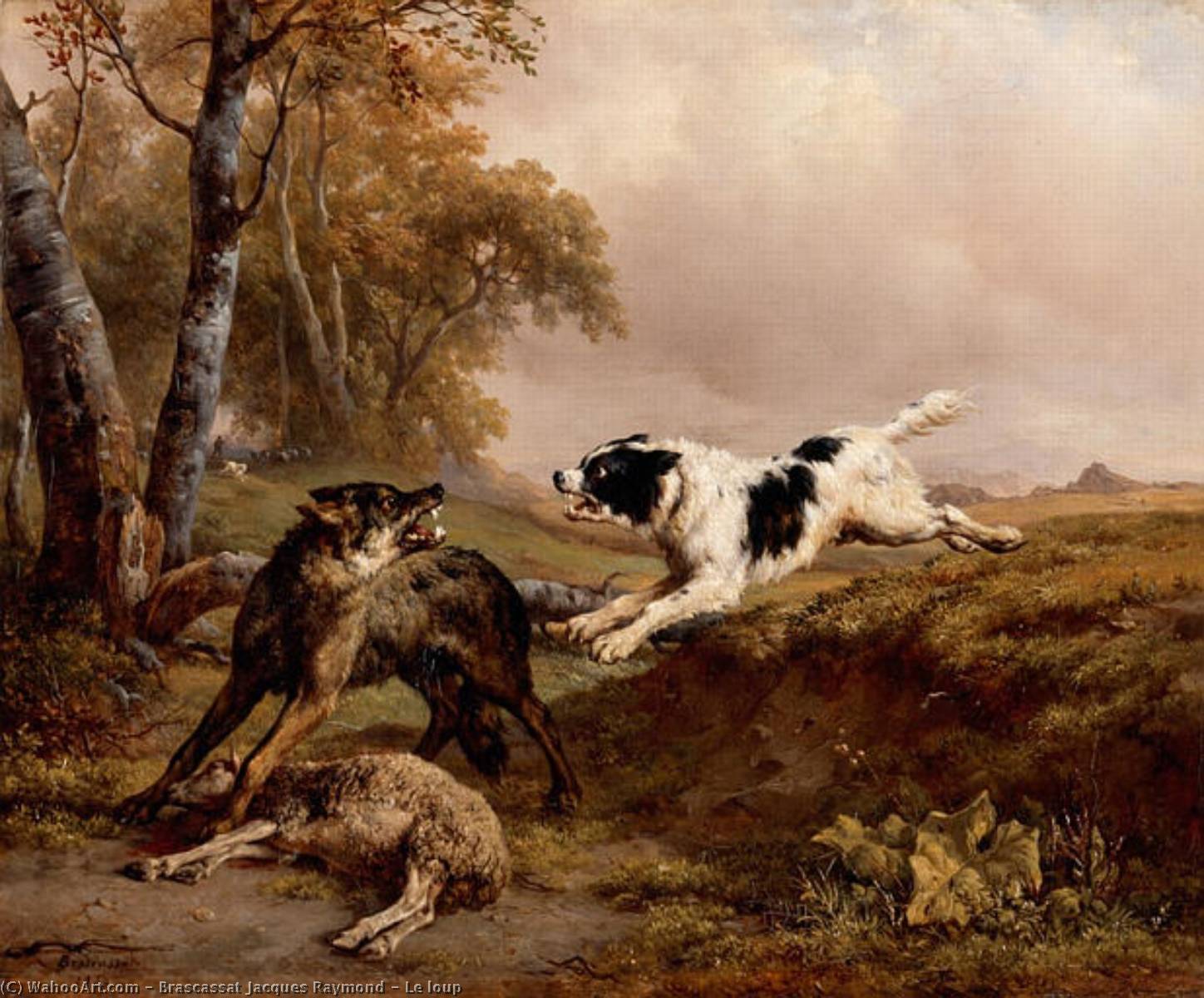
Le loup
 Rozwiń treść
Ręcznie malowana reprodukcja olejowa
Ręcznie malowany obraz olejny na płótnie, wykonany na zamówienie przez naszych artystów w wybranym przez Ciebie wymiarze i oprawie. ( Przełącz na wydania drukowane Przejdź do wersji cyfrowej)




































Wybierz spośród naszych standardowych rozmiarów, które zachowują oryginalne proporcje dzieła sztuki.

Wpisz wymaganą szerokość i wysokość, aby obraz pasował do Twojej ramy lub ściany. Ponieważ jest to dzieło malowane ręcznie, w przypadku rozmiaru o innych proporcjach artysta może domalować nieco więcej wokół obrazu lub przyciąć jego fragmenty — wybór należy do Ciebie. Przed rozpoczęciem pracy prześlemy Ci cyfrową wizualizację do zatwierdzenia. Obraz widoczny na tej stronie nie przedstawia rzeczywistego efektu — jedynie wizualizacja oddaje realny rezultat.
Po złożeniu zamówienia zespół OriginalUniqueArt.com skontaktuje się z klientem drogą mailową w celu uzyskania instrukcji i prześle wizualizację projektu
Dostawa na całym świecie () w ciągu 3–4 tygodni zamiast standardowych 5 tygodni. (28 Październik). Bez kompromisów w kwestii jakości.

Bezpłatna ekspresowa wysyłka na cały świat

Wysokiej jakości płótno lniane

Pełne ubezpieczenie przesyłki

Gwarancja zwrotu należności celnych i podatków importowych

Gwarancja wiernego odwzorowania kolorów

100-dniowa polityka zwrotów (tylko w przypadku wad)

Gwarancja 100% zwrotu pieniędzy

Zniżka przy zakupie wielu sztuk
 Opcja ze szkłem jest dostępna wyłącznie w rozmiarach poniżej 110 cm

Le loup
Technika reprodukcji
Wymiary reprodukcji
-


Cena całkowita
zł 1156
Biografia artysty
Jacques Raymond Brascassat: A Pioneer of Animal Painting
Jacques Raymond Brascassat (August 30, 1804 – February 28, 1867) stands as a singular figure in French Romanticism, celebrated primarily for his breathtaking depictions of animals—a genre he elevated to unprecedented levels of realism and psychological insight. Born in Bordeaux, France, Brascassat’s artistic journey began under the tutelage of Louis Hersent at the École des Beaux-Arts in Paris, where he honed his skills and secured a prestigious second place in the Prix de Rome competition of 1825 with “The Hunt of Meleager,” establishing him as an artist of considerable promise. This early success foreshadowed a lifelong dedication to capturing the essence of the natural world through meticulous observation and masterful technique.- Early Influences: Brascassat’s artistic sensibilities were profoundly shaped by Romantic ideals—a fascination with emotion, imagination, and the sublime beauty of untamed landscapes. The fervor for portraying dramatic scenes from mythology and folklore resonated deeply within him, informing his stylistic choices.
- Italian Sojourn & Landscape Studies: Recognizing the importance of grounding artistic vision in direct experience, Brascassat traveled extensively throughout Italy between 1827 and 1835. During this period, he immersed himself in studying Italian landscapes—particularly those imbued with grandeur and atmospheric drama—drawing inspiration from artists like Claude Lorrain and Nicolas Poussin. These formative years instilled in him a profound understanding of tonal painting and compositional balance.
The Rise of Animal Painting: Bulls Fighting and Beyond
Brascassat’s artistic focus swiftly shifted toward animal painting, marking him as one of the foremost practitioners of this challenging genre. Unlike many artists of his time who favored idealized representations, Brascassat relentlessly pursued accuracy—capturing not merely the physical appearance of animals but also their behavior and emotional states. His iconic “Bulls Fighting” (1837), housed in Nantes Museum of Arts, Nantes, France, exemplifies this commitment to realism, presenting a visceral portrayal of the confrontation between bull and matador with remarkable detail and psychological nuance. Similarly, his “Cow Attacked by Wolves” (1845) displayed at Museum of Fine Arts, Leipzig, Germany, showcases an equally compelling depiction of animal struggle—a testament to Brascassat’s ability to convey emotion through visual language.Technique and Artistic Vision
Brascassat's artistic method was characterized by a meticulous approach to tonal painting. He painstakingly built up layers of color, utilizing subtle gradations to create atmospheric depth and conveying the textures of animal fur with astonishing precision. His canvases pulsated with life—infused with an almost palpable sense of movement and emotion. Brascassat’s paintings weren't merely representations of animals; they were explorations of their inner lives—expressions of courage, vulnerability, and primal instinct.Recognition and Legacy
Brascassat’s unwavering dedication to his craft garnered him considerable acclaim during his lifetime. He was elected a member of the Académie française in 1846—a prestigious honor recognizing his artistic merit and intellectual contribution—solidifying his place among France's leading artists. Though he died prematurely at the age of sixty-two, Brascassat’s influence endured, inspiring subsequent generations of painters to embrace realism and psychological depth in their depictions of animals. His enduring legacy resides not only in his stunning artworks but also in his pioneering role as a champion of naturalistic observation—a cornerstone of artistic achievement.
Jacques Raymond Brascassat
1804 - 1867
Krótka nota
- Full Name: Jacques Raymond Brascassat
- Nationality: French
- Date Of Birth: 1804
- Date Of Death: 1867
- Place Of Birth: Bordeaux, France
- Notable Artworks:
- Bull Fighting
- Cow Attacked by Wolves
- Artistic Movement Or Style: Realism
- Artists Who Influenced This Artist: ['Louis Hersent']
- Artists Or Movements Influenced By This Artist: ['Rosa Bonheur']