Cubist Abstraction · 1930
Figure (Jakub Lipchitz, 1930)
Jakub Lipchitz (1891–1973) stworzył Figure. Dzieło pochodzi z 1930. Należy do nurtu Cubist Abstraction. Wykonano w technice Bronze. Przechowywane jest w MoMA - Museum of Modern Art w Nowy Jork, Stany Zjednoczone Ameryki.
- 1930
- Bronze
- MoMA - Museum of Modern Art, Nowy Jork

 Ręcznie malowany obraz olejny
 Wyślij jako kartkę
 Udostępnij
 Karta informacyjna


 Pobierz obraz
 Podobne obiekty
 Pokaz slajdów
 Pytania i odpowiedzi

 Statystyki
Figure w skrócie
- Tytuł
- Figure
- Artysta
- Jakub Lipchitz (1891–1973)
- Miejsce urodzenia artysty
- Druskieniki, Litwa
- Data powstania
- 1930
- Technika wykonania
- Bronze
- Gdzie można je zobaczyć
- MoMA - Museum of Modern Art, Nowy Jork, Stany Zjednoczone Ameryki
- Epoka
- Modern
- Temat
- sculpture, abstraction, bronze, geometric form, cubism style, human figure
Co przedstawia Figure?
A Fragmented Vision of Humanity
Jacques Lipchitz's "Figure," sculpted in 1930, stands as a profound testament to the transformative power of Cubism and its enduring fascination with exploring the fundamental concepts of form and perception. This bronze masterpiece transcends mere representation; it invites a deep, meditative contemplation on the very essence of human existence through a deliberately abstracted aesthetic. In an era defined by rapid societal shifts, Lipchitz utilized a fragmented language to capture the complexity of the modern soul. The sculpture presents a captivating interplay of geometric precision and organic fluidity, where the human form is not merely depicted but reconstructed through a lens of intellectual rigor and emotional depth.
The composition is a masterclass in the Cubist approach, pioneered by luminaries such as Picasso and Braque. Rather than striving for a realistic or anatomical depiction, Lipchitz dismantles the human figure into interlocking planes, presenting multiple viewpoints simultaneously. The head is rendered with striking simplicity—two oval eyes positioned above a small, triangular nose—which disrupts traditional notions of facial harmony to create a sense of enigmatic presence. Below this stylized visage, undulating vertical forms intersect with curved openings, creating a rhythmic tension between movement and stillness. This structural complexity ensures that the viewer's eye is constantly traveling across the surface, discovering new contours and depths within the bronze.
The Alchemy of Bronze and Form
The materiality of the piece is essential to its enduring impact. The choice of bronze allows for an exquisite level of detail and a rich, tactile quality that stone or wood could not achieve. Through the intricate process of bronze casting, Lipchitz was able to capture subtle variations in surface texture, from the sharp, clean edges of his geometric planes to the softer, more rounded contours of the figure's limbs. The rough, uneven patina resulting from natural oxidation lends the sculpture an ancient, weathered character, suggesting a sense of permanence and historical weight. This textured surface catches the light in a way that emphasizes the sculpture's three-dimensionality, making it a dynamic object that changes appearance depending on the surrounding illumination.
For the discerning collector or interior designer, "Figure" offers an unparalleled opportunity to introduce a piece of art history into a contemporary space. The sculpture’s neutral, earthy tones and sophisticated silhouette allow it to integrate seamlessly into various high-end environments, from minimalist modern galleries to richly textured classical studies. It serves as a powerful focal point, commanding attention through its structural integrity and the quiet strength of its presence. Owning a high-quality reproduction of this work is not merely about acquiring an object; it is about bringing a piece of the avant-garde revolution into one's personal sanctuary, fostering an atmosphere of intellectual curiosity and timeless elegance.
W którym muzeum znajduje się Figure?
MoMA - Museum of Modern Art
Nowy Jork, Stany Zjednoczone Ameryki
Początki i historia MoMA - Museum of Modern Art Fundamenty MoMA - Museum of Modern Art zostały położone w 1929 roku. Powstała z wizji Abby Aldrich Rockefeller, Lillie P. Bliss oraz Mary Quinn Sullivan, instytucja ta wyłoniła się w czasie głębokich, globalnych przemian.


Zdjęcia w wysokiej rozdzielczości dzieła Figure
Chronione prawem autorskim: pliki te służą wyłącznie do osobistego wglądu i nie stanowią licencji na ich powielanie.
Jakub Lipchitz, Figure (1930), MoMA - Museum of Modern Art.
Odpowiedzi na pytania dotyczące Figure
W którym muzeum znajduje się oryginał "Figure"?
Oryginał dzieła „Figure” – Jakub Lipchitz znajduje się w MoMA - Museum of Modern Art, Nowy Jork, Stany Zjednoczone Ameryki. Reprodukcja pozwala na eksponowanie pracy w domu.
W którym roku powstało „Figure” – Jakub Lipchitz?
"Figure" powstało w 1930 roku. Data ta pozwala umiejscowić dzieło w kontekście twórczości Jakub Lipchitz oraz epoki, w której powstało.
W jakiej technice wykonano „Figure” – Jakub Lipchitz?
„Figure” wykonano w technice Bronze.
Co przedstawia „Figure” – Jakub Lipchitz?
„Figure” – Jakub Lipchitz przedstawia: sculpture, abstraction, bronze, geometric form, cubism style, human figure, texture, modern art.
Czy obraz „Figure” – Jakub Lipchitz można swobodnie reprodukować?
„Figure” – Jakub Lipchitz znajduje się w domenie publicznej (nadal objęte ochroną prawa autorskiego). Status ten określa zasady reprodukcji obrazu tego dzieła.
Kto jest autorem dzieła "Figure"?
Autorem dzieła „Figure” jest Jakub Lipchitz. Praca ta figuruje w katalogu pod nazwiskiem Jakub Lipchitz.
Do jakiego nurtu artystycznego należy „Figure” – Jakub Lipchitz?
Nurt związany z „Figure” – Jakub Lipchitz to Cubist Abstraction. Ta klasyfikacja sytuuje dzieło wśród pokrewnych artystów i dzieł sztuki.
Do którego okresu twórczości Jakub Lipchitz należy dzieło "Figure"?
"Figure" reprezentuje Mature Period twórczości Jakub Lipchitz.
Ile lat miał Jakub Lipchitz, gdy powstało dzieło „Figure”?
Jakub Lipchitz miał 39 lat w momencie powstania „Figure” w 1930. Wiek ten obliczono na podstawie roku urodzenia artysty, 1891.
O artyście: Jakub Lipchitz

1891–1973, Litwa
Jakub Lipchitz
Życie wyrzeźbione przez zmiany: Podróż Jacques'a Lipchitza Urodzony w 1891 roku w litewskim miasteczku Druskininkai jako Chaim Jacob Lipschitz, Jacques Lipchitz przeszedł artystyczną drogę dramatycznie ukształtowaną przez wygnanie i innowację. Jego wczesne lata, zakorzenione w żydowskiej rodzinie litewskiej, w której ojciec pracował jako wykonawca budowlany, początkowo kierowały go ku studiom inżynieryjnym. Jednak rozkwitający duch twórczy, pielęgnowany dzięki wsparciu matki, pchnął go w stronę Paryża w 1909 roku – miasta pulsującego wówczas artystyczną rewolucją. Studiował w École des Beaux-Arts oraz Académie Julian, zanurzając się w tętniących życiem społecznościach Montmartre i Montparnasse.
Inne prace Jakub Lipchitz
 Seated Figure1917
 Bellerophon Taming Pegasus: Large Version1964
 Untitled (692)
 Still Life1918
Eseje o Figure
 The Alchemy of Bronze: Mastering the Lost-Wax Casting Process and PatinaMaster the intricate lost-wax casting process and the alchemy of bronze patina. Explore the secrets of enduring sculpture today.
 The Lineage of the Abstract Figure: From Cubist Fragmentation to Modern ExpressionTrace the evolution of the abstract figure from Cubism to modernism. Explore this masterclass in art history now.
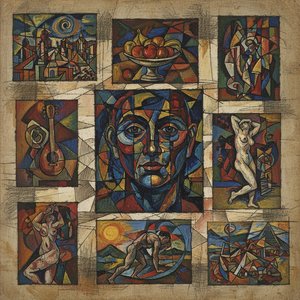 10 Arcydzieł Kubizmu Ekspresjonistycznego, które Zdefiniowały Sztukę | OriginalUniqueArtOdkryj 10 arcydzieł kubizmu ekspresjonistycznego! Poznaj historię Picasso, Braque'a i innych mistrzów. Inspiracje wnętrzarskie i reprodukcj…