

 Zobacz w skali 1:1
 Wyślij
 Udostępnij
 Szczegóły
 Przewodnik

 Pobierz plik obrazu
 Podobne obiekty
 RTG
RTG Pokaz slajdów
 Statystyki
The Last Evening


 Czytaj więcej
Giclée / Wydruk artystyczny
Wydruki giclée lub płótna o jakości muzealnej, szybka realizacja i szeroki wybór opcji wykończenia. ( Kup ręcznie malowany obraz Przełącz na wersję cyfrową)




P118B zł10

P118H zł10

P118W zł10

P438Z zł10

P508JH zł12

P508YH zł12

P805H zł10

P805Z zł10

P919BZ zł10

P919G zł10

P919XJ zł10

P959ZH zł10

P968JZ zł12

W106C zł8

W218G zł10

W218JH zł8

W218Y zł10

W307PJ zł10

W316G zł10

W316PJ zł8

W316Y zł10

W398PJ zł8

W4111J zł10

W500HY zł15

W500JH zł15

W692G zł12

W849H zł8

W940BG zł15

W953PJ zł8




Wybierz spośród naszych standardowych rozmiarów, które zachowują oryginalne proporcje dzieła sztuki.

Wpisz wymaganą szerokość i wysokość, aby dopasować grafikę do ramy lub ściany. Wydruk można jedynie przyciąć, nigdy nie powiększając go poza oryginalny obraz, dlatego format o innym proporcji spowoduje utratę części kompozycji. Przed rozpoczęciem druku prześlemy Ci cyfrowy podgląd do zatwierdzenia. Obraz wyświetlany na tej stronie nie pokazuje rzeczywistego przycięcia — jedynie podgląd oddaje ten efekt.
Dostawa na cały świat () w ciągu 2 tygodni zamiast standardowych 4/5 tygodni. (24 Październik)

Bezpłatna ekspresowa wysyłka na cały świat

Wysokiej jakości płótno lniane

Pełne ubezpieczenie transportowe

Gwarancja zwrotu należności celnych i podatków importowych

Gwarancja idealnego odwzorowania barw

100-dniowy okres na zwrot dzieła w przypadku wykrycia wad produkcyjnych

Gwarancja 100% zwrotu pieniędzy

Oferta przy zakupie wielu sztuk
 Opcja ze szkłem jest dostępna wyłącznie w rozmiarach poniżej 110 cm

The Last Evening
Giclée / Wydruk artystyczny
Rozmiar reprodukcji
-


Suma do zapłaty
zł 307
A Twilight Encounter on the High Seas
In the soft, amber glow of a fading day, James Jacques Joseph Tissot’s 1873 masterpiece, “The Last Evening,” invites us to step aboard a vessel suspended between the elegance of the Belle Éponque and the quiet melancholy of an approaching night. This exquisite oil on canvas is far more than a mere maritime scene; it is a meticulously choreographed tableau of Victorian social grace. As the sun dips below the horizon, Tissot captures a group of well-dressed individuals gathered upon a yacht, their figures bathed in a warm, atmospheric light that seems to vibrate with the very essence of a departing era. The painting presents a window into the Victorian soul, where the opulence of high society meets a profound, quiet contemplation of mortality.
The scene unfolds with an intimate, almost voyeuristic quality, drawing the viewer into a social gathering that feels both grand and deeply personal. Men are gathered around a table, engaged in conversation that carries the weight of unspoken significance, while a woman sits nearby, her presence adding a layer of grace and perhaps a touch of wistful observation to the group. There is a palpable sense of psychological realism here; Tissot eschews the grand, heroic narratives common to his time to focus instead on the quiet, flickering moments of human connection. The setting—a boat adrift in the twilight—serves as a powerful metaphor for the fleeting nature of life and the transient beauty of social splendor.
Mastery of Light and Texture
Tissot’s technical prowess is on full display through his masterful use of muted tones and atmospheric luminescence. Eschewing the vibrant, clashing palettes favored by many of his contemporaries, he employs a sophisticated range of browns, blues, and golds to create a sense of depth and solemnity. His technique involves a painstaking glazing method, applying thin, translucent layers of paint to achieve a remarkable textural richness. This allows light to penetrate the surface of the canvas, giving the fabrics of the figures' clothing—intricate patterns that hint at the influence of Japonisme—a luminous, lifelike quality.
While firmly rooted in the traditions of Victorian narrative painting, there are unmistakable echoes of Impressionism within his brushwork. The way the light interacts with the sea and the surrounding atmosphere suggests a preoccupation with the ephemeral. For the collector or interior designer, this duality makes the piece incredibly versatile; it possesses the formal dignity required for classical settings, yet its soft, atmospheric qualities allow it to integrate seamlessly into more modern, contemporary spaces. It is a work that does not merely decorate a wall but transforms the very mood of a room, offering a sense of calm, historical depth, and sophisticated elegance.
A Legacy of Elegance and Reflection
To possess a reproduction of “The Last Evening” is to hold a piece of history that bridges the gap between French brilliance and British Victorian tradition. Tissot, born in Nantes but deeply connected to the London art scene, had a unique ability to capture the fashion and social nuances of his time with unparalleled precision. Every fold of fabric and every shadow cast by the setting sun tells a story of a world on the brink of massive industrial and societal change.
The emotional impact of the painting lies in its ability to evoke nostalgia—not just for a specific historical period, but for the universal human experience of witnessing beauty fade. It is an ideal selection for those seeking art that inspires conversation and provides a focal point of quiet reflection. Whether placed in a grand library, a sophisticated dining room, or a serene study, this painting serves as a timeless reminder of the grace found in life's most fleeting moments.
Pytania i odpowiedzi
W jakim pomieszczeniu najlepiej wyeksponować "The Last Evening", biorąc pod uwagę jego paletę barw?
Kolorystyka Neutrals w dziele „The Last Evening” autorstwa James Tissot idealnie współgra z rekomendowanym wnętrzem: Living Room.
Jakiej kolorystyki używa "The Last Evening"?
Paleta dzieła „The Last Evening” autorstwa James Tissot jest opisywana jako Neutrals. Stanowi ona zwięzłe zestawienie barw użytych w pracy.
Do jakiego pomieszczenia polecane jest dzieło „The Last Evening” autorstwa James Tissot?
Zalecaną przestrzenią dla „The Last Evening” autorstwa James Tissot jest Living Room. Sugestia ta może zostać oczywiście dostosowana do Twojego wnętrza.
Biografia artysty
Early Life and Artistic Beginnings
Jacques Joseph Tissot, urodzony 15 października 1836 roku w Nantes, Francja, był od najmłodszych lat skazany na życie zanurzone w pasji artystycznej. Jego ojciec, kupiec tkanin, zaszczepił w nim cenne umiejętności rzemieślnicze i dbałość o szczegóły – cechy, które głęboko ukształtowały jego wizję artystyczną. Jednocześnie jego matka, kapelmistrzyni, rozbudziła w nim wrażliwość na piękno i modę, wprowadzając go do tętniącego życiem świata paryskiego towarzystwa. Pomimo obowiązków rodzinnych, Tissot nieustannie dążył do realizacji swoich ambicji artystycznych, zapisując się w École des Beaux-Arts w Paryżu, gdzie pod okiem wybitnych nauczycieli – Ingresa, Flandrina i Lamothe – doskonalił swoje umiejętności. Ten formatywny okres umocnił jego zaangażowanie w malarstwo jako powołanie i solidnie ugruntował jego pozycję w wpływowej paryskiej scenie artystycznej.The Salon Years and Recognition
Debiuta Tissota na Salonie w Paryżu w 1861 roku stanowił przełomowy moment – ujawnienie “Spotkania Fausta i Markuty,” dramatycznej sceny, która oczarowała publiczność i wzbudziła uznanie krytyków. Dzieło to zostało zakupione przez państwo i wystawione w Galerii Luksemburskiej, sygnalizując rosnącą reputację Tissota jako malarza zdolnego do uchwycenia złożonych narracji i przekazywania głębokich emocji. Kolejne wystawy na Salonie umocniły jego pozycję w środowisku artystycznym, prezentując ewoluujący styl i przyciągając zamówienia od wpływowych mecenasów. Wczesne sukcesy wzmocniły jego pewność siebie i napędziły go do eksplorowania nowych tematów i technik – ścieżka, która ostatecznie zdefiniowała jego błyskotliwą karierę.Genre Painting and Parisian Society
Artystyczny przełom Tissota nastąpił wraz z serią “La Femme à Paris,” precyzyjnym odwzorowaniem demi-mondain świata paryskiego końca XIX wieku. Obrazy te, charakteryzujące się lśniącymi paletami kolorów i mistrzowskim oddaniem faktur – szczególnie tkanin – stały się synonimem uchwycenia uroku i dynamiki paryskiego życia towarzyskiego. Tissot’s meticulous attention to detail extended beyond mere visual representation; he sought to convey not only appearances but also psychological nuances, reflecting the anxieties and aspirations of his subjects. His work stands as a testament to Impressionistic influences blended with realism, offering an unparalleled glimpse into the social customs and artistic sensibilities of the Belle Époque.Biblical Themes and Japonisme
Przez całą swoją produktywną twórczość Tissot przyjmował różnorodne inspiracje artystyczne – od średniowiecznych narracji po tematy biblijne – demonstrując imponującą wszechstronność. Jego przedstawienia religijne, nacechowane duchową głębią i emocjonalnym oddźwiękiem, pokazywały jego zdolność do podnoszenia opowiadania wizualnego na poziom głębokiej kontemplacji. Jednocześnie był on zafascynowany Japonizmem – fascynacją sztuką i estetyką japońską, która przetoczyła się przez Europę w okresie Wiktorii – widocznym w kompozycjach nasyconych asymetrycznymi układami i subtelnymi harmoniami kolorystycznymi inspirowanymi japońskimi drukami. Ta stylistyczna fuzja podkreślała intelektualną ciekawość Tissota i jego gotowość do eksperymentowania z innowacyjnymi podejściami artystycznymi.Later Years and Legacy
Życie Tissota przyjęło dramatyczny obrót, gdy wcielił się w służbę w Franco-Prussian War, służąc po stronie francuskiej – doświadczenie, które bez wątpienia ukształtowało jego światopogląd. Po zakończeniu wojny i jej konsekwencjach, przeniósł się do Londynu, gdzie podjął się pracy jako grafik, współpracując z Sir Seymourem Hadem i doskonalił swoje umiejętności artystyczne poprzez portrety i karykatury dla Vanity Fair. Jego relacja z Kathleen Newton rozwinęła się w pasjonujące towarzystwo, zapewniając mu trwałe źródło inspiracji dla wielu obrazów. Tragiczna śmierć Kathleen w 1882 roku – głęboka strata, która dotknęła twórczości Tissota – stanowiła punkt zwrotny w jego życiu. Pomimo tej smutnej strony, kontynuował on produkcję wyjątkowych dzieł sztuki aż do swojej śmierci w 1902 roku. Dziedzictwo Jacquesa Josepha Tissota znajduje się dzisiaj w muzeach na całym świecie – przede wszystkim w Musée National Jean-Jacques Henner w Paryżu – gdzie jego słynne obrazy nadal inspirują podziw dla ich artystycznej doskonałości i sugestywnego przedstawienia życia wiktoriańskiego i wiary. Jego trwała wpływ na malarstwo gatunkowe i impresjonizm zapewnia mu miejsce wśród najbardziej wybitnych francuskich artystów XIX wieku.
James Tissot
1836 - 1902 , Francja
Najważniejsze informacje
- Artistic Movement Or Style: Pittura di genere
- Artists Or Movements Influenced By This Artist: ['Impressionismo']
- Artists Who Influenced This Artist:
- Ingres
- Courbet
- Date Of Birth: 15 października 1836
- Date Of Death: 8 sierpnia 1902
- Full Name: Jacques Joseph Tissot
- Nationality: Francuz
- Notable Artworks:
- Spotkanie Faustusa i
- Margarety
- Place Of Birth: Nantes, Francja
Zobacz także powiązane artykuły

Sir Alfred James Munnings: 25 Arcydzieł Malarstwa Koni i Angielskiej Wsi | OriginalUniqueArt.com
Odkryj 25 arcydzieł Sir Alfreda Jamesa Munningsa – mistrza malarstwa koni i angielskiego krajobrazu. Poznaj historię, technikę i piękno jego obrazów. Reprodukcje najwyższej jakości na OriginalUniqueArt.com! Eksploruj pełną kolekcję online.
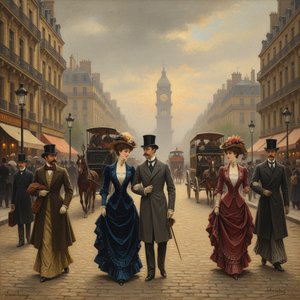
Jacques Joseph Tissot: A Chronicle of Parisian Life & Narrative Evolution
Explore the captivating world of Jacques Joseph Tissot, a master painter of Belle Époque society. Discover his realism, Impressionistic style, and lasting influence on art history. Learn more at OriginalUniqueArt.
Od wstępnego szkicu do trwałego dziedzictwa: Kompleksowa eksploracja procesu reprodukcji obrazu olejnego
Odkryj sztukę reprodukcji obrazów olejnych tworzonych ręcznie przez profesjonalnych artystów. Wysoka jakość, personalizacja i wierne odwzorowanie Twoich ulubionych dzieł. Zamów teraz!
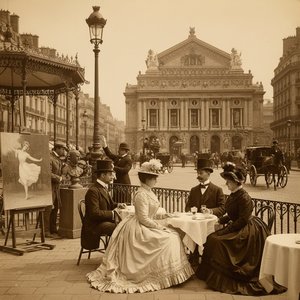
Echoes of 1882: Art, Culture & the Belle Époque's Lasting Impression
Explore the art & culture of the Belle Époque! Discover Impressionism, Realism, and iconic Parisian paintings from Degas, Béraud & more. High-quality reproductions at OriginalUniqueArt.

James Abbott McNeill Whistler: 25 Arcydzieł Sztuki Pejzażowej i Portretowej | OriginalUniqueArt
Odkryj 25 arcydzieł Jamesa Abbotta McNeilla Whistler'a! Poznaj historię impresjonistycznych pejzaży, portretów i słynnych 'Nokturnów'. Reprodukcje obrazów najwyższej jakości na OriginalUniqueArt.com – inspiracje dla Twojego wnętrza.