Zobacz w skali 1:1
 Wyślij
 Udostępnij
 Szczegóły
 Przewodnik

 Pobierz plik obrazu
 Podobne obiekty
 RTG
RTG Pokaz slajdów
 Statystyki
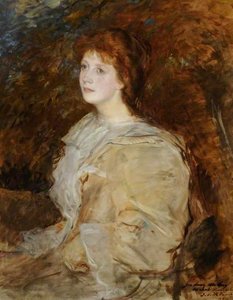
Jeanne
 Oil On Canvas
- WallArt
- Belle Époque Impressionism
 1901
1901- 19th Century
 Dublin City Gallery The Hugh Lane
 Czytaj więcej
Giclée / Wydruk artystyczny
Wydruki giclée lub płótna o jakości muzealnej, szybka realizacja i szeroki wybór opcji wykończenia. ( Kup ręcznie malowany obraz Przełącz na wersję cyfrową)




P118B zł10

P118H zł10

P118W zł10

P438Z zł10

P508JH zł12

P508YH zł12

P805H zł10

P805Z zł10

P919BZ zł10

P919G zł10

P919XJ zł10

P959ZH zł10

P968JZ zł12

W106C zł8

W218G zł10

W218JH zł8

W218Y zł10

W307PJ zł10

W316G zł10

W316PJ zł8

W316Y zł10

W398PJ zł8

W4111J zł10

W500HY zł15

W500JH zł15

W692G zł12

W849H zł8

W940BG zł15

W953PJ zł8




Wybierz spośród naszych standardowych rozmiarów, które zachowują oryginalne proporcje dzieła sztuki.

Wpisz wymaganą szerokość i wysokość, aby dopasować grafikę do ramy lub ściany. Wydruk można jedynie przyciąć, nigdy nie powiększając go poza oryginalny obraz, dlatego format o innym proporcji spowoduje utratę części kompozycji. Przed rozpoczęciem druku prześlemy Ci cyfrowy podgląd do zatwierdzenia. Obraz wyświetlany na tej stronie nie pokazuje rzeczywistego przycięcia — jedynie podgląd oddaje ten efekt.
Dostawa na cały świat () w ciągu 2 tygodni zamiast standardowych 4/5 tygodni. (21 Październik)

Bezpłatna ekspresowa wysyłka na cały świat

Wysokiej jakości płótno lniane

Pełne ubezpieczenie transportowe

Gwarancja zwrotu należności celnych i podatków importowych

Gwarancja idealnego odwzorowania barw

100-dniowy okres na zwrot dzieła w przypadku wykrycia wad produkcyjnych

Gwarancja 100% zwrotu pieniędzy

Oferta przy zakupie wielu sztuk
 Opcja ze szkłem jest dostępna wyłącznie w rozmiarach poniżej 110 cm

Jeanne
Giclée / Wydruk artystyczny
Rozmiar reprodukcji
-


Suma do zapłaty
zł 304
An Encounter with Elegance: The Allure of Jeanne
In the soft, amber glow of the Belle Époque, Jacques-Émile Blanche captures a moment of quiet, poised intimacy in his masterpiece, Jeanne. This full-length portrait serves as more than just a likeness; it is a window into the sophisticated atmosphere of early 20th-century Parisian society. The subject, Jeanne, stands with a graceful presence that commands the viewer's attention, her figure positioned with a subtle, off-center balance that breathes life and movement into the composition. Clad in the fashionable attire of her era, she wears a striking reddish-brown jacket that anchors the painting, while a delicate pink ribbon nestled in her hair provides a tender, luminous focal point. The presence of shadowy figures in the background suggests a larger, bustling world just out of focus, yet all attention remains tethered to the quiet dignity of the woman at the center.
The artistry of Blanche is revealed through his masterful command of Impressionistic Realism, a style that marries precise observation with an evocative, atmospheric touch. He avoids harsh outlines, choosing instead to define the contours of Jeanne’s form through subtle shifts in tone and value. This technique creates a sense of organic fluidity, where the fabric of her clothing and the soft curves of her silhouette seem to emerge naturally from the darkness. The lighting, appearing to emanate from an unseen source to the left, casts a gentle radiance across her face and upper body, leaving much of the background in a mysterious, velvety shadow. This dramatic use of chiaroscuro not only adds depth to the canvas but also imbues the portrait with a psychological weight, inviting the observer to wonder about the thoughts behind Jeanne's steady gaze.
A Timeless Addition to the Sophisticated Interior
For the discerning collector or interior designer, Jeanne offers an unparalleled opportunity to introduce a sense of historical grandeur and warmth into a contemporary space. The color palette—a rich tapestry of deep reds, earthy browns, and muted pinks set against a profound, dark backdrop—possesses a versatile elegance that complements both classical and modern decor. The painting’s texture, characterized by visible yet refined brushstrokes, lends a tactile quality that celebrates the tradition of oil on canvas. It is a piece that does not merely hang on a wall; it anchors a room, providing a sophisticated focal point that evokes the romanticism of a bygone era.
Beyond its aesthetic beauty, the painting carries an emotional resonance that speaks to the enduring human desire for connection and grace. To possess a reproduction of this work is to invite the spirit of the French Impressionist movement into one's home—a celebration of light, shadow, and the quiet majesty of the individual. Whether placed in a sunlit gallery or a moody, library-style study, Jeanne serves as an enduring testament to the skill of Jacques-Émile Blanche and the timeless allure of the Belle Époque.
Pytania i odpowiedzi
Jaki jest dominujący kolor w „Jeanne” autorstwa Jacques-Émile Blanche?
Dominującym kolorem dzieła „Jeanne” autorstwa Jacques-Émile Blanche jest Phthalo Green (#2c1a12).
W jaki sposób nurt i epoka przenikają się w „Jeanne” autorstwa Jacques-Émile Blanche?
W „Jeanne” autorstwa Jacques-Émile Blanche nurt Belle Époque Impressionism łączy się z epoką – Wiek XIX.
Czy istnieje przewodnik dla „Jeanne” autorstwa Jacques-Émile Blanche?
Strona Przewodnik dzieła „Jeanne” autorstwa Jacques-Émile Blanche oferuje dwustronicową kartę informacyjną w formacie do druku: samo dzieło wraz z tabelą identyfikacyjną, oś czasu umieszczającą je w latach życia artysty, inne prace tego twórcy, zmierzoną paletę kolorystyczną oraz gotowe do skopiowania cytaty w czterech stylach.
Biografia artysty
Wczesne życie i edukacja
Jacques-Émile Blanche, urodzony w Paryżu 1 stycznia 1861 roku, pochodził z rodziny lekarzy, co odcisnęło silny wpływ na jego późniejsze życie. Jego ojciec, Émile Blanche, był wybitnym patologiem, a jego matka, Félicie, była osobą o silnych przekonaniach i dbała o zdrowie syna. Blanche dorastał w bogatej dzielnicy Passy, otoczony luksusowymi domami i znanymi artystami – to właśnie tam, wśród tych wpływowych środowisk, młody Jacques-Émile zaczął kształtować swoje wrażenia i zainteresowania. Jego ojciec, wspierając jego ambicje artystyczne, zapewnił mu dostęp do towarzystw literackich i artystycznych, gdzie mógł spotykać takich postaci jak Jules Michelet czy Charles Renouvier. Wśród tych rozmów i inspiracji, Blanche poznał również wielu malarzy, w tym Edmunda Maneta, który miał później ogromny wpływ na jego styl i wizję artystyczną. Wychowanie w domu, gdzie panował dbałość o zdrowie i regularne spotkania z wybitnymi osobami, dało mu unikalne doświadczenie, które kształtowało jego charakter i podejście do sztuki.Rozwój artystyczny i styl
Blanche nie ukończył żadnej oficjalnej szkoły artystycznej, co w tamtych czasach było dość nietypowe. Zamiast tego, uczył się głównie samodzielnie, pod okiem takich malarzy jak Henri Gervex i Pierre-Auguste Renoir. Jego styl, choć inspirowany przez wielu prekursorów, szybko zyskał unikalny charakter. Blanche czerpał inspirację z 18-wiecznych angielskich malarzy, takich jak Thomas Gainsborough, a także od Edmunda Maneta i Jamesa McNeilla Whistlera – artystów, którzy podziwiał za ich umiejętność oddawania prawdy w portretach i krajobrazach. Jego obrazy charakteryzowały się luźną fakturą pędzla, ograniczoną paletą barw i wrażliwością na emocje – to właśnie te cechy sprawiły, że jego portrety, takie jak "Portret Marcela Prousta", zyskały uznanie za swoją subtelność i głębię. Blanche eksperymentował z różnymi technikami, łącząc tradycję z nowoczesnością, tworząc obrazy, które odzwierciedlały ducha epoki Belle Époque.Praca w Paryżu i Londynie
Blanche spędził znaczną część swojej kariery artystycznej w Paryżu, gdzie wystawiał swoje prace na Salonie i w innych renomowanych towarzystwach sztuki. Jednakże, w 1870 roku, z powodu wojny francusko-pruskiej, przeniósł się do Londynu, gdzie spędził wiele lat. W Anglii, Blanche nawiązał kontakty z innymi artystami i intelektualistami, a także stworzył serię obrazów przedstawiających londyńskie widoki – "Londyńskie Widoki". Jego praca w Londynie była silnie inspirowana angielskim krajobrazem i atmosferą miasta. Blanche był obserwatorem życia towarzyskiego Paryża i Londynu, co znalazło odzwierciedlenie w jego portretach arystokracji i celebrytów. Jego umiejętność uchwycenia charakteru i osobowości swoich modeli była niezwykle ceniona przez jego klientów i krytyków.Znaczenie i dziedzictwo
Jacques-Émile Blanche zmarł 30 września 1942 roku w Offranville, pozostawiając po sobie bogate dziedzictwo artystyczne. Jego obrazy, znajdujące się w kolekcjach muzeów na całym świecie – od Musée d’Orsay w Paryżu po Metropolitan Museum of Art w Nowym Jorku – świadczą o jego talentu i wpływie na sztukę epoki. Blanche był malarzem, pisarzem i krytykiem, który łączył w sobie różne dziedziny sztuki i kultury. Jego twórczość odzwierciedlała ducha swojej epoki, łącząc tradycję z nowoczesnością i wyrażając głębokie emocje i wrażenia. Blanche pozostaje ważnym przedstawicielem impresjonizmu francuskiego, a jego obrazy inspirują kolejne pokolenia artystów i miłośników sztuki. Jego portrety, charakteryzujące się subtelnością i wrażliwością, są świadectwem jego umiejętności i talentu.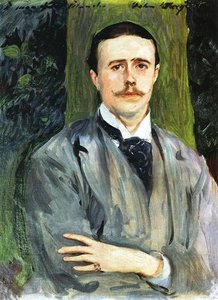
Jacques-Émile Blanche
1861 - 1942 , Francja
Najważniejsze informacje
- Artistic Movement Or Style: Impresjonizm
- Artists Or Movements Influenced By This Artist: ['Thomas Gainsborough']
- Artists Who Influenced This Artist:
- Edouard Manet
- James Whistler
- Date Of Birth: 1 stycznia 1861
- Date Of Death: 30 września 1942
- Full Name: Jacques Émile Blanche
- Nationality: Francuz
- Notable Artworks:
- Kreutzer Sonata
- Portret Marcela Prousta
- Place Of Birth: Paryż, Francja
Zobacz także powiązane artykuły
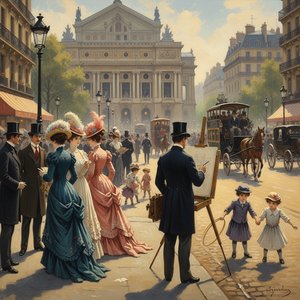
Jean-Georges Béraud: Capturing Parisian Life in the Belle Époque
Explore the captivating world of Jean-Georges Béraud, master painter of Belle Époque Paris. Discover his iconic scenes, artistic evolution, and social commentary. A deep dive into 19th-century French art.

Echoes of 1875: Art, Culture & the Belle Époque's Pivotal Moment
Explore the art & culture of 1875 Paris – a pivotal year for Impressionism & the Belle Époque. Discover Degas, Béraud, Stewart & more with OriginalUniqueArt's expert insights.

Giovanni Boldini: A Study in Belle Époque Portraiture & the Cult of Personality
Explore the captivating world of Giovanni Boldini, master of Belle Époque portraiture. Discover his signature style, iconic works like 'Miss Bell,' and lasting influence on art history. Expert analysis for collectors.
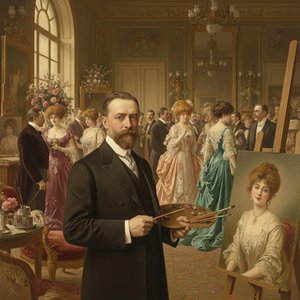
Jacques-Émile Blanche: Capturing Belle Époque Society & the Cult of Personality
Explore the captivating portraits of Jacques-Émile Blanche, a master Impressionist who captured the essence of Belle Époque society in Paris and London. Discover his unique style & lasting legacy.
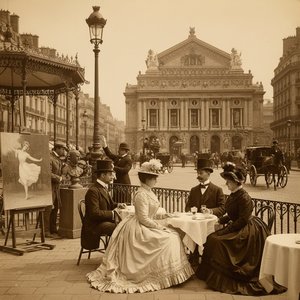
Echoes of 1882: Art, Culture & the Belle Époque's Lasting Impression
Explore the art & culture of the Belle Époque! Discover Impressionism, Realism, and iconic Parisian paintings from Degas, Béraud & more. High-quality reproductions at OriginalUniqueArt.