
 Podgląd w skali
 Wyślij jako kartkę
 Udostępnij
 Szczegóły dzieła

 Pobierz
 Podobne obiekty
 RTG
RTG Pokaz slajdów
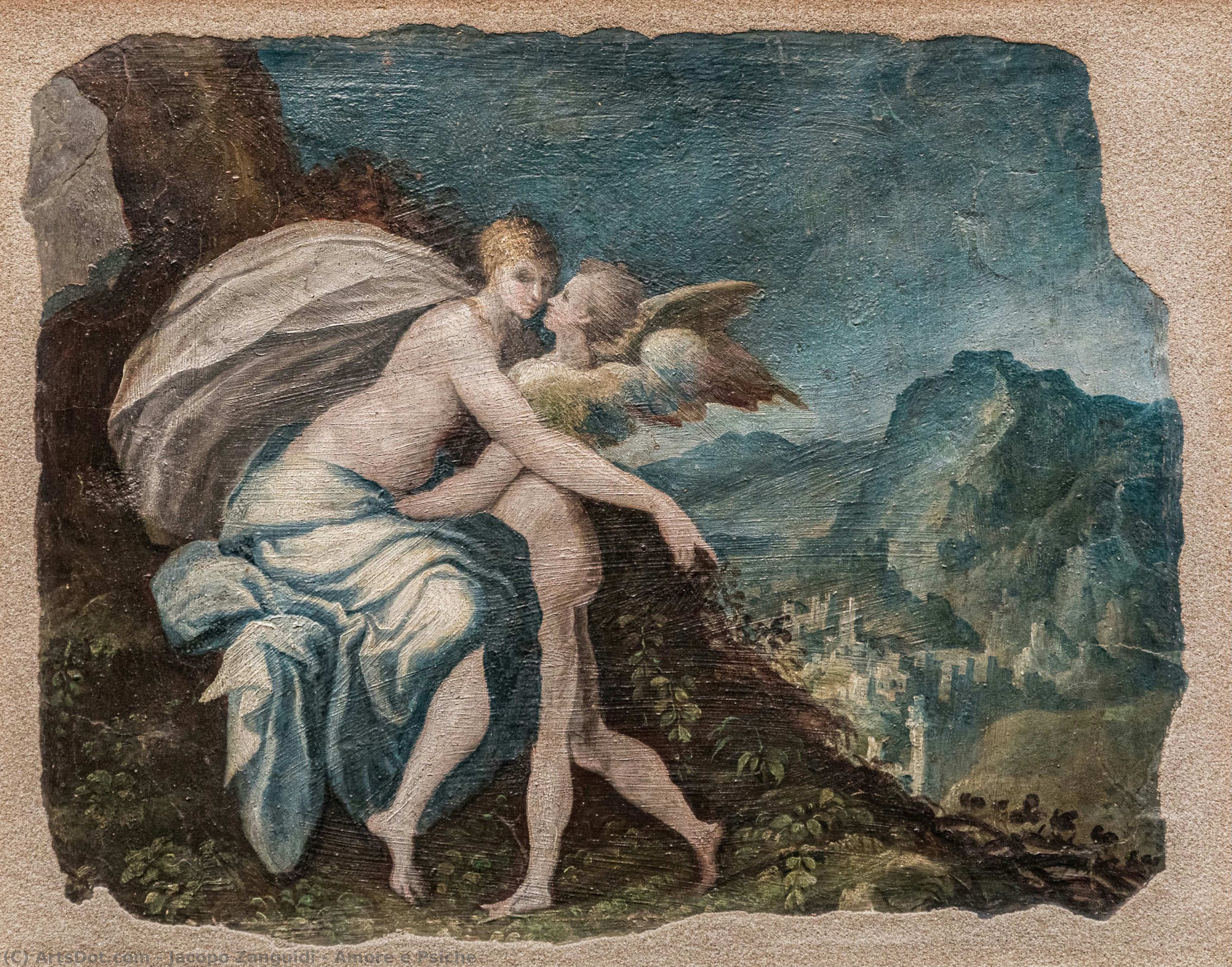
Amore e Psiche

 Rozwiń treść
Ręcznie malowana reprodukcja olejowa
Ręcznie malowany obraz olejny na płótnie, wykonany na zamówienie przez naszych artystów w wybranym przez Ciebie wymiarze i oprawie. ( Zamów wydruk Przełącz na obraz)




































Wybierz spośród naszych standardowych rozmiarów, które zachowują oryginalne proporcje dzieła sztuki.

Możesz wprowadzić własne wymiary, aby dopasować obraz do konkretnej ramy lub przestrzeni. Jeśli wybrany rozmiar nie będzie odpowiadał proporcjom oryginału, przytniecie dzieło sztuki lub rozszerzymy je o dodatkowe elementy, ręcznie domalowane przez artystę. Przed rozpoczęciem produkcji wyślemy projekt cyfrowy do Twojej akceptacji.
Należy pamiętać, że podgląd na ekranie nie odzwierciedla rzeczywistego przycinania ani rozszerzania obrazu. Tylko projekt dokładnie pokaże ostateczną kompozycję.
Choć oferujemy możliwość zamówienia niestandardowych rozmiarów, zalecamy wybór wymiaru z gotowej listy, aby zachować oryginalne proporcje dzieła.
Po złożeniu zamówienia zespół OriginalUniqueArt.com skontaktuje się z klientem drogą mailową w celu uzyskania instrukcji i prześle wizualizację projektu
Dostawa na całym świecie () w ciągu 3–4 tygodni zamiast standardowych 5 tygodni. (7 Sierpień). Bez kompromisów w kwestii jakości.

Bezpłatna ekspresowa wysyłka na cały świat

Wysokiej jakości płótno lniane

Pełne ubezpieczenie przesyłki

Gwarancja zwrotu należności celnych i podatków importowych

Gwarancja wiernego odwzorowania kolorów

Polityka 60-dniowego zwrotu (tylko w przypadku wad)

Gwarancja 100% zwrotu kosztów

Zniżka przy zamówieniu wielu produktów
 Opcja ze szkłem jest dostępna wyłącznie w rozmiarach poniżej 110 cm

Amore e Psiche
Technika reprodukcji
Wymiary reprodukcji
-


Cena całkowita
$ 300
O artyście
Jacopo Zangiardi: A Paragon of Parma’s Renaissance Splendor
Jacopo Zangiardi, also known as il Bertoja (1544 – ca. 1578), stands as a cornerstone figure within the vibrant School of Parma—a regional manifestation of Italian Renaissance art that flourished in Emilia-Romagna during the mid-sixteenth century. Born in Parma, Italy, Zangiardi’s artistic journey coincided with an era defined by humanist ideals and breathtaking architectural innovation, shaping his oeuvre into a testament to both stylistic refinement and profound spiritual contemplation. While biographical details remain somewhat sparse—primarily gleaned from archival records—his legacy endures through the monumental frescoes adorning churches and palaces across Parma and beyond, cementing his place as one of the most celebrated painters of his time.- Early Life & Training: Precise information regarding Zangiardi’s formative years is elusive. However, he was apprenticed to Giovanni Battista Dolce in Parma, absorbing the stylistic precepts of Dolce’s workshop—characterized by a meticulous attention to detail and an embrace of classical influences. This training undoubtedly instilled within him a foundational understanding of disegno (drawing) and perspectiva (linear perspective), crucial elements for achieving artistic mastery.
- The School of Parma: Zangiardi's association with Dolce propelled him into the orbit of Parmigianino, Andrea Cerri, and Battista Brustoloncelli—artists who collectively championed a distinctive aesthetic that diverged subtly from Florence’s dominant Mannerist style. Unlike the exaggerated poses and distorted proportions favored by Florentine painters like Bronzino, Parma’s School prioritized clarity of form and harmonious color palettes, reflecting the humanist desire for rational beauty.
- Notable Frescoes & Artistic Style: Zangiardi achieved renown primarily through his monumental frescoes—particularly ‘Aetas Felicior Hall,’ commissioned for the Crystal Palace in London during the Great Exhibition of 1851. This ambitious project showcased Zangiardi’s unparalleled skill in illusionistic painting, employing masterful techniques to create immersive landscapes and architectural vistas that captivated audiences worldwide. His style is marked by a serene elegance, imbued with luminous colors and delicately rendered drapery—a hallmark of Parma’s artistic tradition.
Key Achievements & Artistic Influences
Zangiardi's artistic vision was profoundly shaped by the humanist spirit of his era, mirroring the intellectual currents that propelled advancements in science and philosophy. He drew inspiration from classical sculpture and architecture, incorporating idealized forms and harmonious compositions into his paintings. Furthermore, Zangiardi’s work demonstrates a notable sensitivity to Venetian painting—particularly Tintoretto's dramatic chiaroscuro—though he tempered Venetian exuberance with Parma’s characteristic restraint. The influence of Andrea Cerri is evident in Zangiardi’s meticulous attention to detail and compositional balance.Legacy & Historical Significance
Jacopo Zangiardi’s contribution to the artistic landscape of the sixteenth century transcends mere stylistic innovation; he embodies the humanist ideals that underpinned Renaissance culture. His frescoes—particularly ‘Aetas Felicior Hall,’ stand as enduring symbols of Parma’s grandeur and artistic prowess, captivating viewers centuries later with their breathtaking beauty and technical virtuosity. As a representative of the School of Parma, Zangiardi helped to establish a distinct regional aesthetic—one characterized by clarity, harmony, and luminous color—leaving an indelible mark on Italian Renaissance art history. His enduring fame testifies to the power of artistic excellence to transcend temporal boundaries and inspire admiration across generations.Further Exploration
For deeper insights into Jacopo Zangiardi’s life and work, consult resources such as Wikipedia (
jacopo zanguidi
1544 - 1578 , Italy
Krótka nota
- Artistic Movement Or Style: Parmese School Renaissance
- Artists Or Movements Influenced By This Artist: ['Jacopo Bassano']
- Date Of Birth: 1544 Parma Italy
- Date Of Death: ca. 1578 Parma Italy
- Full Name: Jacopo Zangiardi
- Nationality: Italian
- Notable Artworks: ['Aetas Felicior Hall']
- Place Of Birth: Parma Italy

