Zobacz w skali 1:1
 Wyślij
 Udostępnij
 Szczegóły
 Przewodnik

 Pobierz plik obrazu
 Podobne obiekty
 RTG
RTG Pokaz slajdów
 Statystyki
Zima
 Farba olejna
- Sztuka ścienna
- Manieryzm
 1564
1564- Renesans
 90.0 x 90.0 cm
 Scuola Grande di San Rocco
 Czytaj więcej
Giclée / Wydruk artystyczny
Wydruki giclée lub płótna o jakości muzealnej, szybka realizacja i szeroki wybór opcji wykończenia. ( Kup ręcznie malowany obraz Przełącz na wersję cyfrową)




P118B zł10

P118H zł10

P118W zł10

P438Z zł10

P508JH zł12

P508YH zł12

P805H zł10

P805Z zł10

P919BZ zł10

P919G zł10

P919XJ zł10

P959ZH zł10

P968JZ zł12

W106C zł8

W218G zł10

W218JH zł8

W218Y zł10

W307PJ zł10

W316G zł10

W316PJ zł8

W316Y zł10

W398PJ zł8

W4111J zł10

W500HY zł15

W500JH zł15

W692G zł12

W849H zł8

W940BG zł15

W953PJ zł8




Wybierz spośród naszych standardowych rozmiarów, które zachowują oryginalne proporcje dzieła sztuki.

Wpisz wymaganą szerokość i wysokość, aby dopasować grafikę do ramy lub ściany. Wydruk można jedynie przyciąć, nigdy nie powiększając go poza oryginalny obraz, dlatego format o innym proporcji spowoduje utratę części kompozycji. Przed rozpoczęciem druku prześlemy Ci cyfrowy podgląd do zatwierdzenia. Obraz wyświetlany na tej stronie nie pokazuje rzeczywistego przycięcia — jedynie podgląd oddaje ten efekt.
Dostawa na cały świat () w ciągu 2 tygodni zamiast standardowych 4/5 tygodni. (22 Październik)

Bezpłatna ekspresowa wysyłka na cały świat

Wysokiej jakości płótno lniane

Pełne ubezpieczenie transportowe

Gwarancja zwrotu należności celnych i podatków importowych

Gwarancja idealnego odwzorowania barw

100-dniowy okres na zwrot dzieła w przypadku wykrycia wad produkcyjnych

Gwarancja 100% zwrotu pieniędzy

Oferta przy zakupie wielu sztuk
 Opcja ze szkłem jest dostępna wyłącznie w rozmiarach poniżej 110 cm

Zima
Giclée / Wydruk artystyczny
Rozmiar reprodukcji
-


Suma do zapłaty
zł 307
Blask pośród cieni
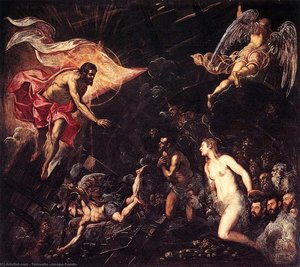
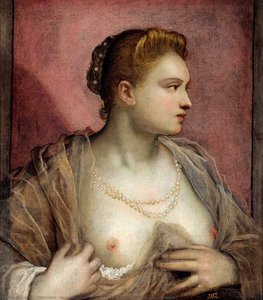
W głębokiej ciszy Zimy Jacopo Tintoretta, z otchłani ciemności wyłania się pojedyncza, świetlista obecność. Widz natychmiast staje przed widokiem delikatnego anielskiego niemowlęcia, którego blada, porcelanowa skóra działa jak latarnia na tle pustki głębokich, aksamitnych cieni. Ten uderzający kontrast nie jest jedynie wizualnym trikiem, lecz prawdziwym mistrzostwem chiaroscuro – techniki, która zdefiniowała epoki weneckiego baroku i manieryzmu. Dziecię siedzi wtulone w ziemię, z dłońmi złożonymi w geście cichej kontemplacji, podczas gdy skrzydła miękko rozpościerają się po obu stronach, sugerując chwilę odpoczynku w ogromnym, niewidocznym świecie. Wyczuwalna jest tu niezaprzeczalna czystość i kruchość, ulotne spojrzenie na niewinność uwięzioną w ciężkiej, atmosferycznej mgle otaczającego mroku.Energiczna kreska Il Furioso
Aby zrozumieć duszę tego dzieła, należy przyjrzeć się człowiekowi stojącemu za pędzlem. Jacopo Tintoretto, o którym w historii sztuki mówi się szeptem jako Il Furacja, wniósł na płótno bezprecedensową, niemal niespokojną energię. W przeciwieństwie do bardziej dopracowanych i łagodnych przejść widocznych w dziełach jego współczesnych, ręka Tintorettiego jest wyczuwalna w każdym szybkim, zdecydowanym pociągnięciu. W Zimie technika ta objawia się jako namacalna tekstura, która tchnie życie w postać anioła. Sposób, w jaki światło tańczy na miękkich krzywiznach ciała dziecka, odzwierciedla jego legendarną zdolność do manipulowania światłem i cieniem w celu budowania dramatyzmu. To dzieło, datowane na około 1564 rok, ukazuje artystę u szczytu jego możliwości, wykorzystującego napięcie między nieskazitelną bielą ciała a napierającą ciemnością, by opowiedzieć historię życia trwającego mimo mrozu.Ewokatywny dodatek do starannie urządzonej przestrzeni
Dla wymagającego kolekcjonera lub projektanta wnętrz, Zima oferuje coś więcej niż tylko znaczenie historyczne; stanowi ona emocjonalną kotwicę dla każdego wyrafinowanego otoczenia. Kompozycja obrazu — centralna, zrównoważona, a jednocześnie intensywnie dramatyczna — pozwala mu przyciągać uwagę bez przytłaczania pomieszczenia. Paleta głębokich czerni i świetlistych bieli pięknie komponuje się z nowoczesnymi, minimalistycznymi lub klasycznymi dekoracjami, pełniąc rolę punktu centralnego, który zaprasza do introspekcji i rozmowy.- Rezonans emocjonalny: Dzieło przywołuje głębokie poczucie pokoju i duchowej lekkości pośród złożoności świata.
- Wszechstronna estetyka: Jego dramatyczne chiaroscuro doskonale uzupełnia zarówno współczesne galerie sztuki, jak i tradycyjne, bogato zdobione gabinety.
- Ponadczasowy urok: Wysokiej jakości reprodukcja tego arcydzieła wnosi splendor i dramatyzm weneckiego renesansu prosto do serca nowoczesnego domu.
Pytania i odpowiedzi
W jaki sposób mogę uzyskać plik cyfrowy dzieła „Zima” autorstwa Jacopo Tintoretto?
Cyfrowy obraz dzieła „Zima” autorstwa Jacopo Tintoretto można zakupić na jego stronie Obraz cyfrowy: wysokiej rozdzielczości cyfrowe zdjęcie do pobrania.
Czy "Zima" to słynne dzieło należące do nurtu Manieryzm?
W ramach nurtu Manieryzm, dzieło „Zima” cechuje się poziomem popularności Ikoniczne.
Jak mogę odkryć dzieła zbliżone do „Zima” autorstwa Jacopo Tintoretto?
Dzieła podobne do „Zima” znajdują się na stronie Podobne dzieła danego dzieła.
Biografia artysty
A Venetian Master of Drama and Light
Jacopo Tintoretto, born Jacopo Robusti in Venice around 1518, remains one of the most compelling and enigmatic figures of the High Renaissance and early Baroque periods. His very nickname, “Tintoretto” – little dyer – speaks to his family’s trade, yet it belies the immense artistry that would distinguish him from all others. Unlike many artists who benefited from structured apprenticeships, Tintoretto's path was largely self-directed, fueled by an insatiable curiosity and a relentless drive for innovation. While accounts suggest a brief and unsuccessful stint under Titian, the acknowledged master of Venetian colorism, it seems the experience proved more contentious than formative. Titian’s alleged dismissal of the young Jacopo – whether due to jealousy or artistic disagreement – spurred Tintoretto toward an independent course, one characterized by audacious experimentation and a uniquely dynamic style. He immersed himself in anatomical study, reportedly through dissection, and honed his skills by meticulously copying classical sculpture and the works of other masters. This dedication laid the foundation for a career that would redefine Venetian painting.Forging a Distinctive Style: *Il Furioso*
Tintoretto’s artistic development was marked by an almost feverish energy, earning him another evocative nickname: *Il Furioso* – “the Furious One.” This moniker wasn't merely descriptive of his working pace but also captured the intensity and emotional charge that permeated his canvases. His early works already hinted at a departure from traditional Venetian conventions. While acknowledging Titian’s influence in color, Tintoretto gravitated towards Michelangelo’s powerful figures and dramatic compositions. He synthesized these influences into something entirely new: a style characterized by elongated forms, swirling draperies, and an innovative use of perspective that often created a sense of dizzying depth and movement. He abandoned the meticulous finish favored by his contemporaries, opting instead for a rapid, almost sketch-like brushstroke that conveyed immediacy and raw emotion. This technique, combined with his masterful manipulation of light and shadow – *chiaroscuro* – allowed him to create scenes of unparalleled drama and psychological intensity. He wasn’t simply depicting events; he was conveying their emotional core. His compositions were often asymmetrical, creating a sense of dynamism and instability that reflected the turbulent spirit of the age.Monumental Achievements: San Rocco and Beyond
Tintoretto's prodigious output spanned decades, encompassing religious narratives, historical allegories, and portraits. However, his most significant achievement lies in the cycle of paintings he created for the Scuola Grande di San Rocco, a Venetian confraternity dedicated to Saint Roch. Over a period of more than fifty years, Tintoretto adorned the Scuola’s halls with over sixty canvases, transforming it into a breathtaking visual testament to faith and human experience. Works like “The Last Supper,” completed late in his life, demonstrate his continued experimentation with perspective and composition. Departing from traditional depictions, Tintoretto placed the scene in a dramatically lit, architecturally unstable space, emphasizing the emotional turmoil of Christ’s final meal with his disciples. Other notable works include “The Miracle of St Mark Freeing the Slave,” a powerful display of dynamic composition and foreshortening, and numerous paintings for Venetian churches and palaces that showcase his mastery of scale and narrative storytelling. These monumental projects cemented Tintoretto's reputation as one of Venice’s most important artists. He was known to work incredibly quickly, often finishing a painting in just a few days – a remarkable feat considering the complexity and detail of his works.Influences and Artistic Connections
Tintoretto’s artistic journey was shaped by a diverse range of influences. While Titian undoubtedly provided an initial foundation in color and Venetian tradition, he also drew inspiration from Michelangelo's powerful figures and dramatic compositions, as well as the classical sculptures that adorned Venice’s palaces. His early work shows traces of Andrea Schiavone, another influential Venetian painter who had spent much of his career in Italy. However, Tintoretto quickly developed a unique style that transcended these influences, forging a path all his own. He was also known to study anatomy through dissection, a practice considered controversial at the time but which undoubtedly informed his understanding of human form and movement. Interestingly, he maintained a somewhat reclusive existence, rarely sharing his techniques or methods with other artists, contributing to the mystery surrounding his creative process.Legacy and Historical Significance
Jacopo Tintoretto died in Venice in 1594, leaving behind a vast and influential body of work. He bridged the gap between the High Renaissance and the Baroque period, anticipating many of the stylistic innovations that would define the latter. His dramatic compositions, expressive brushwork, and innovative use of light and shadow profoundly influenced artists such as Caravaggio, Rembrandt, and Delacroix. He wasn’t merely a painter; he was a visual storyteller who understood how to harness the power of art to evoke emotion and inspire awe. As one of the three great Venetian painters of the 16th century – alongside Titian and Paolo Veronese – Tintoretto played a crucial role in shaping the artistic landscape of Venice during its golden age. His work reflects not only the religious fervor and political tensions of his time but also a uniquely personal vision that continues to resonate with audiences today, solidifying his place as one of history’s most important and captivating artists. His legacy is a testament to the enduring power of artistic innovation and the transformative potential of human creativity.
Jacopo Tintoretto
1518 - 1594 , Włochy
Najważniejsze informacje
- Artistic Movement Or Style: Renesans, Mannerismus
- Artists Or Movements Influenced By This Artist:
- Caravaggio
- Barok
- Artists Who Influenced This Artist:
- Tycjan
- Michał Anioł
- Date Of Birth: 1518
- Date Of Death: 1594
- Full Name: Jacopo Robusti
- Nationality: Włoski
- Notable Artworks:
- Mirakiel św. Marka
- Ostatnia Wieczerza
- Place Of Birth: Wenecja, Italia
Zobacz także powiązane artykuły

Celestial Messengers: Angels in Painting – A Historical & Artistic Exploration
Explore the captivating history of angels in painting! Discover symbolism, iconic Renaissance & Byzantine masterpieces, and renowned artists. Expert insights for art lovers & collectors at OriginalUniqueArt.

Northern Mannerism: The Dramatic Evolution of European Art through Elegant Distortion and Tension
Explore the dramatic evolution of Northern Mannerism. Discover how 16th-century artists moved from Renaissance harmony to elegant distortion, tension, and complex symbolism in European art history.

Niebiańscy Posłańcy w Sztuce: Ewolucja Symboliki i Emocjonalnego Oddziaływania Anielskich Reprezentacji na Przez Wieki
Odkryj fascynującą historię aniołów w sztuce! Analizujemy ewolucję ikonografii, symbolikę i emocjonalny wpływ anielskich reprezentacji od starożytności po współczesność. Ekspercka analiza dla miłośników sztuki.

Jacopo Tintoretto: 25 Arcydzieł Pełnych Dramatyzmu i Światła | OriginalUniqueArt.com
Odkryj 25 arcydzieł Jacopo Tintoretto – weneckiego mistrza dramatyzmu i światła! Poznaj historie, techniki i inspiracje za jego najsłynniejszymi obrazami. Reprodukcje najwyższej jakości na OriginalUniqueArt.com. Eksploruj kolekcję online!
Beyond Perfection: The Dramatic Elegance and Intellectual Tension of Renaissance Mannerism
Explore the captivating world of Renaissance Mannerism. Discover how artists moved beyond High Renaissance harmony into a realm of elegant distortion, psychological tension, and dramatic beauty that bridged the gap to the Baroque era.