Podgląd w skali
 Wyślij jako kartkę
 Udostępnij
 Szczegóły dzieła

 Pobierz
 Podobne obiekty
 RTG
RTG Pokaz slajdów
Solomon and Sheba


 Rozwiń treść
Ręcznie malowana reprodukcja olejowa
Ręcznie malowany obraz olejny na płótnie, wykonany na zamówienie przez naszych artystów w wybranym przez Ciebie wymiarze i oprawie. ( Zamów wydruk Kup obraz wysokiej rozdzielczości)




P118B $10

P118H $10

P118W $10

P438Z $10

P508JH $12

P508YH $12

P805H $10

P805Z $10

P919BZ $10

P919G $10

P919XJ $10

P959ZH $10

P968JZ $12

W106C $8

W218G $10

W218JH $8

W218Y $10

W307PJ $10

W316G $10

W316PJ $8

W316Y $10

W398PJ $8

W4111J $10

W500HY $15

W500JH $15

W692G $12

W849H $8

W940BG $15

W953PJ $8




Wybierz spośród naszych standardowych rozmiarów, które zachowują oryginalne proporcje dzieła sztuki.

Możesz wprowadzić własne wymiary, aby dopasować obraz do konkretnej ramy lub przestrzeni. Jeśli wybrany rozmiar nie będzie odpowiadał proporcjom oryginału, przytniecie dzieło sztuki lub rozszerzymy je o dodatkowe elementy, ręcznie domalowane przez artystę. Przed rozpoczęciem produkcji wyślemy projekt cyfrowy do Twojej akceptacji.
Należy pamiętać, że podgląd na ekranie nie odzwierciedla rzeczywistego przycinania ani rozszerzania obrazu. Tylko projekt dokładnie pokaże ostateczną kompozycję.
Choć oferujemy możliwość zamówienia niestandardowych rozmiarów, zalecamy wybór wymiaru z gotowej listy, aby zachować oryginalne proporcje dzieła.
Po złożeniu zamówienia zespół OriginalUniqueArt.com skontaktuje się z klientem drogą mailową w celu uzyskania instrukcji i prześle wizualizację projektu
Dostawa na całym świecie () w ciągu 3–4 tygodni zamiast standardowych 5 tygodni. (21 Sierpień). Bez kompromisów w kwestii jakości.

Bezpłatna ekspresowa wysyłka na cały świat

Wysokiej jakości płótno lniane

Pełne ubezpieczenie przesyłki

Gwarancja zwrotu należności celnych i podatków importowych

Gwarancja wiernego odwzorowania kolorów

Polityka 60-dniowego zwrotu (tylko w przypadku wad)

Gwarancja 100% zwrotu kosztów

Zniżka przy zamówieniu wielu produktów
 Opcja ze szkłem jest dostępna wyłącznie w rozmiarach poniżej 110 cm

Solomon and Sheba
Technika reprodukcji
Wymiary reprodukcji
-


Cena całkowita
$ 300
Opis dzieła
A Dramatic Encounter: Tintoretto’s Solomon and Sheba
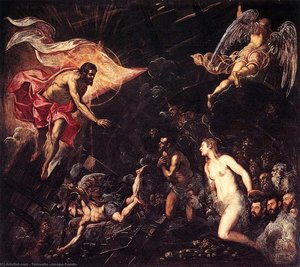
Jacopo Tintoretto's “Solomon and Sheba,” completed in 1542, stands as a monumental achievement of Mannerist art—a testament to Venetian artistic innovation during the twilight years of the Renaissance. More than just a depiction of biblical narrative, this painting embodies Tintoretto’s masterful command of dramatic lighting and spatial illusion, transporting viewers into a scene brimming with palpable tension and spiritual contemplation. The artwork resides in the Galleria Giorgio Fratelli in Rome, offering visitors an unparalleled opportunity to experience its grandeur firsthand.The Narrative Landscape: Composition and Character
The canvas presents a sprawling tableau populated by dozens of figures—a deliberate choice reflecting Tintoretto’s fascination with theatrical presentation. At the heart of the composition are Solomon and Sheba, positioned centrally amidst a throng of courtiers, dignitaries, and attendants. Tintoretto skillfully employs perspective to create an overwhelming sense of depth, drawing the eye upwards towards a radiant celestial sphere that dominates the upper portion of the painting. This upward gaze symbolizes divine majesty and underscores the importance of spiritual enlightenment within the narrative. Solomon’s regal posture exudes authority, while Sheba’s demeanor conveys humility and reverence—a dynamic interplay of power and piety that captures the essence of their encounter.Technique: Tintoretto's Revolutionary Approach to Oil Painting
Tintoretto revolutionized Venetian oil painting with his groundbreaking technique—characterized by rapid brushstrokes and a disregard for traditional glazing methods. Unlike many artists of his time who painstakingly layered translucent pigments, Tintoretto applied paint directly onto the canvas in thick impasto strokes, creating textured surfaces that seemed to pulsate with light and movement. This audacious approach allowed him to achieve unparalleled luminosity and dynamism, capturing fleeting expressions and conveying an emotional intensity rarely seen elsewhere. The artist’s meticulous attention to anatomical detail—evident in Solomon’s musculature and Sheba’s graceful form—further enhances the painting's realism and contributes to its dramatic impact.Symbolism: Light as Divine Revelation
The pervasive use of light is arguably the most striking element of “Solomon and Sheba,” serving as a potent symbol of divine revelation. Tintoretto expertly manipulates chiaroscuro—the interplay between light and shadow—to sculpt figures and create an atmosphere of profound solemnity. The celestial sphere above symbolizes God’s omnipresence and illuminates the earthly scene, suggesting that Solomon's wisdom is guided by divine grace. Furthermore, the horse depicted in the upper right corner may represent royalty or power, reinforcing the painting’s overarching theme of leadership and spiritual authority.Emotional Resonance: Capturing the Sublime
“Solomon and Sheba” transcends mere historical representation; it aspires to evoke a feeling of awe—a glimpse into the sublime. Tintoretto's masterful depiction of human emotion—captured in Solomon’s gaze and Sheba’s countenance—resonates with viewers across centuries, prompting reflection on themes of faith, humility, and divine judgment. The painting’s sheer scale and dramatic intensity contribute to its enduring appeal, cementing Tintoretto’s legacy as one of the greatest artists of his era and securing its place among the masterpieces of Mannerist art.O artyście
A Venetian Master of Drama and Light
Jacopo Tintoretto, born Jacopo Robusti in Venice around 1518, remains one of the most compelling and enigmatic figures of the High Renaissance and early Baroque periods. His very nickname, “Tintoretto” – little dyer – speaks to his family’s trade, yet it belies the immense artistry that would distinguish him from all others. Unlike many artists who benefited from structured apprenticeships, Tintoretto's path was largely self-directed, fueled by an insatiable curiosity and a relentless drive for innovation. While accounts suggest a brief and unsuccessful stint under Titian, the acknowledged master of Venetian colorism, it seems the experience proved more contentious than formative. Titian’s alleged dismissal of the young Jacopo – whether due to jealousy or artistic disagreement – spurred Tintoretto toward an independent course, one characterized by audacious experimentation and a uniquely dynamic style. He immersed himself in anatomical study, reportedly through dissection, and honed his skills by meticulously copying classical sculpture and the works of other masters. This dedication laid the foundation for a career that would redefine Venetian painting.Forging a Distinctive Style: *Il Furioso*
Tintoretto’s artistic development was marked by an almost feverish energy, earning him another evocative nickname: *Il Furioso* – “the Furious One.” This moniker wasn't merely descriptive of his working pace but also captured the intensity and emotional charge that permeated his canvases. His early works already hinted at a departure from traditional Venetian conventions. While acknowledging Titian’s influence in color, Tintoretto gravitated towards Michelangelo’s powerful figures and dramatic compositions. He synthesized these influences into something entirely new: a style characterized by elongated forms, swirling draperies, and an innovative use of perspective that often created a sense of dizzying depth and movement. He abandoned the meticulous finish favored by his contemporaries, opting instead for a rapid, almost sketch-like brushstroke that conveyed immediacy and raw emotion. This technique, combined with his masterful manipulation of light and shadow – *chiaroscuro* – allowed him to create scenes of unparalleled drama and psychological intensity. He wasn’t simply depicting events; he was conveying their emotional core. His compositions were often asymmetrical, creating a sense of dynamism and instability that reflected the turbulent spirit of the age.Monumental Achievements: San Rocco and Beyond
Tintoretto's prodigious output spanned decades, encompassing religious narratives, historical allegories, and portraits. However, his most significant achievement lies in the cycle of paintings he created for the Scuola Grande di San Rocco, a Venetian confraternity dedicated to Saint Roch. Over a period of more than fifty years, Tintoretto adorned the Scuola’s halls with over sixty canvases, transforming it into a breathtaking visual testament to faith and human experience. Works like “The Last Supper,” completed late in his life, demonstrate his continued experimentation with perspective and composition. Departing from traditional depictions, Tintoretto placed the scene in a dramatically lit, architecturally unstable space, emphasizing the emotional turmoil of Christ’s final meal with his disciples. Other notable works include “The Miracle of St Mark Freeing the Slave,” a powerful display of dynamic composition and foreshortening, and numerous paintings for Venetian churches and palaces that showcase his mastery of scale and narrative storytelling. These monumental projects cemented Tintoretto's reputation as one of Venice’s most important artists. He was known to work incredibly quickly, often finishing a painting in just a few days – a remarkable feat considering the complexity and detail of his works.Influences and Artistic Connections
Tintoretto’s artistic journey was shaped by a diverse range of influences. While Titian undoubtedly provided an initial foundation in color and Venetian tradition, he also drew inspiration from Michelangelo's powerful figures and dramatic compositions, as well as the classical sculptures that adorned Venice’s palaces. His early work shows traces of Andrea Schiavone, another influential Venetian painter who had spent much of his career in Italy. However, Tintoretto quickly developed a unique style that transcended these influences, forging a path all his own. He was also known to study anatomy through dissection, a practice considered controversial at the time but which undoubtedly informed his understanding of human form and movement. Interestingly, he maintained a somewhat reclusive existence, rarely sharing his techniques or methods with other artists, contributing to the mystery surrounding his creative process.Legacy and Historical Significance
Jacopo Tintoretto died in Venice in 1594, leaving behind a vast and influential body of work. He bridged the gap between the High Renaissance and the Baroque period, anticipating many of the stylistic innovations that would define the latter. His dramatic compositions, expressive brushwork, and innovative use of light and shadow profoundly influenced artists such as Caravaggio, Rembrandt, and Delacroix. He wasn’t merely a painter; he was a visual storyteller who understood how to harness the power of art to evoke emotion and inspire awe. As one of the three great Venetian painters of the 16th century – alongside Titian and Paolo Veronese – Tintoretto played a crucial role in shaping the artistic landscape of Venice during its golden age. His work reflects not only the religious fervor and political tensions of his time but also a uniquely personal vision that continues to resonate with audiences today, solidifying his place as one of history’s most important and captivating artists. His legacy is a testament to the enduring power of artistic innovation and the transformative potential of human creativity.
Jacopo Tintoretto
1518 - 1594 , Włochy
Krótka nota
- Artistic Movement Or Style: Renesans, Mannerismus
- Artists Or Movements Influenced By This Artist:
- Caravaggio
- Barok
- Artists Who Influenced This Artist:
- Tycjan
- Michał Anioł
- Date Of Birth: 1518
- Date Of Death: 1594
- Full Name: Jacopo Robusti
- Nationality: Włoski
- Notable Artworks:
- Mirakiel św. Marka
- Ostatnia Wieczerza
- Place Of Birth: Wenecja, Italia
Powiązane artykuły
Jacopo Tintoretto: 25 Arcydzieł Pełnych Dramatyzmu i Światła | OriginalUniqueArt.com
Odkryj 25 arcydzieł Jacopo Tintoretto – weneckiego mistrza dramatyzmu i światła! Poznaj historie, techniki i inspiracje za jego najsłynniejszymi obrazami. Reprodukcje najwyższej jakości na OriginalUniqueArt.com. Eksploruj kolekcję online!

Venetian Renaissance: The Mastery of Color, Light, and the Art of Colorito
Explore the luminous mastery of the Venetian Renaissance. Discover how masters like Titian and Giorgione revolutionized art through colorito, light, and atmosphere. An expert guide to the golden age of Italian painting for collectors and enthusiasts.

Złoty Świt Innowacji: Odkrywanie Wenecjańskiego Renesansu Artystycznego (1430–1580)
Odkryj złoty wiek renesansu weneckiego (1430-1580)! Analiza innowacyjnych technik malarskich, portretów i krajobrazów. Ekskluzywne informacje dla kolekcjonerów i miłośników sztuki.

Trwała Spuścizna Malarstwa Olejnego: Technika, Historia i Estetyczny Wpływ
Poznaj historię i technikę malarstwa olejnego! Eksperckie artykuły o konserwacji, renowacji oraz współczesnych zastosowaniach. Dowiedz się więcej o mistrzach i trwałości obrazów olejnych.

The Enduring Power of Painting: A Historical & Contemporary Exploration of Form and Emotion
Explore the rich history & enduring techniques of oil painting with OriginalUniqueArt. Discover masterpieces, learn about art collecting, and find authentic handmade reproductions crafted by skilled artists.