 Przełącz na wydania drukowane
 Rozwiń treść







































 W przypadku dzieł sztuki lub reprodukcji, których którykolwiek z boków przekracza 105 cm (około 41 cali), rama zostanie wysłana w formie zestawu do samodzielnego montażu. Metoda ta zapewnia bezpieczną dostawę i zapobiega uszkodzeniom podczas transportu.


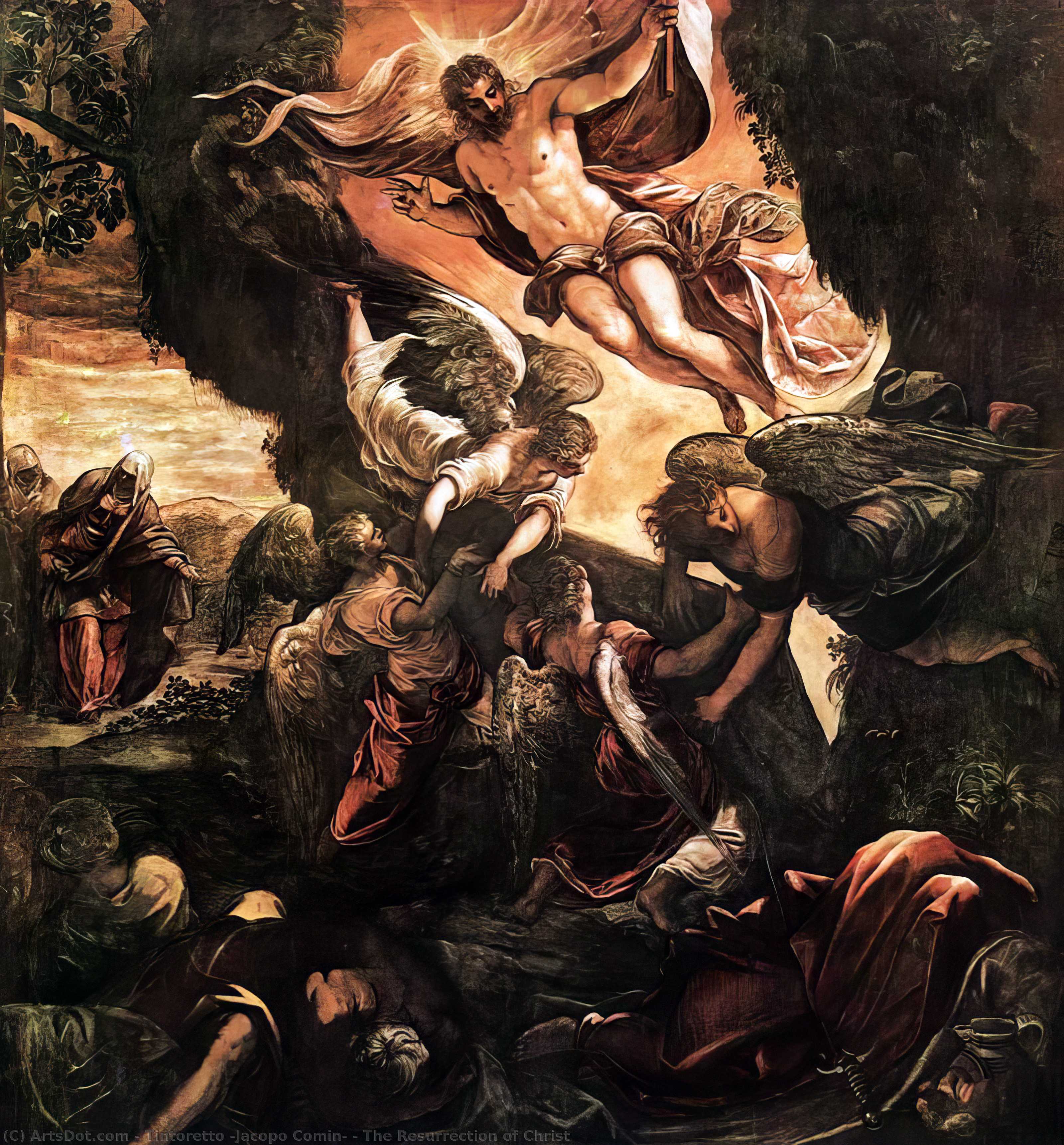
The Resurrection of Christ – A Venetian Triumph
Jacopo Tintoretto’s “The Resurrection of Christ,” completed in 1579, stands as a monumental achievement within the Baroque artistic movement and remains one of Venice's most celebrated treasures. More than just a depiction of biblical scripture, it embodies the spiritual fervor and dramatic intensity that defined the era—a testament to Tintoretto’s unparalleled ability to convey emotion through masterful visual storytelling.
Subject and Composition: A Pyramid of Hope
The painting portrays the pivotal moment following Jesus Christ's crucifixion – his triumphant resurrection. Tintoretto skillfully arranges the scene within a pyramidal composition, placing Christ at its apex, symbolizing divine ascension and unwavering faith. Surrounding him are figures representing humanity’s reaction to this miraculous event: soldiers bearing witness to the resurrected body, grieving mourners grappling with sorrow, and devout followers expressing awe and reverence. The dynamic movement of drapery and clouds contributes to the overall impression of grandeur and spiritual elevation.
Artistic Style and Technique – Chiaroscuro's Dramatic Embrace
Tintoretto’s stylistic approach firmly establishes him within the Baroque tradition. He employs dramatic chiaroscuro—the masterful manipulation of light and shadow—to sculpt form, heighten emotional impact, and create a palpable sense of depth. Layers upon layers of oil paint are applied with rapid brushstrokes, capturing fleeting expressions and conveying an immediacy rarely achieved by his contemporaries. The artist’s meticulous attention to anatomical accuracy reflects the influence of humanist scholarship, while subtle gradations in color contribute to the painting's luminous quality.
Historical Context – Counter-Reformation Inspiration
Created during the late Renaissance and fueled by the fervor of the Counter-Reformation, “The Resurrection” served as a powerful visual affirmation of Catholic faith. Tintoretto’s Venetian workshop was at the forefront of artistic innovation, responding to papal decrees advocating for emotive religious art. The painting's monumental scale—measuring 529 x 485 cm—underscores its significance as a devotional centerpiece and exemplifies Tintoretto’s revolutionary vision for portraying biblical narratives.
Symbolism and Emotional Impact – Light Against Darkness
Every element within “The Resurrection” carries profound symbolic weight. The radiant halo surrounding Christ signifies divine grace and eternal life, illuminating the darkness of death and despair. Angels ascend to embrace the resurrected body, representing God’s intervention in human affairs and offering solace to those who believe. The expressions on the faces of the figures—ranging from disbelief to ecstasy—capture the spectrum of human emotion responding to this transformative event. Ultimately, Tintoretto's masterpiece inspires contemplation on themes of faith, redemption, and the enduring power of divine compassion.
Pytania i odpowiedzi
Czy mogę zobaczyć podgląd „Resurekcja Chrystusa” – Jacopo Tintoretto przed złożeniem zamówienia?
Podgląd dzieła „Resurekcja Chrystusa” – Jacopo Tintoretto można znaleźć na stronie Podgląd w pomieszczeniu.
Do jakiego nurtu w sztuce należy „Resurekcja Chrystusa” – Jacopo Tintoretto?
„Resurekcja Chrystusa” – Jacopo Tintoretto należy do nurtu Baroque Dramatic Light. Nurt ten stanowi stylistyczny kontekst dzieła.
Co łączy "Resurekcja Chrystusa" z resztą twórczości Jacopo Tintoretto?
W dorobku Jacopo Tintoretto, "Resurekcja Chrystusa" wpisuje się w styl Baroque Dramatic Light, nawiązując do tematów takich jak venetian tradition, dramatic narrative, counter reformation, religious symbolism, tintoretto’s legacy.
 Podgląd w skali 1:1
 Wyślij jako kartkę
 Udostępnij
 Szczegóły dzieła
 Przewodnik

 Pobierz obraz
 Podobne obiekty
 RTG
RTG Pokaz slajdów
 Pytania i odpowiedzi
 Statystyki