

 Zobacz w skali 1:1
 Wyślij
 Udostępnij
 Szczegóły
 Przewodnik

 Pobierz plik obrazu
 Podobne obiekty
 RTG
RTG Pokaz slajdów
 Statystyki
Doge Pietro Loredano
 Oil On Canvas
- WallArt
- Baroque
 1570
1570 109.0 x 93.0 cm
 National Gallery of Victoria
 Czytaj więcej
Giclée / Wydruk artystyczny
Wydruki giclée lub płótna o jakości muzealnej, szybka realizacja i szeroki wybór opcji wykończenia. ( Kup ręcznie malowany obraz Przełącz na wersję cyfrową)




P118B zł10

P118H zł10

P118W zł10

P438Z zł10

P508JH zł12

P508YH zł12

P805H zł10

P805Z zł10

P919BZ zł10

P919G zł10

P919XJ zł10

P959ZH zł10

P968JZ zł12

W106C zł8

W218G zł10

W218JH zł8

W218Y zł10

W307PJ zł10

W316G zł10

W316PJ zł8

W316Y zł10

W398PJ zł8

W4111J zł10

W500HY zł15

W500JH zł15

W692G zł12

W849H zł8

W940BG zł15

W953PJ zł8




Wybierz spośród naszych standardowych rozmiarów, które zachowują oryginalne proporcje dzieła sztuki.

Wpisz wymaganą szerokość i wysokość, aby dopasować grafikę do ramy lub ściany. Wydruk można jedynie przyciąć, nigdy nie powiększając go poza oryginalny obraz, dlatego format o innym proporcji spowoduje utratę części kompozycji. Przed rozpoczęciem druku prześlemy Ci cyfrowy podgląd do zatwierdzenia. Obraz wyświetlany na tej stronie nie pokazuje rzeczywistego przycięcia — jedynie podgląd oddaje ten efekt.
Dostawa na cały świat () w ciągu 2 tygodni zamiast standardowych 4/5 tygodni. (22 Październik)

Bezpłatna ekspresowa wysyłka na cały świat

Wysokiej jakości płótno lniane

Pełne ubezpieczenie transportowe

Gwarancja zwrotu należności celnych i podatków importowych

Gwarancja idealnego odwzorowania barw

100-dniowy okres na zwrot dzieła w przypadku wykrycia wad produkcyjnych

Gwarancja 100% zwrotu pieniędzy

Oferta przy zakupie wielu sztuk
 Opcja ze szkłem jest dostępna wyłącznie w rozmiarach poniżej 110 cm

Doge Pietro Loredano
Giclée / Wydruk artystyczny
Rozmiar reprodukcji
-


Suma do zapłaty
zł 307
A Doge in Transition: Tintoretto’s Portrait of Pietro Loredano
Jacopo Tintoretto's *Doge Pietro Loredano* (1570) is far more than a stately portrait; it’s a compelling study of power, age, and the anxieties of leadership during a period of Venetian decline. Painted with remarkable sensitivity, this work captures Doge Pietro Loredano – the elected ruler of Venice – not as an untouchable symbol of authority, but as a *vulnerable* man bearing the weight of immense responsibility. The painting’s power lies in its subtle departure from traditional court portraiture, revealing a psychological depth rarely seen at the time. Tintoretto, already established as a leading Venetian artist and court painter, skillfully balances formality with an intimate portrayal of his subject.Technique & Style: A Masterclass in Venetian Painting
Tintoretto’s technique is immediately striking. He began by applying broad strokes of lead white directly onto a dark reddish-brown ground, creating a dramatic contrast and lending the portrait an ethereal quality. This approach, characteristic of his innovative style, diverges from the meticulous layering favored by earlier Renaissance masters like Titian (who Tintoretto succeeded as court painter). The visible brushwork, energetic yet controlled, contributes to the sense of immediacy and psychological realism. The painting exemplifies Venetian mastery of oil paint – utilizing thin glazes to build color and luminosity. X-radiography reveals that Tintoretto deliberately altered the initial composition, adjusting Loredano’s posture to emphasize his age and subtly diminishing the imposing grandeur typically associated with such portraits. This reworking is a testament to Tintoretto's artistic vision and willingness to prioritize emotional truth over rigid convention.Historical Context & Symbolism
The late 16th century was a turbulent time for Venice. The Republic’s maritime dominance was waning, challenged by rising powers like the Ottoman Empire. Pietro Loredano assumed office during this period of uncertainty, and Tintoretto's portrait subtly reflects this anxiety. While Loredano is adorned in the ceremonial robes – including the distinctive *corno ducale* (doge’s crown) – his posture and expression convey a sense of weariness rather than unyielding authority. The rich attire itself symbolizes wealth and power, but it also serves as a visual reminder of the traditions and expectations placed upon the Doge. The portrait can be interpreted as a commentary on the burdens of leadership, hinting at the fragility of even the most powerful positions in a changing world.Emotional Impact & Lasting Appeal
*Doge Pietro Loredano* resonates with viewers today because it transcends mere representation. It’s a deeply human portrait that invites contemplation on themes of power, mortality, and the passage of time. The Doge's contemplative gaze and subtly melancholic expression evoke empathy and understanding. This painting isn’t simply *about* a powerful man; it’s about the *experience* of being human, even – or perhaps especially – in positions of great responsibility. Its enduring appeal makes it a captivating addition to any collection, offering both historical insight and profound emotional resonance for art lovers and interior design enthusiasts alike.Pytania i odpowiedzi
Gdzie można obecnie zobaczyć dzieło „Doge Pietro Loredano” autorstwa Jacopo Robusti?
Oryginał dzieła „Doge Pietro Loredano” można zobaczyć w National Gallery of Victoria, Melbourne, Australia.
Jakie są proporcje oraz wymiary dzieła „Doge Pietro Loredano” autorstwa Jacopo Robusti?
„Doge Pietro Loredano” autorstwa Jacopo Robusti ma proporcje pracy w formacie Portrait o wymiarach 109 x 93 cm.
Czy dzieło "Doge Pietro Loredano" znajduje się w kraju swojego twórcy?
Nie – dzieło znajduje się za granicą. Krajem pochodzenia Jacopo Robusti jest Włochy, natomiast muzeum przechowujące oryginał dzieła „Doge Pietro Loredano” znajduje się w Australia.
Biografia artysty
wczesne lata i kształcenie
jacopo robusti, znany szerzej jako tintoretto, był włoskim malarzem nierozerwalnie związanym ze szkołą wenecką. urodził się w Wenecji w 1518 roku, będąc synem farbiarza, co mogło wpłynąć na jego późniejszą wrażliwość na kolor. wiadomo, że tintoretto miał przynajmniej jedno rodzeństwo, brata imieniem domenico robusti. przypuszcza się, że jego korzenie sięgają Brescii w lombardii, która w tamtym czasie stanowiła część republiki wenecji.styl artystyczny i wpływy
styl artystyczny tintoretta charakteryzował się niezwykle odważnym pociągnięciem pędzla oraz niespotykaną pomysłowością w kreowaniu kompozycji. choć czerpał inspirację z dzieł michelangelo, przez większą część swojej kariery konsekwentnie odrzucał klasyczny styl dojrzałego renesansu na rzecz własnego, unikalnego podejścia.wybitne dzieła
- św. jerzy i smok (158 x 100 cm, national gallery, londyn, olej na płótnie), obraz ukazujący niezwykłą zdolność tintoretta do uchwycenia samej esencji miejsca.
- maria z dzieckiem, czczona przez dwóch ewangelistów (160 x 228 cm, płótno), dzieło będące świadectwem mistrzostwa artysty w operowaniu światłem i cieniem.
- niesienie Chrystusa do grobu (scottish national gallery, edynburg, olej na płótnie), malowidło stanowiące doskonały przykład śmiałości i inwencji kompozycyjnej tintoretta.
muzea i kolekcje
dzieła tintoretta można odnaleźć w wielu muzeach na całym świecie, w tym w gallerie dell'accademia (wenecja, włochy), national gallery (londyn, zjednoczone królestwo) oraz w scottish national gallery (edynburg, szkocja).dziedzictwo
tintoretto pozostaje jednym z najbardziej płodnych włoskich malarzy szkoły weneckiej, zapamiętanym dzięki swojej ekspresyjnej technice i nowatorskim kompozycjom. jego dziedzictwo nieustannie inspiruje zarówno artystów, jak i pasjonatów sztuki.- zobacz więcej dzieł jacopo robusti na OriginalUniqueArt.com
- dowiedz się więcej o szkole weneckiej i jej wybitnych przedstawicielach na wikipedia

Jacopo Robusti
1518 - 1594 , Włochy
Najważniejsze informacje
- Artistic Movement Or Style: Późny renesans, manieryzm, szkoła wenecka
- Artists Or Movements Influenced By This Artist: ['Paolo Veronese']
- Artists Who Influenced This Artist:
- Tycjan
- Michał Anioł
- Giovanni Francesco Caroto
- Date Of Birth: ok. 1518, Wenecja, Włochy
- Date Of Death: 31 maja 1594, Wenecja, Włochy
- Full Name: Jacopo Robusti Tintoretto
- Nationality: Włoska
- Notable Artworks:
- Uwielbienie Wenus
- Wniebowzięcie Najświętszej Maryi Panny
- Ostatnia Wieczerza (San Giorgio Maggiore)
- Pochodzenie Drogi Mlecznej
- Place Of Birth: Wenecja, Włochy
Zobacz także powiązane artykuły

Jacopo Palma il Giovane: A Venetian Master's Poetic Evolution
Explore the captivating world of Jacopo Palma il Giovane, a pivotal Venetian Renaissance master. Discover his unique style, influenced by Titian & Tintoretto, and learn about key works perfect for discerning collectors.

Venetian Renaissance: The Mastery of Color, Light, and the Art of Colorito
Explore the luminous mastery of the Venetian Renaissance. Discover how masters like Titian and Giorgione revolutionized art through colorito, light, and atmosphere. An expert guide to the golden age of Italian painting for collectors and enthusiasts.

Pietro Longhi's Venetian Scenes: A Study of Rococo Society & Domestic Life
Explore the captivating world of Pietro Longhi's Venetian scenes! Discover insightful analysis of his Rococo masterpieces & social commentary on 18th-century life. Learn about this 'Venetian Hogarth' and his lasting artistic legacy.

Złoty Świt Innowacji: Odkrywanie Wenecjańskiego Renesansu Artystycznego (1430–1580)
Odkryj złoty wiek renesansu weneckiego (1430-1580)! Analiza innowacyjnych technik malarskich, portretów i krajobrazów. Ekskluzywne informacje dla kolekcjonerów i miłośników sztuki.
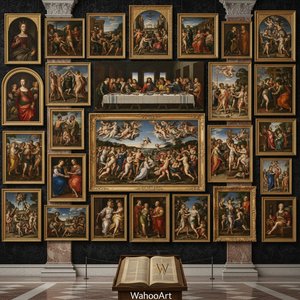
Jacopo Tintoretto: 25 Arcydzieł Pełnych Dramatyzmu i Światła | OriginalUniqueArt.com
Odkryj 25 arcydzieł Jacopo Tintoretto – weneckiego mistrza dramatyzmu i światła! Poznaj historie, techniki i inspiracje za jego najsłynniejszymi obrazami. Reprodukcje najwyższej jakości na OriginalUniqueArt.com. Eksploruj kolekcję online!