

 Zobacz w skali 1:1
 Wyślij
 Udostępnij
 Szczegóły
 Przewodnik

 Pobierz plik obrazu
 Podobne obiekty
 RTG
RTG Pokaz slajdów
 Statystyki
The Card Game


 Czytaj więcej
Ręcznie malowana reprodukcja olejowa
Ręcznie malowany obraz olejny na płótnie, wykonany na zamówienie przez naszych artystów w wybranym przez Ciebie wymiarze i oprawie. ( Przełącz na wersję drukowaną Przełącz na wersję cyfrową)




P118B $10

P118H $10

P118W $10

P438Z $10

P508JH $12

P508YH $12

P805H $10

P805Z $10

P919BZ $10

P919G $10

P919XJ $10

P959ZH $10

P968JZ $12

W106C $8

W218G $10

W218JH $8

W218Y $10

W307PJ $10

W316G $10

W316PJ $8

W316Y $10

W398PJ $8

W4111J $10

W500HY $15

W500JH $15

W692G $12

W849H $8

W940BG $15

W953PJ $8




Wybierz spośród naszych standardowych rozmiarów, które zachowują oryginalne proporcje dzieła sztuki.

Możesz wprowadzić własne wymiary, aby dopasować obraz do konkretnej ramy lub przestrzeni. Jeśli wybrany rozmiar nie będzie odpowiadał proporcjom oryginału, przytniecie dzieło sztuki lub rozszerzymy je o dodatkowe elementy, ręcznie domalowane przez artystę. Przed rozpoczęciem produkcji wyślemy projekt cyfrowy do Twojej akceptacji.
Należy pamiętać, że podgląd na ekranie nie odzwierciedla rzeczywistego przycinania ani rozszerzania obrazu. Tylko projekt dokładnie pokaże ostateczną kompozycję.
Choć oferujemy możliwość zamówienia niestandardowych rozmiarów, zalecamy wybór wymiaru z gotowej listy, aby zachować oryginalne proporcje dzieła.
Po złożeniu zamówienia zespół OriginalUniqueArt.com skontaktuje się z klientem drogą mailową w celu uzyskania instrukcji i prześle wizualizację projektu
Dostawa na całym świecie () w ciągu 3–4 tygodni zamiast standardowych 5 tygodni. (26 Wrzesień). Bez kompromisów w kwestii jakości.

Bezpłatna ekspresowa wysyłka na cały świat

Wysokiej jakości płótno lniane

Pełne ubezpieczenie transportowe

Gwarancja zwrotu należności celnych i podatków importowych

Gwarancja idealnego odwzorowania barw

100-dniowy okres na zwrot dzieła w przypadku wykrycia wad produkcyjnych

Gwarancja 100% zwrotu pieniędzy

Oferta przy zakupie wielu sztuk
 Opcja ze szkłem jest dostępna wyłącznie w rozmiarach poniżej 110 cm

The Card Game
Technika wykonania
Rozmiar reprodukcji
-


Suma do zapłaty
$ 300
A Moment Frozen in Time: The Essence of The Card Game
In the quiet intensity of The Card Game, Jacob Lawrence invites us into a private, communal sanctuary where time seems to suspend itself around a simple wooden table. This 1953 masterpiece captures more than just a pastime; it captures the very heartbeat of social connection. As we gaze upon the four figures gathered in this monochromatic landscape, we are drawn into a world of focused concentration and shared experience. The composition is masterfully arranged, with players positioned around a dining table that serves as the stage for a silent drama of strategy and anticipation. Every scattered card and the solitary cup resting near the edge of the frame whispers stories of long afternoons and the rhythmic cadence of friendship.
The atmosphere of the piece is one of profound engagement, where the outside world fades away, leaving only the tactile reality of the game at hand. There is a palpable tension in the air—the weight of a decision yet to be made, the silent observation of an opponent's move, and the collective breath held in anticipation of the next reveal. For the collector or the interior designer, this work offers a sophisticated focal point that brings a sense of grounded, soulful intimacy to any space, evoking a nostalgia for moments of genuine human connection.
The Mastery of Dynamic Cubism and Form
Technically, The Card Game stands as a testament to Lawrence’s signature style, often referred to as dynamic cubism. Eschewing the cluttered complexity of traditional cubist movements, Lawrence utilizes flattened planes and bold, rhythmic shapes to create a sense of movement within a static scene. The use of black and white tones is not merely a lack of color, but a deliberate choice to emphasize structure, contrast, and the interplay of light and shadow. This monochromatic palette strips the scene down to its essential emotional truths, allowing the viewer to focus on the geometry of the figures and the graphic energy of the scattered cards.
The artist’s ability to convey depth through overlapping shapes and varying line weights creates a visual rhythm that guides the eye across the table. The way the figures are integrated into the environment—almost becoming part of the architecture of the room itself—demonstrates Lawrence's unparalleled skill in blending subject and setting. This graphic strength makes the painting exceptionally versatile for high-quality reproductions, as its striking silhouettes and balanced composition retain their powerful impact regardless of the scale or the lighting of the room in which they are displayed.
A Legacy of Social Narrative and Human Dignity
To understand The Card Game, one must look through the lens of Jacob Lawrence’s profound connection to the African-American experience. Growing up amidst the vibrant cultural explosion of the Harlem Renaissance, Lawrence developed a visual language capable of documenting both the struggles and the triumphs of Black life. While this specific work focuses on a domestic, social scene, it is imbued with the dignity and resilience that define his entire body of work. The players are not merely subjects; they are embodiments of community and the enduring strength found in shared ritual.
The historical context of 1953 provides a poignant backdrop to this depiction of leisure and camaraderie. In an era of significant social shifts, Lawrence’s ability to find beauty and profound meaning in the everyday lives of his subjects serves as a powerful act of artistic witness. For those seeking to adorn their homes with art that possesses both historical weight and aesthetic grace, this piece offers an unparalleled opportunity. It is a work that does not just decorate a wall; it enriches a life, offering a window into a legacy of storytelling through the masterful application of form, shadow, and soul.
Biografia artysty
A Life Painted in Story: The World of Jacob Lawrence
Jacob Armstead Lawrence, born September 7, 1917, in Atlantic City, New Jersey, was more than just an artist; he was a chronicler of his people’s journey—a visual storyteller whose work profoundly shaped the landscape of American art. His life unfolded against the backdrop of profound social change, marked by displacement, resilience, and an unwavering commitment to documenting the African-American experience. Following his parents' divorce in 1924, Lawrence navigated a childhood characterized by movement and adaptation, finding temporary homes in foster care before ultimately settling with his mother in Harlem during the vibrant era of the Harlem Renaissance. This immersion into the heart of Black culture became the bedrock of his artistic vision—a source of inspiration that would inform every brushstroke he ever made. It was within the bustling streets and communal spirit of Harlem that Lawrence first encountered art, enrolling in classes at Utopia Children’s House and later studying under Charles Alston at the Harlem Art Workshop – a formative experience that laid the foundation for his distinctive style.Dynamic Cubism: A Style Forged from Experience
Lawrence didn't simply adopt artistic styles; he meticulously crafted his own—a movement he famously termed “dynamic cubism.” This wasn’t a mere imitation of European avant-garde trends, but rather a deeply personal synthesis of modernist principles and the lived realities of his community. Drawing inspiration from the bold colors and flattened forms of African sculpture – art that prioritized narrative and social commentary – as well as the vibrant murals of Mexican artists like Diego Rivera and José Clemente Orozco, Lawrence developed a visual language characterized by strong, simplified shapes, a dazzling palette of colors, and a deliberate rejection of traditional perspective. This approach wasn’t purely aesthetic; it served to amplify the emotional weight of his subjects and create an immediate connection with the viewer. He sought not to replicate reality in its entirety but to distill its essence—to capture the spirit of a people and their history with unflinching honesty. The influence of African art is particularly evident in Lawrence's use of geometric shapes and symbolic imagery, while the Mexican muralists’ emphasis on social justice and collective narratives resonated deeply within his artistic practice.The Migration Series: A Monumental Chronicle
Lawrence’s most celebrated achievement—and arguably his single greatest contribution to American art—is undoubtedly *The Migration Series*. Beginning in 1940-41, at the young age of twenty-four, he embarked on a monumental undertaking that would span sixty panels and occupy him for decades. This epic narrative depicted the Great Migration – the mass movement of millions of African Americans from the rural South to the industrial North during and after World War I—a period defined by both immense hardship and unprecedented opportunity. Each panel, meticulously crafted in tempera paint on small hardboard panels, told a fragment of this complex story, capturing the hopes, fears, and struggles of those who sought a better life beyond the confines of Jim Crow segregation. The series wasn’t simply a historical record; it was a deeply empathetic portrayal of human experience—a testament to resilience, determination, and the enduring spirit of a people on the move. The decision to publish the series in color – an unusual choice for the time – further amplified its impact, bringing Lawrence's powerful vision to a wider audience.Beyond the Migration: Portraits of Community and History
While *The Migration Series* remains his most iconic work, Lawrence’s artistic output extended far beyond this monumental undertaking. He continued to explore themes of community, identity, and social justice throughout his career, creating a diverse body of paintings that encompassed a wide range of subjects. He painted intimate portraits of Harlem life – barbershops, diners, family gatherings – capturing the everyday rhythms and complexities of Black urban culture. Simultaneously, he tackled significant historical events and figures, producing powerful series dedicated to Toussaint L’Ouverture (the Haitian revolutionary), Frederick Douglass (the abolitionist orator), and Harriet Tubman (the Underground Railroad conductor). These works weren't merely biographical; they were carefully constructed narratives that sought to illuminate the struggles and triumphs of African Americans in shaping their own destiny. His painting Bar and Grill, a stark depiction of segregation within a New Orleans café, exemplifies his ability to distill complex social realities into potent visual statements. Similarly, Victory and Defeat, with its imposing wall of cannonballs, commemorates the pivotal siege of Yorktown, Virginia, offering a nuanced reflection on American history.Legacy and Enduring Influence
Jacob Lawrence’s impact extends far beyond his impressive body of work. He was not only an artist but also a dedicated educator, teaching at institutions like Black Mountain College and the University of Washington for sixteen years. Through his teaching, he nurtured generations of artists, encouraging them to find their own voices and explore themes relevant to their experiences. Lawrence paved the way for countless African-American artists who followed, challenging prevailing norms and expanding the boundaries of American art. His work continues to resonate today, prompting critical conversations about race, history, and social justice. Featured in prominent museums such as the Smithsonian American Art Museum and the University of Washington’s collection, his paintings serve as enduring testaments to the power of art to illuminate the human condition and inspire change. He left behind a legacy not just of beautiful images but of courageous storytelling—a visual chronicle of a people's journey toward freedom and self-determination.
Jakub Lawrence
1917 - 2000 , Stany Zjednoczone
Najważniejsze informacje
- Artistic Movement Or Style: Dynamic Kubizm
- Artists Or Movements Influenced By This Artist: ['Afroamerykańscy artyści']
- Date Of Birth: 7 września 1917
- Date Of Death: 9 czerwca 2000
- Full Name: Jacob Armstead Lawrence
- Nationality: Amerykański
- Notable Artworks:
- Migracja
- Bar i Grill
- Place Of Birth: Atlantic City, USA
Zobacz także powiązane artykuły

Białe arcydzieła: Top 10 słynnych obrazów pełnych światła i emocji | OriginalUniqueArt.pl
Odkryj 10 najsłynniejszych obrazów, w których biel dominuje i tworzy wyjątkową atmosferę. Poznaj historie Moneta, Van Gogha i innych mistrzów! Reprodukcje najwyższej jakości na OriginalUniqueArt.com – inspiracje wnętrzarskie i kolekcjonerstwo sztuki online.

Monochromatyczne Wizje: Estetyka i Historyczne Znaczenie Fotografii Czarno-Białej
Odkryj fascynujący świat fotografii czarno-białej! Poznaj historię, techniki i arcydzieła monochromatycznej sztuki. Inspiracje, porady i analiza wpływu na współczesną estetykę. OriginalUniqueArt.com.
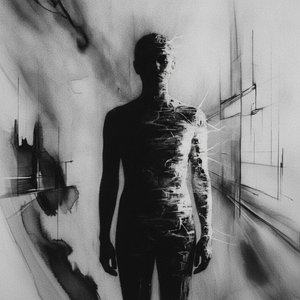
Shadow & Soul: Why Black & White Photography Remains the Ultimate Power Move in Modern Art
Discover why black & white photography remains a powerful force in contemporary art. Explore the impact of light, shadow, and texture through a visual journey of monochrome mastery and learn how to elevate your space with timeless grayscale aesthetics.

Czarne arcydzieła: Top 10 słynnych obrazów pełnych mroku i ekspresji | OriginalUniqueArt.com
Odkryj 10 słynnych obrazów, w których czerń króluje! Poznaj historie artystów, ekspresjonizm i mroczną paletę barw. Reprodukcje dzieł sztuki najwyższej jakości na OriginalUniqueArt.com – inspiracje do wnętrz i kolekcjonerstwo.

Czarne arcydzieła: 10 słynnych obrazów w odcieniach mroku | OriginalUniqueArt.pl
Odkryj 10 słynnych obrazów, w których dominuje głęboka czerń – od Rembrandta po Picassa. Poznaj historie artystów i techniki tworzenia mrocznych arcydzieł. Reprodukcje najwyższej jakości na OriginalUniqueArt.com! Eksploruj kolekcję online.