

 Podgląd w skali 1:1
 Wyślij jako kartkę
 Udostępnij
 Szczegóły dzieła
 Przewodnik

 Pobierz obraz
 Podobne obiekty
 RTG
RTG Pokaz slajdów
 Statystyki
Library Series: The Schomburg


 Rozwiń treść
Dzieło sztuki prezentowane na tej stronie podlega ochronie prawem autorskim, co oznacza, że nie mamy prawa do tworzenia ani sprzedaży jego identycznej reprodukcji. Ochrona ta jest egzekwowana na mocy umów międzynarodowych, takich jak Konwencja berneńska oraz przez przepisy prawa krajowego, w tym te określone w Prawo autorskie USA – Tytuł 17.
Metoda ta jest w pełni zgodna z przepisami prawa autorskiego, ponieważ nie polega na kopiowaniu ani powielaniu chronionego dzieła. Stanowi ona kreatywną reinterpretację – nowy obraz, który czerpie inspirację z oryginału, ale nie jest z nim tożsamy.
Giclée / Wydruk artystyczny
Wydruki giclée lub płótna o jakości muzealnej, szybka realizacja i szeroki wybór opcji wykończenia. ( Zamów ręcznie malowaną reprodukcję Przejdź do wersji cyfrowej)




P118B zł10

P118H zł10

P118W zł10

P438Z zł10

P508JH zł12

P508YH zł12

P805H zł10

P805Z zł10

P919BZ zł10

P919G zł10

P919XJ zł10

P959ZH zł10

P968JZ zł12

W106C zł8

W218G zł10

W218JH zł8

W218Y zł10

W307PJ zł10

W316G zł10

W316PJ zł8

W316Y zł10

W398PJ zł8

W4111J zł10

W500HY zł15

W500JH zł15

W692G zł12

W849H zł8

W940BG zł15

W953PJ zł8




Wybierz spośród naszych standardowych rozmiarów, które zachowują oryginalne proporcje dzieła sztuki.

Wpisz wymaganą szerokość i wysokość, aby dopasować grafikę do ramy lub ściany. Wydruk można jedynie przyciąć, nigdy nie powiększając go poza oryginalny obraz, dlatego format o innych proporcjach spowoduje utratę części kompozycji. Przed rozpoczęciem druku prześlemy Ci cyfrowy podgląd do zatwierdzenia. Obraz wyświetlany na tej stronie nie pokazuje rzeczywistego przycięcia — jedynie podgląd oddaje ten efekt.
Dostawa na cały świat () w ciągu 2 tygodni zamiast standardowych 4/5 tygodni. (26 Październik)

Bezpłatna ekspresowa wysyłka na cały świat

Wysokiej jakości płótno lniane

Pełne ubezpieczenie przesyłki

Gwarancja zwrotu należności celnych i podatków importowych

Gwarancja wiernego odwzorowania kolorów

100-dniowa polityka zwrotów (tylko w przypadku wad)

Gwarancja 100% zwrotu pieniędzy

Zniżka przy zakupie wielu sztuk
 Opcja ze szkłem jest dostępna wyłącznie w rozmiarach poniżej 110 cm

Library Series: The Schomburg
Giclée / Wydruk artystyczny
Wymiary reprodukcji
-


Cena całkowita
zł 307
Pytania i odpowiedzi
Jak intensywne są kolory w „Library Series: The Schomburg” – Jakub Lawrence?
„Library Series: The Schomburg” – Jakub Lawrence charakteryzuje się Balanced intensywnością kolorów.
Jaki nastrój emocjonalny budzi „Library Series: The Schomburg” – Jakub Lawrence?
Emocjonalny ton przypisany do „Library Series: The Schomburg” – Jakub Lawrence to Energetic. Oddaje on emocje, jakie wyraża to dzieło.
Czy mogę użyć rozszerzonej rzeczywistości, aby zobaczyć „Library Series: The Schomburg” – Jakub Lawrence w swoim pokoju?
Dzieło „Library Series: The Schomburg” – Jakub Lawrence możesz zobaczyć na własnej ścianie dzięki stronie Podgląd w AR, wykorzystując rozszerzoną rzeczywistość na kompatybilnym urządzeniu.
Biografia artysty
A Life Painted in Story: The World of Jacob Lawrence
Jacob Armstead Lawrence, born September 7, 1917, in Atlantic City, New Jersey, was more than just an artist; he was a chronicler of his people’s journey—a visual storyteller whose work profoundly shaped the landscape of American art. His life unfolded against the backdrop of profound social change, marked by displacement, resilience, and an unwavering commitment to documenting the African-American experience. Following his parents' divorce in 1924, Lawrence navigated a childhood characterized by movement and adaptation, finding temporary homes in foster care before ultimately settling with his mother in Harlem during the vibrant era of the Harlem Renaissance. This immersion into the heart of Black culture became the bedrock of his artistic vision—a source of inspiration that would inform every brushstroke he ever made. It was within the bustling streets and communal spirit of Harlem that Lawrence first encountered art, enrolling in classes at Utopia Children’s House and later studying under Charles Alston at the Harlem Art Workshop – a formative experience that laid the foundation for his distinctive style.Dynamic Cubism: A Style Forged from Experience
Lawrence didn't simply adopt artistic styles; he meticulously crafted his own—a movement he famously termed “dynamic cubism.” This wasn’t a mere imitation of European avant-garde trends, but rather a deeply personal synthesis of modernist principles and the lived realities of his community. Drawing inspiration from the bold colors and flattened forms of African sculpture – art that prioritized narrative and social commentary – as well as the vibrant murals of Mexican artists like Diego Rivera and José Clemente Orozco, Lawrence developed a visual language characterized by strong, simplified shapes, a dazzling palette of colors, and a deliberate rejection of traditional perspective. This approach wasn’t purely aesthetic; it served to amplify the emotional weight of his subjects and create an immediate connection with the viewer. He sought not to replicate reality in its entirety but to distill its essence—to capture the spirit of a people and their history with unflinching honesty. The influence of African art is particularly evident in Lawrence's use of geometric shapes and symbolic imagery, while the Mexican muralists’ emphasis on social justice and collective narratives resonated deeply within his artistic practice.The Migration Series: A Monumental Chronicle
Lawrence’s most celebrated achievement—and arguably his single greatest contribution to American art—is undoubtedly *The Migration Series*. Beginning in 1940-41, at the young age of twenty-four, he embarked on a monumental undertaking that would span sixty panels and occupy him for decades. This epic narrative depicted the Great Migration – the mass movement of millions of African Americans from the rural South to the industrial North during and after World War I—a period defined by both immense hardship and unprecedented opportunity. Each panel, meticulously crafted in tempera paint on small hardboard panels, told a fragment of this complex story, capturing the hopes, fears, and struggles of those who sought a better life beyond the confines of Jim Crow segregation. The series wasn’t simply a historical record; it was a deeply empathetic portrayal of human experience—a testament to resilience, determination, and the enduring spirit of a people on the move. The decision to publish the series in color – an unusual choice for the time – further amplified its impact, bringing Lawrence's powerful vision to a wider audience.Beyond the Migration: Portraits of Community and History
While *The Migration Series* remains his most iconic work, Lawrence’s artistic output extended far beyond this monumental undertaking. He continued to explore themes of community, identity, and social justice throughout his career, creating a diverse body of paintings that encompassed a wide range of subjects. He painted intimate portraits of Harlem life – barbershops, diners, family gatherings – capturing the everyday rhythms and complexities of Black urban culture. Simultaneously, he tackled significant historical events and figures, producing powerful series dedicated to Toussaint L’Ouverture (the Haitian revolutionary), Frederick Douglass (the abolitionist orator), and Harriet Tubman (the Underground Railroad conductor). These works weren't merely biographical; they were carefully constructed narratives that sought to illuminate the struggles and triumphs of African Americans in shaping their own destiny. His painting Bar and Grill, a stark depiction of segregation within a New Orleans café, exemplifies his ability to distill complex social realities into potent visual statements. Similarly, Victory and Defeat, with its imposing wall of cannonballs, commemorates the pivotal siege of Yorktown, Virginia, offering a nuanced reflection on American history.Legacy and Enduring Influence
Jacob Lawrence’s impact extends far beyond his impressive body of work. He was not only an artist but also a dedicated educator, teaching at institutions like Black Mountain College and the University of Washington for sixteen years. Through his teaching, he nurtured generations of artists, encouraging them to find their own voices and explore themes relevant to their experiences. Lawrence paved the way for countless African-American artists who followed, challenging prevailing norms and expanding the boundaries of American art. His work continues to resonate today, prompting critical conversations about race, history, and social justice. Featured in prominent museums such as the Smithsonian American Art Museum and the University of Washington’s collection, his paintings serve as enduring testaments to the power of art to illuminate the human condition and inspire change. He left behind a legacy not just of beautiful images but of courageous storytelling—a visual chronicle of a people's journey toward freedom and self-determination.
Jakub Lawrence
1917 - 2000 , Stany Zjednoczone
Krótka nota
- Artistic Movement Or Style: Dynamic Kubizm
- Artists Or Movements Influenced By This Artist: ['Afroamerykańscy artyści']
- Date Of Birth: 7 września 1917
- Date Of Death: 9 czerwca 2000
- Full Name: Jacob Armstead Lawrence
- Nationality: Amerykański
- Notable Artworks:
- Migracja
- Bar i Grill
- Place Of Birth: Atlantic City, USA
Powiązane artykuły
Dekonstrukcja Rzeczywistości: Rewolucyjny Wpływ Kubizmu na Sztukę XX Wieku
Odkryj rewolucyjny wpływ kubizmu na sztukę XX wieku! Analiza dzieł Picassa i Braque’a, historia nurtu, techniki oraz dziedzictwo. Ekspercka wiedza dla kolekcjonerów i miłośników sztuki.

Romantic Realism's Finest: 10 Masterpieces for Your Home | OriginalUniqueArt
Explore 10 defining masterpieces of Romantic Realism! Discover Courbet, Millet & Daumier's powerful paintings—capturing emotion and social realities. Find museum-quality reproductions for your home at OriginalUniqueArt.com.
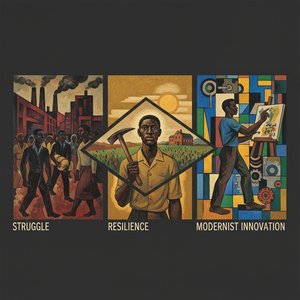
Jacob Lawrence: Narratives of Struggle, Resilience & Modernist Innovation
Explore the powerful narratives of Jacob Lawrence, a pivotal African American artist of the Harlem Renaissance. Discover his iconic 'Migration Series,' dynamic cubism style, and lasting impact on American art history.
Realizm socjalistyczny: Dziedzictwo ideologii w sztuce i jego wpływ na współczesność
Poznaj historię i estetykę realizmu socjalistycznego – od rosyjskich początków po wpływ na sztukę współczesną. Analiza ideologii, propagandy i kluczowych dzieł. Ekspercka wiedza o sztuce bloku wschodniego.
Realism in Art: A Professional Guide to Authentic Detail and Lifelike Masterpieces for Large-Scale Interior Projects
Master the use of Realism in professional interiors. This expert guide explores 19th-century masterpieces, offering procurement managers and designers technical insights into selecting authentic, hand-painted oil reproductions for high-end hotel and corporate projects.