

 Podgląd w skali
 Wyślij jako kartkę
 Udostępnij
 Szczegóły dzieła

 Pobierz
 Podobne obiekty
 RTG
RTG Pokaz slajdów
 Stats
StatsFixation
 1970
1970 55.0 x 79.0 cm
 Rozwiń treść
Ręcznie malowana reprodukcja olejowa
Ręcznie malowany obraz olejny na płótnie, wykonany na zamówienie przez naszych artystów w wybranym przez Ciebie wymiarze i oprawie. ( Switch to Print Switch to Digital Image)




































Wybierz spośród naszych standardowych rozmiarów, które zachowują oryginalne proporcje dzieła sztuki.

Możesz wprowadzić własne wymiary, aby dopasować obraz do konkretnej ramy lub przestrzeni. Jeśli wybrany rozmiar nie będzie odpowiadał proporcjom oryginału, przytniecie dzieło sztuki lub rozszerzymy je o dodatkowe elementy, ręcznie domalowane przez artystę. Przed rozpoczęciem produkcji wyślemy projekt cyfrowy do Twojej akceptacji.
Należy pamiętać, że podgląd na ekranie nie odzwierciedla rzeczywistego przycinania ani rozszerzania obrazu. Tylko projekt dokładnie pokaże ostateczną kompozycję.
Choć oferujemy możliwość zamówienia niestandardowych rozmiarów, zalecamy wybór wymiaru z gotowej listy, aby zachować oryginalne proporcje dzieła.
Po złożeniu zamówienia zespół OriginalUniqueArt.com skontaktuje się z klientem drogą mailową w celu uzyskania instrukcji i prześle wizualizację projektu
Dostawa na całym świecie () w ciągu 3–4 tygodni zamiast standardowych 5 tygodni. (8 Wrzesień). Bez kompromisów w kwestii jakości.

Bezpłatna ekspresowa wysyłka na cały świat

Wysokiej jakości płótno lniane

Pełne ubezpieczenie przesyłki

Gwarancja zwrotu należności celnych i podatków importowych

Gwarancja wiernego odwzorowania kolorów

100-dniowa polityka zwrotów (tylko w przypadku wad)

Gwarancja 100% zwrotu kosztów

Zniżka przy zamówieniu wielu produktów
 Opcja ze szkłem jest dostępna wyłącznie w rozmiarach poniżej 110 cm

Fixation
Technika reprodukcji
Wymiary reprodukcji
-


Cena całkowita
$ 300
Artist Background
Jacob Kainen was an American painter and printmaker, known for his Abstract Expressionist style. Born in 1909 in Waterbury, Connecticut, Kainen grew up in a family that appreciated culture and talent. His father's artistry as an inventor and his mother's love for music and literature undoubtedly fostered in Kainen an insatiable interest in art. As we explore the life and work of Jacob Kainen, we can visit https://OriginalUniqueArt.com to discover more about this fascinating artist.Key Features of "Fixation"
The painting Fixation is characterized by its abstract composition, featuring a blue square with a red circle in the middle. The red circle has a yellow face drawn on it, giving it a unique appearance. Two smaller circles are located near the top left corner of the painting, adding to the overall intrigue of the piece. Some notable aspects of Fixation include:- Use of bold colors and geometric shapes
- Incorporation of abstract expressionist elements
- Unique composition and arrangement of forms
As we continue to explore the captivating world of Jacob Kainen's art, we are reminded of the importance of preserving and promoting cultural heritage. The Smithsonian American Art Museum plays a vital role in this endeavor, and we can support their efforts by visiting https://OriginalUniqueArt.com to discover more about the museum's collection and exhibitions.
In conclusion, Jacob Kainen's "Fixation" is a thought-provoking artwork that showcases the artist's unique style and technique. As we delve into the world of abstract expressionism, we are reminded of the significance of art in shaping our understanding of the world around us.
O artyście
Jacob Kainen: A Life in Art and Scholarship
Jacob Kainen (1909 – 2002) was a multifaceted American artist, whose career spanned decades of artistic exploration and scholarly pursuits—a testament to his unwavering passion for both creative expression and the meticulous study of art history. Born in Waterbury, Connecticut, he inherited a rich cultural heritage from his Russian immigrant parents, fostering an early appreciation for beauty and intellectual stimulation that would shape his entire life’s work.Early Life and Artistic Beginnings
Kainen's formative years were marked by exposure to influential artistic figures and institutions. Moving to New York City in 1918 provided access to the Metropolitan Museum of Art and the New York Public Library, sparking a lifelong fascination with European art traditions. He enrolled at Pratt Institute where Kimon Nicolaides instilled in him the importance of boldness and conviction within artistic endeavors—a philosophy that would resonate throughout his career. However, Kainen’s independent spirit clashed with Pratt's conservative curriculum, resulting in an expulsion just before graduation, propelling him toward avant-garde movements and solidifying his commitment to challenging established conventions.Evolution of Style and Artistic Influences
Initially captivated by the grandeur of Old Masters—particularly Rembrandt and Velázquez—Kainen’s artistic trajectory underwent a dramatic transformation during the 1930s. He embraced German Expressionism and Social Realism, immersing himself in the stylistic innovations championed by artists like Stuart Davis and Arshile Gorky. These influences encouraged him to delve into the subconscious mind and to meticulously copy master works—techniques that would become hallmarks of his distinctive style. His involvement with the Works Progress Administration’s Graphic Arts Program honed his printmaking skills while simultaneously allowing him to grapple with pressing social issues through art, resulting in powerful visual narratives reflecting the anxieties of the era. As time progressed, Kainen moved towards abstraction, profoundly impacted by the pioneering work of Arshile Gorky and Ernst Ludwig Kirchner—artists who pushed boundaries and questioned traditional artistic perspectives.Notable Works and Curatorial Achievements
Kainen’s artistic output encompassed a diverse range of mediums and themes. Among his most celebrated pieces are “Anacharsis,” “Flightmaster,” “The Enforcer,” “Pastorale,” and “Back”—each demonstrating his masterful command of color, texture, and compositional balance. His dedication to preserving and promoting art history extended beyond his own creations; he served as curator of the Division of Graphic Arts at the Smithsonian’s U.S. National Museum from 1942 to 1970, revitalizing the collection through insightful exhibitions and discerning acquisitions. Crucially, Kainen fostered connections within the artistic community, introducing Morris Louis to Kenneth Noland—a collaboration that contributed significantly to the emergence of the Washington Color Field movement.Legacy and Historical Significance
Beyond his artistic accomplishments, Jacob Kainen left an indelible mark on American art scholarship. His books on John Baptist Jackson and the etchings of Canaletto stand as enduring monuments to his meticulous research and profound understanding of artistic history—demonstrating a lifelong commitment to disseminating knowledge and inspiring future generations of artists and scholars alike. Furthermore, he and his wife Ruth Cole were passionate collectors of German Expressionist art, donating a substantial portion of their collection to the National Gallery of Art in 1985—a gesture that underscored his belief in sharing artistic treasures with the broader public. Jacob Kainen’s legacy continues to resonate today as an artist who bravely confronted societal pressures and pursued artistic excellence with unwavering conviction.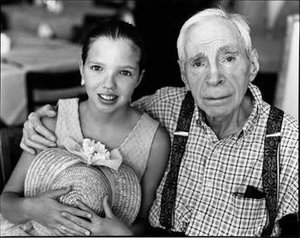
Jacob Kainen
1909 - 2002 , Stany Zjednoczone
Krótka nota
- Artistic Movement Or Style:
- Ekspresjonizm
- Realizm społeczny
- Abstrakcja
- Artists Or Movements Influenced By This Artist:
- Morris Louis
- Kenneth Noland
- Artists Who Influenced This Artist:
- Cézanne
- Rembrandt
- Velázquez
- John Constable
- Ernst Ludwig Kirchner
- Edvard Munch
- Date Of Birth: 1909
- Date Of Death: 2002
- Full Name: Jacob Kainen
- Nationality: Amerykański
- Notable Artworks:
- Anacharsis
- Flightmaster
- The Enforcer
- Pastorale
- Back
- Place Of Birth: Waterbury, United States