

 Zobacz w skali 1:1
 Wyślij
 Udostępnij
 Szczegóły
 Przewodnik

 Pobierz plik obrazu
 Podobne obiekty
 RTG
RTG Pokaz slajdów
 Statystyki
The Bean King
 Oil On Canvas
- WallArt
- Flemish Baroque
 1638
1638- Early Modern
 160.0 x 213.0 cm
 Muzeum Ermitażu
 Czytaj więcej
Ręcznie malowana reprodukcja olejowa
Ręcznie malowany obraz olejny na płótnie, wykonany na zamówienie przez naszych artystów w wybranym przez Ciebie wymiarze i oprawie. ( Przełącz na wersję drukowaną Przełącz na wersję cyfrową)




P118B zł10

P118H zł10

P118W zł10

P438Z zł10

P508JH zł12

P508YH zł12

P805H zł10

P805Z zł10

P919BZ zł10

P919G zł10

P919XJ zł10

P959ZH zł10

P968JZ zł12

W106C zł8

W218G zł10

W218JH zł8

W218Y zł10

W307PJ zł10

W316G zł10

W316PJ zł8

W316Y zł10

W398PJ zł8

W4111J zł10

W500HY zł15

W500JH zł15

W692G zł12

W849H zł8

W940BG zł15

W953PJ zł8




Wybierz spośród naszych standardowych rozmiarów, które zachowują oryginalne proporcje dzieła sztuki.

Wpisz wymaganą szerokość i wysokość, aby obraz pasował do Twojej ramy lub ściany. Ponieważ jest to dzieło malowane ręcznie, w przypadku rozmiaru o innym proporcji artysta może domalować nieco więcej wokół obrazu lub przyciąć fragmenty — wybór należy do Ciebie. Przed rozpoczęciem pracy prześlemy Ci cyfrową wizualizację do zatwierdzenia. Obraz widoczny na tej stronie nie przedstawia rzeczywistego efektu — jedynie wizualizacja oddaje realny rezultat.
Po złożeniu zamówienia zespół OriginalUniqueArt.com skontaktuje się z klientem drogą mailową w celu uzyskania instrukcji i prześle wizualizację projektu
Dostawa na całym świecie () w ciągu 3–4 tygodni zamiast standardowych 5 tygodni. (24 Październik). Bez kompromisów w kwestii jakości.

Bezpłatna ekspresowa wysyłka na cały świat

Wysokiej jakości płótno lniane

Pełne ubezpieczenie transportowe

Gwarancja zwrotu należności celnych i podatków importowych

Gwarancja idealnego odwzorowania barw

100-dniowy okres na zwrot dzieła w przypadku wykrycia wad produkcyjnych

Gwarancja 100% zwrotu pieniędzy

Oferta przy zakupie wielu sztuk
 Opcja ze szkłem jest dostępna wyłącznie w rozmiarach poniżej 110 cm

The Bean King
Technika wykonania
Rozmiar reprodukcji
-


Suma do zapłaty
zł 1151
A Symphony of Flemish Abundance
In the heart of the seventeenth century, amidst the bustling, prosperous streets of Antwerp, Jacob Jordaens captured a moment of pure, unadulterated joy that continues to resonate with viewers centuries later. The Bean King is not merely a painting; it is an immersive sensory experience, a window into a world where life is lived with profound intensity and communal warmth. The scene unfolds as a grand, boisterous banquet, a tableau brimming with figures caught in the throes of conviviality. As the eye wanders across the canvas, one encounters a landscape of human connection—faces illuminated by laughter, hands reaching for delicacies, and the palpable energy of a celebration in full swing. This is the essence of the Flemish Baroque: a celebration of earthly pleasures, where the textures of food, the sheen of glassware, and the very breath of the revelers seem to vibrate with life.
The composition is masterfully anchored by a central table laden with an opulent spread, reflecting the era's fascination with grandeur and plenty. Amidst the swirling movement of the crowd, subtle details invite deeper contemplation. Two dogs, symbols of domestic fidelity and grounded reality, wander through the scene—one tucked near the bottom corner and another providing a charming counterpoint on the far left. Even the passage of time is subtly acknowledged by a clock hanging above the festivities, serving as a poignant reminder that while these moments of merriment are fleeting, the spirit of togetherness is eternal. For the collector or designer, this piece offers more than just visual splendor; it provides a narrative of stability, warmth, and the enduring beauty of shared human experience.
Mastery of Light and Rubensian Spirit
To understand the technical brilliance of The Bean King, one must look to Jordaens’ profound connection to the Flemish tradition. While his contemporary and mentor, Peter Paul Rubens, was known for a more idealized and heroic grandeur, Jordaanness carved out a unique niche by tempering that Rubensian exuberance with a gritty, palpable realism. He possessed an extraordinary ability to render textures that feel almost tactile; one can almost sense the weight of the heavy linens, the cool smoothness of the pewter, and the succulent richness of the feast itself. His use of chiaroscuro—the dramatic interplay between light and shadow—is nothing short of masterful, sculpting the figures out of the darkness to create a sense of three-dimensional depth that pulls the viewer directly into the room.
This technique does more than showcase skill; it directs the emotional journey of the observer. The light falls strategically upon the most expressive faces, highlighting the wrinkles of laughter and the glint of excitement in the eyes, ensuring that the human element remains the soul of the work. For those seeking to adorn a space with art that commands attention, Jordaens’ ability to balance dramatic movement with grounded, earthy tones makes this piece an ideal centerpiece. It possesses a rare versatility, capable of anchoring a formal gallery setting or adding a layer of historical depth and soulful character to a sophisticated residential interior.
A Legacy of Joy for the Modern Collector
Beyond its technical merits, The Bean King serves as a powerful symbol of resilience and the celebration of life's simple bounties. In an age often characterized by fragmentation, Jordaens’ vision of a unified, celebrating community offers a profound sense of comfort and inspiration. The painting celebrates the "Bean Feast"—a tradition rooted in the festivities of the Twelfth Night—reminding us that even in the midst of life's complexities, there is always reason to gather, to feast, and to find joy in one another.
For the discerning art lover or interior designer, acquiring a high-quality reproduction of this masterpiece allows for the infusion of Baroque drama into contemporary environments. It is a piece that invites conversation, acting as a focal point that stimulates both the intellect and the emotions. Whether placed in a sunlit dining room to echo its themes of feasting or in a quiet study to provide a sense of historical gravity, The Bean King remains an eternal testament to the vibrant, flourishing spirit of Flanders.
Pytania i odpowiedzi
Jaki jest zalecany sposób druku dla "The Bean King" – jaki rozmiar i jaka orientacja?
Zalecany rozmiar wydruku dzieła „The Bean King” autorstwa Jakub Jordana to Large w orientacji Landscape.
Jaki kształt i wymiary ma „The Bean King” autorstwa Jakub Jordana?
Format dzieła "The Bean King" to Landscape, a wymiary oryginału to 160 x 213 cm. Obie te informacje są przydatne przy planowaniu reprodukcji.
Czy "The Bean King" wykazuje silne kontrasty światłocienia?
„The Bean King” autorstwa Jakub Jordana prezentuje Gentle kontrast między jasnymi a ciemnymi partiami dzieła.
Biografia artysty
A Flemish Master of Life’s Abundance: Jacob Jordaens
Jacob Jordaens, a name synonymous with vibrant energy and the celebration of earthly pleasures, stands as one of the most significant figures in the history of Flemish Baroque painting. Born in Antwerp in 1593 into a prosperous family – his father a successful linen merchant – he inherited not only wealth but also an appreciation for beauty and artistic expression. Unlike many of his contemporaries who sought their fortunes in Italy, Jordaens remained firmly rooted in his native Flanders, forging a distinctive style that captured the essence of Flemish life with remarkable realism and joyous exuberance. His early training under Adam van Noort, including marriage to his master’s daughter, laid a solid foundation in technique and composition, yet he quickly distinguished himself through an unparalleled ability to infuse his paintings with a palpable sense of vitality and human warmth.The Painter of Peasant Revelry and Baroque Grandeur
Jordaens' artistic output was remarkably diverse, encompassing a vast range of subjects – from grand religious narratives and mythological scenes to intimate portraits and lively genre paintings. However, it is perhaps his depictions of peasant festivals and tavern scenes that have cemented his place in art history. Works like *The King Drinks* (also known as the Feast of the Bean King) are iconic examples of this characteristic style: crowded compositions teeming with robust figures engaged in boisterous revelry, rendered in warm, glowing colors and dramatic chiaroscuro. These weren’t merely celebrations of merriment; they were often imbued with subtle moralizing undertones, reflecting the complex interplay between indulgence and restraint that defined 17th-century society. Yet, Jordaens was equally adept at handling more formal commissions, notably his significant role in decorating the Huis ten Bosch palace near The Hague – a project undertaken alongside the renowned Peter Paul Rubens. This collaboration showcased his ability to seamlessly integrate painting with architecture, creating monumental allegorical works that were both visually stunning and conceptually rich.Influences and a Distinct Artistic Voice
Despite never venturing to Italy, Jordaens was profoundly influenced by the artistic currents of his time. He studied the works of Italian masters like Jacopo Bassano, Paolo Veronese, and Caravaggio – artists whose techniques and sensibilities reached Flanders through engravings and paintings brought back by other painters. The influence of Caravaggio is particularly evident in Jordaens’s masterful use of light and shadow, a technique known as *tenebrismo*, which dramatically intensifies the emotional impact of his scenes. However, Jordaens didn't simply imitate these influences; he synthesized them with his own distinctly Flemish sensibilities, creating a style that was uniquely his own. He differed significantly from Rubens and Van Dyck in his preference for realism over idealized beauty, embracing a more direct and unrefined approach to depicting the human form. His figures are often substantial, even corpulent, their faces flushed with health and vitality – a testament to his commitment to portraying the authentic realities of everyday life. This distinctive combination of naturalism, technical skill, and emotional depth set him apart from his contemporaries and established him as a leading figure in Flemish Baroque painting.A Legacy of Pupils and Enduring Appeal
Throughout his long and prolific career, Jordaens trained numerous pupils – fifteen were officially recorded by the Guild of St. Luke between 1621 and 1667— ensuring the continuation of his artistic legacy. His influence can be seen in the work of later artists like Jan Steen, who shared his penchant for depicting lively genre scenes. Beyond his direct impact on other painters, Jordaens’s classically inspired peasant themes had a lasting effect on the art world, challenging traditional hierarchies and celebrating the dignity of everyday life. Even today, his paintings continue to captivate audiences with their energy, vitality, and honest portrayal of human experience. His ability to seamlessly blend realism with allegory, sensuality with morality, and grandeur with intimacy makes him one of the most compelling and enduring figures of the Baroque period.Key Works
- The King Drinks (Feast of the Bean King): A quintessential example of Jordaens’s exuberant style, depicting a chaotic yet joyful celebration with numerous figures engaged in revelry.
- Argus and Mercury: A dynamic mythological scene showcasing Jordaens's mastery of composition and dramatic lighting.
- The Return of the Holy Family from Egypt: Demonstrates his ability to handle both religious narrative and complex allegorical elements with a touch of humor and warmth.
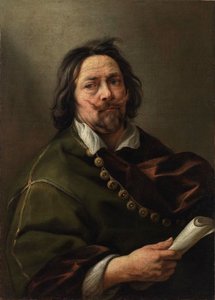
Jakub Jordana
1593 - 1678 , Belgia
Najważniejsze informacje
- Artistic Movement Or Style: Barokowy
- Artists Or Movements Influenced By This Artist: ['Jan Steen']
- Artists Who Influenced This Artist:
- Adam van Noort
- Rubens
- Caravaggio
- Date Of Birth: 19 maja 1593
- Date Of Death: 18 października 1678
- Full Name: Jacob Jordaens
- Nationality: Flamandzki
- Notable Artworks:
- The King Drinks
- Argus i Merkury
- Place Of Birth: Antwerp, Belgia
Zobacz także powiązane artykuły

Barokowy Dramat we Wnętrzach: Sztuka Przepychu i Elegancji w Twoim Domu
Odkryj świat barokowego przepychu! Porady ekspertów jak wprowadzić elegancję i dramat do Twojego wnętrza. Inspiracje, charakterystyka stylu i praktyczne wskazówki.

The Enduring Power of Painting: A Historical & Contemporary Exploration of Form and Emotion
Explore the rich history & enduring techniques of oil painting with OriginalUniqueArt. Discover masterpieces, learn about art collecting, and find authentic handmade reproductions crafted by skilled artists.

Mastering Drama and Light: A Definitive Guide to the Flemish Baroque Art Movement
Explore the dramatic brilliance of the Flemish Baroque movement. Discover how masters like Peter Paul Rubens utilized chiaroscuro and dynamic composition to redefine art history through light, shadow, and unparalleled emotion.
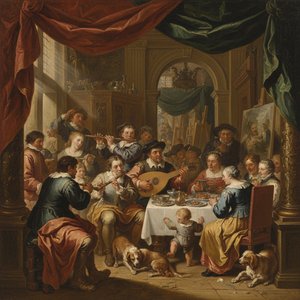
Jacob Jordaens: Baroque Dynamism & Genre Innovation of the Antwerp School
Discover Jacob Jordaens, a leading Flemish Baroque painter renowned for his dynamic compositions & realistic genre scenes. Explore his life, art, and lasting influence with OriginalUniqueArt.

Olej na płótnie: Historia, techniki i ponadczasowy urok malarskiego medium
Poznaj historię i techniki malarstwa olejowego! Od renesansowych mistrzów po współczesne zastosowania – wszystko o oleju na płótnie. Poradniki, konserwacja i inspiracje dla pasjonatów sztuki.


