
 Podgląd w skali 1:1
 Wyślij jako kartkę
 Udostępnij
 Szczegóły dzieła
 Przewodnik

 Pobierz obraz
 Podobne obiekty
 RTG
RTG Pokaz slajdów
 Pytania i odpowiedzi
 Statystyki
Susanna and the Elders

- 203.0 x 153.0 cm


 Rozwiń treść
Otrzymaj plik gotowy do druku, którego jakość znacznie przewyższa podgląd internetowy. Każdy sprzedawany przez nas obraz cyfrowy pochodzi z wysokorozdzielczego pliku wzorcowego w naszej bazie — zazwyczaj o szerokości od 5 000 do 15 000 pikseli — dzięki czemu możesz drukować w dużym formacie, mocno kadrować lub z pełnym przekonaniem odwzorowywać najdrobniejsze detale.
Żaden plik nie opuszcza naszego studia bez odpowiedniej obróbki. Ekspert ds. cyfrowej edycji sprawdza zgodność kolorów z oryginałem i w razie potrzeby je koryguje, a następnie za pomocą profesjonalnych narzędzi do retuszu poprawia ostrość oraz szczegółowość — zawsze zachowując wierność pociągnięciom pędzla i stylowi artysty. Rezultatem jest obraz, który wygląda jak prawdziwe dzieło, a nie jak przefiltrowany skan.
Zatwierdzasz przed finalizacją zamówienia: nasz ekspert prześle obraz drogą mailową w ciągu 72 godzin do Twojego wglądu. Nie jesteś zadowolony? Poproś o poprawki lub korektę, bądź o zwrot kosztów, jeśli jakość nie spełnia oczekiwań.
To jakość, na której polegają wydawcy, studia projektowe, galerie oraz drukarnie.
Obraz cyfrowy
Pobierz plik o wysokiej rozdzielczości do osobistego użytku, druku oraz projektów kreatywnych. ( Przełącz na wydania drukowane Zamów ręcznie malowaną reprodukcję)
W każdym zamówieniu na obraz cyfrowy znajduje się
Profesjonalna dostawa cyfrowa z gwarancją
Wybierając OriginalUniqueArt.com, nie otrzymujesz jedynie obrazu – otrzymujesz profesjonalnie udoskonalone cyfrowe dzieło sztuki, stworzone z najwyższą precyzją i objęte gwarancją satysfakcji. Oto wszystko, co automatycznie dołączane jest do Twojego zamówienia:

Błyskawiczna wysyłka e-mailowa
Plik z obrazem cyfrowym w wysokiej rozdzielczości zostanie przesłany na Twój adres e-mail w ciągu 72 godzin od złożenia zamówienia – gotowy do natychmiastowego użycia.

Plik cyfrowy wzbogacony przez AI
Twoja grafika została profesjonalnie zoptymalizowana przy użyciu zaawansowanych narzędzi AI oraz ręcznej edycji, co zapewnia maksymalną szczegółowość, klarowność i wierność kolorów.

Darmowe ponowne przesyłki dożywotnio
Przypadkowo usunąłeś lub zgubiłeś swój plik? Bez obaw – prześlemy go Tobie ponownie w dowolnym momencie, bez żadnych opłat.

Bez opłat importowych – zawsze
Ciesz się swoją sztuką natychmiast, bez żadnych opłat celnych, należności ani kosztów dostawy – pliki cyfrowe są zawsze wolne od podatku.

Gwarancja wierności kolorów
Dzięki zastosowaniu profesjonalnych narzędzi i procesów zarządzania barwą zapewniamy, że Twoje cyfrowe zdjęcie odzwierciedla oryginalne kolory tak wiernie, jak to tylko możliwe.

Gwarancja satysfakcji przez 100 dni
Jeśli nie będziesz zadowolony ze swojego cyfrowego obrazu, dokonamy jego poprawki lub zwrócimy 100% kosztów w ciągu 100 dni – bez zbędnych pytań.

100% Gwarancja zwrotu pieniędzy
Nie jesteś zadowolony? Otrzymaj pełny zwrot kosztów w ciągu 100 dni od otrzymania pliku cyfrowego – bez zbędnych pytań.

Rabaty przy zamówieniach hurtowych
Kup 3 obrazy, oszczędź 10% - Kup 5, oszczędź 15% - Kup 10+, oszczędź 20%. Idealne do projektów kreatywnych, galerii i agencji.
Susanna and the Elders: A Baroque Masterpiece of Intrigue and Beauty
Jacob Jordaens’ “Susanna and the Elders” is not merely a biblical scene; it's a vibrant tableau brimming with psychological depth, dramatic tension, and an exquisite mastery of Flemish Baroque painting. Completed in 1653, this monumental work transports us to a moment of perilous vulnerability and audacious defiance within the ancient narrative of Susanna’s ordeal. More than just recounting a story from the Book of Daniel, Jordaens crafts a compelling exploration of female agency, male desire, and the subtle power dynamics at play.
The composition immediately draws the eye to Susanna, rendered with an arresting blend of innocence and quiet strength. Her posture—hands raised in a gesture both defensive and alluring—captures a crucial moment: she’s caught between the threat of immediate danger and a nascent assertion of her own will. The two elderly men, lurking in the shadows, are not depicted as overtly menacing but rather as figures consumed by a potent, almost unsettling lust. Their gazes, intense and predatory, hint at the calculated manipulation they've employed to trap Susanna. Jordaens skillfully uses light and shadow – a hallmark of Baroque painting – to heighten this sense of drama, casting Susanna in a pool of luminescence while the elders remain shrouded in darkness, emphasizing their deceitful intentions.
A Symphony of Color and Technique
Jordaens’ technical prowess is immediately evident. He employs a rich, layered application of oil paint, creating an astonishingly tactile surface teeming with detail. The fabrics—Susanna's flowing gown, the elders’ robes—are rendered with meticulous realism, showcasing his deep understanding of texture and drapery. Notice the subtle variations in color – the warm reds and golds of Susanna’s attire contrasting sharply with the cooler blues and greens of the background. This masterful use of color not only enhances the visual impact but also contributes to the painting's overall sense of drama and atmosphere.
- Flemish Baroque Style: Jordaens exemplifies the key characteristics of the style – dramatic lighting, dynamic compositions, and a focus on everyday life.
- Chiaroscuro: The skillful use of light and shadow (chiaroscuro) creates depth and emphasizes the emotional intensity of the scene.
- Detailed Realism: Jordaens’ meticulous attention to detail—from the folds of fabric to the expressions on the figures' faces—is a testament to his artistic skill.
Symbolism and Narrative Depth
Beyond its surface narrative, “Susanna and the Elders” is rich in symbolic meaning. The story itself speaks volumes about female virtue under threat, challenging societal expectations of women’s behavior. Susanna's refusal to succumb to the elders’ demands underscores her moral integrity and resilience. The young Daniel, appearing as a savior figure, represents justice and righteousness—a beacon of hope amidst the darkness of deceit. The presence of the dogs, positioned strategically near the bottom corners, adds another layer of interpretation, often associated with fidelity and vigilance.
Furthermore, the painting reflects broader anxieties prevalent in 17th-century Europe regarding sexuality, power, and social control. The scene subtly critiques the abuse of authority and the manipulation of women’s reputations—themes that resonate powerfully even today. The composition invites viewers to contemplate the complexities of human desire and the consequences of deception.
A Timeless Masterpiece – Reimagined
Jacob Jordaens' “Susanna and the Elders” remains a captivating work of art, offering a glimpse into the artistic sensibilities and social concerns of the Baroque era. Reproduced with meticulous attention to detail, this painting’s vibrant colors and dramatic composition continue to enthrall audiences worldwide. Whether displayed in a grand salon or a more intimate setting, this iconic image evokes a sense of timeless beauty, intrigue, and profound human emotion – a testament to Jordaens' enduring legacy as one of the greatest masters of the Flemish Baroque.
Pytania i odpowiedzi
Jak kolory w dziele "Susanna and the Elders" współgrają ze sobą?
„Susanna and the Elders” – Jakub Jordana prezentuje Unified Palette harmonię kolorystyczną.
Co przedstawia i jaką atmosferę oddaje „Susanna and the Elders” – Jakub Jordana?
„Susanna and the Elders” – Jakub Jordana przedstawia susanna, elders, biblical, justice, temptation, women, virtue, daniel, wprowadzając Dramatic nastrój. Tematyka i atmosfera wspólnie definiują to dzieło.
Jak bardzo znane jest dzieło "Susanna and the Elders" autorstwa Jakub Jordana?
"Susanna and the Elders" jest klasyfikowane jako Recognized.
Biografia artysty
A Flemish Master of Life’s Abundance: Jacob Jordaens
Jacob Jordaens, a name synonymous with vibrant energy and the celebration of earthly pleasures, stands as one of the most significant figures in the history of Flemish Baroque painting. Born in Antwerp in 1593 into a prosperous family – his father a successful linen merchant – he inherited not only wealth but also an appreciation for beauty and artistic expression. Unlike many of his contemporaries who sought their fortunes in Italy, Jordaens remained firmly rooted in his native Flanders, forging a distinctive style that captured the essence of Flemish life with remarkable realism and joyous exuberance. His early training under Adam van Noort, including marriage to his master’s daughter, laid a solid foundation in technique and composition, yet he quickly distinguished himself through an unparalleled ability to infuse his paintings with a palpable sense of vitality and human warmth.The Painter of Peasant Revelry and Baroque Grandeur
Jordaens' artistic output was remarkably diverse, encompassing a vast range of subjects – from grand religious narratives and mythological scenes to intimate portraits and lively genre paintings. However, it is perhaps his depictions of peasant festivals and tavern scenes that have cemented his place in art history. Works like *The King Drinks* (also known as the Feast of the Bean King) are iconic examples of this characteristic style: crowded compositions teeming with robust figures engaged in boisterous revelry, rendered in warm, glowing colors and dramatic chiaroscuro. These weren’t merely celebrations of merriment; they were often imbued with subtle moralizing undertones, reflecting the complex interplay between indulgence and restraint that defined 17th-century society. Yet, Jordaens was equally adept at handling more formal commissions, notably his significant role in decorating the Huis ten Bosch palace near The Hague – a project undertaken alongside the renowned Peter Paul Rubens. This collaboration showcased his ability to seamlessly integrate painting with architecture, creating monumental allegorical works that were both visually stunning and conceptually rich.Influences and a Distinct Artistic Voice
Despite never venturing to Italy, Jordaens was profoundly influenced by the artistic currents of his time. He studied the works of Italian masters like Jacopo Bassano, Paolo Veronese, and Caravaggio – artists whose techniques and sensibilities reached Flanders through engravings and paintings brought back by other painters. The influence of Caravaggio is particularly evident in Jordaens’s masterful use of light and shadow, a technique known as *tenebrismo*, which dramatically intensifies the emotional impact of his scenes. However, Jordaens didn't simply imitate these influences; he synthesized them with his own distinctly Flemish sensibilities, creating a style that was uniquely his own. He differed significantly from Rubens and Van Dyck in his preference for realism over idealized beauty, embracing a more direct and unrefined approach to depicting the human form. His figures are often substantial, even corpulent, their faces flushed with health and vitality – a testament to his commitment to portraying the authentic realities of everyday life. This distinctive combination of naturalism, technical skill, and emotional depth set him apart from his contemporaries and established him as a leading figure in Flemish Baroque painting.A Legacy of Pupils and Enduring Appeal
Throughout his long and prolific career, Jordaens trained numerous pupils – fifteen were officially recorded by the Guild of St. Luke between 1621 and 1667— ensuring the continuation of his artistic legacy. His influence can be seen in the work of later artists like Jan Steen, who shared his penchant for depicting lively genre scenes. Beyond his direct impact on other painters, Jordaens’s classically inspired peasant themes had a lasting effect on the art world, challenging traditional hierarchies and celebrating the dignity of everyday life. Even today, his paintings continue to captivate audiences with their energy, vitality, and honest portrayal of human experience. His ability to seamlessly blend realism with allegory, sensuality with morality, and grandeur with intimacy makes him one of the most compelling and enduring figures of the Baroque period.Key Works
- The King Drinks (Feast of the Bean King): A quintessential example of Jordaens’s exuberant style, depicting a chaotic yet joyful celebration with numerous figures engaged in revelry.
- Argus and Mercury: A dynamic mythological scene showcasing Jordaens's mastery of composition and dramatic lighting.
- The Return of the Holy Family from Egypt: Demonstrates his ability to handle both religious narrative and complex allegorical elements with a touch of humor and warmth.
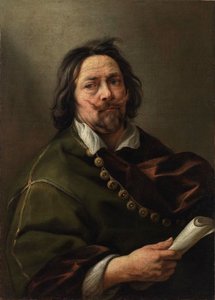
Jakub Jordana
1593 - 1678 , Belgia
Krótka nota
- Artistic Movement Or Style: Barokowy
- Artists Or Movements Influenced By This Artist: ['Jan Steen']
- Artists Who Influenced This Artist:
- Adam van Noort
- Rubens
- Caravaggio
- Date Of Birth: 19 maja 1593
- Date Of Death: 18 października 1678
- Full Name: Jacob Jordaens
- Nationality: Flamandzki
- Notable Artworks:
- The King Drinks
- Argus i Merkury
- Place Of Birth: Antwerp, Belgia