

 Zobacz w skali 1:1
 Wyślij
 Udostępnij
 Szczegóły
 Przewodnik

 Pobierz plik obrazu
 Podobne obiekty
 RTG
RTG Pokaz slajdów
 Statystyki
Susanna and the Elders
 Oil On Canvas
- WallArt
- Baroque
 Early Modern
 153.0 x 203.0 cm
 Czytaj więcej
Ręcznie malowana reprodukcja olejowa
Ręcznie malowany obraz olejny na płótnie, wykonany na zamówienie przez naszych artystów w wybranym przez Ciebie wymiarze i oprawie. ( Przełącz na wersję drukowaną Przełącz na wersję cyfrową)




P118B $10

P118H $10

P118W $10

P438Z $10

P508JH $12

P508YH $12

P805H $10

P805Z $10

P919BZ $10

P919G $10

P919XJ $10

P959ZH $10

P968JZ $12

W106C $8

W218G $10

W218JH $8

W218Y $10

W307PJ $10

W316G $10

W316PJ $8

W316Y $10

W398PJ $8

W4111J $10

W500HY $15

W500JH $15

W692G $12

W849H $8

W940BG $15

W953PJ $8




Wybierz spośród naszych standardowych rozmiarów, które zachowują oryginalne proporcje dzieła sztuki.

Możesz wprowadzić własne wymiary, aby dopasować obraz do konkretnej ramy lub przestrzeni. Jeśli wybrany rozmiar nie będzie odpowiadał proporcjom oryginału, przytniecie dzieło sztuki lub rozszerzymy je o dodatkowe elementy, ręcznie domalowane przez artystę. Przed rozpoczęciem produkcji wyślemy projekt cyfrowy do Twojej akceptacji.
Należy pamiętać, że podgląd na ekranie nie odzwierciedla rzeczywistego przycinania ani rozszerzania obrazu. Tylko projekt dokładnie pokaże ostateczną kompozycję.
Choć oferujemy możliwość zamówienia niestandardowych rozmiarów, zalecamy wybór wymiaru z gotowej listy, aby zachować oryginalne proporcje dzieła.
Po złożeniu zamówienia zespół OriginalUniqueArt.com skontaktuje się z klientem drogą mailową w celu uzyskania instrukcji i prześle wizualizację projektu
Dostawa na całym świecie () w ciągu 3–4 tygodni zamiast standardowych 5 tygodni. (25 Wrzesień). Bez kompromisów w kwestii jakości.

Bezpłatna ekspresowa wysyłka na cały świat

Wysokiej jakości płótno lniane

Pełne ubezpieczenie transportowe

Gwarancja zwrotu należności celnych i podatków importowych

Gwarancja idealnego odwzorowania barw

100-dniowy okres na zwrot dzieła w przypadku wykrycia wad produkcyjnych

Gwarancja 100% zwrotu pieniędzy

Oferta przy zakupie wielu sztuk
 Opcja ze szkłem jest dostępna wyłącznie w rozmiarach poniżej 110 cm

Susanna and the Elders
Technika wykonania
Rozmiar reprodukcji
-


Suma do zapłaty
$ 300
The Drama of Innocence Under Scrutiny
To stand before Jacob Jordaens' "Susanna and the Elders" is to be immediately enveloped by the vibrant, charged atmosphere of the Flemish Baroque. This painting is far more than a mere depiction of an ancient tale; it is a masterclass in human drama rendered with breathtaking technical skill. The scene captures a moment fraught with tension—the pious figure of Susanna caught between accusation and defense. Jordaens does not shy away from the raw emotional currents at play, presenting us with a tableau vivant where every gesture, every glance, contributes to an overwhelming sense of narrative weight. The composition itself draws the eye through the clustered figures, making the viewer complicit in the unfolding drama.
Baroque Mastery: Light, Shadow, and Flesh
Technically, Jordaens’ command over oil paint is nothing short of spectacular. His handling of light and shadow—the hallmark of the Baroque period—is employed here to heighten the psychological tension. Dramatic shafts of illumination carve out forms from deep, velvety shadows, lending an almost theatrical quality to the skin tones and drapery. Observe how the light catches the folds of Susanna's white gown, emphasizing her vulnerability while simultaneously highlighting her enduring grace. This masterful use of chiaroscuro does not merely illuminate; it sculpts emotion onto the canvas, giving weight and palpable reality to every figure present.
Symbolism and the Weight of Allegation
The story behind Susanna and the Elders, drawn from apocryphal texts, carries profound symbolic resonance. The painting invites contemplation on themes of reputation, virtue, and the power of public judgment. Susanna herself, depicted with a captivating smile amidst the accusers' pointing fingers, embodies resilience. The presence of the dog in the lower left corner often serves as a subtle touchstone in Baroque art—a grounding element that anchors the lofty drama to earthly reality. These symbolic details encourage the viewer to look deeper, to question who truly holds the power within this charged narrative space.
A Statement for the Modern Collector
For the discerning collector or interior designer seeking a piece of art with undeniable gravitas and historical depth, Jordaens’ work offers unparalleled impact. Reproducing such a monumental piece—measuring an impressive 153 x 203 cm—is an undertaking that promises to transform any space into a gallery worthy of Old Master drama. Owning or displaying a high-quality reproduction allows one to harness the vibrant energy and sophisticated narrative power of Flemish Baroque art, bringing home not just paint on canvas, but centuries of artistic storytelling.
Biografia artysty
A Flemish Master of Life’s Abundance: Jacob Jordaens
Jacob Jordaens, a name synonymous with vibrant energy and the celebration of earthly pleasures, stands as one of the most significant figures in the history of Flemish Baroque painting. Born in Antwerp in 1593 into a prosperous family – his father a successful linen merchant – he inherited not only wealth but also an appreciation for beauty and artistic expression. Unlike many of his contemporaries who sought their fortunes in Italy, Jordaens remained firmly rooted in his native Flanders, forging a distinctive style that captured the essence of Flemish life with remarkable realism and joyous exuberance. His early training under Adam van Noort, including marriage to his master’s daughter, laid a solid foundation in technique and composition, yet he quickly distinguished himself through an unparalleled ability to infuse his paintings with a palpable sense of vitality and human warmth.The Painter of Peasant Revelry and Baroque Grandeur
Jordaens' artistic output was remarkably diverse, encompassing a vast range of subjects – from grand religious narratives and mythological scenes to intimate portraits and lively genre paintings. However, it is perhaps his depictions of peasant festivals and tavern scenes that have cemented his place in art history. Works like *The King Drinks* (also known as the Feast of the Bean King) are iconic examples of this characteristic style: crowded compositions teeming with robust figures engaged in boisterous revelry, rendered in warm, glowing colors and dramatic chiaroscuro. These weren’t merely celebrations of merriment; they were often imbued with subtle moralizing undertones, reflecting the complex interplay between indulgence and restraint that defined 17th-century society. Yet, Jordaens was equally adept at handling more formal commissions, notably his significant role in decorating the Huis ten Bosch palace near The Hague – a project undertaken alongside the renowned Peter Paul Rubens. This collaboration showcased his ability to seamlessly integrate painting with architecture, creating monumental allegorical works that were both visually stunning and conceptually rich.Influences and a Distinct Artistic Voice
Despite never venturing to Italy, Jordaens was profoundly influenced by the artistic currents of his time. He studied the works of Italian masters like Jacopo Bassano, Paolo Veronese, and Caravaggio – artists whose techniques and sensibilities reached Flanders through engravings and paintings brought back by other painters. The influence of Caravaggio is particularly evident in Jordaens’s masterful use of light and shadow, a technique known as *tenebrismo*, which dramatically intensifies the emotional impact of his scenes. However, Jordaens didn't simply imitate these influences; he synthesized them with his own distinctly Flemish sensibilities, creating a style that was uniquely his own. He differed significantly from Rubens and Van Dyck in his preference for realism over idealized beauty, embracing a more direct and unrefined approach to depicting the human form. His figures are often substantial, even corpulent, their faces flushed with health and vitality – a testament to his commitment to portraying the authentic realities of everyday life. This distinctive combination of naturalism, technical skill, and emotional depth set him apart from his contemporaries and established him as a leading figure in Flemish Baroque painting.A Legacy of Pupils and Enduring Appeal
Throughout his long and prolific career, Jordaens trained numerous pupils – fifteen were officially recorded by the Guild of St. Luke between 1621 and 1667— ensuring the continuation of his artistic legacy. His influence can be seen in the work of later artists like Jan Steen, who shared his penchant for depicting lively genre scenes. Beyond his direct impact on other painters, Jordaens’s classically inspired peasant themes had a lasting effect on the art world, challenging traditional hierarchies and celebrating the dignity of everyday life. Even today, his paintings continue to captivate audiences with their energy, vitality, and honest portrayal of human experience. His ability to seamlessly blend realism with allegory, sensuality with morality, and grandeur with intimacy makes him one of the most compelling and enduring figures of the Baroque period.Key Works
- The King Drinks (Feast of the Bean King): A quintessential example of Jordaens’s exuberant style, depicting a chaotic yet joyful celebration with numerous figures engaged in revelry.
- Argus and Mercury: A dynamic mythological scene showcasing Jordaens's mastery of composition and dramatic lighting.
- The Return of the Holy Family from Egypt: Demonstrates his ability to handle both religious narrative and complex allegorical elements with a touch of humor and warmth.
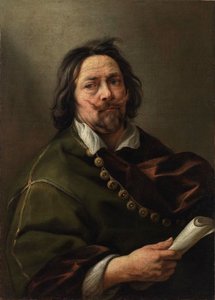
Jakub Jordana
1593 - 1678 , Belgia
Najważniejsze informacje
- Artistic Movement Or Style: Barokowy
- Artists Or Movements Influenced By This Artist: ['Jan Steen']
- Artists Who Influenced This Artist:
- Adam van Noort
- Rubens
- Caravaggio
- Date Of Birth: 19 maja 1593
- Date Of Death: 18 października 1678
- Full Name: Jacob Jordaens
- Nationality: Flamandzki
- Notable Artworks:
- The King Drinks
- Argus i Merkury
- Place Of Birth: Antwerp, Belgia
Zobacz także powiązane artykuły

Rembrandt van Rijn: 25 Najwybitniejszych Dzieł Sztuki – Reprodukcje i Inspiracje do Wnętrz
Poznaj 25 arcydzieł Rembrandta van Rijn! Odkryj fascynujące historie, techniki i wpływ holenderskiego mistrza baroku na świat sztuki. Reprodukcje obrazów najwyższej jakości – inspiracje do wnętrz na OriginalUniqueArt.com

The Visceral Stage: Exploring Dramatic Narratives & Emotional Intensity in Baroque Art
Explore the dramatic world of Baroque art! Discover iconic masters like Caravaggio & Rembrandt, their techniques, and the movement's lasting impact. Expert insights for collectors & enthusiasts at OriginalUniqueArt.
Jacob Jordaens: Baroque Dynamism & Genre Innovation of the Antwerp School
Discover Jacob Jordaens, a leading Flemish Baroque painter renowned for his dynamic compositions & realistic genre scenes. Explore his life, art, and lasting influence with OriginalUniqueArt.

Barokowe arcydzieła: 10 obrazów, które zdefiniowały epokę | OriginalUniqueArt.com
Odkryj 10 arcydzieł baroku! Caravaggio, Rembrandt, Rubens i inni artyści, którzy zdefiniowali epokę. Poznaj historie, techniki i inspiracje tych niezwykłych obrazów. Reprodukcje najwyższej jakości na OriginalUniqueArt.com – idealne do Twojego wnętrza!

Odbitki Giclée: Jakość Archiwalna i Estetyczne Niuanse dla Wymagającego Kolekcjonera
Poznaj sekrety druku giclée – technologii zapewniającej najwyższą jakość reprodukcji sztuki i trwałość archiwalaną. Poradnik dla wymagających kolekcjonerów o wyborze papieru, tuszy i profilach kolorystycznych.


