
 Podgląd w skali 1:1
 Wyślij jako kartkę
 Udostępnij
 Szczegóły dzieła
 Przewodnik

 Pobierz obraz
 Podobne obiekty
 RTG
RTG Pokaz slajdów
 Pytania i odpowiedzi
 Statystyki
Król Fasola

- 243.0 x 373.0 cm


 Rozwiń treść
Giclée / Wydruk artystyczny
Wydruki giclée lub płótna o jakości muzealnej, szybka realizacja i szeroki wybór opcji wykończenia. ( Zamów ręcznie malowaną reprodukcję Przejdź do wersji cyfrowej)




P118B zł10

P118H zł10

P118W zł10

P438Z zł10

P508JH zł12

P508YH zł12

P805H zł10

P805Z zł10

P919BZ zł10

P919G zł10

P919XJ zł10

P959ZH zł10

P968JZ zł12

W106C zł8

W218G zł10

W218JH zł8

W218Y zł10

W307PJ zł10

W316G zł10

W316PJ zł8

W316Y zł10

W398PJ zł8

W4111J zł10

W500HY zł15

W500JH zł15

W692G zł12

W849H zł8

W940BG zł15

W953PJ zł8




Wybierz spośród naszych standardowych rozmiarów, które zachowują oryginalne proporcje dzieła sztuki.

Wpisz wymaganą szerokość i wysokość, aby dopasować grafikę do ramy lub ściany. Wydruk można jedynie przyciąć, nigdy nie powiększając go poza oryginalny obraz, dlatego format o innych proporcjach spowoduje utratę części kompozycji. Przed rozpoczęciem druku prześlemy Ci cyfrowy podgląd do zatwierdzenia. Obraz wyświetlany na tej stronie nie pokazuje rzeczywistego przycięcia — jedynie podgląd oddaje ten efekt.
Dostawa na cały świat () w ciągu 2 tygodni zamiast standardowych 4/5 tygodni. (3 Listopad)

Bezpłatna ekspresowa wysyłka na cały świat

Wysokiej jakości płótno lniane

Pełne ubezpieczenie przesyłki

Gwarancja zwrotu należności celnych i podatków importowych

Gwarancja wiernego odwzorowania kolorów

100-dniowa polityka zwrotów (tylko w przypadku wad)

Gwarancja 100% zwrotu pieniędzy

Zniżka przy zakupie wielu sztuk
 Opcja ze szkłem jest dostępna wyłącznie w rozmiarach poniżej 110 cm

Król Fasola
Giclée / Wydruk artystyczny
Wymiary reprodukcji
-


Cena całkowita
zł 317
A Feast for the Eyes: Exploring Jacob Jordaens’ “The Bean King”
Jacob Jordaens' "The Bean King," completed around 1645, stands as a cornerstone of Baroque art and a testament to the artist’s masterful command of visual storytelling. Housed within the Staatliche Museen in Kassel, Germany, this monumental canvas – measuring 243 x 373 cm – transcends mere depiction; it invites viewers into a vibrant snapshot of aristocratic revelry and embodies the spirit of its era with breathtaking precision. ### The Baroque Vision: Drama and Detail Unleashed The Baroque period (roughly 1600-1750) witnessed an artistic fervor driven by papal patronage and fueled by a desire to inspire awe and convey grandeur. Jordaens, deeply rooted in this movement, skillfully employs dramatic chiaroscuro – the interplay of light and shadow – to sculpt figures against a richly textured backdrop. This technique isn’t merely stylistic; it serves to heighten emotional impact, guiding the eye across the scene and emphasizing key elements like the central figure, “The Bean King,” whose regal posture commands attention. The artist's meticulous attention to detail is evident in every aspect of the composition, from the intricate patterns adorning the tablecloth to the palpable textures of the food and drink presented on the table. ### A Celebration of Communal Life: Composition and Symbolism The painting’s balanced symmetry contributes to its overall sense of stability amidst apparent chaos – a characteristic hallmark of Baroque art. Figures are arranged around the table in a deliberate hierarchy, reflecting social status and reinforcing the narrative's core theme: a joyous celebration of fellowship and abundance. Beyond the visual spectacle, “The Bean King” carries symbolic weight. The lavish feast represents prosperity and indulgence, mirroring the opulent lifestyles enjoyed by European nobility during Jordaens’ time. Furthermore, the expressions on the faces of the participants convey genuine camaraderie and delight – emotions deliberately cultivated by artists to resonate deeply with their audience. ### Technique and Material: Mastering Oil Paint Jordaens' technique is characterized by a masterful blending of pigments achieved through painstaking layering—a hallmark of oil painting. He skillfully utilizes glazes, thin translucent layers of paint applied over thicker underlayers, to build up depth and luminosity, capturing the subtle nuances of color and texture with remarkable accuracy. The artist’s palette leans heavily on earthy tones – ochre, umber, Sienna – punctuated by splashes of crimson and cobalt blue—colors chosen not only for their visual appeal but also for their symbolic associations with royalty and piety. ### Legacy and Inspiration: An Enduring Masterpiece “The Bean King” continues to inspire admiration for its artistic brilliance and its ability to transport viewers back to the grandeur of seventeenth-century Europe. Its influence can be seen in subsequent Baroque paintings, cementing Jordaens’ place as one of the era's most celebrated artists. Today, reproductions offer a captivating opportunity to experience this iconic artwork firsthand—a chance to immerse oneself in the drama and beauty of a masterpiece that speaks volumes about human emotion and artistic achievement. Explore more about Jacob Jordaens and “The Bean King” at /art/list/?Filter=jacob+jordaens,jacob,jordaens&.Pytania i odpowiedzi
Czy kolory w "Król Fasola" są intensywne czy stonowane?
Kolory w „Król Fasola” – Jakub Jordana charakteryzują się Monochromatyczność intensywnością.
Jaki format i orientacja druku są sugerowane dla „Król Fasola” – Jakub Jordana?
Rozmiar Duży format, orientacja Orientacja pozioma: to sugerowane parametry druku dla dzieła „Król Fasola” – Jakub Jordana.
Jak technika i ruch łączą się w "Król Fasola"?
"Król Fasola" powstało przy użyciu Akryl na płótnie, w stylu Baroque Art.
Biografia artysty
A Flemish Master of Life’s Abundance: Jacob Jordaens
Jacob Jordaens, a name synonymous with vibrant energy and the celebration of earthly pleasures, stands as one of the most significant figures in the history of Flemish Baroque painting. Born in Antwerp in 1593 into a prosperous family – his father a successful linen merchant – he inherited not only wealth but also an appreciation for beauty and artistic expression. Unlike many of his contemporaries who sought their fortunes in Italy, Jordaens remained firmly rooted in his native Flanders, forging a distinctive style that captured the essence of Flemish life with remarkable realism and joyous exuberance. His early training under Adam van Noort, including marriage to his master’s daughter, laid a solid foundation in technique and composition, yet he quickly distinguished himself through an unparalleled ability to infuse his paintings with a palpable sense of vitality and human warmth.The Painter of Peasant Revelry and Baroque Grandeur
Jordaens' artistic output was remarkably diverse, encompassing a vast range of subjects – from grand religious narratives and mythological scenes to intimate portraits and lively genre paintings. However, it is perhaps his depictions of peasant festivals and tavern scenes that have cemented his place in art history. Works like *The King Drinks* (also known as the Feast of the Bean King) are iconic examples of this characteristic style: crowded compositions teeming with robust figures engaged in boisterous revelry, rendered in warm, glowing colors and dramatic chiaroscuro. These weren’t merely celebrations of merriment; they were often imbued with subtle moralizing undertones, reflecting the complex interplay between indulgence and restraint that defined 17th-century society. Yet, Jordaens was equally adept at handling more formal commissions, notably his significant role in decorating the Huis ten Bosch palace near The Hague – a project undertaken alongside the renowned Peter Paul Rubens. This collaboration showcased his ability to seamlessly integrate painting with architecture, creating monumental allegorical works that were both visually stunning and conceptually rich.Influences and a Distinct Artistic Voice
Despite never venturing to Italy, Jordaens was profoundly influenced by the artistic currents of his time. He studied the works of Italian masters like Jacopo Bassano, Paolo Veronese, and Caravaggio – artists whose techniques and sensibilities reached Flanders through engravings and paintings brought back by other painters. The influence of Caravaggio is particularly evident in Jordaens’s masterful use of light and shadow, a technique known as *tenebrismo*, which dramatically intensifies the emotional impact of his scenes. However, Jordaens didn't simply imitate these influences; he synthesized them with his own distinctly Flemish sensibilities, creating a style that was uniquely his own. He differed significantly from Rubens and Van Dyck in his preference for realism over idealized beauty, embracing a more direct and unrefined approach to depicting the human form. His figures are often substantial, even corpulent, their faces flushed with health and vitality – a testament to his commitment to portraying the authentic realities of everyday life. This distinctive combination of naturalism, technical skill, and emotional depth set him apart from his contemporaries and established him as a leading figure in Flemish Baroque painting.A Legacy of Pupils and Enduring Appeal
Throughout his long and prolific career, Jordaens trained numerous pupils – fifteen were officially recorded by the Guild of St. Luke between 1621 and 1667— ensuring the continuation of his artistic legacy. His influence can be seen in the work of later artists like Jan Steen, who shared his penchant for depicting lively genre scenes. Beyond his direct impact on other painters, Jordaens’s classically inspired peasant themes had a lasting effect on the art world, challenging traditional hierarchies and celebrating the dignity of everyday life. Even today, his paintings continue to captivate audiences with their energy, vitality, and honest portrayal of human experience. His ability to seamlessly blend realism with allegory, sensuality with morality, and grandeur with intimacy makes him one of the most compelling and enduring figures of the Baroque period.Key Works
- The King Drinks (Feast of the Bean King): A quintessential example of Jordaens’s exuberant style, depicting a chaotic yet joyful celebration with numerous figures engaged in revelry.
- Argus and Mercury: A dynamic mythological scene showcasing Jordaens's mastery of composition and dramatic lighting.
- The Return of the Holy Family from Egypt: Demonstrates his ability to handle both religious narrative and complex allegorical elements with a touch of humor and warmth.
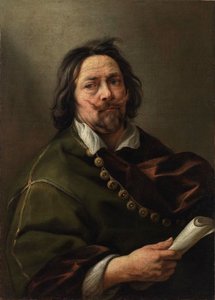
Jakub Jordana
1593 - 1678 , Belgia
Krótka nota
- Artistic Movement Or Style: Barokowy
- Artists Or Movements Influenced By This Artist: ['Jan Steen']
- Artists Who Influenced This Artist:
- Adam van Noort
- Rubens
- Caravaggio
- Date Of Birth: 19 maja 1593
- Date Of Death: 18 października 1678
- Full Name: Jacob Jordaens
- Nationality: Flamandzki
- Notable Artworks:
- The King Drinks
- Argus i Merkury
- Place Of Birth: Antwerp, Belgia
Powiązane artykuły

Złoty Wiek Niderlandów: Światło, Realizm i Kulturowe Innowacje w Malarstwie Barokowym
Odkryj fascynujący świat malarstwa holenderskiego Złotego Wieku! Poznaj arcydzieła Rembrandta, Vermeera i innych mistrzów. Analiza technik, gatunków i wpływu na sztukę europejską.
Dramatyzm i Intensywność Emocji: Eksploracja Innowacji Artystycznych w Malarstwie Barokowym
Odkryj fascynujący świat malarstwa barokowego! Poznaj arcydzieła Caravaggia, Rubensa i Rembrandta, techniki artystyczne oraz wpływ kontrreformacji na sztukę. Ekspercka analiza i inspiracje dla miłośników historii sztuki.

Barokowe arcydzieła: 10 obrazów, które zdefiniowały epokę | OriginalUniqueArt.com
Odkryj 10 arcydzieł baroku! Caravaggio, Rembrandt, Rubens i inni artyści, którzy zdefiniowali epokę. Poznaj historie, techniki i inspiracje tych niezwykłych obrazów. Reprodukcje najwyższej jakości na OriginalUniqueArt.com – idealne do Twojego wnętrza!

Holenderski Barok: 10 Arcydzieł, Które Zdefiniowały Epokę | OriginalUniqueArt
Poznaj 10 arcydzieł holenderskiego baroku! Odkryj historie Rembrandta, Vermeera i innych mistrzów XVII wieku. Reprodukcje obrazów najwyższej jakości – idealne do Twojego wnętrza. OriginalUniqueArt.com
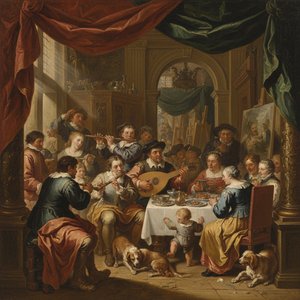
Jacob Jordaens: Baroque Dynamism & Genre Innovation of the Antwerp School
Discover Jacob Jordaens, a leading Flemish Baroque painter renowned for his dynamic compositions & realistic genre scenes. Explore his life, art, and lasting influence with OriginalUniqueArt.


