
 Podgląd w skali 1:1
 Wyślij jako kartkę
 Udostępnij
 Szczegóły dzieła
 Przewodnik

 Pobierz obraz
 Podobne obiekty
 RTG
RTG Pokaz slajdów
 Pytania i odpowiedzi
 Statystyki
Diana and Actaeon

- 54.0 x 76.0 cm


 Rozwiń treść
Giclée / Wydruk artystyczny
Wydruki giclée lub płótna o jakości muzealnej, szybka realizacja i szeroki wybór opcji wykończenia. ( Zamów ręcznie malowaną reprodukcję Przejdź do wersji cyfrowej)




P118B zł10

P118H zł10

P118W zł10

P438Z zł10

P508JH zł12

P508YH zł12

P805H zł10

P805Z zł10

P919BZ zł10

P919G zł10

P919XJ zł10

P959ZH zł10

P968JZ zł12

W106C zł8

W218G zł10

W218JH zł8

W218Y zł10

W307PJ zł10

W316G zł10

W316PJ zł8

W316Y zł10

W398PJ zł8

W4111J zł10

W500HY zł15

W500JH zł15

W692G zł12

W849H zł8

W940BG zł15

W953PJ zł8




Wybierz spośród naszych standardowych rozmiarów, które zachowują oryginalne proporcje dzieła sztuki.

Wpisz wymaganą szerokość i wysokość, aby dopasować grafikę do ramy lub ściany. Wydruk można jedynie przyciąć, nigdy nie powiększając go poza oryginalny obraz, dlatego format o innych proporcjach spowoduje utratę części kompozycji. Przed rozpoczęciem druku prześlemy Ci cyfrowy podgląd do zatwierdzenia. Obraz wyświetlany na tej stronie nie pokazuje rzeczywistego przycięcia — jedynie podgląd oddaje ten efekt.
Dostawa na cały świat () w ciągu 2 tygodni zamiast standardowych 4/5 tygodni. (5 Listopad)

Bezpłatna ekspresowa wysyłka na cały świat

Wysokiej jakości płótno lniane

Pełne ubezpieczenie przesyłki

Gwarancja zwrotu należności celnych i podatków importowych

Gwarancja wiernego odwzorowania kolorów

100-dniowa polityka zwrotów (tylko w przypadku wad)

Gwarancja 100% zwrotu pieniędzy

Zniżka przy zakupie wielu sztuk
 Opcja ze szkłem jest dostępna wyłącznie w rozmiarach poniżej 110 cm

Diana and Actaeon
Giclée / Wydruk artystyczny
Wymiary reprodukcji
-


Cena całkowita
zł 317
A Symphony of Flesh and Flora: The Visceral World of Jacob Jordaens
In the heart of the Flemish Baroque, few works capture the raw, pulsating energy of life and myth as profoundly as Jacob Jordaens’ “Diana and Actaeon.” Painted around 1640, this monumental canvas is far more than a mere retelling of an ancient Greek tragedy; it is an immersive sensory experience that pulls the viewer into a secluded, sun-dappled woodland. Jordaens, a master who found his inspiration not in the distant landscapes of Italy but in the robust, earthy realities of his native Antwerp, breathes a startling vitality into this mythological encounter. The scene captures the precise moment of transgression—the breathless instant when the mortal hunter Actaeon stumbles upon the goddess Diana and her nymphs bathing in a hidden pool. It is a composition defined by a delicate balance between the serene beauty of the natural world and an underlying, unsettling tension that foreshadows the divine retribution to follow.
The technical brilliance of Jordaens is on full display through his masterful command of light and texture. Using oil on canvas, the artist achieves a remarkable luminosity that makes the skin of the nude figures appear almost palpable, as if one could feel the warmth of the sun radiating from the flesh. He employs a rich, Baroque palette dominated by deep ochres, siennas, and umbers, which ground the scene in a sense of organic reality. Yet, these earthy tones are brilliantly punctuated by sudden splashes of vibrant reds and blues, creating a dramatic color intensity that directs the eye across the dynamic movement of the figures. The way light dances across the musculature of the nymphs and the startled forms of the hounds demonstrates a meticulous precision, elevating the painting from a simple narrative to a sophisticated study of human anatomy and atmospheric depth.
Symbolism and the Weight of Divine Wrath
Beyond its aesthetic splendor, “Diana and Actaeon” serves as a profound meditation on the themes of hubris and the consequences of forbidden knowledge. The painting captures the duality of the goddess Diana—the chaste huntress who is simultaneously a figure of terrifying power. The presence of the dogs, positioned strategically within the composition, acts as a chilling harbust of the myth's conclusion: Actaeon’s eventual transformation into a stag and his subsequent destruction by his own hounds. This element of looming tragedy provides a psychological depth that engages the viewer on an emotional level, transforming the lush, pastoral setting into a stage for divine justice. For the discerning collector or interior designer, this piece offers a captivating narrative tension that can serve as a powerful focal point in any curated space.
For those seeking to bring the grandeur of the 17th century into a modern environment, a high-quality reproduction of this masterpiece offers an unparalleled opportunity. The painting’s ability to harmonize the sensual beauty of the human form with the untamed spirit of the natural world makes it a versatile choice for sophisticated interiors. Whether placed in a gallery-style setting or used to add a layer of historical depth to a contemporary room, Jordaens' work continues to resonate with its timeless exploration of passion, fear, and the enduring power of myth. It remains a cornerstone of Flemish art, inviting every observer to witness the breathtaking intersection of human vulnerability and divine majesty.
Pytania i odpowiedzi
Gdzie i w jakim celu zaleca się użycie "Diana and Actaeon"?
„Diana and Actaeon” idealnie sprawdzi się w Focal, a rekomendowanym miejscem jego ekspozycji jest Restaurant.
Jaka jest technika i wymiary oryginału „Diana and Actaeon” – Jakub Jordana?
"Diana and Actaeon" powstało przy użyciu Oil On Panel i w swojej oryginalnej formie ma wymiary 54 x 76 cm.
Czy kolory w "Diana and Actaeon" są intensywne czy stonowane?
„Diana and Actaeon” – Jakub Jordana charakteryzuje się Monochromatic intensywnością kolorów.
Biografia artysty
A Flemish Master of Life’s Abundance: Jacob Jordaens
Jacob Jordaens, a name synonymous with vibrant energy and the celebration of earthly pleasures, stands as one of the most significant figures in the history of Flemish Baroque painting. Born in Antwerp in 1593 into a prosperous family – his father a successful linen merchant – he inherited not only wealth but also an appreciation for beauty and artistic expression. Unlike many of his contemporaries who sought their fortunes in Italy, Jordaens remained firmly rooted in his native Flanders, forging a distinctive style that captured the essence of Flemish life with remarkable realism and joyous exuberance. His early training under Adam van Noort, including marriage to his master’s daughter, laid a solid foundation in technique and composition, yet he quickly distinguished himself through an unparalleled ability to infuse his paintings with a palpable sense of vitality and human warmth.The Painter of Peasant Revelry and Baroque Grandeur
Jordaens' artistic output was remarkably diverse, encompassing a vast range of subjects – from grand religious narratives and mythological scenes to intimate portraits and lively genre paintings. However, it is perhaps his depictions of peasant festivals and tavern scenes that have cemented his place in art history. Works like *The King Drinks* (also known as the Feast of the Bean King) are iconic examples of this characteristic style: crowded compositions teeming with robust figures engaged in boisterous revelry, rendered in warm, glowing colors and dramatic chiaroscuro. These weren’t merely celebrations of merriment; they were often imbued with subtle moralizing undertones, reflecting the complex interplay between indulgence and restraint that defined 17th-century society. Yet, Jordaens was equally adept at handling more formal commissions, notably his significant role in decorating the Huis ten Bosch palace near The Hague – a project undertaken alongside the renowned Peter Paul Rubens. This collaboration showcased his ability to seamlessly integrate painting with architecture, creating monumental allegorical works that were both visually stunning and conceptually rich.Influences and a Distinct Artistic Voice
Despite never venturing to Italy, Jordaens was profoundly influenced by the artistic currents of his time. He studied the works of Italian masters like Jacopo Bassano, Paolo Veronese, and Caravaggio – artists whose techniques and sensibilities reached Flanders through engravings and paintings brought back by other painters. The influence of Caravaggio is particularly evident in Jordaens’s masterful use of light and shadow, a technique known as *tenebrismo*, which dramatically intensifies the emotional impact of his scenes. However, Jordaens didn't simply imitate these influences; he synthesized them with his own distinctly Flemish sensibilities, creating a style that was uniquely his own. He differed significantly from Rubens and Van Dyck in his preference for realism over idealized beauty, embracing a more direct and unrefined approach to depicting the human form. His figures are often substantial, even corpulent, their faces flushed with health and vitality – a testament to his commitment to portraying the authentic realities of everyday life. This distinctive combination of naturalism, technical skill, and emotional depth set him apart from his contemporaries and established him as a leading figure in Flemish Baroque painting.A Legacy of Pupils and Enduring Appeal
Throughout his long and prolific career, Jordaens trained numerous pupils – fifteen were officially recorded by the Guild of St. Luke between 1621 and 1667— ensuring the continuation of his artistic legacy. His influence can be seen in the work of later artists like Jan Steen, who shared his penchant for depicting lively genre scenes. Beyond his direct impact on other painters, Jordaens’s classically inspired peasant themes had a lasting effect on the art world, challenging traditional hierarchies and celebrating the dignity of everyday life. Even today, his paintings continue to captivate audiences with their energy, vitality, and honest portrayal of human experience. His ability to seamlessly blend realism with allegory, sensuality with morality, and grandeur with intimacy makes him one of the most compelling and enduring figures of the Baroque period.Key Works
- The King Drinks (Feast of the Bean King): A quintessential example of Jordaens’s exuberant style, depicting a chaotic yet joyful celebration with numerous figures engaged in revelry.
- Argus and Mercury: A dynamic mythological scene showcasing Jordaens's mastery of composition and dramatic lighting.
- The Return of the Holy Family from Egypt: Demonstrates his ability to handle both religious narrative and complex allegorical elements with a touch of humor and warmth.
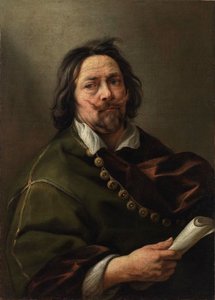
Jakub Jordana
1593 - 1678 , Belgia
Krótka nota
- Artistic Movement Or Style: Barokowy
- Artists Or Movements Influenced By This Artist: ['Jan Steen']
- Artists Who Influenced This Artist:
- Adam van Noort
- Rubens
- Caravaggio
- Date Of Birth: 19 maja 1593
- Date Of Death: 18 października 1678
- Full Name: Jacob Jordaens
- Nationality: Flamandzki
- Notable Artworks:
- The King Drinks
- Argus i Merkury
- Place Of Birth: Antwerp, Belgia
Powiązane artykuły

Masterpieces of Motion: The Top 25 Greatest Artworks by Peter Paul Rubens
Immerse yourself in the dramatic splendor of Baroque master Peter Paul Rubens. Explore 25 iconic paintings, from mythological tales to vibrant oil masterpieces. Find inspiration for museum-quality art reproductions and decor. Discover all masterpieces on OriginalUniqueArt.com.
Top 10 Sławnych Obrazów w Odcieniach Grzybów: Sztuka dla Domu i Inspiracja
Odkryj 10 słynnych obrazów w ciepłych, grzybowych odcieniach! Van Gogh, Monet i inni mistrzowie. Inspiracje wnętrzarskie i reprodukcje najwyższej jakości na OriginalUniqueArt.com. Eksploruj kolekcję online!

10 Iconic Masterpieces Defined by Earthy Driftwood Tones
Immerse yourself in the serene beauty of earthy driftwood tones. Explore 10 iconic masterpieces, from classical landscapes to muted impressionist works, and find inspiration for your decor with museum-quality reproductions. Discover all masterpieces on OriginalUniqueArt.com.

Masterpieces of Motion: The Top 25 Greatest Artworks by Peter Paul Rubens
Immerse yourself in the dramatic beauty of Baroque masterworks. Explore our curated list of the top 25 Peter Paul Rubens paintings, from mythological epics to powerful portraits. Find inspiration for museum-quality art reproductions and decor. Discover all masterpieces on OriginalUniqueArt.com.

10 Masterpieces Defined by Earthy Driftwood Tones
Immerse yourself in the serene beauty of earthy driftwood tones. Explore 10 iconic masterpieces, from classical landscapes to muted modernism, and find inspiration for your decor with museum-quality reproductions. Discover all masterpieces on OriginalUniqueArt.com.


