
 Podgląd w skali 1:1
 Wyślij jako kartkę
 Udostępnij
 Szczegóły dzieła
 Przewodnik

 Pobierz obraz
 Podobne obiekty
 RTG
RTG Pokaz slajdów
 Pytania i odpowiedzi
 Statystyki
The Cloister

- 75.0 x 96.0 cm


 Rozwiń treść
Giclée / Wydruk artystyczny
Wydruki giclée lub płótna o jakości muzealnej, szybka realizacja i szeroki wybór opcji wykończenia. ( Zamów ręcznie malowaną reprodukcję Przejdź do wersji cyfrowej)




P118B zł10

P118H zł10

P118W zł10

P438Z zł10

P508JH zł12

P508YH zł12

P805H zł10

P805Z zł10

P919BZ zł10

P919G zł10

P919XJ zł10

P959ZH zł10

P968JZ zł12

W106C zł8

W218G zł10

W218JH zł8

W218Y zł10

W307PJ zł10

W316G zł10

W316PJ zł8

W316Y zł10

W398PJ zł8

W4111J zł10

W500HY zł15

W500JH zł15

W692G zł12

W849H zł8

W940BG zł15

W953PJ zł8




Wybierz spośród naszych standardowych rozmiarów, które zachowują oryginalne proporcje dzieła sztuki.

Wpisz wymaganą szerokość i wysokość, aby dopasować grafikę do ramy lub ściany. Wydruk można jedynie przyciąć, nigdy nie powiększając go poza oryginalny obraz, dlatego format o innych proporcjach spowoduje utratę części kompozycji. Przed rozpoczęciem druku prześlemy Ci cyfrowy podgląd do zatwierdzenia. Obraz wyświetlany na tej stronie nie pokazuje rzeczywistego przycięcia — jedynie podgląd oddaje ten efekt.
Dostawa na cały świat () w ciągu 2 tygodni zamiast standardowych 4/5 tygodni. (4 Listopad)

Bezpłatna ekspresowa wysyłka na cały świat

Wysokiej jakości płótno lniane

Pełne ubezpieczenie przesyłki

Gwarancja zwrotu należności celnych i podatków importowych

Gwarancja wiernego odwzorowania kolorów

100-dniowa polityka zwrotów (tylko w przypadku wad)

Gwarancja 100% zwrotu pieniędzy

Zniżka przy zakupie wielu sztuk
 Opcja ze szkłem jest dostępna wyłącznie w rozmiarach poniżej 110 cm

The Cloister
Giclée / Wydruk artystyczny
Wymiary reprodukcji
-


Cena całkowita
zł 315
A Window Into the Dutch Landscape Soul
In the quiet expanse of Jacob Isaackszoon van Ruisdael’s "The Cloister," painted around 1650, viewers are invited to step into a world where the boundaries between nature and spirituality dissolve. This masterpiece, a cornerstone of the Dutch Golden Age, offers far more than a mere topographical record of a rural vista; it is a profound meditation on the passage of time and the enduring presence of the divine within the earthly realm. As the eye wanders across the rolling hills and weathered stone, one feels the weight of history and the serene pulse of a landscape that breathes with its own quiet dignity.
The composition is anchored by a weathered stone tower, its crumbling façade acting as a poignant memento mori—a reminder of the inevitable decay that touches all man-made structures. Yet, this sense of fragility is balanced by the vibrant life teeming in the foreground. Figures engaged in the rhythmic, everyday labors of tending livestock and agricultural tasks ground the grandeur of the scene in human reality. This interplay between the monumental architecture and the humble, industrious figures creates a compositional harmony that has captivated collectors and art enthusiasts for centuries.
The Mastery of Light and Atmosphere
Ruisdael was a virtuoso of luminism, a technique that prioritizes the ethereal portrayal of atmospheric effects to evoke a sense of immediate presence. In "The Cloister," the artist captures the fleeting magic of late afternoon sunlight as it filters through a dramatic, cloud-swept sky. The way the warm glow kisses the textured stone of the tower and illuminates the lush greenery creates an illusion of immense depth, pulling the viewer into the very heart of the Dutch countryside. Through subtle gradations of color and meticulous tonal variations, Rulsdael achieves a remarkable precision, rendering the rough texture of rock, the softness of foliage, and the weight of the clouds with equal mastery.
For the discerning interior designer or collector, this painting offers an unparalleled emotional resonance. The dramatic sky, occupying a significant portion of the canvas, provides a sense of movement and energy that can breathe life into any sophisticated space. Whether placed in a sun-drenched gallery or a more somber, contemplative study, the work’s ability to manipulate light makes it a dynamic centerpiece. It does not merely decorate a wall; it transforms an environment, inviting a sense of peace, reflection, and awe.
A Legacy of Humanist Thought
To understand "The Cloister" is to understand the intellectual climate of the 17th-century Netherlands. Painted shortly after Ruisdael’s transformative journey to Germany, the work reflects the burgeoning humanist philosophy and scientific curiosity of the era. The inclusion of classical architectural elements speaks to a fascination with antiquity, while the meticulous realism of the landscape mirrors the period's devotion to empirical observation. The cloister itself serves as a powerful symbol of solitude and spiritual devotion, values deeply embedded in Dutch Calvinist culture.
Owning a high-quality reproduction of this work allows one to possess a fragment of this historical grandeur. It is an investment in a narrative of resilience and beauty—a piece that speaks of the eternal cycle of growth and decay, of the industrious human spirit, and the breathtaking majesty of the natural world. "The Cloister" remains an enduring testament to Ruisdael's ability to capture not just what the eye sees, but what the soul feels.
Pytania i odpowiedzi
Jak nasycona jest paleta kolorystyczna dzieła "The Cloister"?
Kolory dzieła „The Cloister” – Jacob Van Ruisdael charakteryzują się Muted nasyceniem. Nasycenie określa, jak żywe lub stonowane są barwy.
Co to za dzieło: "The Cloister"?
"The Cloister" to WallArt.
Któremu artyście przypisuje się "The Cloister"?
Autorem dzieła „The Cloister” jest Jacob Van Ruisdael. Praca ta figuruje w katalogu pod nazwiskiem Jacob Van Ruisdael.
Biografia artysty
Początek życia i kariera
Jacob Isaackszoon van Ruisdael, wybitny holenderski malarz, grafik i rytownik, urodził się w 1628 roku w Haarlemie. Powszechnie uważany jest za najwybitniejszego pejzażystę Złotego Wieku Holandii – epoki charakteryzującej się ogromnym bogactwem i kulturowymi osiągnięciami. Pochodził z rodziny artystów; jego ojciec, Isaack van Ruisdael, był również malarzem, choć o mniejszej renomie. Wczesne lata Jacoba upłynęły pod wpływem warsztatu ojca, gdzie zdobywał podstawowe umiejętności techniczne i zapoznawał się z tradycją malarstwa holenderskiego. Już w młodym wieku wykazywał niezwykły talent do obserwacji natury i oddawania jej subtelnych niuansów.
Styl artystyczny i twórczość
Twórczość van Ruisdaela cechuje się wszechstronnością i bogactwem tematycznym. Malował różnorodne krajobrazy, od spokojnych wiejskich scenerii po dramatyczne panoramy górskie i morskie widoki. Od 1646 roku tworzył niezwykłe obrazy holenderskiej wsi, które z czasem nabierały bardziej heroicznego charakteru, szczególnie po podróży do Niemiec w 1650 roku. Późniejsze prace, powstałe podczas pobytu i pracy w Amsterdamie, przedstawiały panoramy miast i krajobrazy morskie, często z niebem zajmującym dwie trzecie płótna. Van Ruisdael był mistrzem światła i kompozycji, potrafił oddać atmosferę różnych pór roku i warunków pogodowych. Jego obrazy charakteryzują się niezwykłą precyzją w detalach, ale jednocześnie zachowują wrażenie naturalności i spontaniczności.
- Wodospad w skalistym i górskim krajobrazie, ukazujący jego mistrzostwo w operowaniu światłem i kompozycją.
- Widok Haarlemu z płatnami do bielenia, będący przykładem jego zdolności do uchwycenia istoty holenderskiego krajobrazu.
- Widok Damu i Damraku w Amsterdamie, podkreślający jego umiejętności w malarstwie miejskim.
Wpływy i rozwój artystyczny
Van Ruisdael nie był samoukiem, choć jego styl jest bardzo indywidualny. Początkowo inspirował się twórczością takich artystów jak Hendrick Vroom, który specjalizował się w krajobrazach morskich i widokach miast. Z czasem jednak wypracował własną unikalną wizję, odchodząc od konwencjonalnych schematów malarskich. Jego podróż do Niemiec w 1650 roku miała ogromny wpływ na jego twórczość – zaczął malować bardziej monumentalne krajobrazy górskie, nawiązujące do tradycji niemieckiego romantyzmu. W Amsterdamie, gdzie przeniósł się później, skupił się na przedstawianiu panoramy miasta i życia portowego. W późniejszych latach eksperymentował z różnymi technikami malarskimi, dążąc do uzyskania coraz bardziej realistycznego oddania natury.
Muzea i kolekcje
Twórczość van Ruisdaela znajduje się w prywatnych i instytucjonalnych kolekcjach na całym świecie. Szczególnie bogate zbiory posiadają:
- National Gallery w Londynie
- Rijksmuseum w Amsterdamie
- Hermitage Museum w Sankt Petersburgu
Znaczenie i dziedzictwo
Wpływ van Ruisdaela na tradycję malarstwa krajobrazowego jest ogromny. Jego prace inspirowały angielskich romantyków, szkołę Barbizon we Francji oraz szkołę rzeki Hudson w Stanach Zjednoczonych. Van Ruisdael wywarł wpływ na pokolenia holenderskich artystów pejzażowych. Wybitne dzieła:
- Widok Haarlemu z płatnami do bielenia
- Wodospad w skalistym i górskim krajobrazie
- Widok Damu i Damraku w Amsterdamie
Profil artysty na OriginalUniqueArt: Jacob Isaackszoon van Ruisdael

Jacob Van Ruisdael
1628 - 1682 , Holandia
Krótka nota
- Artyści Inspirujący: ['Hendrick Vroom']
- Data Urodzenia: 1628, Haarlem
- Data Śmierci: 1682, Amsterdam
- Miejsce Urodzenia: Haarlem, Holandia
- Narodowość: Holenderska
- Pełne Imię I Nazwisko: Jacob Isaackszoon van Ruisdael
- Styl Artystyczny: Złoty Wiek Malarstwa
- Wpływ Na Innych: ['Romantycy angielscy']
- Znane Dzieła:
- Widok Haarlemu
- Krajobraz z wodospadem
Powiązane artykuły

Złoty Wiek Holandii: 10 arcydzieł, które zmieniły historię sztuki | OriginalUniqueArt.com
Odkryj 10 arcydzieł Złotego Wieku Holandii! Poznaj historię Rembrandta, Vermeera i innych mistrzów. Reprodukcje obrazów najwyższej jakości do Twojego wnętrza – OriginalUniqueArt.com.

Golden Light & Dutch Skies: The Timeless Magic of Dutch Golden Age Landscapes
Discover the breathtaking beauty of Dutch Golden Age landscapes. Explore the mastery of light, chiaroscuro, and 17th-century realism through an expert art history lens, celebrating the enduring legacy of the Dutch Masters for discerning collectors and art lovers.
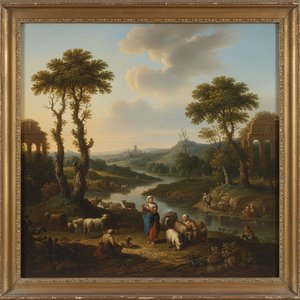
Nicolaes Berchem: Dutch Golden Age Pastoralism & the Evolution of Landscape Painting
Explore the captivating world of Nicolaes Berchem, a leading Dutch Golden Age painter. Discover his idyllic landscapes, masterful technique & lasting influence on art history. Learn more at OriginalUniqueArt.
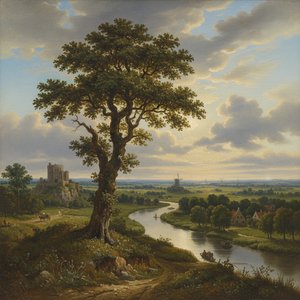
Jacob van Ruisdael: Master of Dutch Landscape & the Evocation of National Identity
Explore the life & work of Jacob van Ruisdael, the preeminent Dutch landscape painter. Discover his technical brilliance, symbolic depth, and lasting influence on art history. Learn about collecting Ruisdael's masterpieces.

Golden Light & Dutch Skies: Bringing the Magic of Dutch Golden Age Landscapes into Your Home
Transform your home with the breathtaking light of Dutch Golden Age landscapes. Discover how hand-painted oil reproductions of masterworks like Ruisdael and Vermeer bring timeless elegance, atmosphere, and soulful texture to modern interiors. Elevate your space with museum-quality art.


