
 Podgląd w skali 1:1
 Wyślij jako kartkę
 Udostępnij
 Szczegóły dzieła
 Przewodnik

 Pobierz obraz
 Podobne obiekty
 RTG
RTG Pokaz slajdów
 Q&A
Q&A Statystyki
The Breakwater

- 110.0 x 160.0 cm


 Rozwiń treść
Giclée / Wydruk artystyczny
Wydruki giclée lub płótna o jakości muzealnej, szybka realizacja i szeroki wybór opcji wykończenia. ( Zamów ręcznie malowaną reprodukcję Przejdź do wersji cyfrowej)




P118B zł10

P118H zł10

P118W zł10

P438Z zł10

P508JH zł12

P508YH zł12

P805H zł10

P805Z zł10

P919BZ zł10

P919G zł10

P919XJ zł10

P959ZH zł10

P968JZ zł12

W106C zł8

W218G zł10

W218JH zł8

W218Y zł10

W307PJ zł10

W316G zł10

W316PJ zł8

W316Y zł10

W398PJ zł8

W4111J zł10

W500HY zł15

W500JH zł15

W692G zł12

W849H zł8

W940BG zł15

W953PJ zł8




Wybierz spośród naszych standardowych rozmiarów, które zachowują oryginalne proporcje dzieła sztuki.

Wpisz wymaganą szerokość i wysokość, aby dopasować grafikę do ramy lub ściany. Wydruk można jedynie przyciąć, nigdy nie powiększając go poza oryginalny obraz, dlatego format o innych proporcjach spowoduje utratę części kompozycji. Przed rozpoczęciem druku prześlemy Ci cyfrowy podgląd do zatwierdzenia. Obraz wyświetlany na tej stronie nie pokazuje rzeczywistego przycięcia — jedynie podgląd oddaje ten efekt.
Dostawa na cały świat () w ciągu 2 tygodni zamiast standardowych 4/5 tygodni. (1 Listopad)

Bezpłatna ekspresowa wysyłka na cały świat

Wysokiej jakości płótno lniane

Pełne ubezpieczenie przesyłki

Gwarancja zwrotu należności celnych i podatków importowych

Gwarancja wiernego odwzorowania kolorów

100-dniowa polityka zwrotów (tylko w przypadku wad)

Gwarancja 100% zwrotu pieniędzy

Zniżka przy zakupie wielu sztuk
 Opcja ze szkłem jest dostępna wyłącznie w rozmiarach poniżej 110 cm

The Breakwater
Giclée / Wydruk artystyczny
Wymiary reprodukcji
-


Cena całkowita
zł 311
A Tempestuous Vision: The Raw Power of Ruisdael’s Coastline
In the grand tapestry of the Dutch Golden Age, few works command the viewer's attention with such visceral intensity as Jacob Isaackszoon van Ruisdael’s 1670 masterpiece, The Breakwater. This is not merely a depiction of a coastal landscape; it is a profound meditation on the struggle between human industry and the indomitable forces of nature. As one gazes upon this monumental canvas, currently preserved in the hallowed halls of the Musée du Louvre, there is an immediate sense of being present at the edge of a world under siege. The scene is dominated by a turbulent seascape, where dark, brooding clouds gather like a heavy shroud over the horizon, signaling the arrival of an impending storm. Through his masterful command of light and shadow, Ruisdael captures that breathless moment of tension before the gale breaks, inviting the observer to feel the dampness of the salt spray and the weight of the heavy, moisture-laden air.
The composition is a brilliant study in movement and stability. In the foreground, a rugged shoreline, strewn with weathered boulders, provides a tactile anchor for the eye. Here, several moored boats rest against the encroaching tide, their sails furlected tight to withstand the rising winds. These vessels serve as poignant symbols of the industrious spirit of Haarlem—Ruisdael’s own birthplace—representing the maritime commerce that fueled the prosperity of the Netherlands, even when faced with the perilous whims of the North Sea. At the heart of this drama stands the breakwater itself, a formidable man-made barrier of heavy stones. It acts as both a physical and metaphorical shield, standing in stark, textured contrast to the fluid, swirling dynamism of the ocean waves that crash against its flanks.
Mastery of Atmosphere and the Golden Age Legacy
Technically, The Breakwater is a triumph of atmosfearische perspectief, or atmospheric perspective. Ruisdael was a pioneer in using layers of thinly applied oil paint to manipulate the viewer's perception of depth and distance. By subtly blending colors into hazy blues, muted greys, and deep charcoals as the eye moves toward the horizon, he creates an illusion of vast, infinite space. This technique does more than provide realism; it enhances the emotional weight of the painting, making the distant sea feel both immense and unreachable. The meticulous rendering of textures—from the rough, pitted surface of the rocks to the shimmering, agitated surface of the water—demonstrates a level of skill that remains breathtaking even centuries later.
For the discerning collector or interior designer, this painting offers much more than aesthetic beauty; it provides a focal point of profound character. The dramatic interplay of light and shadow makes it an ideal centerpiece for spaces that require a sense of drama, depth, and historical gravity. Whether placed in a contemporary gallery-style room or a classic study, a high-quality reproduction of this work brings with it the prestige of the Dutch Golden Age. It is a piece that invites contemplation, sparking conversations about resilience, the passage of time, and our enduring relationship with the natural world. To own such an image is to possess a window into a period of unparalleled artistic achievement, capturing a moment where the beauty of the landscape meets the sublime terror of the storm.
Pytania i odpowiedzi
Jakie miejsce w historii sztuki zajmuje „The Breakwater” – Jacob Van Ruisdael?
„The Breakwater” – Jacob Van Ruisdael należy do nurtu Dutch Golden Age Landscape, przypadającego na okres Early Modern. Razem nadają one dziełu jego miejsce w historii sztuki.
Czy dostępny jest przewodnik do dzieła „The Breakwater” – Jacob Van Ruisdael?
Strona Karta informacyjna dla uczniów dzieła „The Breakwater” – Jacob Van Ruisdael oferuje dwustronicową kartę informacyjną w formacie do druku: samo dzieło wraz z tabelą identyfikacyjną, oś czasu umieszczającą je w latach życia artysty, inne prace tego twórcy, zmierzoną paletę kolorystyczną oraz gotowe do skopiowania cytaty w czterech stylach.
Czy dzieło "The Breakwater" posiada podgląd w rozszerzonej rzeczywistości?
Strona Podgląd w AR dzieła „The Breakwater” – Jacob Van Ruisdael wykorzystuje rozszerzoną rzeczywistość, aby dzięki kompatybilnemu urządzeniu pokazać obraz w Twojej własnej przestrzeni.
Biografia artysty
Początek życia i kariera
Jacob Isaackszoon van Ruisdael, wybitny holenderski malarz, grafik i rytownik, urodził się w 1628 roku w Haarlemie. Powszechnie uważany jest za najwybitniejszego pejzażystę Złotego Wieku Holandii – epoki charakteryzującej się ogromnym bogactwem i kulturowymi osiągnięciami. Pochodził z rodziny artystów; jego ojciec, Isaack van Ruisdael, był również malarzem, choć o mniejszej renomie. Wczesne lata Jacoba upłynęły pod wpływem warsztatu ojca, gdzie zdobywał podstawowe umiejętności techniczne i zapoznawał się z tradycją malarstwa holenderskiego. Już w młodym wieku wykazywał niezwykły talent do obserwacji natury i oddawania jej subtelnych niuansów.
Styl artystyczny i twórczość
Twórczość van Ruisdaela cechuje się wszechstronnością i bogactwem tematycznym. Malował różnorodne krajobrazy, od spokojnych wiejskich scenerii po dramatyczne panoramy górskie i morskie widoki. Od 1646 roku tworzył niezwykłe obrazy holenderskiej wsi, które z czasem nabierały bardziej heroicznego charakteru, szczególnie po podróży do Niemiec w 1650 roku. Późniejsze prace, powstałe podczas pobytu i pracy w Amsterdamie, przedstawiały panoramy miast i krajobrazy morskie, często z niebem zajmującym dwie trzecie płótna. Van Ruisdael był mistrzem światła i kompozycji, potrafił oddać atmosferę różnych pór roku i warunków pogodowych. Jego obrazy charakteryzują się niezwykłą precyzją w detalach, ale jednocześnie zachowują wrażenie naturalności i spontaniczności.
- Wodospad w skalistym i górskim krajobrazie, ukazujący jego mistrzostwo w operowaniu światłem i kompozycją.
- Widok Haarlemu z płatnami do bielenia, będący przykładem jego zdolności do uchwycenia istoty holenderskiego krajobrazu.
- Widok Damu i Damraku w Amsterdamie, podkreślający jego umiejętności w malarstwie miejskim.
Wpływy i rozwój artystyczny
Van Ruisdael nie był samoukiem, choć jego styl jest bardzo indywidualny. Początkowo inspirował się twórczością takich artystów jak Hendrick Vroom, który specjalizował się w krajobrazach morskich i widokach miast. Z czasem jednak wypracował własną unikalną wizję, odchodząc od konwencjonalnych schematów malarskich. Jego podróż do Niemiec w 1650 roku miała ogromny wpływ na jego twórczość – zaczął malować bardziej monumentalne krajobrazy górskie, nawiązujące do tradycji niemieckiego romantyzmu. W Amsterdamie, gdzie przeniósł się później, skupił się na przedstawianiu panoramy miasta i życia portowego. W późniejszych latach eksperymentował z różnymi technikami malarskimi, dążąc do uzyskania coraz bardziej realistycznego oddania natury.
Muzea i kolekcje
Twórczość van Ruisdaela znajduje się w prywatnych i instytucjonalnych kolekcjach na całym świecie. Szczególnie bogate zbiory posiadają:
- National Gallery w Londynie
- Rijksmuseum w Amsterdamie
- Hermitage Museum w Sankt Petersburgu
Znaczenie i dziedzictwo
Wpływ van Ruisdaela na tradycję malarstwa krajobrazowego jest ogromny. Jego prace inspirowały angielskich romantyków, szkołę Barbizon we Francji oraz szkołę rzeki Hudson w Stanach Zjednoczonych. Van Ruisdael wywarł wpływ na pokolenia holenderskich artystów pejzażowych. Wybitne dzieła:
- Widok Haarlemu z płatnami do bielenia
- Wodospad w skalistym i górskim krajobrazie
- Widok Damu i Damraku w Amsterdamie
Profil artysty na OriginalUniqueArt: Jacob Isaackszoon van Ruisdael

Jacob Van Ruisdael
1628 - 1682 , Holandia
Krótka nota
- Artyści Inspirujący: ['Hendrick Vroom']
- Data Urodzenia: 1628, Haarlem
- Data Śmierci: 1682, Amsterdam
- Miejsce Urodzenia: Haarlem, Holandia
- Narodowość: Holenderska
- Pełne Imię I Nazwisko: Jacob Isaackszoon van Ruisdael
- Styl Artystyczny: Złoty Wiek Malarstwa
- Wpływ Na Innych: ['Romantycy angielscy']
- Znane Dzieła:
- Widok Haarlemu
- Krajobraz z wodospadem
Powiązane artykuły

Rembrandt van Rijn: 25 Najwybitniejszych Dzieł Sztuki – Reprodukcje i Inspiracje do Wnętrz
Poznaj 25 arcydzieł Rembrandta van Rijn! Odkryj fascynujące historie, techniki i wpływ holenderskiego mistrza baroku na świat sztuki. Reprodukcje obrazów najwyższej jakości – inspiracje do wnętrz na OriginalUniqueArt.com

Golden Light & Dutch Skies: Bringing the Magic of Dutch Golden Age Landscapes into Your Home
Transform your home with the breathtaking light of Dutch Golden Age landscapes. Discover how hand-painted oil reproductions of masterworks like Ruisdael and Vermeer bring timeless elegance, atmosphere, and soulful texture to modern interiors. Elevate your space with museum-quality art.

Golden Light & Dutch Skies: The Timeless Magic of Dutch Golden Age Landscapes
Discover the breathtaking beauty of Dutch Golden Age landscapes. Explore the mastery of light, chiaroscuro, and 17th-century realism through an expert art history lens, celebrating the enduring legacy of the Dutch Masters for discerning collectors and art lovers.
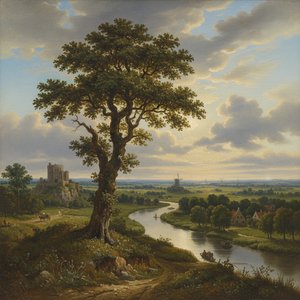
Jacob van Ruisdael: Master of Dutch Landscape & the Evocation of National Identity
Explore the life & work of Jacob van Ruisdael, the preeminent Dutch landscape painter. Discover his technical brilliance, symbolic depth, and lasting influence on art history. Learn about collecting Ruisdael's masterpieces.

Złoty Wiek Holandii: 10 arcydzieł, które zmieniły historię sztuki | OriginalUniqueArt.com
Odkryj 10 arcydzieł Złotego Wieku Holandii! Poznaj historię Rembrandta, Vermeera i innych mistrzów. Reprodukcje obrazów najwyższej jakości do Twojego wnętrza – OriginalUniqueArt.com.


