
 Podgląd w skali 1:1
 Wyślij jako kartkę
 Udostępnij
 Szczegóły dzieła
 Przewodnik

 Pobierz obraz
 Podobne obiekty
 RTG
RTG Pokaz slajdów
 Q&A
Q&A Statystyki
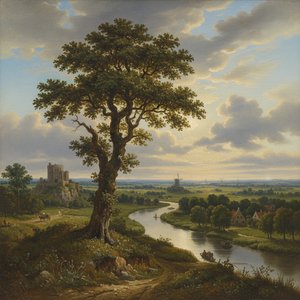
Droga przez Las Dębowy

- 85.0 x 65.0 cm


 Rozwiń treść
Giclée / Wydruk artystyczny
Wydruki giclée lub płótna o jakości muzealnej, szybka realizacja i szeroki wybór opcji wykończenia. ( Zamów ręcznie malowaną reprodukcję Przejdź do wersji cyfrowej)




P118B zł10

P118H zł10

P118W zł10

P438Z zł10

P508JH zł12

P508YH zł12

P805H zł10

P805Z zł10

P919BZ zł10

P919G zł10

P919XJ zł10

P959ZH zł10

P968JZ zł12

W106C zł8

W218G zł10

W218JH zł8

W218Y zł10

W307PJ zł10

W316G zł10

W316PJ zł8

W316Y zł10

W398PJ zł8

W4111J zł10

W500HY zł15

W500JH zł15

W692G zł12

W849H zł8

W940BG zł15

W953PJ zł8




Wybierz spośród naszych standardowych rozmiarów, które zachowują oryginalne proporcje dzieła sztuki.

Wpisz wymaganą szerokość i wysokość, aby dopasować grafikę do ramy lub ściany. Wydruk można jedynie przyciąć, nigdy nie powiększając go poza oryginalny obraz, dlatego format o innych proporcjach spowoduje utratę części kompozycji. Przed rozpoczęciem druku prześlemy Ci cyfrowy podgląd do zatwierdzenia. Obraz wyświetlany na tej stronie nie pokazuje rzeczywistego przycięcia — jedynie podgląd oddaje ten efekt.
Dostawa na cały świat () w ciągu 2 tygodni zamiast standardowych 4/5 tygodni. (2 Listopad)

Bezpłatna ekspresowa wysyłka na cały świat

Wysokiej jakości płótno lniane

Pełne ubezpieczenie przesyłki

Gwarancja zwrotu należności celnych i podatków importowych

Gwarancja wiernego odwzorowania kolorów

100-dniowa polityka zwrotów (tylko w przypadku wad)

Gwarancja 100% zwrotu pieniędzy

Zniżka przy zakupie wielu sztuk
 Opcja ze szkłem jest dostępna wyłącznie w rozmiarach poniżej 110 cm

Droga przez Las Dębowy
Giclée / Wydruk artystyczny
Wymiary reprodukcji
-


Cena całkowita
zł 311
Jacob van Ruisdael: Pioneer of Atmospheric Landscape Painting
Jacob Isaackszoon van Ruisdael (1628-1682) stands as the undisputed titan amongst Dutch landscape painters during the Golden Age, a period brimming with artistic innovation and economic prosperity. His legacy transcends mere depiction; he fundamentally reshaped how artists captured the sublime beauty of nature, influencing generations of painters to come – including Romantic artists across Europe. Born in Haarlem, Ruisdael’s early life was marked by familial hardship, yet his talent shone through, propelling him towards a distinguished artistic career that cemented his place as one of the Netherlands' greatest masters.A Masterful Synthesis: Style and Technique
Ruisdael’s distinctive style is characterized by an unparalleled sensitivity to light and atmosphere – qualities he painstakingly achieved through meticulous observation and masterful brushwork. Unlike many contemporaries who prioritized detailed realism, Ruisdael deliberately subdued color palettes, favoring muted tones of brown, grey, and ochre to convey the profound stillness and grandeur of his subjects. This approach wasn’t simply stylistic; it reflected a philosophical preoccupation with capturing the essence of existence itself. He employed impasto technique – applying thick layers of paint – creating palpable textural surfaces that mirrored the rugged contours of mountainsides and the turbulent flow of waterfalls. These textured surfaces weren't merely decorative; they actively engaged the viewer’s senses, immersing them in the scene before their eyes.The Dramatic Landscape: Themes and Symbolism
Ruisdael’s canvases rarely portray idyllic pastoral scenes. Instead, he favored depictions of dramatic landscapes – towering mountains shrouded in mist, turbulent rivers cascading over rocky cliffs, and expansive forests dominated by ancient oaks. These images weren't merely aesthetically pleasing; they carried deep symbolic weight. The misty atmosphere evoked contemplation and spiritual yearning, mirroring the Calvinist worldview prevalent during Ruisdael’s time—a belief system that emphasized humility before God’s majesty and recognized the insignificance of human endeavors against the backdrop of eternity. Furthermore, the oak tree itself – a symbol of strength, resilience, and longevity – frequently appeared in his paintings, representing not only physical endurance but also moral fortitude.Historical Context: Haarlem's Artistic Crucible
Ruisdael’s artistic development unfolded within Haarlem, a city that served as a vibrant hub for artistic patronage and innovation during the Dutch Golden Age. His uncle Salomon van Ruisdael, himself a respected painter, undoubtedly influenced his stylistic choices and fostered an environment conducive to artistic experimentation. The burgeoning interest in scientific observation – championed by figures like Johannes Vermeer – subtly permeated artistic practice, encouraging artists to strive for accuracy while simultaneously conveying emotional depth. This confluence of influences resulted in landscapes that transcended mere representation; they communicated profound ideas about humanity’s relationship with the natural world and its place within the cosmos.Legacy: An Enduring Influence
Jacob van Ruisdael's impact on subsequent artistic movements is undeniable. His atmospheric landscapes captivated Romantic painters like Caspar David Friedrich, who sought to evoke similar feelings of awe and contemplation in their own works. The meticulous rendering of light and texture established a precedent for artists striving to capture the sublime – a concept central to Romantic aesthetics—inspiring them to explore themes of solitude, spirituality, and the power of nature. Today, reproductions of Ruisdael’s masterpieces continue to inspire interior designers and art lovers alike, reminding us of the enduring beauty and intellectual richness of Dutch Baroque landscape painting.Pytania i odpowiedzi
Jaki nastrój oddaje styl Dutch Golden Age Landscape w dziele „Droga przez Las Dębowy”?
"Droga przez Las Dębowy" emanuje Spokój emocjonalnym ładunkiem, wpisując się w nurt Dutch Golden Age Landscape.
Jaki kolor najbardziej dominuje w "Droga przez Las Dębowy"?
Kolorem, który najbardziej wyróżnia się w "Droga przez Las Dębowy", jest Espresso (#534837). Dominujący kolor ułatwia dopasowanie dzieła sztuki do wnętrza.
Jaki nastrój budzi "Droga przez Las Dębowy"?
Ogólny nastrój dzieła „Droga przez Las Dębowy” – Jacob Van Ruisdael to Romantyczny. Nastrój ten oddaje ogólną atmosferę pracy.
Biografia artysty
Początek życia i kariera
Jacob Isaackszoon van Ruisdael, wybitny holenderski malarz, grafik i rytownik, urodził się w 1628 roku w Haarlemie. Powszechnie uważany jest za najwybitniejszego pejzażystę Złotego Wieku Holandii – epoki charakteryzującej się ogromnym bogactwem i kulturowymi osiągnięciami. Pochodził z rodziny artystów; jego ojciec, Isaack van Ruisdael, był również malarzem, choć o mniejszej renomie. Wczesne lata Jacoba upłynęły pod wpływem warsztatu ojca, gdzie zdobywał podstawowe umiejętności techniczne i zapoznawał się z tradycją malarstwa holenderskiego. Już w młodym wieku wykazywał niezwykły talent do obserwacji natury i oddawania jej subtelnych niuansów.
Styl artystyczny i twórczość
Twórczość van Ruisdaela cechuje się wszechstronnością i bogactwem tematycznym. Malował różnorodne krajobrazy, od spokojnych wiejskich scenerii po dramatyczne panoramy górskie i morskie widoki. Od 1646 roku tworzył niezwykłe obrazy holenderskiej wsi, które z czasem nabierały bardziej heroicznego charakteru, szczególnie po podróży do Niemiec w 1650 roku. Późniejsze prace, powstałe podczas pobytu i pracy w Amsterdamie, przedstawiały panoramy miast i krajobrazy morskie, często z niebem zajmującym dwie trzecie płótna. Van Ruisdael był mistrzem światła i kompozycji, potrafił oddać atmosferę różnych pór roku i warunków pogodowych. Jego obrazy charakteryzują się niezwykłą precyzją w detalach, ale jednocześnie zachowują wrażenie naturalności i spontaniczności.
- Wodospad w skalistym i górskim krajobrazie, ukazujący jego mistrzostwo w operowaniu światłem i kompozycją.
- Widok Haarlemu z płatnami do bielenia, będący przykładem jego zdolności do uchwycenia istoty holenderskiego krajobrazu.
- Widok Damu i Damraku w Amsterdamie, podkreślający jego umiejętności w malarstwie miejskim.
Wpływy i rozwój artystyczny
Van Ruisdael nie był samoukiem, choć jego styl jest bardzo indywidualny. Początkowo inspirował się twórczością takich artystów jak Hendrick Vroom, który specjalizował się w krajobrazach morskich i widokach miast. Z czasem jednak wypracował własną unikalną wizję, odchodząc od konwencjonalnych schematów malarskich. Jego podróż do Niemiec w 1650 roku miała ogromny wpływ na jego twórczość – zaczął malować bardziej monumentalne krajobrazy górskie, nawiązujące do tradycji niemieckiego romantyzmu. W Amsterdamie, gdzie przeniósł się później, skupił się na przedstawianiu panoramy miasta i życia portowego. W późniejszych latach eksperymentował z różnymi technikami malarskimi, dążąc do uzyskania coraz bardziej realistycznego oddania natury.
Muzea i kolekcje
Twórczość van Ruisdaela znajduje się w prywatnych i instytucjonalnych kolekcjach na całym świecie. Szczególnie bogate zbiory posiadają:
- National Gallery w Londynie
- Rijksmuseum w Amsterdamie
- Hermitage Museum w Sankt Petersburgu
Znaczenie i dziedzictwo
Wpływ van Ruisdaela na tradycję malarstwa krajobrazowego jest ogromny. Jego prace inspirowały angielskich romantyków, szkołę Barbizon we Francji oraz szkołę rzeki Hudson w Stanach Zjednoczonych. Van Ruisdael wywarł wpływ na pokolenia holenderskich artystów pejzażowych. Wybitne dzieła:
- Widok Haarlemu z płatnami do bielenia
- Wodospad w skalistym i górskim krajobrazie
- Widok Damu i Damraku w Amsterdamie
Profil artysty na OriginalUniqueArt: Jacob Isaackszoon van Ruisdael

Jacob Van Ruisdael
1628 - 1682 , Holandia
Krótka nota
- Artyści Inspirujący: ['Hendrick Vroom']
- Data Urodzenia: 1628, Haarlem
- Data Śmierci: 1682, Amsterdam
- Miejsce Urodzenia: Haarlem, Holandia
- Narodowość: Holenderska
- Pełne Imię I Nazwisko: Jacob Isaackszoon van Ruisdael
- Styl Artystyczny: Złoty Wiek Malarstwa
- Wpływ Na Innych: ['Romantycy angielscy']
- Znane Dzieła:
- Widok Haarlemu
- Krajobraz z wodospadem
Powiązane artykuły
Jacob van Ruisdael: Master of Dutch Landscape & the Evocation of National Identity
Explore the life & work of Jacob van Ruisdael, the preeminent Dutch landscape painter. Discover his technical brilliance, symbolic depth, and lasting influence on art history. Learn about collecting Ruisdael's masterpieces.

Rembrandt van Rijn: 25 Najwybitniejszych Dzieł Sztuki – Reprodukcje i Inspiracje do Wnętrz
Poznaj 25 arcydzieł Rembrandta van Rijn! Odkryj fascynujące historie, techniki i wpływ holenderskiego mistrza baroku na świat sztuki. Reprodukcje obrazów najwyższej jakości – inspiracje do wnętrz na OriginalUniqueArt.com

Złoty Wiek Holandii: 10 arcydzieł, które zmieniły historię sztuki | OriginalUniqueArt.com
Odkryj 10 arcydzieł Złotego Wieku Holandii! Poznaj historię Rembrandta, Vermeera i innych mistrzów. Reprodukcje obrazów najwyższej jakości do Twojego wnętrza – OriginalUniqueArt.com.

Golden Light & Dutch Skies: The Timeless Magic of Dutch Golden Age Landscapes
Discover the breathtaking beauty of Dutch Golden Age landscapes. Explore the mastery of light, chiaroscuro, and 17th-century realism through an expert art history lens, celebrating the enduring legacy of the Dutch Masters for discerning collectors and art lovers.

Golden Light & Dutch Skies: Bringing the Magic of Dutch Golden Age Landscapes into Your Home
Transform your home with the breathtaking light of Dutch Golden Age landscapes. Discover how hand-painted oil reproductions of masterworks like Ruisdael and Vermeer bring timeless elegance, atmosphere, and soulful texture to modern interiors. Elevate your space with museum-quality art.


