

 Zobacz w skali 1:1
 Wyślij
 Udostępnij
 Szczegóły
 Przewodnik

 Pobierz plik obrazu
 Podobne obiekty
 RTG
RTG Pokaz slajdów
 Statystyki
The Angels' Kitchen
 Oil On Canvas
- WallArt
- Surrealism
 2005
2005 59.0 x 47.0 cm
 Czytaj więcej
Dzieło sztuki prezentowane na tej stronie podlega ochronie prawem autorskim, co oznacza, że nie mamy prawa do tworzenia ani sprzedaży jego identycznej reprodukcji. Ochrona ta jest egzekwowana na mocy umów międzynarodowych, takich jak Konwencja berneńska oraz przez przepisy prawa krajowego, w tym te określone w Prawo autorskie USA – Tytuł 17.
Metoda ta jest w pełni zgodna z przepisami prawa autorskiego, ponieważ nie polega na kopiowaniu ani powielaniu chronionego dzieła. Stanowi ona kreatywną reinterpretację – nowy obraz, który czerpie inspirację z oryginału, ale nie jest z nim tożsamy.
Giclée / Wydruk artystyczny
Wydruki giclée lub płótna o jakości muzealnej, szybka realizacja i szeroki wybór opcji wykończenia. ( Kup ręcznie malowany obraz Przełącz na wersję cyfrową)




P118B zł10

P118H zł10

P118W zł10

P438Z zł10

P508JH zł12

P508YH zł12

P805H zł10

P805Z zł10

P919BZ zł10

P919G zł10

P919XJ zł10

P959ZH zł10

P968JZ zł12

W106C zł8

W218G zł10

W218JH zł8

W218Y zł10

W307PJ zł10

W316G zł10

W316PJ zł8

W316Y zł10

W398PJ zł8

W4111J zł10

W500HY zł15

W500JH zł15

W692G zł12

W849H zł8

W940BG zł15

W953PJ zł8




Wybierz spośród naszych standardowych rozmiarów, które zachowują oryginalne proporcje dzieła sztuki.

Możesz wprowadzić własne wymiary, aby dopasować dzieło do konkretnej ramy lub przestrzeni. Jeśli wybrany rozmiar nie będzie odpowiadał proporcjom oryginalnego obrazu, przytniecie dzieło lub rozszerzymy obraz za pomocą odbicia lustrzanego lub jednolitego wypełnienia krawędzi. Przed rozpoczęciem produkcji prześlemy cyfrową wizualizację do Twojej akceptacji.
Prosimy pamiętać, że podgląd na ekranie nie odzwierciedla faktycznego przycinania ani rozszerzania. Tylko wizualizacja dokładnie pokaże końcową kompozycję.
Mimo dostępności niestandardowych rozmiarów, zalecamy wybór wymiaru z listy zdefiniowanej, aby zachować oryginalne proporcje.
Dostawa na cały świat () w ciągu 2 tygodni zamiast standardowych 4/5 tygodni. (11 Październik)

Bezpłatna ekspresowa wysyłka na cały świat

Wysokiej jakości płótno lniane

Pełne ubezpieczenie transportowe

Gwarancja zwrotu należności celnych i podatków importowych

Gwarancja idealnego odwzorowania barw

100-dniowy okres na zwrot dzieła w przypadku wykrycia wad produkcyjnych

Gwarancja 100% zwrotu pieniędzy

Oferta przy zakupie wielu sztuk
 Opcja ze szkłem jest dostępna wyłącznie w rozmiarach poniżej 110 cm

The Angels' Kitchen
Giclée / Wydruk artystyczny
Rozmiar reprodukcji
-


Suma do zapłaty
zł 298
The Angels' Kitchen: A Surrealist Reverie by Jacek Yerka
Jacek Yerka’s “The Angels’ Kitchen,” painted in 2005, is more than just a depiction of a domestic scene; it’s an immersive journey into a meticulously crafted surrealist dream. Measuring 59 x 47 cm, this artwork immediately captivates with its juxtaposition of the familiar – a kitchen brimming with everyday objects – and the extraordinary – a fully-fledged angel engaged in culinary activities amidst an orchard bursting with life.
- A Flemish Masterpiece: Yerka’s dedication to the classic Flemish technique, honed through years of study and unwavering commitment, is strikingly evident. The painting's rich detail, meticulous rendering of textures, and masterful use of light evoke the spirit of masters like Jan van Eyck and Pieter Bruegel, while simultaneously forging a distinctly modern vision.
- A Dreamscape in Detail: The composition itself is layered with symbolic richness. A cat calmly observes from the sink, an apple tree dominates the center – laden with fruit – and bottles are scattered across surfaces, adding to the whimsical atmosphere. This isn’t simply a kitchen; it's a carefully constructed world where the mundane and the divine intertwine.
Yerka’s artistic lineage is profoundly influential, drawing inspiration from figures like Hieronymus Bosch and Hugo van der Goes. This influence manifests in the painting’s slightly unsettling yet undeniably beautiful depiction of fantastical elements – a blend of recognizable objects and imaginative additions that invites contemplation on themes of creation, nourishment, and perhaps even spiritual grace.
Decoding the Symbolism
“The Angels’ Kitchen” is replete with symbolic meaning. The angel itself represents purity and divine intervention, yet it's presented in an utterly ordinary setting – preparing food. This deliberate contrast elevates the painting beyond a simple still life; it prompts us to consider the intersection of the sacred and the secular. The kitchen, traditionally associated with nourishment and earthly pursuits, becomes imbued with spiritual significance within Yerka’s vision.
- The Apple Tree: Symbolizing abundance, fertility, and knowledge – a recurring motif in Western art – the apple tree is central to the painting's narrative.
- The Cat: Often associated with mystery and intuition, the cat’s presence adds an element of quiet observation and perhaps even guardianship.
The overall effect is one of serene contemplation, inviting viewers to lose themselves in Yerka’s meticulously rendered world. The diffused lighting and soft edges contribute to a sense of dreamlike tranquility, further enhancing the painting's emotional impact.
Technique and Materials
Yerka employs a predominantly watercolor or gouache technique on paper, evidenced by the painting’s subtle blending, soft edges, and delicate textures. This approach lends the artwork a luminous quality, capturing light with remarkable sensitivity. The artist’s attention to detail is breathtaking, from the individual strands of grass in the foreground to the polished surfaces of the kitchen implements.
- Traditional Supplies: The use of traditional painting supplies – likely watercolor or gouache – reinforces the connection to the Flemish masters and contributes to the artwork’s timeless appeal.
- Layered Approach: Yerka's masterful layering creates depth and complexity, drawing the viewer into the scene and inviting repeated observation.
A Legacy of Surrealist Vision
"The Angels’ Kitchen" stands as a testament to Jacek Yerka’s artistic vision – a bold exploration of surrealism that seamlessly blends reality with fantasy. Exhibited across continents, including Poland, Germany, Monaco, France, and the United States, Yerka's work has garnered significant recognition within the art world. This piece is not merely a beautiful image; it’s an invitation to embrace the unexpected, question conventional perceptions, and discover beauty in the most unlikely of places.
Pytania i odpowiedzi
W jakim wieku Jacek Yerka stworzył(a) "The Angels' Kitchen"?
Gdy w 2005 roku powstało dzieło „The Angels' Kitchen”, Jacek Yerka – urodzony/a w 1952 – miał/a 53 lat.
Czy kolory dzieła „The Angels' Kitchen” autorstwa Jacek Yerka są żywe czy stonowane?
Kolor dzieła "The Angels' Kitchen" charakteryzuje się nasyceniem na poziomie Subtle Color oraz intensywnością wynoszącą Balanced.
Jaką harmonię kolorów prezentuje „The Angels' Kitchen” autorstwa Jacek Yerka?
Kolory dzieła „The Angels' Kitchen” autorstwa Jacek Yerka wykazują Softly Mixed Palette harmonię. Harmonia opisuje wzajemne relacje między kolorami.
W którym roku powstało „The Angels' Kitchen” autorstwa Jacek Yerka?
Powstanie „The Angels' Kitchen” autorstwa Jacek Yerka datuje się na 2005.
Któremu artyście przypisuje się "The Angels' Kitchen"?
Autorem dzieła „The Angels' Kitchen” jest Jacek Yerka. Praca ta figuruje w katalogu pod nazwiskiem Jacek Yerka.
Do czego sugerowane jest wykorzystanie „The Angels' Kitchen” autorstwa Jacek Yerka?
Zalecanym zastosowaniem wydruku "The Angels' Kitchen" jest Statement.
Kiedy powstało dzieło "The Angels' Kitchen" i do jakiego nurtu należy?
Dzieło "The Angels' Kitchen" powstało w 2005 roku, w ramach nurtu Surrealism.
Biografia artysty
Early Life and Artistic Beginnings
Jacek Yerka, urodzony w 1952 roku w Toruniu, wywodził się z rodziny głęboko zakorzenionej w świecie sztuki. Jego rodzice, oboje absolwentów Akademii Sztuk Pięknych w mieście, otoczyli go od najmłodszych lat światem farb, tuszów i pędzli. To właśnie ta niezwykła atmosfera, pełna inspiracji i kreatywności, ukształtowała jego przyszłą ścieżkę artystyczną. Jako dziecko Jacek preferował samotne zajęcia twórcze – rysowanie i rzeźbiarstwo – zamiast zabaw na świeżym powietrzu, co skutkowało trudnościami społecznymi w szkole podstawowej, które sam określił jako “szarość, a czasem przerażającą rzeczywistość”. Jednak jego talent do szkicowania szybko zyskał mu szacunek w szkole średniej.Artistic Journey and Development
Początkowo rozważając kariery astronomiczne lub lekarskie, Jacek Yerka ostatecznie zdecydował się poświęcić się sztuce i projektowaniu grafiki. Podczas studiów na Uniwersytecie Mikołaja Kopernika w Toruniu, odmawiał nacisków na przyjęcie współczesnych stylów, konsekwentnie trzymając się klasycznej techniki flemingskiej, która stała się znakiem rozpoznawczym jego twórczości. Ta duma i zaangażowanie w precyzję oraz tradycyjne metody stały się fundamentem jego artystycznej tożsamości.Influences and Inspirations
Wizja artystyczna Jaceka Yerki jest głęboko zakorzeniona w dziełach dawnych mistrzów. Podkreślał wpływ takich postaci jak Hieronymus Bosch, Pieter Bruegel, Cagliostro, Jan van Eyck i Hugo van der Goes. Artyści ci zainspirowali go fascynacją szczegółowością, symboliką i fantastycznymi narracjami. Oprócz historii sztuki, Yerka czerpał inspirację z koncepcji naukowych oraz własnych wspomnień dzieciństwa. Jego prace często łączą elementy fantazji z rzeczywistością, tworząc surrealistyczne pejzaże pełne niezwykłych stworzeń i architektur.Key Characteristics of His Work
Prace Jaceka Yerki charakteryzują się szeregiem unikalnych cech:- Surrealizm: Jego obrazy są mocno zakorzenione w tradycji surrealistycznej, łącząc rzeczywistość z marzącymi obrazami.
- Technika Flemingska: Stosuje precyzyjny i szczegółowy styl malarski inspirowany mistrzami Flandrii.
- Szczegóły: Jego prace charakteryzują się niezwykłą dokładnością, zachęcając widza do odkrywania ukrytych narracji w każdym kompozycji.
- Fantastyczne Światy: Yerka tworzy wyobrażalne krajobrazy zamieszkane przez dziwne stworzenia i niezwykłą architekturę.
- Tematy Naukowe i Mitologiczne: Często łączy koncepcje naukowe z ekspresją artystyczną i odniesieniami do mitologii.
Notable Works and Achievements
Portfolio Jaceka Yerki obejmuje wiele uznanych dzieł, takich jak “The Angels’ Kitchen” i “Wegener's Theory”. Jego prace były wystawiane międzynarodowo w Polsce, Niemczech, Monako, Francji i Stanach Zjednoczonych. Współpracował również z producentem filmowym Renee Daalder nad projektami graficznymi do filmu science fiction "Strawberry Fields", co jeszcze bardziej rozszerzyło jego zasięg.Historical Significance and Legacy
Jacek Yerka’s unikalna wizja artystyczna zdobyła mu znaczące miejsce w sztuce współczesnej. Jego umiejętność płynnego łączenia surrealizmu, nauki i mitologii tworzy hipnotyzujące dzieła, które rezonują z odbiorcami na całym świecie. Nadal inspiruje artystów i oczarowuje widzów dzięki swoim starannie wykonanym i wyobrażeniowym obrazom.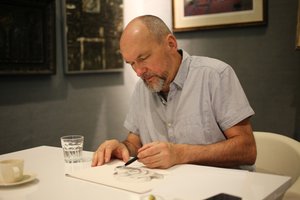
Jacek Yerka
1952 - , Polska
Najważniejsze informacje
- Artistic Movement Or Style: Surrealizm
- Artists Or Movements Influenced By This Artist: ['Flemish Painting']
- Artists Who Influenced This Artist:
- Hieronymus Bosch
- Pieter Bruegel
- Jan van Eyck
- Hugo van der Goes
- Date Of Birth: 1952
- Full Name: Jacek Yerka (właśc. Jacek Kowalski)
- Nationality: Polska
- Notable Artworks:
- The Angels' Kitchen
- Wegener's Theory
- Place Of Birth: Toruń, Polska
Zobacz także powiązane artykuły
Divine Beauty: A Curated Guide to the Celestial Majesty of Angelic Figures in Art History
Explore the profound beauty of angelic figures in art history. From Renaissance masterpieces to celestial symbolism, our expert guide offers a sophisticated journey through the divine imagery of the Old Masters for discerning collectors and art enthusiasts.

Celestial Messengers: Angels in Painting – A Historical & Artistic Exploration
Explore the captivating history of angels in painting! Discover symbolism, iconic Renaissance & Byzantine masterpieces, and renowned artists. Expert insights for art lovers & collectors at OriginalUniqueArt.

Jacek Yerka: Surreal Visions & Nostalgia in Contemporary Polish Painting
Explore the captivating surreal worlds of Jacek Yerka, a leading Polish painter renowned for his meticulous Flemish technique & dreamlike landscapes. Discover his unique style and learn about collecting this exceptional artist's work.
Surrealizm w Obrazach: 10 Arcydzieł, Które Zdefiniowały Ruch | OriginalUniqueArt.pl
Odkryj 10 arcydzieł surrealizmu! Poznaj historie Dalí, Magritte’a i Miró. Inspiracje, techniki i znaczenie onirycznych obrazów. Reprodukcje najwyższej jakości na OriginalUniqueArt.com – galeria sztuki online dla Twojego wnętrza. Eksploruj kolekcję!

Niebiańscy Posłańcy w Sztuce: Ewolucja Symboliki i Emocjonalnego Oddziaływania Anielskich Reprezentacji na Przez Wieki
Odkryj fascynującą historię aniołów w sztuce! Analizujemy ewolucję ikonografii, symbolikę i emocjonalny wpływ anielskich reprezentacji od starożytności po współczesność. Ekspercka analiza dla miłośników sztuki.