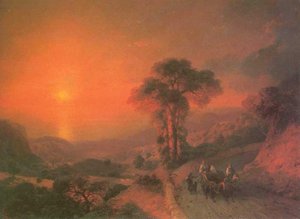
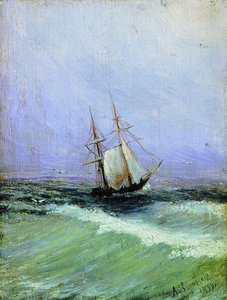
Zobacz w skali 1:1
 Wyślij
 Udostępnij
 Szczegóły
 Przewodnik

 Pobierz plik obrazu
 Podobne obiekty
 RTG
RTG Pokaz slajdów
 Statystyki
Tempest
 Oil On Canvas
- WallArt
- Romanticism
 1850
1850- 19th Century
 82.0 x 117.0 cm
 Czytaj więcej
Giclée / Wydruk artystyczny
Wydruki giclée lub płótna o jakości muzealnej, szybka realizacja i szeroki wybór opcji wykończenia. ( Kup ręcznie malowany obraz Przełącz na wersję cyfrową)




P118B zł10

P118H zł10

P118W zł10

P438Z zł10

P508JH zł12

P508YH zł12

P805H zł10

P805Z zł10

P919BZ zł10

P919G zł10

P919XJ zł10

P959ZH zł10

P968JZ zł12

W106C zł8

W218G zł10

W218JH zł8

W218Y zł10

W307PJ zł10

W316G zł10

W316PJ zł8

W316Y zł10

W398PJ zł8

W4111J zł10

W500HY zł15

W500JH zł15

W692G zł12

W849H zł8

W940BG zł15

W953PJ zł8




Wybierz spośród naszych standardowych rozmiarów, które zachowują oryginalne proporcje dzieła sztuki.

Wpisz wymaganą szerokość i wysokość, aby dopasować grafikę do ramy lub ściany. Wydruk można jedynie przyciąć, nigdy nie powiększając go poza oryginalny obraz, dlatego format o innym proporcji spowoduje utratę części kompozycji. Przed rozpoczęciem druku prześlemy Ci cyfrowy podgląd do zatwierdzenia. Obraz wyświetlany na tej stronie nie pokazuje rzeczywistego przycięcia — jedynie podgląd oddaje ten efekt.
Dostawa na cały świat () w ciągu 2 tygodni zamiast standardowych 4/5 tygodni. (22 Październik)

Bezpłatna ekspresowa wysyłka na cały świat

Wysokiej jakości płótno lniane

Pełne ubezpieczenie transportowe

Gwarancja zwrotu należności celnych i podatków importowych

Gwarancja idealnego odwzorowania barw

100-dniowy okres na zwrot dzieła w przypadku wykrycia wad produkcyjnych

Gwarancja 100% zwrotu pieniędzy

Oferta przy zakupie wielu sztuk
 Opcja ze szkłem jest dostępna wyłącznie w rozmiarach poniżej 110 cm

Tempest
Giclée / Wydruk artystyczny
Rozmiar reprodukcji
-


Suma do zapłaty
zł 307
A Tempestuous Vision: Aivazovsky's "Tempest"
Ivan Konstantinovich Aivazovsky’s “Tempest” is not merely a depiction of a storm at sea; it is an immersive experience, a visceral confrontation with the untamed power of nature. Painted in 1850, this monumental canvas – measuring 82 x 117 cm – captures a moment of profound drama and vulnerability, hallmarks of Aivazovsky’s extraordinary career and his deeply felt connection to the Black Sea. The scene unfolds with breathtaking intensity: a large sailing ship, tossed mercilessly by towering waves, battles against a furious storm, while a ruined vessel lies broken on the rocks below, a stark reminder of human fallibility. The imposing cliff face, partially obscured by swirling clouds, adds to the sense of isolation and impending doom, creating a composition that is both chaotic and meticulously controlled.
Romantic Intensity and Dramatic Realism
“Tempest” firmly establishes Aivazovsky within the Romantic movement, though he transcends simple categorization. While embracing the emotional intensity championed by artists like Turner – prioritizing feeling over precise representation – Aivazovsky’s work possesses a rigorous realism rooted in his meticulous observation of the sea. The loose, gestural brushstrokes, particularly evident in the depiction of the waves and clouds, convey an incredible sense of movement and urgency. Thick lines define the ship's rigging and the turbulent water, while visible impasto creates a rough, textured surface that further enhances the painting’s dynamism. This combination – Romantic fervor tempered by technical skill – is what makes “Tempest” so compelling.
Symbolism of Struggle and Power
Beyond its immediate visual impact, "Tempest" resonates with profound symbolic meaning. The ship itself represents human ambition, a bold venture into the unknown, yet ultimately fragile in the face of nature’s overwhelming force. The storm, rendered with such dramatic intensity, embodies that power – an indifferent and destructive entity capable of reducing even the most formidable vessels to splinters. The fortified coastal town, partially submerged by the waves, adds another layer of interpretation, suggesting humanity's limited control over its environment. The color palette—dominated by dark blues, grays, and browns punctuated by flashes of yellow—reinforces this sense of struggle and impending disaster, mirroring the dramatic lighting that casts long shadows across the scene.
Aivazovsky’s Technique and Legacy
Executed in oil on canvas, “Tempest” showcases Aivazovsky's mastery of technique. The layering of paint, the visible brushstrokes, and the skillful use of atmospheric perspective create a remarkable sense of depth, drawing the viewer into the heart of the storm. Born in Feodosia in 1817, Aivazovsky dedicated his life to capturing the essence of the Black Sea, becoming arguably Russia’s greatest marine painter. His work profoundly influenced generations of artists and continues to captivate audiences with its raw power and emotional resonance. This reproduction offers a unique opportunity to own a piece of this artistic legacy, bringing the drama and beauty of Aivazovsky's vision into your space.
Pytania i odpowiedzi
Czy dostępny jest wysokiej rozdzielczości plik do pobrania dla "Tempest"?
Cyfrowy obraz dzieła „Tempest” autorstwa Iwan Aiwazowski można zakupić na jego stronie Obraz cyfrowy: wysokiej rozdzielczości cyfrowe zdjęcie do pobrania.
Do jakiego nurtu w sztuce należy „Tempest” autorstwa Iwan Aiwazowski?
Nurt związany z „Tempest” autorstwa Iwan Aiwazowski to Romanticism. Ta klasyfikacja sytuuje dzieło wśród pokrewnych artystów i dzieł sztuki.
Co przedstawia „Tempest” autorstwa Iwan Aiwazowski i w jakim nastroju?
„Tempest” autorstwa Iwan Aiwazowski łączy w sobie maritime disaster, stormy seas, shipwreck, coastal town, dramatic sky, russian art, ocean power, romantic theme z Dramatic atmosferą.
Biografia artysty
A Life Embraced by the Waves
Ivan Konstantinovich Aivazovsky, born Hovhannes Aivazian in 1817, was more than a painter of seascapes; he was a conduit to the ocean’s soul. His very existence seemed inextricably linked to the Black Sea—a vast, unpredictable expanse that would forever dominate his artistic vision and fuel an extraordinary career spanning nearly six decades. Born in the Crimean port city of Feodosia, Aivazovsky didn't merely observe the sea; he felt it – its raw energy, sublime beauty, and inherent danger becoming the very essence of his art. From a young age, this connection was nurtured, initially by local architect Jacob Koch who recognized the boy’s talent, then blossoming within the rigorous academic environment of the Imperial Academy of Arts in Saint Petersburg. Yet, formal training alone couldn't account for the depth of Aivazovsky’s understanding; it was the constant presence of salt-laced air and the cries of gulls that truly shaped his artistic sensibility. His Armenian heritage also played a significant role, as he was baptized at the St. Sargis Armenian Church in Feodosia and maintained strong cultural ties throughout his life, occasionally incorporating Armenian themes into his expansive body of work.The Rise of a Marine Master
Aivazovsky’s artistic journey extended beyond Russia, taking him across Europe in the early 1840s. Italy proved particularly formative, immersing him in new landscapes and light, refining his skills and developing a distinctive style characterized by dramatic compositions and masterful use of color. He sought inspiration from the Italian masters, studying their techniques for capturing light and atmosphere. Upon returning to Russia, a pivotal moment arrived: his appointment as the main painter of the Russian Navy. This wasn’t merely a prestigious title; it was access—access to ships, sailors, naval battles, and firsthand observation that profoundly influenced his work. He became intimately acquainted with maritime life, lending an authenticity to his depictions that resonated deeply with both military officials and art enthusiasts alike. His prolific output – around 6,000 paintings throughout his career – testifies to his relentless dedication and extraordinary talent. Aivazovsky didn’t simply replicate scenes; he sought to evoke emotion, to transport the viewer into the heart of a storm or onto the deck of a ship battling towering waves. He wasn't interested in merely recording what was seen, but rather conveying what was felt. The artist’s ability to capture not just the visual spectacle of the sea, but its very essence—its moods, its power, and its mystery—quickly established him as a leading figure in Russian Romanticism.Capturing the Sublime: Style and Key Works
Aivazovsky’s paintings are instantly recognizable for their romantic sensibility and technical brilliance. Seascape with Full Moon exemplifies his mastery of atmospheric perspective, creating an ethereal glow that bathes the sea in silvery light. The power of nature is palpable in works like A Ship in a Stormy Sea, where turbulent waters and dark skies convey a sense of impending doom and the fragility of human existence. He wasn’t afraid to depict chaos and destruction, but even within these dramatic scenes, there was always an underlying sense of beauty and awe. The Gondolier on Sea at Night showcases his skill in capturing nocturnal scenes with remarkable detail and a hauntingly beautiful atmosphere. Early works like Chaos (The Creation), which garnered attention from Pope Gregory XVI, reveal a willingness to tackle ambitious themes and demonstrate his technical prowess. However, it is arguably The Ninth Wave that remains his most iconic masterpiece—a harrowing depiction of shipwreck survivors clinging desperately to wreckage, facing the relentless power of the ocean. The painting embodies Aivazovsky’s ability to blend realism with romanticism, creating a scene that is both terrifying and profoundly moving. He often worked en plein air, directly from nature, capturing fleeting light effects, and developed a unique technique of applying paint in thin layers to create luminous textures.Influences and Artistic Development
Aivazovsky’s artistic development was shaped by a confluence of factors. His early exposure to the Crimean landscape instilled in him a deep appreciation for color and light. The rigorous training at the Imperial Academy of Arts provided him with a solid foundation in classical techniques, but he quickly surpassed his instructors, developing a highly individual style. He drew inspiration from various sources, including the works of J.M.W. Turner, whose atmospheric effects he admired greatly, and the dramatic compositions of Rembrandt. The influence of Armenian folklore and traditions can also be detected in some of his later paintings, particularly those depicting scenes of rural life. His time spent in Constantinople profoundly impacted his artistic vision, exposing him to new cultures and artistic styles. He was deeply affected by the Hamidian massacres of Armenians in Asia Minor in 1895, painting a number of works on the subject such as “The Expulsion of the Turkish Ship,” and “The Armenian Massacres at Trevizond.” and renouncing a medal which had been awarded to him in Constantinople.Legacy and Enduring Influence
Ivan Konstantinovich Aivazovsky stands as one of the greatest masters of marine art in Russian history—a legacy cemented by his technical skill, emotional depth, and prolific output. His paintings are celebrated not only for their aesthetic beauty but also for their ability to evoke powerful emotions and capture the essence of the sea. He significantly contributed to the development of Russian landscape painting, influencing generations of artists with his innovative techniques and dramatic compositions. Aivazovsky’s work continues to resonate with audiences worldwide, exhibited in museums and galleries across the globe. His paintings are a testament to the enduring power of nature and the human spirit—a reminder of our vulnerability in the face of the elements and our capacity for resilience and hope. He wasn't simply a painter of seascapes; he was a poet of the ocean, translating its moods, mysteries, and majesty onto canvas with unparalleled skill and passion.
Iwan Aiwazowski
1817 - 1900 , Rosja
Najważniejsze informacje
- Artistic Movement Or Style: Romanticizm, Sztuka morska
- Artists Or Movements Influenced By This Artist: Rosyjski malarstwo krajobrazowe
- Artists Who Influenced This Artist: Szweryderzki malarstwo krajobrazowe
- Date Of Birth: 1817
- Date Of Death: 1900
- Full Name: Ivan Konstantinovich Aivazovsky
- Nationality: Rosyjsko-Armeński
- Notable Artworks:
- Mocne fale
- Statek w burzy
- Krajobraz z księżycem
- Place Of Birth: Feodosia, Rosja
Zobacz także powiązane artykuły

Trwała Spuścizna Malarstwa Olejnego: Technika, Historia i Estetyczny Wpływ
Poznaj historię i technikę malarstwa olejnego! Eksperckie artykuły o konserwacji, renowacji oraz współczesnych zastosowaniach. Dowiedz się więcej o mistrzach i trwałości obrazów olejnych.
Ivan Aivazovsky: Mastering Light & Emotion in 19th-Century Marine Painting
Explore the captivating world of Ivan Aivazovsky, a master of 19th-century marine painting. Discover his techniques, iconic artworks & lasting legacy in this expert guide.
The Allure of the Horizon: A Comprehensive Exploration of Seascape Art Through History & Emotion
Explore the captivating world of seascape art! Discover its history, key artists & movements – from Dutch Masters to Impressionism. Expert insights for collectors and enthusiasts at OriginalUniqueArt.

Olej na płótnie: Historia, techniki i ponadczasowy urok malarskiego medium
Poznaj historię i techniki malarstwa olejowego! Od renesansowych mistrzów po współczesne zastosowania – wszystko o oleju na płótnie. Poradniki, konserwacja i inspiracje dla pasjonatów sztuki.

Nautical Oil Paintings: A Procurement Guide to Premium Maritime Art for Large-Scale Commercial & Hospitality Projects
Optimize large-scale hospitality projects with premium nautical oil paintings. APS offers efficient bulk procurement of maritime art, featuring multi-panel layouts, custom sizing, and reliable global shipping for hotel designers and procurement managers seeking high-volume reliability.