Fauvism
Cassis (André Derain)
André Derain (1880–1954) stworzył Cassis. Należy do nurtu Fauvism. Wykonano w technice Oil On Canvas.
- Oil On Canvas

 Podgląd w skali 1:1

 Ręcznie malowany obraz olejny
 Wyślij jako kartkę
 Udostępnij
 Przewodnik


 Pobierz obraz
 Podobne obiekty
 RTG
 Pokaz slajdów
 Pytania i odpowiedzi

 Statystyki
Cassis: najważniejsze informacje
- Tytuł
- Cassis
- Artysta
- André Derain (1880–1954)
- Miejsce urodzenia artysty
- Chatou, Francja
- Technika wykonania
- Oil On Canvas
- Ruch
- Fauvism
- Epoka
- Modern
- Temat
- village, trees, church, house, people, buildings
Co przedstawia Cassis?
Identification of the Landscape at Cassis
The artwork titled Cassis, also known as Landscape at Cassis, is an oil on canvas painting. This work was executed by the French artist André Derain in 1907. The subject matter focuses on a landscape setting located in Cassis, France.
The painting depicts a village scene characterized by various structures and natural elements. A church occupies a central position within the town. Surrounding this central building are numerous trees. The composition includes a house with a red roof and a building resembling a barn. Several people are positioned throughout the scene, appearing to move through or observe the village environment.
Visual Composition and Subject Matter
The composition centers on a hillside landscape where a house with a red roof sits among various trees. This structure is positioned on an incline, surrounded by dense vegetation. Several people are scattered throughout the scene, appearing as small figures engaged in activities or observing the view. The arrangement of the terrain and the placement of the buildings create a sense of a settled village environment.
The natural elements are rendered as a dense web of stylized forms. These shapes are distributed across a smooth surface, creating a patterned effect within the landscape. The trees and the surrounding greenery form a complex network of lines and colors that define the topography of the hillside. The presence of the church and the barn adds structural variety to the village setting, contrasting with the organic shapes of the foliage.
Artistic Style and Technique
The work exemplifies the essence of Fauvism through its use of vivid colors and energetic brushstrokes. The application of paint involves thick black outlines that define the various structures and natural elements within the scene. These heavy contours create a sharp separation between the buildings, the trees, and the sky. The color palette relies on stark contrasts to establish form and depth. This approach moves away from naturalistic shading in favor of direct, unmixed hues.
The composition occupies a position halfway between Fauvism and Cubism. While the color application remains bold and non-representational, there is an emerging interest in structure and form. The artist uses a dense web of stylized natural elements across the surface. These elements are rendered with a controlled, almost geometric quality that suggests a transition toward more structured compositions. The brushwork remains visible and rhythmic, contributing to the overall sense of movement within the landscape.
Related Works by André Derain
The artist's exploration of the French coastline includes The Cypresses at Cassis and Landscape near Cassis (Paysage aux environs de Cassis). These works focus on the specific light and topography of the region. In the latter, the composition features a house with a red roof situated on a hillside, surrounded by trees and figures. The palette in these studies often utilizes the intense colors associated with the Fauvist movement, employing bold and non-naturalistic hues to define the landscape.
During a period of travel to the United Kingdom, Derain produced a series of thirty paintings focused on the urban environment of London. These works move away from the quietude of the French countryside to capture the structural weight of the city and the movement of the Thames. His later output also includes Harlequin and Pierrot, a work from 1924 that reflects a shift in his stylistic direction following his earlier experimental years.
- The Cypresses at Cassis
- Landscape near Cassis (Paysage aux environs de Cassis)
- Harlequin and Pierrot
Where to See This Artwork Today
The oil on canvas painting is currently held within the collection of the New Orleans Museum of Art. This institution maintains the work as part of its permanent holdings. Visitors seeking to observe the piece in person can find it within this specific museum setting.
The provenance and ownership of the work involve the Hermann und Margrit Rupf-Stiftung, Kunstmuseum Bern. This association links the painting to the collection at the Kunstmuseum Bern. Additionally, the artist's broader body of work is represented in the Musee d'art moderne Andre Malraux, which houses other pieces by the same hand.
Cassis w wysokiej rozdzielczości

Domena publiczna: artysta zmarł w 1954.
Więcej rozmiarów, kadrowania i cytowań →André Derain, Cassis. Domena publiczna
Ekspert ds. cyfrowych weryfikuje kolory względem oryginału i retuszuje plik, zachowując wierność pociągnięciom pędzla artysty.
Kup obraz w wysokiej rozdzielczościPytania o Cassis
W jakiej technice wykonano „Cassis” – André Derain?
André Derain wykorzystał/a technikę Oil On Canvas w pracy „Cassis”. Technika ta definiuje materię oryginalnego dzieła.
Co przedstawia "Cassis"?
Tematyka obecna w „Cassis” – André Derain obejmuje village, trees, church, house, people, buildings, red roof. Razem stanowią one podsumowanie tematyki dzieła.
Czy dzieło "Cassis" znajduje się w domenie publicznej?
„Cassis” – André Derain znajduje się w domenie publicznej (należy do domeny publicznej – autorskie prawa majątkowe wygasły). Status ten określa zasady reprodukcji obrazu tego dzieła.
Kto stworzył "Cassis"?
Autorem dzieła „Cassis” jest André Derain. Praca ta figuruje w katalogu pod nazwiskiem André Derain.
Do jakiego nurtu artystycznego należy „Cassis” – André Derain?
Nurt związany z „Cassis” – André Derain to Fauvism. Ta klasyfikacja sytuuje dzieło wśród pokrewnych artystów i dzieł sztuki.
Do którego okresu twórczości André Derain należy dzieło „Cassis”?
W dorobku artystycznym André Derain dzieło „Cassis” przypada na Fauvist Period. Ten etap pozwala zestawić je z innymi pracami twórcy.
Czy dzieło „Cassis” autorstwa André Derain znajduje się w domenie publicznej i dlaczego?
Dzieło "Cassis" autorstwa André Derain znajduje się w należy do domeny publicznej – autorskie prawa majątkowe wygasły. Okres ochrony praw autorskich liczony jest od daty śmierci artysty, a André Derain zmarł(a) w 1954.
Co łączy "Cassis" z resztą twórczości André Derain?
"Cassis" wpisuje się w nurt Fauvism w twórczości André Derain, której charakterystyczne motywy obejmują influenced by matisse, influenced by cézanne, fauvist movement essence, key fauvist work.
Czy "Cassis" wpisuje się w typową tematykę twórczości André Derain?
„Cassis” przedstawia village, trees, church, house, people, buildings, red roof, podczas gdy powracające motywy u André Derain to influenced by matisse, influenced by cézanne, fauvist movement essence, key fauvist work. Porównanie tych dwóch elementów ukazuje, jak dzieło nawiązuje do typowej dla tego artysty tematyki.
O artyście: André Derain
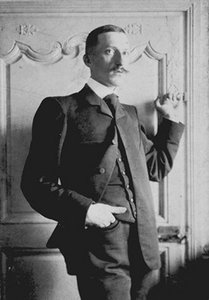
1880–1954, Francja
André Derain
Wczesne lata, rodzina i kształcenie W 1880 roku André Derain przyszedł na świat w Chatou, urokliwej wiosce położonej w departamencie Yvelines we Francji. Jego dzieciństwo i młodość zostały ukształtowane przez spokojne krajobrazy Île-de-France, gdzie w sercu młodego artysty zaczęła kiełkować naturalna ciekawość otaczającego świata. Już w 1895 roku rozpoczął samodzielne studia, pragnąc zrozumieć świat wizualny własnymi oczami, z dala od rygorów formalnego nauczania. Ten okres samodzielnych poszukiwań pozwolił mu wypracować unikalny, osobisty sposób patrzenia na rzeczywistość, zanim surowe zasady akademii mogły narzucić mu swoją wolę.
Inne prace André Derain
 bathers1907
 London Bridge1906
 Charing Cross from sw1906
 Landscape at L'Estaque1906
Eseje o Cassis
 Fauvism and Cubism: Distinguishing Color Revolution from Spatial AnalysisMaster the core differences between Fauvism and Cubism through expert analysis. Discover how color and space redefined modern art today.
 French artworks of the 1870sFrench Impressionist masterpieces by Claude Monet, Pierre-Auguste Renoir, and Édouard Manet define the 1870s. View the full collection on O…
 Early Netherlandish Painting vs. Italian Renaissance: A Comparative StudyMaster the differences between Netherlandish detail and Renaissance perspective. Explore this expert comparative study now.