

 Zobacz w skali 1:1
 Wyślij
 Udostępnij
 Szczegóły
 Przewodnik

 Pobierz plik obrazu
 Podobne obiekty
 RTG
RTG Pokaz slajdów
 Statystyki
Pieniek kwiat


 Czytaj więcej
Kup wysokiej rozdzielczości, ulepszony obraz cyfrowy o jakości znacznie przewyższającej podgląd online.
Każdy plik jest starannie przygotowywany przez naszych specjalistów przy użyciu zaawansowanych narzędzi oraz profesjonalnej, ręcznej retuszy. Dbamy o to, aby każdy obraz cechował się wyjątkową ostrością, precyzyjnym odwzorowaniem kolorów i subtelnymi detalami.
Ostateczny plik dostarczany jest drogą mailową w ciągu 72 godzin, zoptymalizowany do natychmiastowego wykorzystania w profesjonalnych zastosowaniach redakcyjnych i poligraficznych. To ta sama jakość, której ufają czołowe studia projektowe, wydawnictwa oraz galerie sztuki.
Obraz cyfrowy
Pobierz plik o wysokiej rozdzielczości do osobistego użytku, druku oraz projektów kreatywnych. ( Przełącz na wersję drukowaną Kup ręcznie malowany obraz)
W każdym zamówieniu na obraz cyfrowy znajduje się
Profesjonalna dostawa cyfrowa z gwarancją
Wybierając OriginalUniqueArt.com, nie otrzymujesz jedynie obrazu – otrzymujesz profesjonalnie udoskonalone cyfrowe dzieło sztuki, stworzone z najwyższą precyzją i objęte gwarancją satysfakcji. Oto wszystko, co automatycznie dołączane jest do Twojego zamówienia:

Błyskawiczna dostawa e-mailowa
Plik z obrazem cyfrowym w wysokiej rozdzielczości zostanie przesłany na Twój adres e-mail w ciągu 72 godzin od złożenia zamówienia – gotowy do natychmiastowego użycia.

Plik cyfrowy ulepszony przez AI
Twoja grafika została profesjonalnie zoptymalizowana przy użyciu zaawansowanych narzędzi AI oraz ręcznej edycji, co zapewnia maksymalną szczegółowość, klarowność i wierność kolorów.

Bezpłatna dożywotnia ponowna dostawa
Przypadkowo usunąłeś lub zgubiłeś swój plik? Bez obaw – prześlemy go Tobie ponownie w dowolnym momencie, bez żadnych opłat.

Bez opłat importowych – zawsze
Ciesz się swoją sztuką natychmiast, bez żadnych opłat celnych, należności ani kosztów dostawy – pliki cyfrowe są zawsze wolne od podatku.

Gwarancja odwzorowania kolorów
Dzięki zastosowaniu profesjonalnych narzędzi i procesów zarządzania barwą zapewniamy, że Twoje cyfrowe zdjęcie odzwierciedla oryginalne kolory tak wiernie, jak to tylko możliwe.

100 dni na satysfakcję
Jeśli nie będziesz zadowolony ze swojego cyfrowego obrazu, poprawimy go lub zwrócimy 100% kosztów w ciągu 100 dni – bez zbędnych pytań.

100% Gwarancja zwrotu pieniędzy
Nie jesteś zadowolony? Otrzymaj pełny zwrot kosztów w ciągu 100 dni od otrzymania pliku cyfrowego – bez zbędnych pytań.

Rabaty przy zamówieniach hurtowych
Kup 3 obrazy, oszczędź 10% - Kup 5, oszczędź 15% - Kup 10+, oszczędź 20%. Idealne do projektów kreatywnych, galerii i agencji.
Money Plant – A Study in Botanical Minimalism
Imogen Cunningham’s “Money Plant” (1956) stands as a testament to the power of quiet observation and masterful photographic technique within the Pictorialist movement. Captured against the backdrop of Group f/64's uncompromising aesthetic, this image transcends mere representation; it embodies a profound connection with the natural world and explores themes of stillness, texture, and subtle illumination. Cunningham’s dedication to capturing the essence of her subjects—often plants, fruits, and vegetables—established her as one of America’s foremost botanical photographers.Composition and Lighting: Architectural Forms in Organic Detail
The photograph's composition is strikingly simple yet remarkably effective. Cunningham expertly cropped a branch densely populated with dried seed pods resembling silver dollars, prioritizing verticality to emphasize the plant’s stature and the arrangement of the pods themselves. This deliberate framing directs the viewer’s gaze upwards, mirroring the upward growth of the Lunaria species—a plant celebrated for its resemblance to currency. Crucially, Cunningham utilized dramatic lighting – likely achieved with a medium format camera – creating strong shadows that carve out contours within the seedpods and imbue the scene with an atmosphere of contemplative drama. These shadows aren’t merely decorative; they actively contribute to the image's depth perception and heighten the textural richness of the subject matter.Technique and Material: Silver Salts and Direct Observation
The photograph employs a technique rooted in Pictorialism—specifically, silver salts printing—a process championed by Group f/64 for its ability to reproduce tonal nuances with exceptional fidelity. This method ensured that every subtle variation in light and shade was faithfully captured on film, resulting in an image of remarkable clarity and detail. Cunningham’s meticulous attention to observation is palpable; she sought not just to depict the plant visually but to convey its inherent qualities—its resilience, its beauty, and its connection to cycles of life. The material used – film – underscores the artist's commitment to capturing a fleeting moment in time with uncompromising accuracy.Symbolism: Coins as Vessels of Transformation
Beyond its formal merits, “Money Plant” carries symbolic weight. The seedpods’ resemblance to coins speaks to concepts of abundance and transformation—the potential for growth and renewal contained within seemingly insignificant forms. Cunningham's work aligns perfectly with the broader ethos of Group f/64, which rejected sentimentalism in favor of direct representation and an appreciation for the beauty found in everyday subjects. This image invites contemplation on themes of perseverance and the enduring power of nature to inspire awe and wonder.Emotional Impact: A Moment of Tranquility
Ultimately, “Money Plant” succeeds as a piece of art because it eschews overt emotional expression. Instead, it offers a serene tableau—a snapshot of stillness captured in black and white—that allows viewers to immerse themselves in the quiet contemplation of observation. Cunningham’s masterful control over composition and lighting elevates this botanical study into something far more profound: an invitation to appreciate the subtle wonders of the natural world and to find beauty within simplicity.Pytania i odpowiedzi
W stronę jakiej tonacji skłania się "Pieniek kwiat"?
„Pieniek kwiat” skłania się ku Od ochry do sepii tonacji.
Czy dzieło "Pieniek kwiat" jest wolne od praw autorskich?
„Pieniek kwiat” autorstwa Imogen Cunningham znajduje się w nadal chronione prawem autorskim. Status ten określa zasady reprodukcji obrazu tego dzieła.
Jaki kolor dominuje w kompozycji „Pieniek kwiat” autorstwa Imogen Cunningham?
Kolorem, który najbardziej wyróżnia się w "Pieniek kwiat", jest Szary (#706c69). Dominujący kolor jest pomocny przy dopasowywaniu dzieła sztuki do wnętrza.
Biografia artysty
Wczesne lata i artystyczne przebudzenie
Imogen Cunningham, pionierka amerykańskiej fotografii, przyszła na świat 12 kwietnia 1883 roku w Portland w stanie Oregon, w licznej, dziesięcioosobowej rodzinie. Jej wczesne lata, naznaczone przeprowadzką do Seattle w 1889 roku, ukształtowały w niej niezależnego ducha oraz niezwykle uważne, badawcze oko. Choć formalna edukacja artystyczna nie była priorytetem w jej wychowaniu, Cunningham samodzielnie zgłębiała tajniki sztuki, wykazując wrodzone artystyczne predyspozycje już od najmłodszych lat. Przełomowy moment nastąpił w 1901 roku, kiedy to mając osiemnaście lat, nabyła swój pierwszy aparat – kamerę wielkoformatową 4x5 cala, zakupioną drogą korespondencyjną. To wydarzenie rozbudziło pasję na całe życie i doprowadziło do stworzenia ciemni w rodzinnej szopie na drewno – przestrzeni, w której zaczęła eksplorować rodzącą się formę sztuki, która miała zdefiniować jej karierę. Jej ambicje akademickie na University of Washington, zwieńczone uzyskaniem dyplomu z chemii w 1907 roku wraz z pracą magisterską poświęconą procesom fotograficznym, ujawniają wczesne zrozumienie naukowych fundamentów wybranego medium. To połączenie artystycznej wrażliwości i technicznej wiedzy stało się znakiem rozpoznawczym jej twórczości. Szczególnie wpływające na nią spotkanie z fotografiami Gertrude Käsebier umocniło determinację Cunningham, by traktować fotografię jako coś znacznie więcej niż tylko hobby.Od piktorializmu do modernistycznej wizji
Pierwsze kroki w profesjonalnej fotografii Cunningham postawiła podczas praktyk u Edwarda S. Curtisa w Seattle, gdzie doskonaliła umiejętności portretowe i opanowała skomplikowaną technikę platynowego druku, współtworząc jego monumentalny projekt dokumentujący kultury rdzennych Amerykanów. Wkrótkiem potem założyła własne studio, początkowo przyjmując dominującą wówczas estetykę piktorializmu – styl charakteryzujący się miękką ostrością, inscenizowanymi kompozycjami i próbą naśladowania malarstwa. Jej prace z tego okresu zdobyły uznanie krytyków, jednak artystyczna trajektoria Cunningham wciąż nie była jeszcze ustalona. Okres studiów w Dreźnie w Niemczech pod okiem profesora Roberta Luthera w 1909 roku jeszcze bardziej dopracował jej biegłość techniczną, zwłaszcza w dziedzinie chemii fotograficznej. Jednak to kolejne dekady przyniosły dramatyczną zmianę w jej podejściu. Małżeństwo z Roi Partridge w 1915 roku oraz wychowywanie trojga dzieci zbiegło się w czasie z przeprowadzką do San Francisco w 1920 roku, co stało się punktem zwrotnym zarówno w jej życiu osobistym, jak i artystycznym. Kontynuując pracę portretową, Cunningham zaczęła zgłębiać fotografię botaniczną, urzeczona misternymi detalami kwiatów i roślin. Ta fascynacja ewoluowała w stronę eksploracji krajobrazów przemysłowych, dokumentowania fabryk i scen miejskich z coraz większym naciskiem na ostrą ostrość i nieprzetworzony obraz. Momentem definiującym jej twórczość stało się przystąpienie do grupy f/64 w latach 30. XX wieku – u boku takich luminarzy jak Ansel Adams czy Edward Weston – kolektywu oddanego „fotografii czystej”, stawiającego na klarowność, precyzję i odrzucenie piktorialistycznych manipulacji.Dziedzictwo różnorodnej tematyki i technicznego mistrzostwa
Przez całą swoją długą i płodną karierę Imogen Cunningham wykazywała się niezwykłą wszechstronnością, płynnie przechodząc między różnymi tematami przy jednoczesnym zachowaniu niezmiennego dążenia do doskonałości technicznej. Powróciła do portretu, słynąc z fotografowania dłoni artystów i muzyków – chwytając nie tylko podobieństwo, ale także ujawniając charakter poprzez gest i formę. Jej praca dla magazynu Vanity Fair pozwoliła jej przedstawiać celebrytów bez zbędnej sztuczności, ukazując ich w ich naturalnym stanie. Jednak to być może właśnie studia botaniczne ugruntowały jej reputację jako mistrzyni fotografii. Obrazy takie jak „Rubber Plant 3” (1929) czy „Money Plant” (1956) są ikonicznymi przykładami jej zdolności do przekształcania zwyczajnych obiektów w niezwykłe dzieła sztuki, ukazujące immanentne piękno i złożoność świata przyrody poprzez drobiazgowy detal i dramatyczne operowanie światłem. Styl Cunningham charakteryzował się mistrzowskim panowaniem nad światłocieniem, przenikliwym okiem do kompozycji oraz niezachwianym oddaniem ostrości i klarowności. Nie tylko rejestrowała to, co widziała; ona to interpretowała, nadając swoim fotografiom poczucie emocjonalnej rezonansu i intelektualnej głębi.Znaczenie historyczne i trwały wpływ
Wkład Imogen Cunningham w fotografię amerykańską jest ogromny i dalekosiężny. Jako prawdziwa innowatorka, poruszała się po ewoluującym krajobrazie tego medium, przyjmując zarówno artystyczne aspiracje piktorializmu, jak i modernistyczne zasady fotografii czystej. Jej twórczość rzuciła wyzwanie konwencjonalnym pojęciom piękna i rozszerzyła granice ekspresji fotograficznej. Powołanie Imogen Cunningham Trust w 1975 roku podkreśliło jej zaangażowanie w zachowanie i promowanie jej dziedzictwa dla przyszłych pokoleń. Choć odeszła w 1976 roku, jej wpływ nadal rezonuje wśród współczesnych fotografów. Pozostaje świadectwem potęgi wizji artystycznej, umiejętności technicznych i niezłomnego oddania – pionierką, która pomogła ukształtować rozwój sztuki fotograficznej i pozostawiła niezatarty ślad w historii kultury wizualnej. Jej zdolność do odnajdywania piękna w tym, co pospolite, oraz do odkrywania niezwykłości w zwyczajności, pozostaje źródłem inspiracji zarówno dla artystów, jak i odbiorców. Twórczość Cunningham to nie tylko to, co fotografowała; to przede wszystkim sposób, w jaki widziała świat.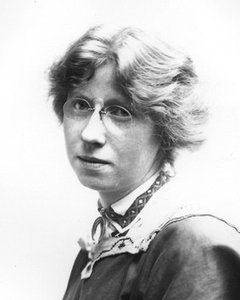
Imogen Cunningham
1883 - 1976
Najważniejsze informacje
- Artistic Movement Or Style: Piktorializm, Modernizm
- Artists Or Movements Influenced By This Artist: ['Grupa f/64']
- Artists Who Influenced This Artist: ['Gertrude Käsebier']
- Date Of Birth: 12 kwietnia 1883
- Date Of Death: 1976
- Full Name: Imogen Cunningham
- Nationality: Amerykańska
- Notable Artworks:
- Autoportret
- Money Plant
- Rubber Plant 3
- Place Of Birth: Portland, USA