

 Podgląd w skali 1:1
 Wyślij jako kartkę
 Udostępnij
 Szczegóły dzieła
 Przewodnik

 Pobierz obraz
 Podobne obiekty
 RTG
RTG Pokaz slajdów
 Statystyki
Landscape with Tower


 Rozwiń treść
Ręcznie malowana reprodukcja olejowa
Ręcznie malowany obraz olejny na płótnie, wykonany na zamówienie przez naszych artystów w wybranym przez Ciebie wymiarze i oprawie. ( Przełącz na wydania drukowane Przejdź do wersji cyfrowej)




P118B zł10

P118H zł10

P118W zł10

P438Z zł10

P508JH zł12

P508YH zł12

P805H zł10

P805Z zł10

P919BZ zł10

P919G zł10

P919XJ zł10

P959ZH zł10

P968JZ zł12

W106C zł8

W218G zł10

W218JH zł8

W218Y zł10

W307PJ zł10

W316G zł10

W316PJ zł8

W316Y zł10

W398PJ zł8

W4111J zł10

W500HY zł15

W500JH zł15

W692G zł12

W849H zł8

W940BG zł15

W953PJ zł8




Wybierz spośród naszych standardowych rozmiarów, które zachowują oryginalne proporcje dzieła sztuki.

Wpisz wymaganą szerokość i wysokość, aby obraz pasował do Twojej ramy lub ściany. Ponieważ jest to dzieło malowane ręcznie, w przypadku rozmiaru o innych proporcjach artysta może domalować nieco więcej wokół obrazu lub przyciąć jego fragmenty — wybór należy do Ciebie. Przed rozpoczęciem pracy prześlemy Ci cyfrową wizualizację do zatwierdzenia. Obraz widoczny na tej stronie nie przedstawia rzeczywistego efektu — jedynie wizualizacja oddaje realny rezultat.
Po złożeniu zamówienia zespół OriginalUniqueArt.com skontaktuje się z klientem drogą mailową w celu uzyskania instrukcji i prześle wizualizację projektu
Dostawa na całym świecie () w ciągu 3–4 tygodni zamiast standardowych 5 tygodni. (27 Październik). Bez kompromisów w kwestii jakości.

Bezpłatna ekspresowa wysyłka na cały świat

Wysokiej jakości płótno lniane

Pełne ubezpieczenie przesyłki

Gwarancja zwrotu należności celnych i podatków importowych

Gwarancja wiernego odwzorowania kolorów

100-dniowa polityka zwrotów (tylko w przypadku wad)

Gwarancja 100% zwrotu pieniędzy

Zniżka przy zakupie wielu sztuk
 Opcja ze szkłem jest dostępna wyłącznie w rozmiarach poniżej 110 cm

Landscape with Tower
Technika reprodukcji
Wymiary reprodukcji
-


Cena całkowita
zł 1345
Biografia artysty
Ike no Taiga: Bridging Tradition and Innovation in Edo Period Landscape Painting
Ike no Taiga (1723-1776) stands as a monumental figure within the *bunjinga* tradition—a uniquely Japanese form of literati painting that flourished during the Edo period. More than just an artist, he embodied the spirit of his time, skillfully blending classical Chinese aesthetics with groundbreaking experimental techniques to produce works that continue to resonate with collectors and scholars alike. His life story itself is a testament to perseverance and intellectual curiosity, shaping him into one of the most influential painters of his era. Born into humble circumstances—his father a farmer on the outskirts of Kyoto—Taiga’s early life was marked by hardship. The family moved to Kyoto shortly before his birth, seeking refuge from famine conditions, and his father's employment at the silver mint afforded them modest financial stability. Tragically, he passed away when Taiga was just three years old, leaving his widowed mother to raise him with unwavering devotion. Remarkably, she prioritized his education, securing tutors who instilled in him a profound understanding of both Japanese and Chinese disciplines—a foundation that would prove crucial to his artistic development. By the age of six, he began formal training at Manpuku-ji Zen Temple, fostering connections that would endure throughout his life, grounding him in Buddhist philosophy and shaping his contemplative approach to artmaking. Taiga’s artistic journey commenced professionally at fourteen, establishing a fan painting workshop where he honed his craft alongside fellow artists and collectors. A pivotal encounter with Yanagisawa Kien—a prominent social and artistic patron—introduced him to the vibrant *bunjinga* circle of Kyoto, propelling him toward collaborations that would solidify his reputation as a leading figure in Japanese art. Notably, Taiga’s formative influence stemmed from Yi Fujiu (j: i fukyū), a Chinese painter specializing in landscape depictions who taught Taiga innovative painting methods—documented extensively in *Yi Fujiu Ike no Taiga Sansui Gafu* (1803). This manual became the cornerstone of Taiga's artistic style, reflecting the pervasive impact of Chinese art on Edo period aesthetics.- Key Characteristics: Taiga’s paintings are characterized by a masterful fusion of meticulous observation and expressive brushwork. He meticulously rendered landscapes—often featuring mountains, rivers, and trees—capturing subtle nuances of light and atmosphere with remarkable precision.
- Technique: Unlike many of his contemporaries who adhered strictly to established conventions, Taiga experimented with techniques that pushed the boundaries of *bunjinga*. He employed “finger painting”—a method where pigment is applied directly onto paper using fingertips—creating textured surfaces and conveying a sense of immediacy and spontaneity.
- Notable Works: Among his celebrated compositions are "Landscape with Tower," "Fishing Boat on Reed Covered Bank and Calligraphy," and “Finger Painting of a Landscape,” each exemplifying Taiga’s distinctive style and demonstrating his ability to capture the essence of nature in evocative imagery.

Ike Taiga
1723 - 1776
Krótka nota
- Artistic Movement Or Style: *Bunjinga* (Literati Painting)
- Artists Or Movements Influenced By This Artist: Yanagisawa Kien
- Artists Who Influenced This Artist: Yi Fujiu
- Date Of Birth: 1723
- Date Of Death: 1776
- Full Name: Ike no Taiga
- Nationality: Japanese
- Notable Artworks:
- Landscape with Tower
- Finger Painting of a Landscape
- Fishing Boat on Reed Covered Bank and Calligraphy
- Place Of Birth: Kyoto, Japan
Powiązane artykuły
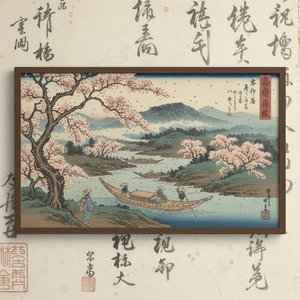
Ephemeral Landscapes: Hiroshige's Poetics of Transient Beauty in Edo Japan
Explore the captivating world of Utagawa Hiroshige's ukiyo-e landscapes. Discover his artistic innovations, influence on Western art, and the poetics of transient beauty in Edo period Japan. A guide for collectors & enthusiasts.

Romantyczny Krajobraz w Malarstwie: 10 Arcydzieł, Które Zdefiniowały Epokę | OriginalUniqueArt.com
Odkryj 10 arcydzieł romantyzmu w malarstwie! Poznaj historie Caspara Davida Friedricha, Turnera i innych mistrzów. Inspiracje wnętrzarskie & reprodukcje obrazów najwyższej jakości na OriginalUniqueArt.com. Eksploruj kolekcję online!
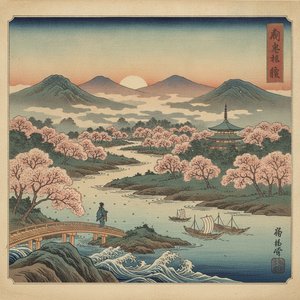
Zen on Canvas: The Timeless Artistry and Spiritual Depth of Japanese Landscape Painting
Explore the profound beauty of Japanese landscape painting. From Hokusai's iconic vistas to Zen-inspired compositions, discover the spiritual depth and historical mastery of Ukiyo-e art in this expert cultural retrospective.

Katsushika Hokusai: 25 Arcydzieł Sztuki Japońskiej dla Kolekcjonerów i Miłośników Dekoracji
Odkryj 25 arcydzieł Katsushika Hokusai, mistrza ukiyo-e! Poznaj historię Wielkiej Fali i innych ikonicznych drzeworytów. Inspiracje wnętrzarskie i reprodukcje obrazów najwyższej jakości na OriginalUniqueArt.com – sztuka japońska dla Twojego domu.
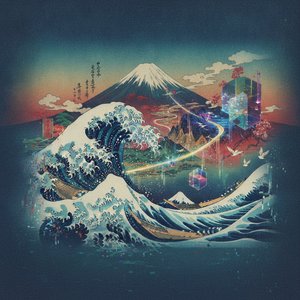
Beyond the Great Wave: The High-Impact Visual Revolution of Japanese Landscape Art
Go beyond Hokusai's Great Wave. Explore the high-impact, graphic world of Japanese Ukiyo-e landscapes and urban prints. Discover how these bold, vibrant woodblock masterpieces continue to shape modern pop culture and contemporary design aesthetics.