

 Podgląd w skali
 Wyślij jako kartkę
 Udostępnij
 Szczegóły dzieła

 Pobierz
 Podobne obiekty
 RTG
RTG Pokaz slajdów
Samovar
 Oil On Canvas
- WallArt
- Post-Impressionism
 1905
1905- Modern
 80.0 x 80.0 cm
 Rozwiń treść
Ręcznie malowana reprodukcja olejowa
Ręcznie malowany obraz olejny na płótnie, wykonany na zamówienie przez naszych artystów w wybranym przez Ciebie wymiarze i oprawie. ( Zamów wydruk Kup obraz wysokiej rozdzielczości)




P118B $10

P118H $10

P118W $10

P438Z $10

P508JH $12

P508YH $12

P805H $10

P805Z $10

P919BZ $10

P919G $10

P919XJ $10

P959ZH $10

P968JZ $12

W106C $8

W218G $10

W218JH $8

W218Y $10

W307PJ $10

W316G $10

W316PJ $8

W316Y $10

W398PJ $8

W4111J $10

W500HY $15

W500JH $15

W692G $12

W849H $8

W940BG $15

W953PJ $8




Wybierz spośród naszych standardowych rozmiarów, które zachowują oryginalne proporcje dzieła sztuki.

Możesz wprowadzić własne wymiary, aby dopasować obraz do konkretnej ramy lub przestrzeni. Jeśli wybrany rozmiar nie będzie odpowiadał proporcjom oryginału, przytniecie dzieło sztuki lub rozszerzymy je o dodatkowe elementy, ręcznie domalowane przez artystę. Przed rozpoczęciem produkcji wyślemy projekt cyfrowy do Twojej akceptacji.
Należy pamiętać, że podgląd na ekranie nie odzwierciedla rzeczywistego przycinania ani rozszerzania obrazu. Tylko projekt dokładnie pokaże ostateczną kompozycję.
Choć oferujemy możliwość zamówienia niestandardowych rozmiarów, zalecamy wybór wymiaru z gotowej listy, aby zachować oryginalne proporcje dzieła.
Po złożeniu zamówienia zespół OriginalUniqueArt.com skontaktuje się z klientem drogą mailową w celu uzyskania instrukcji i prześle wizualizację projektu
Dostawa na całym świecie () w ciągu 3–4 tygodni zamiast standardowych 5 tygodni. (21 Sierpień). Bez kompromisów w kwestii jakości.

Bezpłatna ekspresowa wysyłka na cały świat

Wysokiej jakości płótno lniane

Pełne ubezpieczenie przesyłki

Gwarancja zwrotu należności celnych i podatków importowych

Gwarancja wiernego odwzorowania kolorów

Polityka 60-dniowego zwrotu (tylko w przypadku wad)

Gwarancja 100% zwrotu kosztów

Zniżka przy zamówieniu wielu produktów
 Opcja ze szkłem jest dostępna wyłącznie w rozmiarach poniżej 110 cm

Samovar
Technika reprodukcji
Wymiary reprodukcji
-


Cena całkowita
$ 300
Opis dzieła
A Moment Frozen in Light: The Soul of Samovar
In the quiet corners of art history, few works capture the essence of domestic intimacy as tenderly as Igor Emmanuilovich Grabar’s Samovar. Painted in 1905, this exquisite oil on canvas serves as a window into a bygone era of warmth and communal connection. The scene unfolds within a cozy dining area, where a woman sits poised at a table, her presence anchored by the iconic silhouette of a samovar. As she holds a small piece of bread, there is a profound sense of stillness, as if the world outside has ceased to exist, leaving only the soft glow of the meal and the quiet companionship of the moment. For collectors and interior designers alike, this piece offers more than just decoration; it provides an emotional anchor, inviting a sense of peace and nostalgia into any curated space.
The technical mastery displayed in Samovar is a testament to Grabar’s unique position within the Post-Impressionist movement. Having studied under the legendary Ilya Repin in Saint Petersburg and Anton Ažbe in Munich, Grabar synthesized classical training with the avant-garde experimentation of his time. He employs a sophisticated divisionist technique—a method bordering on pointillism—where small, distinct strokes of color are applied to the canvas to create a shimmering, vibrant texture. This approach allows light to dance across the surface, illuminating the wine glasses and the metallic sheen of the samovar with an almost rhythmic energy. The result is a painting that feels alive, breathing with a soft, luminous vitality that draws the viewer into its warm embrace.
Beyond its technical brilliance, the painting is a masterclass in atmosphere and symbolism. The arrangement of objects—the scattered wine glasses, the solitary cup, and the bread—suggests a narrative of shared life and the beauty found in everyday rituals. Grabar uses a palette of warm tones to evoke a sense of comfort and safety, making the artwork an ideal centerpiece for rooms designed for relaxation and conversation. To possess a reproduction of this work is to bring a piece of Russian Post-Impressionist history into the modern home, offering a timeless elegance that complements both classical and contemporary interiors. It is a celebration of the quiet, beautiful fragments of life that define our most cherished memories.
O artyście
Early Life and Education
Igor Emmanuilovich Grabar (1871 – 1960) was a Russian Post-Impressionist painter, publisher, restorer and historian of art. Grabar, descendant of a wealthy Rusyn family, was trained as a painter by Ilya Repin in Saint Petersburg and by Anton Àžbe in Munich. He reached his peak in painting between 1903–1907 and was notable for a peculiar divisionist painting technique bordering on pointillism and his rendition of snow. His parents, Emanuil Hrabar and Olga Dobryansky, were deeply rooted in the Slavic liberation movement and faced persecution from the Austro-Hungarian government. Emanuil Hrabar, an ethnic Rusyn lawyer and politician, maintained ties with the Russian embassy, fostering a strong connection to Russian culture from his childhood. Igor’s early education took place in Yegoryevsk, where he attended high school, sparking his fascination with drawing after encountering magazine publications following the assassination of Tsar Alexander II. He continued his studies at Mikhail Katkov's boarding school in Moscow, establishing connections with students from the Moscow School of Painting, Sculpture and Architecture.Artistic Career and Notable Works
Grabar’s artistic journey began under Ilya Repin’s tutelage in Saint Petersburg and Anton Àžbe’s guidance in Munich, shaping his distinctive style. He achieved considerable success between 1903 and 1907, characterized by divisionist technique—a method that closely resembled pointillism—and a masterful depiction of snowy landscapes. Among his most celebrated paintings are:- Landscape with a Haystack: This artwork exemplifies Grabar’s skill in capturing the beauty of nature through meticulous observation and vibrant color palettes.
- The Embroideress: A quintessential example of realist painting prevalent in Russia during the late nineteenth century, it portrays a woman engaged in embroidery with remarkable detail and sensitivity.
- Going to Work: This evocative scene captures the daily life of ordinary Russians, reflecting Grabar’s humanist perspective and his commitment to portraying authentic human experience.
Museum and Art Restoration
In 1913, Igor Grabar was appointed executive director of the Tretyakov Gallery in Moscow—a pivotal moment that propelled him into a leadership role within the burgeoning Soviet art establishment. Recognizing the importance of diversifying the gallery’s collection, he championed the inclusion of modern art movements, marking a significant step forward in Russian artistic discourse. His groundbreaking contribution to art history was solidified by the publication of its inaugural catalogue in 1917, establishing it as a cornerstone resource for scholars and enthusiasts alike. Furthermore, Grabar served as professor of Art Restoration at Moscow State University (1921), shaping the future generation of art conservators and furthering his dedication to preserving cultural heritage. Notable Museums Featuring Grabar’s Work:- Novokuznetsk Art Museum, Russia – Housing an impressive collection of Russian and European artworks
- Tretyakov Gallery, Moscow – A world-renowned museum with an extensive collection of Russian fine art
- Museo Kharkov Museum of Art (Ukraine) – Featuring a vast collection of opere d’arte from the 14th century.
Legacy and Later Life
Grabar remained at the helm of the Soviet art establishment until his passing in 1960, overseeing transformative initiatives aimed at reshaping Russia's artistic landscape. He spearheaded efforts to redistribute confiscated church art treasures—a testament to his unwavering conviction in safeguarding cultural heritage amidst ideological shifts. Notably, he advised Joseph Stalin on preserving architectural monuments during World War II, demonstrating his influence on shaping Soviet policy and culture. His enduring legacy continues to inspire artists and scholars worldwide.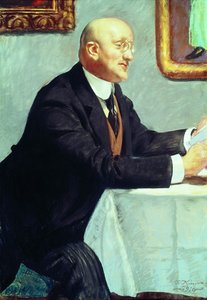
igor emmanuilovich grabar
1871 - 1960 , Węgry
Krótka nota
- Artistic Movement Or Style: Post-Impressionism
- Artists Who Influenced This Artist:
- Ilya Repin
- Anton Àžbe
- Date Of Birth: March 25, 1871
- Date Of Death: May 16, 1960
- Full Name: Igor Emmanuilovich Grabar
- Nationality: Russian
- Notable Artworks:
- Landscape with a haystack
- The Embroideress
- Going to work
- Place Of Birth: Budapest, Hungary
Powiązane artykuły
10 Arcydzieł w Odcieniach Piasku: Inspiracje dla Wnętrz od OriginalUniqueArt
Odkryj 10 arcydzieł malarstwa w odcieniach piasku! Poznaj historie Van Gogha, Moneta i Rembrandta. Inspiracje do wnętrz z beżowymi pejzażami i portretami. Reprodukcje obrazów najwyższej jakości na OriginalUniqueArt.com
10 Arcydzieł Postimpresjonizmu, Które Zdefiniowały Sztukę. Inspiracje do Dekoracji Domu.
Odkryj 10 arcydzieł postimpresjonizmu Van Gogha, Moneta i Cézanne'a! Poznaj historie artystów, techniki malarskie i inspiracje do dekoracji wnętrz. Reprodukcje obrazów najwyższej jakości na OriginalUniqueArt.com – sztuka dla Twojego domu.
Top 10 Sławnych Obrazów w Odcieniach Grzybów: Sztuka dla Domu i Inspiracja
Odkryj 10 słynnych obrazów w ciepłych, grzybowych odcieniach! Van Gogh, Monet i inni mistrzowie. Inspiracje wnętrzarskie i reprodukcje najwyższej jakości na OriginalUniqueArt.com. Eksploruj kolekcję online!

Poza Światłem i Kolorem: Impresjonizm a Postimpresjonizm dla Wymagającego Kolekcjonera
Poznaj subtelne różnice między impresjonizmem a postimpresjonizmem. Ekspercka analiza dla wymagających kolekcjonerów sztuki. Inwestycje, historia i wartość dzieł.
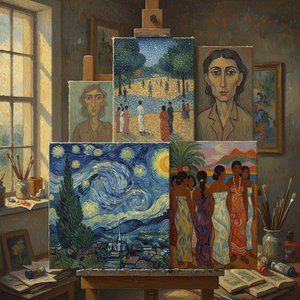
Poza Impresjonizmem: Eksploracja Głębii Emocjonalnej Malarstwa Postimpresjonistycznego
Odkryj fascynujący świat postimpresjonizmu! Analiza dzieł Van Gogha, Cézanne'a i Gauguina. Poznaj techniki malarskie, symbolikę oraz wpływ tego ruchu na sztukę współczesną. Ekspercka wiedza i inspiracje dla miłośników sztuki.

