Menu
Text size

() ·

A painting made for you, by hand

LA PRESENTATION AU TEMPLE

Ręcznie malowana reprodukcja olejowa

Ręcznie malowany obraz olejny na płótnie, wykonany na zamówienie przez naszych artystów w wybranym przez Ciebie wymiarze i oprawie. ( Przełącz na wydania drukowane Przejdź do wersji cyfrowej)

Opis obiektu

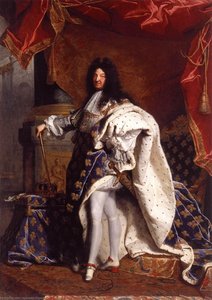
Hyacinthe Rigaud’s ‘LA PRESENTATION AU TEMPLE’ depicts a pivotal biblical scene with meticulous realism. Featuring a pyramidal composition within a grand temple interior, it showcases Rigaud's signature style—characterized by Baroque grandeur and masterful anatomical rendering—a testament to 18th-century artistic excellence.

Biografia artysty

Odkryj zachwycające francuskie portrety barokowe z XVII/XVIII wieku autorstwa Hyacinthe'a Rigauda! Znany z oddawania szlachectwa i mody z niezwykłą precyzją. Poznaj jego dziedzictwo!

from ·

Chapter 1

How large should it be?

Slide to change the size; the picture on the left shows the frame at its real width. The proportions of the original are kept.

Standardowy format
personalizowane
CM
INCH

Wybierz spośród naszych standardowych rozmiarów, które zachowują oryginalne proporcje dzieła sztuki.

szerokość
wysokość

Wpisz wymaganą szerokość i wysokość, aby obraz pasował do Twojej ramy lub ściany. Ponieważ jest to dzieło malowane ręcznie, w przypadku rozmiaru o innych proporcjach artysta może domalować nieco więcej wokół obrazu lub przyciąć jego fragmenty — wybór należy do Ciebie. Przed rozpoczęciem pracy prześlemy Ci cyfrową wizualizację do zatwierdzenia. Obraz widoczny na tej stronie nie przedstawia rzeczywistego efektu — jedynie wizualizacja oddaje realny rezultat.

Chapter 2

How should it arrive?

Choose the edges of the stretched canvas

Choose your frame

Corner sample of the WhiteWrap canvas edge finish, stretched on lite drewno bars
White zł1
Corner sample of the BlurSideWrap canvas edge finish, stretched on lite drewno bars
Blurside zł1
Corner sample of the ExtendedWrap canvas edge finish, stretched on lite drewno bars
Extended zł1
Corner sample of the P118B picture frame: polistyren formowany, 5 cm wide and 3 cm thick
P118B zł10
Corner sample of the P118H picture frame: polistyren formowany, 5 cm wide and 3 cm thick
P118H zł10
Corner sample of the P118W picture frame: polistyren formowany, 5 cm wide and 3 cm thick
P118W zł10
Corner sample of the P438Z picture frame: polistyren formowany, 5.5 cm wide and 3.5 cm thick
P438Z zł10
Corner sample of the P508JH picture frame: polistyren formowany, 7 cm wide and 3.5 cm thick
P508JH zł12
Corner sample of the P508YH picture frame: polistyren formowany, 7 cm wide and 3.5 cm thick
P508YH zł12
Corner sample of the P805H picture frame: polistyren formowany, 5 cm wide and 3.5 cm thick
P805H zł10
Corner sample of the P805Z picture frame: polistyren formowany, 5 cm wide and 3.5 cm thick
P805Z zł10
Corner sample of the P919BZ picture frame: polistyren formowany, 7 cm wide and 3.5 cm thick
P919BZ zł10
Corner sample of the P919G picture frame: polistyren formowany, 7 cm wide and 3.5 cm thick
P919G zł10
Corner sample of the P919XJ picture frame: polistyren formowany, 7 cm wide and 3.5 cm thick
P919XJ zł10
Corner sample of the P959ZH picture frame: polistyren formowany, 5 cm wide and 3 cm thick
P959ZH zł10
Corner sample of the P968JZ picture frame: polistyren formowany, 6 cm wide and 4 cm thick
P968JZ zł12
Corner sample of the W106C picture frame: lite drewno, 5 cm wide and 3 cm thick
W106C zł8
Corner sample of the W218G picture frame: lite drewno, 5 cm wide and 3 cm thick
W218G zł10
Corner sample of the W218JH picture frame: lite drewno, 5 cm wide and 3 cm thick
W218JH zł8
Corner sample of the W218Y picture frame: lite drewno, 5 cm wide and 3 cm thick
W218Y zł10
Corner sample of the W307PJ picture frame: lite drewno, 6 cm wide and 3 cm thick
W307PJ zł10
Corner sample of the W316G picture frame: lite drewno, 6 cm wide and 3 cm thick
W316G zł10
Corner sample of the W316PJ picture frame: lite drewno, 6 cm wide and 3 cm thick
W316PJ zł8
Corner sample of the W316Y picture frame: lite drewno, 6 cm wide and 3 cm thick
W316Y zł10
Corner sample of the W398PJ picture frame: lite drewno, 5 cm wide and 3 cm thick
W398PJ zł8
Corner sample of the W4111J picture frame: lite drewno, 6.5 cm wide and 3.5 cm thick
W4111J zł10
Corner sample of the W500HY picture frame: lite drewno, 7 cm wide and 5 cm thick
W500HY zł15
Corner sample of the W500JH picture frame: lite drewno, 7 cm wide and 5 cm thick
W500JH zł15
Corner sample of the W692G picture frame: lite drewno, 8 cm wide and 4 cm thick
W692G zł12
Corner sample of the W849H picture frame: lite drewno, 5 cm wide and 3 cm thick
W849H zł8
Corner sample of the W940BG picture frame: lite drewno, 7.5 cm wide and 4.5 cm thick
W940BG zł15
Corner sample of the W953PJ picture frame: lite drewno, 6 cm wide and 3.5 cm thick
W953PJ zł8
Corner sample of the H24-GOLD picture frame: rzeźbione drewno pokryte gipsem, 10 cm wide and 6 cm thick
H24-GOLD zł30
Corner sample of the H24-SILVER picture frame: rzeźbione drewno pokryte gipsem, 10 cm wide and 6 cm thick
H24-SILVER zł30
Corner sample of the H36-GOLD picture frame: rzeźbione drewno pokryte gipsem, 15 cm wide and 6.5 cm thick
H36-GOLD zł45
Corner sample of the H36-SILVER picture frame: rzeźbione drewno pokryte gipsem, 15 cm wide and 6.5 cm thick
H36-SILVER zł45

Moulding: . Overall size with the frame: .

Chapter 3

Who paints it, and should anything change?

Examples of what can be changed: Replace face with customer photo; Add pet (e.g., replace cat with dog); Include hidden message in background; Change background landscape or elements.
After order, OriginalUniqueArt.com team will email client for instructions and provide a mockup preview

Dostawa na całym świecie () w ciągu 3–4 tygodni zamiast standardowych 5 tygodni. (29 Październik). Bez kompromisów w kwestii jakości.

Chapter 4

The finishing touches

A nameplate, as in a museum?

Szczegóły grawerowanej brązowej tabliczki

This elegant plaque features the artist's name and the title of the artwork, finely engraved for a timeless presentation.

It is made from bronze with a refined, elegant finish. The text is precisely laser-engraved for a sharp and permanent result. Measuring 9x2 cm, the plaque is compact yet easy to read. It's built to be durable and scratch-resistant, offering a professional, museum-quality look. Mounting is simple thanks to the included adhesive backing.

Szczegóły przezroczystej tabliczki akrylowej

The plaque includes essential engraved details such as the artist's name, the title of the artwork, the date it was created, the type of media used-like oil on canvas or watercolor-a brief description of the piece, and a QR code that links to the complete artwork information.

It is crafted from clear acrylic, offering a sleek, modern appearance. The text is UV-engraved in black to ensure strong visual contrast. With a size of 10x15 cm, it ensures optimal readability. It comes equipped with two metal hooks for secure wall mounting. The plaque is designed to be weather-resistant, making it suitable for various environments, and it includes interactive features that work seamlessly with smartphone scanning.

Szczegóły czarnej tabliczki akrylowej

This elegant plaque includes engraved information such as the artist's name, the title of the artwork, the date it was created, the type of media used (like oil on canvas or watercolor), a short description of the artwork, and a QR code for quick access to more information.

The plaque itself is made from refined black acrylic with a premium finish. The text is laser-engraved in white for high contrast and readability. Its size is 10x15 cm, designed to be easy to read. It comes with two metal hooks for professional mounting. The design is sleek and fits any interior style. It is also weather-resistant and durable, with built-in digital integration for mobile compatibility.

A protective varnish?

When do you need it?

Chapter 5

Your painting, as you ordered it

LA PRESENTATION AU TEMPLE

Technika reprodukcji

Wymiary reprodukcji

-

Wybitny mistrz artystyczny

Większa szczegółowość, finezja i dodatkowy czas na realizację

-

Opcje oprawy reprodukcji

-

-

W przypadku dzieł sztuki lub reprodukcji, których którykolwiek z boków przekracza 105 cm (około 41 cali), rama zostanie wysłana w formie zestawu do samodzielnego montażu. Metoda ta zapewnia bezpieczną dostawę i zapobiega uszkodzeniom podczas transportu.

Wymagany profesjonalny montaż – nie jest to produkt typu DIY.
Zestaw musi zostać złożony, a płótno naciągnięte przez doświadczonego profesjonalnego ramiarza, przy użyciu kleju do drewna (brak w zestawie), kleszczy do naciągania płótna oraz ścisków, które utrzymają krosna w równej pozycji podczas schnięcia kleju. Nieprawidłowy montaż lub nierównomierne napięcie płótna może trwale uszkodzić dzieło sztuki i nie podlega naszej gwarancji.

  • W zestawie znajdują się wszystkie listwy z litego drewna, precyzyjnie docięte do wymiarów.

  • Montaż odbywa się przy użyciu dołączonych wkrętów oraz kleju do drewna do łączenia narożników, którego zestaw nie zawiera i który musi zostać dostarczony przez ramiarza.

  • Wymagane są profesjonalne narzędzia, których nie ma w zestawie: kleszcze do naciągania płótna (napinacz) oraz zaciski, które pozwolą utrzymać listwy w równej pozycji podczas schnięcia kleju.

Ważne:
Do połączenia narożników niezbędny jest klej do drewna, listwy należy unieruchomić za pomocą ścisków do momentu całkowitego wyschnięcia kleju, a naciągnięcie płótna na złożoną ramę wymaga użycia kleszczy do naciągania płótna. Żaden z tych elementów nie jest dołączony do zestawu. Przed zamówieniem tego rozmiaru zalecamy konsultację z doświadczonym ramiarzem.

Etykieta obiektu

-

-

Lakier ochronny

Lakier z połyskiem (pogłębia kolory, chroni przed światłem i wilgocią)

-

Personalizacja dzieła

Przykłady możliwości personalizacji: zastąp twarz zdjęciem klienta; dodaj zwierzę domowe (np. zamień kota na psa); umieść ukrytą wiadomość w tle; zmień krajobraz lub elementy tła.

-

Ekspresowa

Dostawa na cały świat () w ciągu 3–4 tygodni zamiast standardowych 5 tygodni. (29 Październik). Bez kompromisów w kwestii jakości.

-

Przesyłka ekspresowa

Dostawa na cały świat () w ciągu 5 tygodni. (5 Listopad).

W cenie

Cena całkowita

zł 2214

Suma całkowita zł 2214

Opcja ze szkłem jest dostępna wyłącznie w rozmiarach poniżej 110 cm

Included with every order

  • Bezpłatna ekspresowa wysyłka na cały świat
  • Wysokiej jakości płótno lniane
  • Pełne ubezpieczenie przesyłki
  • Gwarancja zwrotu należności celnych i podatków importowych
  • Gwarancja wiernego odwzorowania kolorów
  • 100-dniowa polityka zwrotów (tylko w przypadku wad)
  • Gwarancja 100% zwrotu pieniędzy
  • Zniżka przy zakupie wielu sztuk

A Divine Encounter in Baroque Grandeur

In the heart of the High Baroque era, few works capture the intersection of celestial grace and earthly majesty as profoundly as Hyacinthe Rigaud’s La Présentation au Temple. Painted between 1724 and 1743, this monumental masterpiece serves as a breathtaking window into a moment of sacred significance: the presentation of the infant Jesus at the Temple. Rigaud, a master renowned for his ability to immortalize the dignity of the French nobility, pivots here from the halls of Versailles to the hallowed architecture of the divine. The scene is not merely a depiction of a biblical event but an immersive experience of spiritual awe, where every brushstroke conspires to elevate the viewer into a state of reverence.

The composition is anchored by a masterful pyramidal structure, a hallmark of Baroque brilliance that guides the eye upward toward the heavens. At the apex of this sacred geometry sits the Virgin Mary, radiating a serene and untouchable dignity. Flanked by the infant Christ, she becomes the focal point of a complex, bustling tableau of priests, elders, and onlookers. This arrangement is deeply symbolic; the central positioning of Mary signifies her holiness, while the surrounding crowd represents the collective witness of the Church to the incarnation. The temple itself, with its imposing pillars and grand arches, acts as a visual anchor, grounding the ethereal subject matter within a tangible, architectural reality.

A Symphony of Light, Texture, and Emotion

To behold this work is to witness a symphony of chiaroscuro. Rigaud employs a dramatic interplay between light and shadow to sculpt his figures, pulling them from the deep, velvety darkness of the temple interior into a brilliant, celestial glow. This lighting does more than create depth; it directs the emotional narrative, illuminating the innocence of the Christ child and the luminous skin tones of the holy figures while allowing the peripheral onlookers to recede into a mysterious, atmospheric shadow. The result is a sense of controlled chaos—a crowded, energetic scene that nonetheless feels profoundly ordered and peaceful.

The technical virtuosity on display in this oil on canvas is nothing short of extraordinary. For the discerning collector or interior designer, the painting offers an unparalleled richness of texture. Rigaud’s meticulous brushwork captures the heavy weight of liturgical vestments, the shimmering luster of silk, and the soft, delicate folds of Mary’s blue robe—a color traditionally symbolizing purity and divine status. The warm palette of golds, deep reds, and ochres creates a sense of warmth and opulence, making the piece an ideal centerpiece for spaces that demand a sense of history, luxury, and intellectual depth.

Beyond its technical mastery, La Présentation au Temple resonates with a timeless emotional impact. It is a painting that speaks of legacy, faith, and the enduring power of tradition. Whether gracing a private gallery or serving as a sophisticated focal point in a grand salon, this reproduction invites a contemplative dialogue between the past and the present. It is an invitation to surround oneself with the splendor of the French Baroque, offering not just decoration, but a profound connection to one of the most celebrated eras of art history.

Pytania i odpowiedzi

Jakie emocje wywołują kolory w „LA PRESENTATION AU TEMPLE” – Hyacinthe Rigaud?

Paleta Earthy dzieła „LA PRESENTATION AU TEMPLE” – Hyacinthe Rigaud współgra z jego Mysterious wydźwiękiem emocjonalnym. Kolor jest jednym ze sposobów, w jakie praca przekazuje emocje.

Gdzie mogę zobaczyć podgląd dzieła "LA PRESENTATION AU TEMPLE"?

Strona Podgląd w pomieszczeniu dzieła „LA PRESENTATION AU TEMPLE” pozwala na podgląd obrazu przed złożeniem zamówienia.

Czy kolory w "LA PRESENTATION AU TEMPLE" są intensywne czy stonowane?

Intensywność barw w dziele „LA PRESENTATION AU TEMPLE” wynosi Monochromatic. Intensywność określa, jak nasycone wydają się kolory.

More about this painting

Podgląd w skali 1:1 Podgląd AR Przełącz na wydania drukowane Przejdź do wersji cyfrowej Wyślij jako kartkę
Szczegóły dzieła Przewodnik Dodaj do ulubionych Pobierz obraz Podobne obiekty RTG Pokaz slajdów Q&A Statystyki

In numbers

  • 29frames to choose from
  • standard sizes, in its own proportions
  • 5weeks to paint and deliver it
Hyacinthe Rigaud

Hyacinthe Rigaud

1659 - 1743, Francja

Quick facts about Hyacinthe Rigaud

  • Data Urodzenia: 18 lipca 1659
  • Data Śmierci: 29 grudnia 1743
  • Imię I Nazwisko: Hyacinthe Rigaud
  • Kierunek: Barok
  • Miejsce Urodzenia: Perpignan, Francja
  • Narodowość: Francuska
  • Pod Wpływem:
    • Rubens
    • Van Dyck
    • Rembrandt
    • Tycjan
  • Ważne Dzieła: ['Portret Ludwika XIV']

Biografia artysty

Hyacinthe Rigaud: Życie i dziedzictwo

Hyacinthe Rigaud (1659-1743) był wybitnym francuskim malarzem epoki baroku o katalońskich korzeniach, którego sława opierała się na mistrzowskich portretach oddających istotę francuskiej szlachty oraz mody XVIII wieku. Jego twórczość pozostaje niezwykle istotnym wkładem w historię portretu.

Wczesne lata i kształcenie

Urodzony 18 lipca 1659 roku w Perpignan, w departamencie Pireneów Wschodnich, Rigaud wywodził się z rodziny o artystycznych korzeniach – jego dziadek był malarzem-pozłotnikiem. Choć początkowo kształcił się jako krawiec w warsztacie swojego ojca, wkrótce odkrył w sobie pasję do malarstwa. Od 1671 roku doskonalił swoje umiejętności pod okiem Antoine'a Ranc w Montpellier, a w 1675 roku przeniósł się do Lyonu, gdzie miał okazję obcować z dziełami mistrzów flamandzkich, niderlandzkich i włoskich.

Rozwój artystyczny i inspiracje

Artystyczna droga Rigarda została głęboko ukształtowana przez kontakt ze starymi mistrzami. Z wielkim podziwem czerpał inspirację z dzieł takich twórców jak:

  • Peter Paul Rubens: za jego dynamiczne kompozycłym i bogatą paletę barw.
  • Anthony van Dyck: za eleganckie portrety i wyrafinowaną technikę.
  • Rembrandt: za mistrzowskie operowanie światłocieniem oraz psychologiczną głębię.
  • Tycjan: za żywe kolory i ekspresyjne pociągnięcia pędzla.

Przybywszy do Paryża w 1681 roku, w 1682 roku zdobył prestiżowy stypendium *prix de Rome*, jednak zdecydował się nie podróżować do Włoch, wybierając dalszy rozwój swoich umiejętności na terenie Francji.

Kariera i najważniejsze osiągnięcia

Rigaud szybko ugruntował swoją pozycję jako czołowy portrecista w Paryżu. Jego obrazy słynęły z niezwykłej dbałości o szczegół, nie tylko oddając podobieństwo modeli, ale także teksturę ich strojów i przepych otoczenia. W 1700 roku został przyjęty do Académie royale de peinture et de sculptre, gdzie ostatecznie piastował wysokie stanowisko, zanim przeszedł na emeryturę w 1735 roku.

Do jego najważniejszych dzieł należą:

  • Portret Ludwika XIV (1701): być może jego najsłynniejsze dzieło, ukazujące Króla Słońce w całym jego królewskim splendorze.
  • Madame Rigaud w dwóch różnych pozach: podwójny portret demonstrujący jego umiejętność uchwycenia osobowości i wdzięku.
  • Liczne portrety francuskiej szlachty, stanowiące bezcenne świadectwo ówczesnej mody i statusu społecznego.

Styl i technika

Styl Rigarda charakteryzuje się:

  • Realizmem: oddaniem pełnego zaangażowania w wierne przedstawianie swoich modeli.
  • Detalem: skrupulatną uwagą poświęconą tkaninom, biżuterii i innym dodatkom.
  • Idealizacją: często przedstawiał swoich portretowanych w sposób upiększony, podkreślając ich status i wygląd.
  • Barokowym przepychem: stosowaniem bogatych kolorów, dramatycznego oświetlenia i wystawnych scenerii.

Znaczenie historyczne

Portrety Hyacinthe'a Rigarda stanowią unikalne okno na świat XVIII-wiecznej Francji. Jego dzieła to nie tylko wizerunki; to dokumenty historyczne, które ujawniają wiele na temat obyczajów społecznych, władzy politycznej i gustów artystycznych epoki. Stał się on portrecistą francuskiej elity, utrwalając swoje miejsce jako kluczowa postać w historii sztuki.

Muzeum Musée Hyacinthe Rigaud w Perpignan pielęgnuje i celebruje jego dziedzictwo, oferując odwiedzającym szansę na głębsze poznanie jego życia i twórczości. Jego obrazy nieustannie budzą podziw dzięki swojej technicznej doskonałości, znaczeniu historycznemu i trwałemu pięknu.

Najważniejsze informacje

  • Notable elements or techniques: Chiaroscuro lighting; Detailed drapery rendering.
  • Dimensions: 68 cm (26.7 in)
  • Medium: huile sur toile
  • Year: 1724/1743
  • Influences:
    • Peter Paul Rubens
    • Anthony van Dyck
  • Movement: Baroque

Quiz o sztuce

Do każdego pytania dotyczy tylko jedna poprawna odpowiedź.

Pytanie 1:
What is the title of this artwork?
Pytanie 2:
Who painted La Présentation au Temple?
Pytanie 3:
What artistic period is La Présentation au Temple associated with?
Pytanie 4:
The painting utilizes what compositional technique?
Pytanie 5:
What is the dominant color palette of La Présentation au Temple?
Odkryj dzieła sztuki uporządkowane według tematów, stylów i cech charakterystycznych.