
 Podgląd w skali 1:1
 Wyślij jako kartkę
 Udostępnij
 Szczegóły dzieła
 Przewodnik

 Pobierz obraz
 Podobne obiekty
 RTG
RTG Pokaz slajdów
 Q&A
Q&A Statystyki
Haymaking

- 18.0 x 35.0 cm


 Rozwiń treść
Giclée / Wydruk artystyczny
Wydruki giclée lub płótna o jakości muzealnej, szybka realizacja i szeroki wybór opcji wykończenia. ( Zamów ręcznie malowaną reprodukcję Przejdź do wersji cyfrowej)




P118B zł10

P118H zł10

P118W zł10

P438Z zł10

P508JH zł12

P508YH zł12

P805H zł10

P805Z zł10

P919BZ zł10

P919G zł10

P919XJ zł10

P959ZH zł10

P968JZ zł12

W106C zł8

W218G zł10

W218JH zł8

W218Y zł10

W307PJ zł10

W316G zł10

W316PJ zł8

W316Y zł10

W398PJ zł8

W4111J zł10

W500HY zł15

W500JH zł15

W692G zł12

W849H zł8

W940BG zł15

W953PJ zł8




Wybierz spośród naszych standardowych rozmiarów, które zachowują oryginalne proporcje dzieła sztuki.

Wpisz wymaganą szerokość i wysokość, aby dopasować grafikę do ramy lub ściany. Wydruk można jedynie przyciąć, nigdy nie powiększając go poza oryginalny obraz, dlatego format o innych proporcjach spowoduje utratę części kompozycji. Przed rozpoczęciem druku prześlemy Ci cyfrowy podgląd do zatwierdzenia. Obraz wyświetlany na tej stronie nie pokazuje rzeczywistego przycięcia — jedynie podgląd oddaje ten efekt.
Dostawa na cały świat () w ciągu 2 tygodni zamiast standardowych 4/5 tygodni. (1 Listopad)

Bezpłatna ekspresowa wysyłka na cały świat

Wysokiej jakości płótno lniane

Pełne ubezpieczenie przesyłki

Gwarancja zwrotu należności celnych i podatków importowych

Gwarancja wiernego odwzorowania kolorów

100-dniowa polityka zwrotów (tylko w przypadku wad)

Gwarancja 100% zwrotu pieniędzy

Zniżka przy zakupie wielu sztuk
 Opcja ze szkłem jest dostępna wyłącznie w rozmiarach poniżej 110 cm

Haymaking
Giclée / Wydruk artystyczny
Wymiary reprodukcji
-


Cena całkowita
zł 311
Biografia artysty
A Life Painted in Light and Shadow
Hugh Cameron Wilson (1885-1952) wasn’t merely a painter; he was a meticulous recorder of the British landscape and its people during a pivotal era. Born into a family steeped in artistic tradition – his father, a prominent watercolorist – Wilson inherited not just talent but also a deep appreciation for observation and detail. His early life, spent amidst the rolling hills of Yorkshire and later in London’s vibrant art scene, provided fertile ground for his distinctive style: a blend of realism tempered by an almost melancholic sensitivity. Unlike many artists of his time who embraced grand romanticism, Wilson focused on capturing the quiet dignity of everyday life – farmers tending their fields, fishermen returning with their catch, children playing in sun-drenched lanes. This commitment to portraying the ordinary, coupled with his masterful use of light and shadow, cemented his place as a significant figure in early 20th-century British art.
Early Influences and Artistic Development
Wilson’s artistic journey began under the watchful eye of his father, who instilled in him a rigorous approach to watercolor painting. This foundation emphasized meticulous technique – layering washes, controlling pigment saturation, and achieving subtle gradations of tone. However, Wilson quickly developed his own voice, influenced by the Impressionists and particularly by artists like John Constable, whose atmospheric landscapes resonated with Wilson’s own fascination with light and color. His early works often depicted scenes from Yorkshire, capturing the rugged beauty of the moors and the starkness of the agricultural landscape. These paintings weren't simply representations; they were imbued with a sense of place – a feeling for the wind, the rain, and the enduring spirit of the region.
A crucial turning point in Wilson’s career came during his time in London. He immersed himself in the city’s art world, studying at the Slade School of Fine Art and absorbing the influences of contemporary artists. This exposure broadened his subject matter, leading him to paint portraits of prominent figures – politicians, writers, and members of the aristocracy – alongside his beloved landscapes. He approached portraiture with a similar level of detail and psychological insight as he did in his landscape paintings, capturing not just physical likeness but also the character and inner life of his subjects.
Technique and Style: Light, Shadow, and Detail
Wilson’s artistic signature lies in his extraordinary command of watercolor. He was a master of layering washes to create luminous effects, building up color gradually to achieve subtle variations in tone. His use of light is particularly noteworthy – he rarely employed harsh contrasts, preferring instead to capture the diffused glow of sunlight filtering through clouds or the soft shadows cast by trees and buildings. This delicate approach lends his paintings an ethereal quality, evoking a sense of nostalgia and quiet contemplation. Furthermore, Wilson’s meticulous attention to detail—the texture of wool clothing, the ripples in water, the weathered faces of his subjects—adds depth and realism to his work.
He frequently employed a limited palette, primarily utilizing blues, greens, browns, and grays. This restrained color scheme allowed him to focus on capturing the nuances of light and shadow, creating paintings that are both visually striking and emotionally resonant. His compositions were often carefully constructed, with elements arranged in a balanced and harmonious manner. He was known for his patience and dedication, spending countless hours observing his subjects and perfecting his technique.
Major Works and Historical Significance
Among Wilson’s most celebrated works are “The Pet Lamb,” a tender depiction of a young boy cradling a lamb, and “The Flight of the Seagulls,” a dramatic seascape capturing the raw power of the North Sea. These paintings exemplify his ability to convey both beauty and emotion through his masterful use of watercolor. His portraits, such as "The Flight of the Seagulls," offer valuable insights into the social and cultural landscape of Britain during the early 20th century. His work reflects a deep appreciation for British history and culture, capturing the spirit of a nation undergoing significant transformation.
Wilson’s legacy extends beyond his individual paintings. He played a crucial role in shaping the development of watercolor painting in Britain, demonstrating its versatility as a medium for both landscape and portraiture. His meticulous technique and sensitive approach to subject matter continue to inspire artists today. His work serves as a poignant reminder of the beauty and dignity that can be found in the everyday moments of life.

Hugh Cameron Wilson
1885 - 1952
Krótka nota
- Full Name: Hugh Cameron Wilson
- Nationality: British
- Date Of Birth: 1885
- Date Of Death: 1952
- Place Of Birth: London, England
- Notable Artworks:
- The Pet Lamb
- The Flight of the Seagulls
- Artistic Movement Or Style: Portrait painting
- Artists Or Movements Influenced By This Artist: ['British art']
Powiązane artykuły
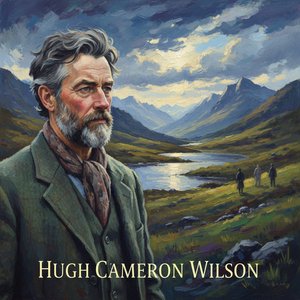
Hugh Cameron Wilson: Capturing the Soul of Scotland Through Colour & Atmosphere
Explore the evocative landscapes of Hugh Cameron Wilson, a key figure within the Scottish Colourist movement. Discover his mastery of light, atmosphere & rural scenes – and find high-quality reproductions at OriginalUniqueArt.
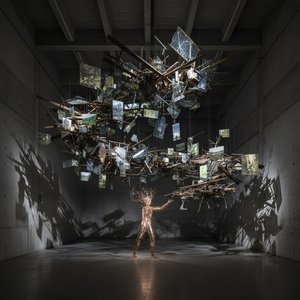
Richard Wilson: Deconstructing Landscape & Memory in Contemporary Installation Art
Explore Richard Wilson's groundbreaking landscape paintings & his enduring influence on contemporary installation art. Discover investment opportunities, provenance insights & the materiality of memory in this expert analysis.

Romantyczny Krajobraz w Malarstwie: 10 Arcydzieł, Które Zdefiniowały Epokę | OriginalUniqueArt.com
Odkryj 10 arcydzieł romantyzmu w malarstwie! Poznaj historie Caspara Davida Friedricha, Turnera i innych mistrzów. Inspiracje wnętrzarskie & reprodukcje obrazów najwyższej jakości na OriginalUniqueArt.com. Eksploruj kolekcję online!

Evocations of Place: A Historical Journey Through Landscape Art
Explore the rich history of landscape art with OriginalUniqueArt. Discover renowned artists, movements like Impressionism & Romanticism, and expert guidance for collecting timeless pieces. Find your perfect serene escape today!

John Constable: 25 Najlepszych Obrazów Mistrza Angielskiego Krajobrazu | OriginalUniqueArt
Odkryj 25 arcydzieł Johna Constable'a – mistrza angielskiego krajobrazu! Poznaj romantyczne pejzaże, technikę malarską i inspiracje z Dedham Vale. Reprodukcje obrazów najwyższej jakości na OriginalUniqueArt.com. Eksploruj pełną kolekcję online!