

 Podgląd w skali 1:1
 Wyślij jako kartkę
 Udostępnij
 Szczegóły dzieła
 Przewodnik

 Pobierz obraz
 Podobne obiekty
 RTG
RTG Pokaz slajdów
 Statystyki
UNE GALERIE DE MUSEE


 Rozwiń treść
Kup wysokiej rozdzielczości, ulepszony obraz cyfrowy o jakości znacznie przewyższającej podgląd online.
Każdy plik jest starannie przygotowywany przez naszych specjalistów przy użyciu zaawansowanych narzędzi oraz profesjonalnej, ręcznej retuszy. Dbamy o to, aby każdy obraz cechował się wyjątkową ostrością, precyzyjnym odwzorowaniem kolorów i subtelnymi detalami.
Ostateczny plik dostarczany jest drogą mailową w ciągu 72 godzin, zoptymalizowany do natychmiastowego wykorzystania w profesjonalnych zastosowaniach redakcyjnych i poligraficznych. To ta sama jakość, której ufają czołowe studia projektowe, wydawnictwa oraz galerie sztuki.
Obraz cyfrowy
Pobierz plik o wysokiej rozdzielczości do osobistego użytku, druku oraz projektów kreatywnych. ( Przełącz na wydania drukowane Zamów ręcznie malowaną reprodukcję)
W każdym zamówieniu na obraz cyfrowy znajduje się
Profesjonalna dostawa cyfrowa z gwarancją
Wybierając OriginalUniqueArt.com, nie otrzymujesz jedynie obrazu – otrzymujesz profesjonalnie udoskonalone cyfrowe dzieło sztuki, stworzone z najwyższą precyzją i objęte gwarancją satysfakcji. Oto wszystko, co automatycznie dołączane jest do Twojego zamówienia:

Błyskawiczna wysyłka e-mailowa
Plik z obrazem cyfrowym w wysokiej rozdzielczości zostanie przesłany na Twój adres e-mail w ciągu 72 godzin od złożenia zamówienia – gotowy do natychmiastowego użycia.

Plik cyfrowy wzbogacony przez AI
Twoja grafika została profesjonalnie zoptymalizowana przy użyciu zaawansowanych narzędzi AI oraz ręcznej edycji, co zapewnia maksymalną szczegółowość, klarowność i wierność kolorów.

Darmowe ponowne przesyłki dożywotnio
Przypadkowo usunąłeś lub zgubiłeś swój plik? Bez obaw – prześlemy go Tobie ponownie w dowolnym momencie, bez żadnych opłat.

Bez opłat importowych – zawsze
Ciesz się swoją sztuką natychmiast, bez żadnych opłat celnych, należności ani kosztów dostawy – pliki cyfrowe są zawsze wolne od podatku.

Gwarancja wierności kolorów
Dzięki zastosowaniu profesjonalnych narzędzi i procesów zarządzania barwą zapewniamy, że Twoje cyfrowe zdjęcie odzwierciedla oryginalne kolory tak wiernie, jak to tylko możliwe.

Gwarancja satysfakcji przez 100 dni
Jeśli nie będziesz zadowolony ze swojego cyfrowego obrazu, dokonamy jego poprawki lub zwrócimy 100% kosztów w ciągu 100 dni – bez zbędnych pytań.

100% Gwarancja zwrotu pieniędzy
Nie jesteś zadowolony? Otrzymaj pełny zwrot kosztów w ciągu 100 dni od otrzymania pliku cyfrowego – bez zbędnych pytań.

Rabaty przy zamówieniach hurtowych
Kup 3 obrazy, oszczędź 10% - Kup 5, oszczędź 15% - Kup 10+, oszczędź 20%. Idealne do projektów kreatywnych, galerii i agencji.
A Vision of Artistic Legacy: Stepping into Hubert Robert’s Grandeur
To encounter Hubert Robert’s “Une Galerie de Musée” is to step through a portal into the very soul of late eighteenth-century intellectual life. Painted around 1798, this monumental oil on canvas does far more than merely document an interior; it invites the viewer into a profound dialogue between the past and the present. The scene unfolds within a vast, majestic museum gallery, where the air seems thick with the quiet reverence of history. Bathed in the soft, diffused glow of natural light streaming from above, the space is populated by artists caught in moments of deep contemplation, their brushes and sketches attempting to capture the eternal essence of classical forms. It is an immersive experience that captures the heart of Romantic antiquarianism, where the grandeur of antiquity meets the burgeoning curiosity of a new era.
The composition is a masterclass in architectural illusion and spatial depth. Robert employs a rigorous linear perspective, utilizing tall, commanding columns and sweeping arched windows to guide the eye toward a distant, mysterious vanishing point. This sense of infinite space is further enriched by the rhythmic arrangement of hanging paintings and the sturdy presence of sculptures that anchor the foreground. The interplay of lines—the strong verticals of the architecture contrasted with the dynamic diagonals of tilted easels and framed works—creates a visual energy that prevents the monumental setting from feeling static. For the collector or designer, this piece offers a sense of structural stability and sophisticated complexity, making it an ideal centerpiece for spaces that demand both presence and narrative depth.
The Poetry of Decay and the Mastery of Light
Robert’s technical prowess is most evident in his ability to render texture and atmosphere through a meticulously controlled palette. The color scheme is a sophisticated arrangement of muted, earthy tones—beige, warm browns, slate greys, and ethereal pale blues—which together evoke the melancholic beauty of weathered stone and aged marble. Subtle highlights of ochre and terracotta breathe life into the architectural details, suggesting the warmth of sunlight hitting ancient surfaces. Through the delicate use of glazing techniques, Robert achieves a luminous quality, allowing light to appear as if it is truly vibrating within the room. The juxtaposition of smooth, polished sculptures against the rugged, textured walls creates a tactile realism that draws the viewer closer to the canvas.
< Symbolism and Emotional ResonanceBeyond its technical brilliance, “Une Galerie de Musée” serves as a powerful symbol of the human endeavor to preserve and revive classical ideals. The presence of artists actively sketching within the gallery is not merely decorative; it represents the continuity of culture and the tireless pursuit of knowledge. There is a poignant tension within the work—a celebration of artistic achievement set against a backdrop that hints at the inevitable passage of time and the beauty found in ruin. This duality evokes a sense of contemplative elegance and nostalgic longing, making the artwork deeply moving for those who find inspiration in the layers of history. For an interior setting, such a piece provides more than just decoration; it offers a window into a world of scholarly passion and timeless aesthetic grace.
Pytania i odpowiedzi
W jaki sposób mogę uzyskać plik cyfrowy dzieła „UNE GALERIE DE MUSEE” – Hubert Robert?
Aby otrzymać plik cyfrowy dzieła „UNE GALERIE DE MUSEE” – Hubert Robert, zamów wysokiej rozdzielczości cyfrowe zdjęcie do pobrania na stronie Cyfrowy obraz.
Na jaką okazję „UNE GALERIE DE MUSEE” – Hubert Robert jest polecane jako prezent?
„UNE GALERIE DE MUSEE” – Hubert Robert to doskonały pomysł na prezent dla Corporate Gift. Jako podarunek można wręczyć reprodukcję tego dzieła.
Ilu użytkowników ogląda "UNE GALERIE DE MUSEE"?
Strona Statystyki wyświetleń dzieła „UNE GALERIE DE MUSEE” – Hubert Robert przedstawia statystyki odwiedzin: miesięczną liczbę wyświetleń tego dzieła, porównanie z najczęściej oglądanymi pracami artysty oraz informacje o pochodzeniu odwiedzających.
Biografia artysty
Hubert Robert: A Painter of Ruins and Visions
Hubert Robert, a name inextricably linked to the evocative beauty of decaying grandeur, stands as a pivotal figure in 18th-century French art. Born in Paris in 1733, his life unfolded against a backdrop of profound artistic transformation—a journey from the playful elegance of Rococo to the nascent spirit of Neoclassicism, all while navigating the dramatic upheavals of the French Revolution. Robert’s genius lay not merely in depicting ruins; he possessed an extraordinary ability to conjure visions, seamlessly blending meticulous observation with boundless imagination to create scenes that resonated with a poignant nostalgia for the past and a tantalizing anticipation of the future. His artistic odyssey began within the structured confines of formal training, initially under the tutelage of sculptor Michel-Ange Slodtz, who recognized Robert’s innate talent but wisely steered him towards painting, sensing an unparalleled capacity to capture light, atmosphere, and the subtle poetry inherent in form.Roman Reveries: Shaping an Artistic Identity
The defining moment in Robert's artistic development arrived with his extended sojourn to Rome between 1754 and 1765. Accompanying Étienne-François de Choiseul, a key figure in the French diplomatic service, he immersed himself completely within the ancient city’s captivating world—a realm steeped in history, architectural magnificence, and the palpable weight of centuries past. This wasn't simply an act of observation; it was a profound transformation. For eleven years, Rome became Robert’s open-air studio, its crumbling temples, majestic arches, and overgrown gardens fueling his artistic imagination with unparalleled intensity. He didn’t merely replicate what he saw; he actively reimagined it, imbuing the ruins with a sense of melancholic beauty—a poignant awareness of time's relentless passage. His early works, often categorized as *capriccio* compositions, exemplify this approach. These fantastical views skillfully juxtaposed classical ruins with contemporary life, creating dreamlike scenarios that blurred the boundaries between past and present. A crucial influence during this period was Giovanni Paolo Panini, a renowned landscape painter known for his meticulous depictions of Roman architecture. Robert absorbed Panini’s techniques—particularly his mastery of atmospheric perspective—and integrated them into his own distinctive style. His sketchbook pages from this era are invaluable records, revealing not just the physical details of Rome but also his artistic process – countless studies of architectural nuances and landscape compositions, demonstrating a keen eye for detail and an understanding of how light interacts with form.Parisian Acclaim and Royal Patronage
Robert’s return to Paris in 1765 marked a significant shift in his career trajectory. He swiftly gained recognition within the artistic establishment, securing admission to the Académie Royale de Peinture et de Sculpture—a prestigious institution that served as the gatekeeper of artistic legitimacy. His debut exhibition at the Salon showcased “The Port of Rome, Ornamented with Different Monuments of Architecture, Ancient and Modern,” a work immediately lauded for its dramatic composition and evocative atmosphere. This success propelled Robert to the forefront of Parisian art circles, attracting the attention of influential critics and collectors alike. Denis Diderot, a leading figure of the Enlightenment and a prominent member of the *Encyclopédie*, famously praised Robert’s paintings, recognizing his ability to transport viewers to another time and place—to evoke a sense of history and mystery through his masterful use of light, color, and composition. This acclaim led to royal patronage, with commissions from King Louis XV for decorative projects within Versailles and other royal residences. He was subsequently appointed “Designer of the King’s Gardens,” a position that allowed him to shape the aesthetic landscape of some of France's most magnificent estates. Robert’s work resonated deeply with the prevailing taste for *capriccio* painting—a genre that captured the imagination of collectors fascinated by history, archaeology, and the romantic allure of the picturesque—but he elevated it beyond mere decorative art, imbuing it with a unique sensibility rooted in his profound understanding of Roman ruins.Revolution, Resilience, and Lasting Legacy
The French Revolution presented an unprecedented challenge to Robert’s artistic career. As the monarchy crumbled and societal norms were overturned, many artists found themselves struggling to navigate the turbulent political climate. Robert, however, demonstrated remarkable resilience, continuing to paint prolifically despite the upheaval. He even endured a brief period of imprisonment during the Reign of Terror—a harrowing experience that undoubtedly informed his later works, which often explored themes of loss and transience. Following the Revolution, Robert was appointed curator of the newly established Muséum Central des Arts—the future Musée du Louvre—a testament to his expertise and dedication to preserving France’s artistic heritage. He played a crucial role in organizing and cataloging the museum's vast collection, ensuring that its treasures were safeguarded for generations to come. Hubert Robert died in Paris in 1808, leaving behind an extraordinary body of work that continues to captivate viewers with its evocative beauty and profound insights into the nature of time and memory. His legacy extends beyond his technical mastery—his ability to seamlessly blend historical accuracy with imaginative vision solidified his place as a pivotal figure bridging the Rococo and Neoclassical periods, anticipating aspects of Romanticism through his fascination for history and the sublime.- Key Influences: Giovanni Paolo Panini, Piranesi, the architectural landscape of Rome.
- Major Themes: Ruins, landscapes, *capriccio* paintings, historical memory, the passage of time.
- Artistic Style: Meticulous detail, atmospheric perspective, evocative lighting, blending observation with imagination.
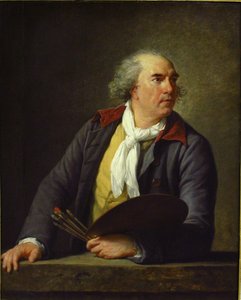
Hubert Robert
1733 - 1808 , Francja
Krótka nota
- Artistic Movement Or Style: Rokokizm, Neoklasycyzm
- Artists Or Movements Influenced By This Artist: ['Rokokizm']
- Artists Who Influenced This Artist:
- Giovanni Panini
- Piranesi
- Date Of Birth: 22 maja 1733
- Date Of Death: 15 kwietnia 1808
- Full Name: Hubert Robert
- Nationality: Francuz
- Notable Artworks:
- Port Rzymu
- Lot Galatei
- Galerie Luwr
- Place Of Birth: Paryż, Francja