

 Zobacz w skali 1:1
 Wyślij
 Udostępnij
 Szczegóły
 Przewodnik

 Pobierz plik obrazu
 Podobne obiekty
 RTG
RTG Pokaz slajdów
 Statystyki
Fontanna pod pergolą


 Czytaj więcej
Giclée / Wydruk artystyczny
Wydruki giclée lub płótna o jakości muzealnej, szybka realizacja i szeroki wybór opcji wykończenia. ( Kup ręcznie malowany obraz Przełącz na wersję cyfrową)




P118B zł10

P118H zł10

P118W zł10

P438Z zł10

P508JH zł12

P508YH zł12

P805H zł10

P805Z zł10

P919BZ zł10

P919G zł10

P919XJ zł10

P959ZH zł10

P968JZ zł12

W106C zł8

W218G zł10

W218JH zł8

W218Y zł10

W307PJ zł10

W316G zł10

W316PJ zł8

W316Y zł10

W398PJ zł8

W4111J zł10

W500HY zł15

W500JH zł15

W692G zł12

W849H zł8

W940BG zł15

W953PJ zł8




Wybierz spośród naszych standardowych rozmiarów, które zachowują oryginalne proporcje dzieła sztuki.

Wpisz wymaganą szerokość i wysokość, aby dopasować grafikę do ramy lub ściany. Wydruk można jedynie przyciąć, nigdy nie powiększając go poza oryginalny obraz, dlatego format o innym proporcji spowoduje utratę części kompozycji. Przed rozpoczęciem druku prześlemy Ci cyfrowy podgląd do zatwierdzenia. Obraz wyświetlany na tej stronie nie pokazuje rzeczywistego przycięcia — jedynie podgląd oddaje ten efekt.
Dostawa na cały świat () w ciągu 2 tygodni zamiast standardowych 4/5 tygodni. (23 Październik)

Bezpłatna ekspresowa wysyłka na cały świat

Wysokiej jakości płótno lniane

Pełne ubezpieczenie transportowe

Gwarancja zwrotu należności celnych i podatków importowych

Gwarancja idealnego odwzorowania barw

100-dniowy okres na zwrot dzieła w przypadku wykrycia wad produkcyjnych

Gwarancja 100% zwrotu pieniędzy

Oferta przy zakupie wielu sztuk
 Opcja ze szkłem jest dostępna wyłącznie w rozmiarach poniżej 110 cm

Fontanna pod pergolą
Giclée / Wydruk artystyczny
Rozmiar reprodukcji
-


Suma do zapłaty
zł 308
FONTAINE SOUS UN PORTIQUE – Une Symphonie Italienne de Détail et Lumière
La peinture intitulée « FONTAINE SOUS UN PORTIQUE » attribuée à Hubert Robert représente une scène intérieure remarquable, capturant l'essence même du paysage baroque français. Bien que les dimensions exactes soient inconnues, cette œuvre fascinante offre un aperçu précieux d’une époque où la beauté classique et le théâtre de la lumière étaient considérés comme des éléments essentiels de l’art raffiné. Robert, véritable maître dans l’art du capriccio – une forme picturale privilégiée pour représenter des paysages imaginaires ou reconstitués à partir de vestiges antiques – nous transporte dans un espace architectural grandiose où les lignes élégantes et les couleurs douces dominent la composition.Un Éloge de la Ruine et de la Légende Italienne
Robert, né à Paris en 1733, était profondément influencé par les idées esthétiques de son temps et notamment par l’intérêt croissant pour les ruines romaines et grecques qui fleurissaient dans les jardins européens. Cette fascination se traduit ici dans une scène où une fontaine majestueuse est encadrée par un portique imposant, évoquant les jardins italiens des XVIIIe siècle et célébrés par les artistes comme Andrea Palladio. La peinture ne se contente pas de reproduire une vue extérieure ; elle crée une atmosphère chargée d’histoire et de mélancolie, faisant appel à la nostalgie pour un passé idéalisé où l'équilibre entre nature et architecture était considéré comme le summum de la beauté artistique.La Technique Baroque au Service du Dramatisme
La maîtrise technique de Robert est remarquable. Utilisant une peinture à huile sur toile avec une précision extrême, il parvient à rendre les textures des pierres sculptées et des feuilles vertes avec une richesse incroyable. Les lignes droites définissent les colonnes et les arches du portique, tandis que les formes géométriques accentuent la profondeur de l’espace intérieur. Une lumière douce et diffuse crée des ombres subtiles qui donnent vie aux objets et aux personnages présents dans la scène. Cette attention particulière aux détails témoigne d'une volonté artistique profonde : celle de capturer non seulement ce qu'il voit, mais aussi ce qu'il imagine, créant ainsi une œuvre véritablement poétique et pleine d’émotion.Symbolisme et Émotion – Une Invitation à la Réflexion
Au-delà de sa beauté esthétique, « FONTAINE SOUS UN PORTIQUE » porte en elle un symbole puissant : celui de la ruine comme témoignage de la grandeur passée et comme invitation à une réflexion sur le temps qui passe. Robert utilise cette image pour exprimer une émotion complexe – celle d’une douce mélancolie teintée d'espoir – faisant appel à notre propre sensibilité esthétique et nous rappelant que même les vestiges du passé peuvent être sublimés par l’art. Cette œuvre demeure un exemple parfait de la capacité de Robert à transformer une simple vue extérieure en une expérience émotionnelle profonde, offrant ainsi au spectateur une fenêtre ouverte sur un monde imaginaire où la beauté classique persiste dans la lumière et le mouvement.- Voir les détails complets : FONTAINE SOUS UN PORTIQUE
- Découvrez Hubert Robert : Hubert Robert
- Explorez les références historiques : Fontaine sous un portique - Louvre site des collections
Pytania i odpowiedzi
Jaki kolor dominuje w kompozycji „Fontanna pod pergolą” autorstwa Hubert Robert?
Dominującym kolorem dzieła „Fontanna pod pergolą” autorstwa Hubert Robert jest Espresso (#462513).
Jak intensywne są kolory w „Fontanna pod pergolą” autorstwa Hubert Robert?
Nasycenie barw w dziele „Fontanna pod pergolą” wynosi Żywy i nasycony. Intensywność określa, jak mocne wydają się kolory.
Jak postrzegana jasność prezentuje „Fontanna pod pergolą” autorstwa Hubert Robert?
Ogólnie rzecz biorąc, "Fontanna pod pergolą" charakteryzuje się poziomem cień. Postrzegana jasność opisuje, jak jasne lub ciemne wydaje się dzieło.
Biografia artysty
Hubert Robert: A Painter of Ruins and Visions
Hubert Robert, a name inextricably linked to the evocative beauty of decaying grandeur, stands as a pivotal figure in 18th-century French art. Born in Paris in 1733, his life unfolded against a backdrop of profound artistic transformation—a journey from the playful elegance of Rococo to the nascent spirit of Neoclassicism, all while navigating the dramatic upheavals of the French Revolution. Robert’s genius lay not merely in depicting ruins; he possessed an extraordinary ability to conjure visions, seamlessly blending meticulous observation with boundless imagination to create scenes that resonated with a poignant nostalgia for the past and a tantalizing anticipation of the future. His artistic odyssey began within the structured confines of formal training, initially under the tutelage of sculptor Michel-Ange Slodtz, who recognized Robert’s innate talent but wisely steered him towards painting, sensing an unparalleled capacity to capture light, atmosphere, and the subtle poetry inherent in form.Roman Reveries: Shaping an Artistic Identity
The defining moment in Robert's artistic development arrived with his extended sojourn to Rome between 1754 and 1765. Accompanying Étienne-François de Choiseul, a key figure in the French diplomatic service, he immersed himself completely within the ancient city’s captivating world—a realm steeped in history, architectural magnificence, and the palpable weight of centuries past. This wasn't simply an act of observation; it was a profound transformation. For eleven years, Rome became Robert’s open-air studio, its crumbling temples, majestic arches, and overgrown gardens fueling his artistic imagination with unparalleled intensity. He didn’t merely replicate what he saw; he actively reimagined it, imbuing the ruins with a sense of melancholic beauty—a poignant awareness of time's relentless passage. His early works, often categorized as *capriccio* compositions, exemplify this approach. These fantastical views skillfully juxtaposed classical ruins with contemporary life, creating dreamlike scenarios that blurred the boundaries between past and present. A crucial influence during this period was Giovanni Paolo Panini, a renowned landscape painter known for his meticulous depictions of Roman architecture. Robert absorbed Panini’s techniques—particularly his mastery of atmospheric perspective—and integrated them into his own distinctive style. His sketchbook pages from this era are invaluable records, revealing not just the physical details of Rome but also his artistic process – countless studies of architectural nuances and landscape compositions, demonstrating a keen eye for detail and an understanding of how light interacts with form.Parisian Acclaim and Royal Patronage
Robert’s return to Paris in 1765 marked a significant shift in his career trajectory. He swiftly gained recognition within the artistic establishment, securing admission to the Académie Royale de Peinture et de Sculpture—a prestigious institution that served as the gatekeeper of artistic legitimacy. His debut exhibition at the Salon showcased “The Port of Rome, Ornamented with Different Monuments of Architecture, Ancient and Modern,” a work immediately lauded for its dramatic composition and evocative atmosphere. This success propelled Robert to the forefront of Parisian art circles, attracting the attention of influential critics and collectors alike. Denis Diderot, a leading figure of the Enlightenment and a prominent member of the *Encyclopédie*, famously praised Robert’s paintings, recognizing his ability to transport viewers to another time and place—to evoke a sense of history and mystery through his masterful use of light, color, and composition. This acclaim led to royal patronage, with commissions from King Louis XV for decorative projects within Versailles and other royal residences. He was subsequently appointed “Designer of the King’s Gardens,” a position that allowed him to shape the aesthetic landscape of some of France's most magnificent estates. Robert’s work resonated deeply with the prevailing taste for *capriccio* painting—a genre that captured the imagination of collectors fascinated by history, archaeology, and the romantic allure of the picturesque—but he elevated it beyond mere decorative art, imbuing it with a unique sensibility rooted in his profound understanding of Roman ruins.Revolution, Resilience, and Lasting Legacy
The French Revolution presented an unprecedented challenge to Robert’s artistic career. As the monarchy crumbled and societal norms were overturned, many artists found themselves struggling to navigate the turbulent political climate. Robert, however, demonstrated remarkable resilience, continuing to paint prolifically despite the upheaval. He even endured a brief period of imprisonment during the Reign of Terror—a harrowing experience that undoubtedly informed his later works, which often explored themes of loss and transience. Following the Revolution, Robert was appointed curator of the newly established Muséum Central des Arts—the future Musée du Louvre—a testament to his expertise and dedication to preserving France’s artistic heritage. He played a crucial role in organizing and cataloging the museum's vast collection, ensuring that its treasures were safeguarded for generations to come. Hubert Robert died in Paris in 1808, leaving behind an extraordinary body of work that continues to captivate viewers with its evocative beauty and profound insights into the nature of time and memory. His legacy extends beyond his technical mastery—his ability to seamlessly blend historical accuracy with imaginative vision solidified his place as a pivotal figure bridging the Rococo and Neoclassical periods, anticipating aspects of Romanticism through his fascination for history and the sublime.- Key Influences: Giovanni Paolo Panini, Piranesi, the architectural landscape of Rome.
- Major Themes: Ruins, landscapes, *capriccio* paintings, historical memory, the passage of time.
- Artistic Style: Meticulous detail, atmospheric perspective, evocative lighting, blending observation with imagination.
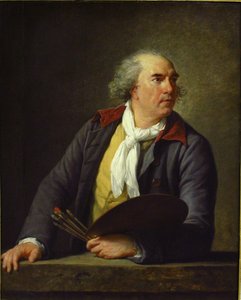
Hubert Robert
1733 - 1808 , Francja
Najważniejsze informacje
- Artistic Movement Or Style: Rokokizm, Neoklasycyzm
- Artists Or Movements Influenced By This Artist: ['Rokokizm']
- Artists Who Influenced This Artist:
- Giovanni Panini
- Piranesi
- Date Of Birth: 22 maja 1733
- Date Of Death: 15 kwietnia 1808
- Full Name: Hubert Robert
- Nationality: Francuz
- Notable Artworks:
- Port Rzymu
- Lot Galatei
- Galerie Luwr
- Place Of Birth: Paryż, Francja
Zobacz także powiązane artykuły

Hubert Robert: Picturing Ruins, Preserving Memory – A Study of Romantic Antiquarianism & Artistic Innovation
Explore the captivating world of Hubert Robert, master of Romantic landscape painting & 'capriccio' ruins. Discover his historical context, artistic innovations, and collecting insights with OriginalUniqueArt.

Romantyczny Krajobraz w Malarstwie: 10 Arcydzieł, Które Zdefiniowały Epokę | OriginalUniqueArt.com
Odkryj 10 arcydzieł romantyzmu w malarstwie! Poznaj historie Caspara Davida Friedricha, Turnera i innych mistrzów. Inspiracje wnętrzarskie & reprodukcje obrazów najwyższej jakości na OriginalUniqueArt.com. Eksploruj kolekcję online!

Epic Drama & Dark Vibes: The Ultimate Collector's Guide to Baroque Landscapes
Master the art of drama with our ultimate guide to Baroque landscapes. Discover the power of chiaroscuro, explore legendary masters, and learn how to curate epic, dark-vibe masterpieces for your collection with expert insights from OriginalUniqueArt.

Drama in Nature: The Captivating Grandeur of Baroque Landscapes and the Art of Emotional Spectacle
Explore the breathtaking drama of Baroque landscapes. From Rubens's grand vistas to the mastery of chiaroscuro, discover how 17th-century artists transformed nature into a theatrical stage of emotion and light. A deep dive for true art enthusiasts.

Evocations of Place: A Historical Journey Through Landscape Art
Explore the rich history of landscape art with OriginalUniqueArt. Discover renowned artists, movements like Impressionism & Romanticism, and expert guidance for collecting timeless pieces. Find your perfect serene escape today!


