

 Zobacz w skali 1:1
 Wyślij
 Udostępnij
 Szczegóły
 Przewodnik

 Pobierz plik obrazu
 Podobne obiekty
 RTG
RTG Pokaz slajdów
 Statystyki
Architectural Landscape with a Canal
 Oil On Canvas
- WallArt
- Baroque Landscape Painting
 1783
1783 129.0 x 183.0 cm
 Muzeum Ermitażu
 Czytaj więcej
Giclée / Wydruk artystyczny
Wydruki giclée lub płótna o jakości muzealnej, szybka realizacja i szeroki wybór opcji wykończenia. ( Kup ręcznie malowany obraz Przełącz na wersję cyfrową)




P118B zł10

P118H zł10

P118W zł10

P438Z zł10

P508JH zł12

P508YH zł12

P805H zł10

P805Z zł10

P919BZ zł10

P919G zł10

P919XJ zł10

P959ZH zł10

P968JZ zł12

W106C zł8

W218G zł10

W218JH zł8

W218Y zł10

W307PJ zł10

W316G zł10

W316PJ zł8

W316Y zł10

W398PJ zł8

W4111J zł10

W500HY zł15

W500JH zł15

W692G zł12

W849H zł8

W940BG zł15

W953PJ zł8




Wybierz spośród naszych standardowych rozmiarów, które zachowują oryginalne proporcje dzieła sztuki.

Wpisz wymaganą szerokość i wysokość, aby dopasować grafikę do ramy lub ściany. Wydruk można jedynie przyciąć, nigdy nie powiększając go poza oryginalny obraz, dlatego format o innym proporcji spowoduje utratę części kompozycji. Przed rozpoczęciem druku prześlemy Ci cyfrowy podgląd do zatwierdzenia. Obraz wyświetlany na tej stronie nie pokazuje rzeczywistego przycięcia — jedynie podgląd oddaje ten efekt.
Dostawa na cały świat () w ciągu 2 tygodni zamiast standardowych 4/5 tygodni. (24 Październik)

Bezpłatna ekspresowa wysyłka na cały świat

Wysokiej jakości płótno lniane

Pełne ubezpieczenie transportowe

Gwarancja zwrotu należności celnych i podatków importowych

Gwarancja idealnego odwzorowania barw

100-dniowy okres na zwrot dzieła w przypadku wykrycia wad produkcyjnych

Gwarancja 100% zwrotu pieniędzy

Oferta przy zakupie wielu sztuk
 Opcja ze szkłem jest dostępna wyłącznie w rozmiarach poniżej 110 cm

Architectural Landscape with a Canal
Giclée / Wydruk artystyczny
Rozmiar reprodukcji
-


Suma do zapłaty
zł 307
Architectural Landscape with a Canal by Hubert Robert: A Symphony of Light and Ruin
Hubert Robert’s “Architectural Landscape with a Canal,” painted in 1783, is more than just a picturesque scene; it's an immersive experience. This oil on canvas masterpiece transports the viewer to a world where classical grandeur meets tranquil reflection, a realm meticulously crafted by Robert’s keen eye and masterful understanding of light and composition. Housed originally within The Hermitage Museum in St. Petersburg, Russia, this work exemplifies Robert’s signature style – a romantic exploration of ruins and the evocative power of landscape, capturing a fleeting moment of beauty amidst decay.
The painting depicts an idyllic canal scene dominated by the remnants of Roman-inspired architecture. Massive arches and columns, rendered in varying states of disrepair, command the foreground, hinting at centuries of history and the inexorable passage of time. A graceful bridge, adorned with classical detailing and flanking statues, spans the canal, drawing the eye into the heart of the composition. Scattered throughout this architectural dreamscape are figures – a small group enjoying the view, perhaps a gondola-like vessel navigating the water – adding a touch of human life to the scene and further enhancing the sense of tranquility.
The Language of Light: Technique and Atmosphere
Robert’s genius lies in his manipulation of light. As with many paintings of this era, light isn't merely a representation of illumination; it’s an active participant in the artwork’s narrative. The overcast sky casts a soft, diffused glow, creating long shadows that accentuate the textures of the stone and water, adding depth and volume to the scene. This careful use of chiaroscuro – the dramatic contrast between light and dark – is characteristic of Robert's style and contributes significantly to the painting's emotional impact. The reflections shimmering on the canal’s surface amplify this effect, creating a sense of movement and vitality.
His technique demonstrates a deep understanding of landscape painting principles, drawing inspiration from the broader tradition of capturing light and shadow to evoke emotion. The meticulous rendering of architectural details combined with the atmospheric perspective creates a remarkably realistic yet dreamlike quality, inviting the viewer to step into this imagined world.
Historical Context and Symbolic Resonance
"Architectural Landscape with a Canal" was created during a period of significant artistic and social change in France. The Rococo style, known for its ornate decoration and playful themes, was giving way to Neoclassicism’s emphasis on order, reason, and classical antiquity. Robert's work reflects this shift, while simultaneously embracing the romantic sensibility that valued emotion and imagination. The ruins themselves carry symbolic weight – they represent both the glories of the past and the inevitability of decay, prompting contemplation about mortality and the transient nature of human achievement.
The inclusion of figures engaged in leisure activities—observing the view, perhaps boating—adds another layer to the painting’s meaning. It suggests a harmonious relationship between humanity and nature, a theme frequently explored by artists during this period. The scene evokes a sense of serenity and escape, inviting the viewer to share in the beauty of the moment.
A Timeless Masterpiece: Reproduction Possibilities
Measuring 129 x 183 cm, this artwork is a testament to Robert’s skill and vision. OriginalUniqueArt offers meticulously crafted hand-painted reproductions that faithfully capture the essence of this iconic painting. Each reproduction utilizes archival quality materials and traditional artistic techniques, ensuring lasting beauty and authenticity. Whether adorning a grand salon or adding a touch of timeless elegance to a smaller space, a “Architectural Landscape with a Canal” reproduction is an investment in art history and a source of enduring inspiration.
Pytania i odpowiedzi
Jakie miejsce zajmuje „Architectural Landscape with a Canal” wśród powracających motywów w twórczości Hubert Robert?
„Architectural Landscape with a Canal” przedstawia architectural ruins, canal landscape, light & shadow, hubert robert, french painting, classical scene, water reflection, podczas gdy utrwalone motywy Hubert Robert to rococo, neoclassical influence, roman ruins, leisure, light, atmosphere, vision, landscapes. Porównanie tych dwóch elementów ukazuje, jak dzieło odnosi się do typowej dla tego artysty tematyki.
Jak postrzegana jasność prezentuje „Architectural Landscape with a Canal” autorstwa Hubert Robert?
Ogólnie rzecz biorąc, "Architectural Landscape with a Canal" charakteryzuje się poziomem shadow. Postrzegana jasność opisuje, jak jasne lub ciemne wydaje się dzieło.
Jakie miejsce w dorobku twórczym Hubert Robert zajmuje dzieło "Architectural Landscape with a Canal"?
W dorobku Hubert Robert, "Architectural Landscape with a Canal" wpisuje się w styl Baroque Landscape Painting, nawiązując do tematów takich jak rococo, neoclassical influence, roman ruins, leisure, light, atmosphere, vision, landscapes.
Biografia artysty
Hubert Robert: A Painter of Ruins and Visions
Hubert Robert, a name inextricably linked to the evocative beauty of decaying grandeur, stands as a pivotal figure in 18th-century French art. Born in Paris in 1733, his life unfolded against a backdrop of profound artistic transformation—a journey from the playful elegance of Rococo to the nascent spirit of Neoclassicism, all while navigating the dramatic upheavals of the French Revolution. Robert’s genius lay not merely in depicting ruins; he possessed an extraordinary ability to conjure visions, seamlessly blending meticulous observation with boundless imagination to create scenes that resonated with a poignant nostalgia for the past and a tantalizing anticipation of the future. His artistic odyssey began within the structured confines of formal training, initially under the tutelage of sculptor Michel-Ange Slodtz, who recognized Robert’s innate talent but wisely steered him towards painting, sensing an unparalleled capacity to capture light, atmosphere, and the subtle poetry inherent in form.Roman Reveries: Shaping an Artistic Identity
The defining moment in Robert's artistic development arrived with his extended sojourn to Rome between 1754 and 1765. Accompanying Étienne-François de Choiseul, a key figure in the French diplomatic service, he immersed himself completely within the ancient city’s captivating world—a realm steeped in history, architectural magnificence, and the palpable weight of centuries past. This wasn't simply an act of observation; it was a profound transformation. For eleven years, Rome became Robert’s open-air studio, its crumbling temples, majestic arches, and overgrown gardens fueling his artistic imagination with unparalleled intensity. He didn’t merely replicate what he saw; he actively reimagined it, imbuing the ruins with a sense of melancholic beauty—a poignant awareness of time's relentless passage. His early works, often categorized as *capriccio* compositions, exemplify this approach. These fantastical views skillfully juxtaposed classical ruins with contemporary life, creating dreamlike scenarios that blurred the boundaries between past and present. A crucial influence during this period was Giovanni Paolo Panini, a renowned landscape painter known for his meticulous depictions of Roman architecture. Robert absorbed Panini’s techniques—particularly his mastery of atmospheric perspective—and integrated them into his own distinctive style. His sketchbook pages from this era are invaluable records, revealing not just the physical details of Rome but also his artistic process – countless studies of architectural nuances and landscape compositions, demonstrating a keen eye for detail and an understanding of how light interacts with form.Parisian Acclaim and Royal Patronage
Robert’s return to Paris in 1765 marked a significant shift in his career trajectory. He swiftly gained recognition within the artistic establishment, securing admission to the Académie Royale de Peinture et de Sculpture—a prestigious institution that served as the gatekeeper of artistic legitimacy. His debut exhibition at the Salon showcased “The Port of Rome, Ornamented with Different Monuments of Architecture, Ancient and Modern,” a work immediately lauded for its dramatic composition and evocative atmosphere. This success propelled Robert to the forefront of Parisian art circles, attracting the attention of influential critics and collectors alike. Denis Diderot, a leading figure of the Enlightenment and a prominent member of the *Encyclopédie*, famously praised Robert’s paintings, recognizing his ability to transport viewers to another time and place—to evoke a sense of history and mystery through his masterful use of light, color, and composition. This acclaim led to royal patronage, with commissions from King Louis XV for decorative projects within Versailles and other royal residences. He was subsequently appointed “Designer of the King’s Gardens,” a position that allowed him to shape the aesthetic landscape of some of France's most magnificent estates. Robert’s work resonated deeply with the prevailing taste for *capriccio* painting—a genre that captured the imagination of collectors fascinated by history, archaeology, and the romantic allure of the picturesque—but he elevated it beyond mere decorative art, imbuing it with a unique sensibility rooted in his profound understanding of Roman ruins.Revolution, Resilience, and Lasting Legacy
The French Revolution presented an unprecedented challenge to Robert’s artistic career. As the monarchy crumbled and societal norms were overturned, many artists found themselves struggling to navigate the turbulent political climate. Robert, however, demonstrated remarkable resilience, continuing to paint prolifically despite the upheaval. He even endured a brief period of imprisonment during the Reign of Terror—a harrowing experience that undoubtedly informed his later works, which often explored themes of loss and transience. Following the Revolution, Robert was appointed curator of the newly established Muséum Central des Arts—the future Musée du Louvre—a testament to his expertise and dedication to preserving France’s artistic heritage. He played a crucial role in organizing and cataloging the museum's vast collection, ensuring that its treasures were safeguarded for generations to come. Hubert Robert died in Paris in 1808, leaving behind an extraordinary body of work that continues to captivate viewers with its evocative beauty and profound insights into the nature of time and memory. His legacy extends beyond his technical mastery—his ability to seamlessly blend historical accuracy with imaginative vision solidified his place as a pivotal figure bridging the Rococo and Neoclassical periods, anticipating aspects of Romanticism through his fascination for history and the sublime.- Key Influences: Giovanni Paolo Panini, Piranesi, the architectural landscape of Rome.
- Major Themes: Ruins, landscapes, *capriccio* paintings, historical memory, the passage of time.
- Artistic Style: Meticulous detail, atmospheric perspective, evocative lighting, blending observation with imagination.
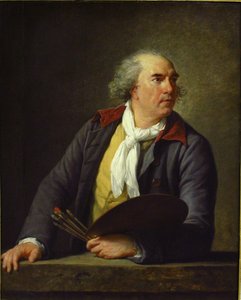
Hubert Robert
1733 - 1808 , Francja
Najważniejsze informacje
- Artistic Movement Or Style: Rokokizm, Neoklasycyzm
- Artists Or Movements Influenced By This Artist: ['Rokokizm']
- Artists Who Influenced This Artist:
- Giovanni Panini
- Piranesi
- Date Of Birth: 22 maja 1733
- Date Of Death: 15 kwietnia 1808
- Full Name: Hubert Robert
- Nationality: Francuz
- Notable Artworks:
- Port Rzymu
- Lot Galatei
- Galerie Luwr
- Place Of Birth: Paryż, Francja
Zobacz także powiązane artykuły

Urok Elegancji w Sztuce: Historyczna i Estetyczna Eksploracja Wzniosłości i Gracji
Odkryj historię elegancji w sztuce – od rokoka po neoklasycyzm. Analiza dzieł Sir Joshua Reynoldsa i wpływu estetyki XVIII wieku na współczesne wnętrza. Ekskluzywne reprodukcje obrazów na OriginalUniqueArt.com.

Hubert Robert: Picturing Ruins, Preserving Memory – A Study of Romantic Antiquarianism & Artistic Innovation
Explore the captivating world of Hubert Robert, master of Romantic landscape painting & 'capriccio' ruins. Discover his historical context, artistic innovations, and collecting insights with OriginalUniqueArt.

Rokokowy przepych: Bunt i rozkosz w sztuce XVIII wieku
Poznaj fascynujący świat rokoka – stylu pełnego wdzięku i przepychu! Odkryj historię, charakterystykę oraz wpływ tego nurtu na sztukę XVIII wieku. Ekspercka analiza i inspiracje dla miłośników historii sztuki.

Top 10 arcydzieł epoki rokoka: artyści, historia i dekoracje wnętrz | OriginalUniqueArt.com
Odkryj 10 arcydzieł epoki rokoka! Poznaj Watteau, Boucher’a i Fragonarda – artystów, którzy zdefiniowali ten styl. Inspiracje wnętrzarskie, pastelowe kolory i reprodukcje obrazów najwyższej jakości na OriginalUniqueArt.com. Eksploruj kolekcję online!

Oświeceniowy Blask w Sztuce XVIII Wieku: Od Rokoka do Neoklasycyzmu – Ewolucja Estetyki i Idei
Poznaj fascynującą transformację sztuki XVIII wieku – od wdzięku rokoka do powagi neoklasycyzmu! Analiza historycznego kontekstu, wpływ oświecenia i wybitni twórcy. Ekspercka wiedza dla miłośników historii sztuki.


