Podgląd w skali 1:1
 Wyślij jako kartkę
 Udostępnij
 Szczegóły dzieła
 Przewodnik

 Pobierz obraz
 Podobne obiekty
 RTG
RTG Pokaz slajdów
 Q&A
Q&A Statystyki
The Washerwoman

- 49.0 x 34.0 cm


 Rozwiń treść
Giclée / Wydruk artystyczny
Wydruki giclée lub płótna o jakości muzealnej, szybka realizacja i szeroki wybór opcji wykończenia. ( Zamów ręcznie malowaną reprodukcję Przejdź do wersji cyfrowej)




P118B zł10

P118H zł10

P118W zł10

P438Z zł10

P508JH zł12

P508YH zł12

P805H zł10

P805Z zł10

P919BZ zł10

P919G zł10

P919XJ zł10

P959ZH zł10

P968JZ zł12

W106C zł8

W218G zł10

W218JH zł8

W218Y zł10

W307PJ zł10

W316G zł10

W316PJ zł8

W316Y zł10

W398PJ zł8

W4111J zł10

W500HY zł15

W500JH zł15

W692G zł12

W849H zł8

W940BG zł15

W953PJ zł8




Wybierz spośród naszych standardowych rozmiarów, które zachowują oryginalne proporcje dzieła sztuki.

Wpisz wymaganą szerokość i wysokość, aby dopasować grafikę do ramy lub ściany. Wydruk można jedynie przyciąć, nigdy nie powiększając go poza oryginalny obraz, dlatego format o innych proporcjach spowoduje utratę części kompozycji. Przed rozpoczęciem druku prześlemy Ci cyfrowy podgląd do zatwierdzenia. Obraz wyświetlany na tej stronie nie pokazuje rzeczywistego przycięcia — jedynie podgląd oddaje ten efekt.
Dostawa na cały świat () w ciągu 2 tygodni zamiast standardowych 4/5 tygodni. (2 Listopad)

Bezpłatna ekspresowa wysyłka na cały świat

Wysokiej jakości płótno lniane

Pełne ubezpieczenie przesyłki

Gwarancja zwrotu należności celnych i podatków importowych

Gwarancja wiernego odwzorowania kolorów

100-dniowa polityka zwrotów (tylko w przypadku wad)

Gwarancja 100% zwrotu pieniędzy

Zniżka przy zakupie wielu sztuk
 Opcja ze szkłem jest dostępna wyłącznie w rozmiarach poniżej 110 cm

The Washerwoman
Giclée / Wydruk artystyczny
Wymiary reprodukcji
-


Cena całkowita
zł 311
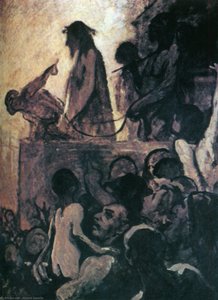
The Washerwoman: A Study in Urban Dignity by Honoré Daumier
Honoré Daumier’s “The Washerwoman,” painted in 1863, is more than just a depiction of a woman laboring by the Seine; it's a poignant meditation on poverty, resilience, and the quiet dignity of everyday life in mid-nineteenth century Paris. This oil-on-panel work, now residing within the Metropolitan Museum of Art’s collection, offers a rare glimpse into the lives of those often overlooked by history – the working class women who sustained the city through their tireless efforts.
Daumier, a master of social commentary and caricature, employed his artistic skills not merely to entertain but to expose the injustices and inequalities prevalent in French society. He was deeply attuned to the struggles of the marginalized, frequently using his art as a platform for critique and empathy. “The Washerwoman” embodies this commitment, presenting a scene stripped of romanticism or idealization – instead, it offers a starkly realistic portrayal of a woman’s arduous existence.
A Study in Realist Detail
The painting immediately draws the viewer's attention to the central figure, a woman engaged in the repetitive task of washing clothes. Her posture is one of quiet determination, her hands firmly planted on the ground as she works with a heavy wooden beater. The composition is deliberately simple and unadorned; Daumier eschews elaborate backgrounds or dramatic lighting, focusing instead on capturing the essence of the subject’s physicality and emotional state. The muted palette – dominated by browns, grays, and ochres – reinforces this sense of realism, mirroring the drabness of her surroundings and reflecting the weariness of her labor.
Daumier's technique is characterized by a meticulous attention to detail, particularly in rendering the textures of the clothing, the rough surface of the brick wall behind her, and the worn fabric of her dress. He skillfully employs broken brushstrokes and subtle gradations of color to create a sense of depth and volume, imbuing the scene with a tangible quality. The use of light is equally deliberate; it illuminates the woman’s face and hands, highlighting her vulnerability while simultaneously casting shadows that emphasize the weight of her task.
Symbolism and Social Context
Beyond its immediate visual impact, “The Washerwoman” carries significant symbolic weight. The presence of a young child assisting his mother – a small figure perched on a chair near the left side of the painting – speaks to the cycle of poverty and the intergenerational transmission of hardship. The two handbags resting on the ground suggest a limited means of sustenance, while the bottle nearby hints at the harsh chemicals used in the cleaning process. The building behind her is not merely a backdrop; it represents the urban environment that both sustains and confines these women.
Painted during a period of significant social unrest in France – following the July Revolution and amidst growing calls for reform – Daumier’s work reflects the anxieties and tensions of the era. The painting can be interpreted as a critique of the prevailing economic system, which offered little opportunity for advancement or security to those at the bottom of the social hierarchy. It's a powerful reminder of the human cost of industrialization and the struggles faced by working-class families.
A Timeless Portrait of Resilience
Despite its bleak subject matter, “The Washerwoman” is not devoid of hope or beauty. The woman’s unwavering gaze and her steadfast commitment to her task convey a sense of dignity and resilience – qualities that transcend the limitations of her circumstances. Daumier's masterful depiction captures a moment of quiet strength in the face of adversity, offering a poignant testament to the enduring spirit of humanity. Reproductions of this iconic work continue to resonate with viewers today, prompting reflection on social justice, economic inequality, and the dignity of labor.
Pytania i odpowiedzi
Gdzie można obecnie zobaczyć dzieło „The Washerwoman” – Honoré Daumier?
„The Washerwoman” – Honoré Daumier znajduje się w zbiorach Muzeum d’Orsay, Paris, France. Informacja o muzeum dotyczy oryginału, a nie reprodukcji.
Czy mogę zobaczyć obraz „The Washerwoman” – Honoré Daumier w widoku rentgenowskim?
Widok rentgenowski dzieła „The Washerwoman” – Honoré Daumier jest dostępny na stronie Analiza rentgenowska: to interaktywna analiza obrazu obejmująca jedenaście warstw optycznych.
Jaki rozmiar "The Washerwoman" jest sugerowany do Living Room?
W pomieszczeniu typu Living Room sugerowany jest wydruk dzieła „The Washerwoman” w rozmiarze Medium.
Biografia artysty
Wprowadzenie do Świata Honoré Daumiéra
Honoré-Victorin Daumier, postać niezwykle złożona i fascynująca, to artysta, którego twórczość wciąż wywołuje silne emocje i prowokuje do refleksji. Urodzony w 1808 roku w Marsylii, a zmarły w Valmondois w 1879 roku, Daumier był nie tylko malarzem, grafikiem i rzeźbiarzem, ale przede wszystkim obserwatorem ludzkiej natury – cynicznym, lecz pełnym współczucia. Jego życie, naznaczone trudami i niesprawiedliwością, stało się tłem dla jego niezwykle bogatego i różnorodnego dorobku artystycznego, który zrewolucjonizował świat grafiki i malarstwa.
Daumier, syn szklarza i poety, wyjechał do Paryża wraz z rodziną w 1814 roku. Wkrótce po przybyciu, rozpoczął naukę rysunku, a jego talent szybko stał się widoczny. Jego edukacja, choć nieformalna, była niezwykle wszechstronna – od klasycznych wpływów, przez obserwację życia ulicznego, aż po kontakty z wybitnymi artystami tamtych czasów. To właśnie ta mieszanka doświadczeń i inspiracji pozwoliła mu stworzyć unikalny styl, łączący realizm z ekspresją i satyrą.
Początki Kariery: Caricatura i Satyra
Przełom w karierze Daumiéra nastąpił wraz z rewolucją z 1830 roku. To wydarzenie otworzyło mu drogę do publikacji satyrycznych rysunków, które szybko zdobyły popularność. Zaczynając jako anonimowy ilustrator dla czasopism, szybko stał się znany dzięki swojej pracy w *Le Charivari*, gdzie pod kierownictwem Charlesa Philipona mógł swobodnie rozwijać swój talent. Rysunki Daumiéra nie były jedynie humorystycznymi portretami – to ostre i bezkompromisowe komentarze na temat francuskiego społeczeństwa, polityki i obyczajów. Jego satyra, często brutalna i prowokacyjna, dotykała najwrażliwszych tematów, od korupcji w sądzie po dekadencję arystokracji.
Jego najbardziej znane karykatury, takie jak "Robert Macaire" czy "Typy paryskie", stały się symbolem krytyki społecznej i politycznej. W 1832 roku, za szczególnie ostre rysunki, Daumier został aresztowany i osadzony w więzieniu na sześć miesięcy. Ta sytuacja, zamiast go zniechęcić, tylko wzmocniła jego determinację w dążeniu do prawdy i obnażaniu niesprawiedliwości.
Oprócz Caricatur: Malarstwo i Rzeźba
Mimo że Daumier jest najbardziej znany ze swoich grafik, nie można zapominać o jego twórczości malarskiej i rzeźbiarskiej. Jego obrazy, często przedstawiające sceny z życia codziennego paryskiego proletariatu – łazienników, kucharzy, prawników – charakteryzują się niezwykłą wrażliwością i empatią. Daumier nie malował idealizowanych portretów, lecz wiernie oddawał surowość i trudności życia, wykorzystując do tego celu dynamiczne kompozycje i dramatyczne oświetlenie.
Jego rzeźby, tworzone głównie z gliny (wiele z nich pozostaje niezakończonych), są świadectwem jego niezwykłego talentu modelarskiego. Poprzez gesty i mimikę, Daumier potrafił oddać całe bogactwo emocji i psychologicznych stanów, co czyni jego rzeźby prawdziwymi portretami duszy ludzkiej.
Wpływ i Dziedzictwo
Honoré Daumier był artystą, który zrewolucjonizował świat grafiki. Jego innowacyjne techniki litograficzne, jego bezkompromisowa satyra i jego niezwykła wrażliwość na los ludzki wywarły ogromny wpływ na kolejne pokolenia artystów. Jego twórczość zainspirowała takich mistrzów jak Gustave Courbet i Édouard Manet, a jego prace do dziś są źródłem inspiracji dla artystów i krytyków sztuki.
Daumier nie był tylko artystą – był obserwatorem, komentatorem i świadkiem swojej epoki. Jego dzieła, dostępne w wielu muzeach na całym świecie, wciąż prowokują do refleksji nad kondycją ludzką i wyzwaniami współczesnego świata. Jego legacy jest dowodem na to, że sztuka może być potężnym narzędziem zmiany społecznej i obrony prawdy.

Honoré Daumier
1808 - 1879 , Francja
Krótka nota
- Artistic Movement Or Style: Realizm, Satyra
- Artists Or Movements Influenced By This Artist:
- Impressionizm
- Nowoczesność
- Artists Who Influenced This Artist:
- Alexandre Lenoir
- Jacques-Louis David
- Date Of Birth: 26 lutego 1808
- Date Of Death: 10 lutego 1879
- Full Name: Honoré-Victorin Daumier
- Nationality: Francuz
- Notable Artworks:
- Rue Transnonain
- Les gens de justice
- Place Of Birth: Marsylia, Francja
Powiązane artykuły

Muza Przez Wieki: Kobieta jako Przedmiot i Symbol w Historii Sztuki – Analiza i Interpretacje
Odkryj fascynującą historię kobiecości w sztuce! Analizujemy archetypy, portrety i ewolucję reprezentacji kobiet od antyku po współczesność. Ekspercka analiza i interpretacje.

Amerykański Realizm: Społeczny Komentarz i Artystyczna Reprezentacja Początku XX Wieku
Odkryj amerykański realizm! Poznaj historie mistrzów i ich arcydzieła odzwierciedlające życie codzienne, pracę i zmieniającą się Amerykę. Inspiracje do Twojego wnętrza na OriginalUniqueArt.com.

Romantic Realism's Finest: 10 Masterpieces for Your Home | OriginalUniqueArt
Explore 10 defining masterpieces of Romantic Realism! Discover Courbet, Millet & Daumier's powerful paintings—capturing emotion and social realities. Find museum-quality reproductions for your home at OriginalUniqueArt.com.

Realizm socjalistyczny: Dziedzictwo ideologii w sztuce i jego wpływ na współczesność
Poznaj historię i estetykę realizmu socjalistycznego – od rosyjskich początków po wpływ na sztukę współczesną. Analiza ideologii, propagandy i kluczowych dzieł. Ekspercka wiedza o sztuce bloku wschodniego.

Realizm w Sztuce: 10 Arcydzieł, Które Zmieniły Spojrzenie na Świat | OriginalUniqueArt.com
Odkryj 10 arcydzieł realizmu – Courbet, Millet i inni artyści, którzy zrewolucjonizowali malarstwo. Poznaj historie, techniki i emocje w realistycznych obrazach. Reprodukcje najwyższej jakości na OriginalUniqueArt.com! Eksploruj kolekcję online.