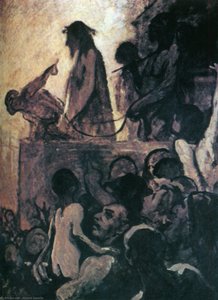
Podgląd w skali 1:1
 Wyślij jako kartkę
 Udostępnij
 Szczegóły dzieła
 Przewodnik

 Pobierz obraz
 Podobne obiekty
 RTG
RTG Pokaz slajdów
 Statystyki
The Third-class Carriage
 Acrylic On Canvas
- WallArt
- Realism
 1865
1865- 19th Century
 65.0 x 90.0 cm
 Narodowa Galeria Kanady
 Rozwiń treść
Giclée / Wydruk artystyczny
Wydruki giclée lub płótna o jakości muzealnej, szybka realizacja i szeroki wybór opcji wykończenia. ( Zamów ręcznie malowaną reprodukcję Przejdź do wersji cyfrowej)




P118B zł10

P118H zł10

P118W zł10

P438Z zł10

P508JH zł12

P508YH zł12

P805H zł10

P805Z zł10

P919BZ zł10

P919G zł10

P919XJ zł10

P959ZH zł10

P968JZ zł12

W106C zł8

W218G zł10

W218JH zł8

W218Y zł10

W307PJ zł10

W316G zł10

W316PJ zł8

W316Y zł10

W398PJ zł8

W4111J zł10

W500HY zł15

W500JH zł15

W692G zł12

W849H zł8

W940BG zł15

W953PJ zł8




Wybierz spośród naszych standardowych rozmiarów, które zachowują oryginalne proporcje dzieła sztuki.

Wpisz wymaganą szerokość i wysokość, aby dopasować grafikę do ramy lub ściany. Wydruk można jedynie przyciąć, nigdy nie powiększając go poza oryginalny obraz, dlatego format o innych proporcjach spowoduje utratę części kompozycji. Przed rozpoczęciem druku prześlemy Ci cyfrowy podgląd do zatwierdzenia. Obraz wyświetlany na tej stronie nie pokazuje rzeczywistego przycięcia — jedynie podgląd oddaje ten efekt.
Dostawa na cały świat () w ciągu 2 tygodni zamiast standardowych 4/5 tygodni. (25 Październik)

Bezpłatna ekspresowa wysyłka na cały świat

Wysokiej jakości płótno lniane

Pełne ubezpieczenie przesyłki

Gwarancja zwrotu należności celnych i podatków importowych

Gwarancja wiernego odwzorowania kolorów

100-dniowa polityka zwrotów (tylko w przypadku wad)

Gwarancja 100% zwrotu pieniędzy

Zniżka przy zakupie wielu sztuk
 Opcja ze szkłem jest dostępna wyłącznie w rozmiarach poniżej 110 cm

The Third-class Carriage
Giclée / Wydruk artystyczny
Wymiary reprodukcji
-


Cena całkowita
zł 307
Honoré Daumier’s ‘The Third-Class Carriage’: A Chronicle of Urban Life
Honoré Daumier's 1865 painting, “The Third-Class Carriage,” is more than a simple depiction of a train journey; it’s a poignant snapshot of mid-19th century French society, rendered with the artist’s characteristic blend of realism and social commentary. Measuring 65 x 90 cm, this black and white composition immediately draws the viewer into the cramped confines of a third-class railway car, capturing a moment of everyday life that speaks volumes about class divisions and the burgeoning urbanization of France during the Second Empire.
- Subject Matter: The scene meticulously portrays passengers in a third-class train carriage. The focus is on the ordinary individuals – their postures, expressions, and belongings – revealing a slice of life rarely afforded attention in formal portraiture.
- Composition: Daumier’s masterful use of perspective creates a sense of claustrophobia, emphasizing the density of the space and the close proximity of the travelers. The arrangement of luggage—suitcases, handbags, and personal effects—adds to the feeling of lived-in authenticity.
Daumier's Artistic Style and Technique
Daumier’s style is immediately recognizable through his meticulous draftsmanship and a deliberate avoidance of idealized beauty. He was deeply influenced by artists like Rubens, particularly in his use of dramatic lighting (chiaroscuro) to sculpt forms and create mood. In “The Third-Class Carriage,” this influence is evident in the strong contrasts between light and shadow, which highlight the textures of the benches, luggage, and clothing. The artist’s technique relies on precise lines and detailed observation, reflecting his commitment to capturing reality with unflinching honesty. His work was often characterized by a rough, almost sketch-like quality, contributing to its raw emotional impact.
Historical Context: A Nation in Transition
Painted in 1865, “The Third-Class Carriage” reflects the significant social and political changes occurring in France during this period. The rapid growth of Paris and other industrial centers led to a massive influx of rural populations seeking work and opportunity – often finding themselves crammed into overcrowded, poorly maintained train cars like the one depicted here. Daumier’s work aligns with the broader trend of Realist art, which sought to depict everyday life without romanticizing or idealizing it. The painting subtly critiques the social inequalities inherent in this transition, offering a glimpse into the lives of those marginalized by industrialization and urbanization.
Symbolism and Emotional Impact
Beyond its documentary value, “The Third-Class Carriage” possesses a powerful symbolic resonance. The presence of a woman holding a baby amidst the bustling crowd evokes themes of family, vulnerability, and the challenges faced by working-class families. The scattered luggage represents not just possessions but also dreams, aspirations, and the burdens carried on journeys – both literal and metaphorical. The overall mood is one of quiet observation, inviting viewers to contemplate the lives of these anonymous individuals and consider their place within a rapidly changing society. This artwork’s enduring appeal lies in its ability to capture a fleeting moment of human experience with remarkable sensitivity and artistic skill.
Pytania i odpowiedzi
Z jakich materiałów wykonano "The Third-class Carriage" i w jakim stylu?
"The Third-class Carriage" powstało przy użyciu Acrylic On Canvas, w stylu Realism.
Co przedstawia "The Third-class Carriage" i jaką ma atmosferę?
"The Third-class Carriage" przedstawia train carriage, third class, daumier artwork, passenger scene, luggage travel, social commentary, 19th century france, a jego nastrojowy charakter można określić jako Dramatic.
Na którym etapie kariery Honoré Daumier znajduje się dzieło „The Third-class Carriage”, biorąc pod uwagę jego datę powstania?
"The Third-class Carriage", powstałe w 1865, należy do Mature Period w twórczości Honoré Daumier.
Biografia artysty
Wprowadzenie do Świata Honoré Daumiéra
Honoré-Victorin Daumier, postać niezwykle złożona i fascynująca, to artysta, którego twórczość wciąż wywołuje silne emocje i prowokuje do refleksji. Urodzony w 1808 roku w Marsylii, a zmarły w Valmondois w 1879 roku, Daumier był nie tylko malarzem, grafikiem i rzeźbiarzem, ale przede wszystkim obserwatorem ludzkiej natury – cynicznym, lecz pełnym współczucia. Jego życie, naznaczone trudami i niesprawiedliwością, stało się tłem dla jego niezwykle bogatego i różnorodnego dorobku artystycznego, który zrewolucjonizował świat grafiki i malarstwa.
Daumier, syn szklarza i poety, wyjechał do Paryża wraz z rodziną w 1814 roku. Wkrótce po przybyciu, rozpoczął naukę rysunku, a jego talent szybko stał się widoczny. Jego edukacja, choć nieformalna, była niezwykle wszechstronna – od klasycznych wpływów, przez obserwację życia ulicznego, aż po kontakty z wybitnymi artystami tamtych czasów. To właśnie ta mieszanka doświadczeń i inspiracji pozwoliła mu stworzyć unikalny styl, łączący realizm z ekspresją i satyrą.
Początki Kariery: Caricatura i Satyra
Przełom w karierze Daumiéra nastąpił wraz z rewolucją z 1830 roku. To wydarzenie otworzyło mu drogę do publikacji satyrycznych rysunków, które szybko zdobyły popularność. Zaczynając jako anonimowy ilustrator dla czasopism, szybko stał się znany dzięki swojej pracy w *Le Charivari*, gdzie pod kierownictwem Charlesa Philipona mógł swobodnie rozwijać swój talent. Rysunki Daumiéra nie były jedynie humorystycznymi portretami – to ostre i bezkompromisowe komentarze na temat francuskiego społeczeństwa, polityki i obyczajów. Jego satyra, często brutalna i prowokacyjna, dotykała najwrażliwszych tematów, od korupcji w sądzie po dekadencję arystokracji.
Jego najbardziej znane karykatury, takie jak "Robert Macaire" czy "Typy paryskie", stały się symbolem krytyki społecznej i politycznej. W 1832 roku, za szczególnie ostre rysunki, Daumier został aresztowany i osadzony w więzieniu na sześć miesięcy. Ta sytuacja, zamiast go zniechęcić, tylko wzmocniła jego determinację w dążeniu do prawdy i obnażaniu niesprawiedliwości.
Oprócz Caricatur: Malarstwo i Rzeźba
Mimo że Daumier jest najbardziej znany ze swoich grafik, nie można zapominać o jego twórczości malarskiej i rzeźbiarskiej. Jego obrazy, często przedstawiające sceny z życia codziennego paryskiego proletariatu – łazienników, kucharzy, prawników – charakteryzują się niezwykłą wrażliwością i empatią. Daumier nie malował idealizowanych portretów, lecz wiernie oddawał surowość i trudności życia, wykorzystując do tego celu dynamiczne kompozycje i dramatyczne oświetlenie.
Jego rzeźby, tworzone głównie z gliny (wiele z nich pozostaje niezakończonych), są świadectwem jego niezwykłego talentu modelarskiego. Poprzez gesty i mimikę, Daumier potrafił oddać całe bogactwo emocji i psychologicznych stanów, co czyni jego rzeźby prawdziwymi portretami duszy ludzkiej.
Wpływ i Dziedzictwo
Honoré Daumier był artystą, który zrewolucjonizował świat grafiki. Jego innowacyjne techniki litograficzne, jego bezkompromisowa satyra i jego niezwykła wrażliwość na los ludzki wywarły ogromny wpływ na kolejne pokolenia artystów. Jego twórczość zainspirowała takich mistrzów jak Gustave Courbet i Édouard Manet, a jego prace do dziś są źródłem inspiracji dla artystów i krytyków sztuki.
Daumier nie był tylko artystą – był obserwatorem, komentatorem i świadkiem swojej epoki. Jego dzieła, dostępne w wielu muzeach na całym świecie, wciąż prowokują do refleksji nad kondycją ludzką i wyzwaniami współczesnego świata. Jego legacy jest dowodem na to, że sztuka może być potężnym narzędziem zmiany społecznej i obrony prawdy.

Honoré Daumier
1808 - 1879 , Francja
Krótka nota
- Artistic Movement Or Style: Realizm, Satyra
- Artists Or Movements Influenced By This Artist:
- Impressionizm
- Nowoczesność
- Artists Who Influenced This Artist:
- Alexandre Lenoir
- Jacques-Louis David
- Date Of Birth: 26 lutego 1808
- Date Of Death: 10 lutego 1879
- Full Name: Honoré-Victorin Daumier
- Nationality: Francuz
- Notable Artworks:
- Rue Transnonain
- Les gens de justice
- Place Of Birth: Marsylia, Francja
Powiązane artykuły
Honoré Daumier: Social Commentary & Artistic Innovation in 19th-Century France
Explore the life & work of Honoré Daumier, a master of 19th-century French realism and satire. Discover his powerful lithographs, paintings, and sculptures critiquing society – and his lasting influence on modern art.
Czarne arcydzieła: 10 słynnych obrazów w odcieniach kości słoniowej i czerni | OriginalUniqueArt.pl
Odkryj 10 arcydzieł sztuki, w których dominuje moc czerni i bieli. Poznaj historie Rembrandta, Goyi, Picassa i innych mistrzów oraz ich ekspresyjne obrazy. Reprodukcje najwyższej jakości na OriginalUniqueArt.com – inspiracje dla Twojego wnętrza! Eksploruj kolekcję online.

Czarne arcydzieła: Top 10 słynnych obrazów pełnych mroku i ekspresji | OriginalUniqueArt.com
Odkryj 10 słynnych obrazów, w których czerń króluje! Poznaj historie artystów, ekspresjonizm i mroczną paletę barw. Reprodukcje dzieł sztuki najwyższej jakości na OriginalUniqueArt.com – inspiracje do wnętrz i kolekcjonerstwo.
Czarne arcydzieła: 10 słynnych obrazów w odcieniach lamp black | OriginalUniqueArt.pl
Odkryj 10 arcydzieł malarstwa zdominowanych przez odcienie lamp black. Poznaj historie Rembrandta, Caravaggia i innych mistrzów. Reprodukcje obrazów najwyższej jakości na OriginalUniqueArt.com – inspiracje dla Twojego wnętrza! Eksploruj kolekcję online.
Czarne arcydzieła: 10 słynnych obrazów w odcieniach mroku | OriginalUniqueArt.pl
Odkryj 10 słynnych obrazów, w których dominuje głęboka czerń – od Rembrandta po Picassa. Poznaj historie artystów i techniki tworzenia mrocznych arcydzieł. Reprodukcje najwyższej jakości na OriginalUniqueArt.com! Eksploruj kolekcję online.