Zobacz w skali 1:1
 Wyślij
 Udostępnij
 Szczegóły
 Przewodnik

 Pobierz plik obrazu
 Podobne obiekty
 RTG
RTG Pokaz slajdów
 Statystyki
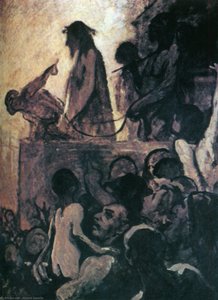
Scene from a Comedy
 Oil On Canvas
- WallArt
- Satirical Realism
 1858
1858 33.0 x 25.0 cm
 Muzeum d’Orsay
 Czytaj więcej
Ręcznie malowana reprodukcja olejowa
Ręcznie malowany obraz olejny na płótnie, wykonany na zamówienie przez naszych artystów w wybranym przez Ciebie wymiarze i oprawie. ( Przełącz na wersję drukowaną Przełącz na wersję cyfrową)




P118B zł10

P118H zł10

P118W zł10

P438Z zł10

P508JH zł12

P508YH zł12

P805H zł10

P805Z zł10

P919BZ zł10

P919G zł10

P919XJ zł10

P959ZH zł10

P968JZ zł12

W106C zł8

W218G zł10

W218JH zł8

W218Y zł10

W307PJ zł10

W316G zł10

W316PJ zł8

W316Y zł10

W398PJ zł8

W4111J zł10

W500HY zł15

W500JH zł15

W692G zł12

W849H zł8

W940BG zł15

W953PJ zł8




Wybierz spośród naszych standardowych rozmiarów, które zachowują oryginalne proporcje dzieła sztuki.

Wpisz wymaganą szerokość i wysokość, aby obraz pasował do Twojej ramy lub ściany. Ponieważ jest to dzieło malowane ręcznie, w przypadku rozmiaru o innym proporcji artysta może domalować nieco więcej wokół obrazu lub przyciąć fragmenty — wybór należy do Ciebie. Przed rozpoczęciem pracy prześlemy Ci cyfrową wizualizację do zatwierdzenia. Obraz widoczny na tej stronie nie przedstawia rzeczywistego efektu — jedynie wizualizacja oddaje realny rezultat.
Po złożeniu zamówienia zespół OriginalUniqueArt.com skontaktuje się z klientem drogą mailową w celu uzyskania instrukcji i prześle wizualizację projektu
Dostawa na całym świecie () w ciągu 3–4 tygodni zamiast standardowych 5 tygodni. (22 Październik). Bez kompromisów w kwestii jakości.

Bezpłatna ekspresowa wysyłka na cały świat

Wysokiej jakości płótno lniane

Pełne ubezpieczenie transportowe

Gwarancja zwrotu należności celnych i podatków importowych

Gwarancja idealnego odwzorowania barw

100-dniowy okres na zwrot dzieła w przypadku wykrycia wad produkcyjnych

Gwarancja 100% zwrotu pieniędzy

Oferta przy zakupie wielu sztuk
 Opcja ze szkłem jest dostępna wyłącznie w rozmiarach poniżej 110 cm

Scene from a Comedy
Technika wykonania
Rozmiar reprodukcji
-


Suma do zapłaty
zł 1139
A Moment Frozen in Satire: Honoré Daumier’s “Scene from a Comedy”
Honoré Daumier's "Scene from a Comedy," painted in 1858, isn’t merely a depiction of two figures; it’s a meticulously crafted snapshot of Parisian society and the biting social commentary that defined the artist’s career. Housed within the walls of the Musée d’Orsay, this oil on canvas offers a rare glimpse into Daumier's world – a world brimming with observation, critique, and an undeniable sense of humor laced with profound sadness. Measuring just 33 x 25 cm, its intimate scale belies the expansive social commentary it contains, inviting viewers to step closer and contemplate the subtle power dynamics at play.
The painting immediately draws the eye to the stark contrast between the two men. On the left stands an older gentleman, rendered in dark tones of coat and shirt, his face a study in sternness – a palpable embodiment of authority or perhaps simply ingrained habit. His posture is rigid, suggesting a lifetime spent upholding established norms. Juxtaposed against him is a younger figure, dressed more casually, tilted back with a relaxed amusement that hints at a different perspective, a willingness to question or even mock the older man’s demeanor. This immediate visual dichotomy establishes the core of Daumier's work: a deliberate exploration of conflicting viewpoints and the inherent tensions within social structures.
Realism and the Language of Gesture
Daumier’s mastery lies not just in capturing faces, but in conveying emotion through gesture and body language. The realism of his approach is evident in the meticulous detail with which he renders the textures of fabric, the subtle lines etched on the older man's face, and the slight tilt of the younger figure’s head. The dark background, punctuated by hints of blue and gray, serves to amplify these details, creating a sense of depth and drawing the viewer’s attention directly to the figures. This strategic use of light and shadow is characteristic of Daumier's style – a deliberate choice to highlight the emotional core of his subjects.
Furthermore, note the lack of elaborate setting or narrative context. Daumier strips away extraneous details, focusing instead on the immediate interaction between these two individuals. This minimalist approach forces the viewer to actively engage with the painting, interpreting the unspoken tensions and considering the broader social implications of their encounter. It’s a testament to Daumier's skill that such profound commentary can be conveyed through such simple means.
A Window into 19th-Century France
"Scene from a Comedy" is deeply rooted in its historical context. Created during the mid-19th century, it reflects the social and political upheavals of France at that time – a period marked by rapid industrialization, growing class divisions, and increasing calls for reform. Daumier’s work served as a powerful critique of these changes, exposing the hypocrisy and injustices inherent in the established order. His frequent use of caricature and satire allowed him to reach a wide audience, challenging conventional wisdom and sparking debate about the direction of French society.
As explored in articles like “Honoré Daumier: Social Commentary & Artistic Innovation in 19th-Century France,” Daumier’s art wasn't simply humorous; it was a direct engagement with pressing social issues. His work, alongside pieces like "Ratapoil (rear view)" and "The Defender," became a voice for the marginalized and a challenge to the status quo. He used his artistic platform to expose corruption, criticize political figures, and advocate for greater social equality – a remarkably courageous stance for an artist of his time.
Collecting a Masterpiece: Reproduction and Legacy
OriginalUniqueArt offers meticulously crafted hand-painted reproductions of “Scene from a Comedy,” allowing art lovers to experience Daumier’s genius in stunning detail. Each reproduction is created by skilled artisans who painstakingly recreate the artist's techniques, capturing the nuances of his style and ensuring an authentic representation of this iconic work. Whether displayed in a private collection or incorporated into a larger interior design scheme, a OriginalUniqueArt reproduction provides a beautiful and meaningful connection to one of art history’s most insightful social commentators.
To delve further into Daumier's life and work, we encourage you to explore the resources available on our website and through external links such as Wikipedia. Discover the rich tapestry of his artistic vision and appreciate the enduring legacy of a man who used art as a weapon against injustice – a legacy that continues to resonate with audiences today.
Pytania i odpowiedzi
Jakie miejsce zajmuje „Scene from a Comedy” wśród powracających motywów w twórczości Honoré Daumier?
Powracające motywy w twórczości Honoré Daumier obejmują realism, satire, social critique, 19th-century french society, politics, caricature, commentary, observation; „Scene from a Comedy” koncentruje się na comedy, daumier, satire, social commentary, 19th century, france, human emotion.
Jaki jest dominujący kolor w „Scene from a Comedy” autorstwa Honoré Daumier?
Dominującym kolorem dzieła „Scene from a Comedy” autorstwa Honoré Daumier jest Black (#120f12).
Czy dzieło „Scene from a Comedy” autorstwa Honoré Daumier, znajdujące się w zbiorach Muzeum d’Orsay, może być legalnie reprodukowane?
Dzieło „Scene from a Comedy” autorstwa Honoré Daumier, znajdujące się w zbiorach Muzeum d’Orsay, znajduje się w stanowi domenę publiczną – autorskie prawa majątkowe wygasły. Status ten określa, czy możliwe jest tworzenie reprodukcji obrazu.
Biografia artysty
Wprowadzenie do Świata Honoré Daumiéra
Honoré-Victorin Daumier, postać niezwykle złożona i fascynująca, to artysta, którego twórczość wciąż wywołuje silne emocje i prowokuje do refleksji. Urodzony w 1808 roku w Marsylii, a zmarły w Valmondois w 1879 roku, Daumier był nie tylko malarzem, grafikiem i rzeźbiarzem, ale przede wszystkim obserwatorem ludzkiej natury – cynicznym, lecz pełnym współczucia. Jego życie, naznaczone trudami i niesprawiedliwością, stało się tłem dla jego niezwykle bogatego i różnorodnego dorobku artystycznego, który zrewolucjonizował świat grafiki i malarstwa.
Daumier, syn szklarza i poety, wyjechał do Paryża wraz z rodziną w 1814 roku. Wkrótce po przybyciu, rozpoczął naukę rysunku, a jego talent szybko stał się widoczny. Jego edukacja, choć nieformalna, była niezwykle wszechstronna – od klasycznych wpływów, przez obserwację życia ulicznego, aż po kontakty z wybitnymi artystami tamtych czasów. To właśnie ta mieszanka doświadczeń i inspiracji pozwoliła mu stworzyć unikalny styl, łączący realizm z ekspresją i satyrą.
Początki Kariery: Caricatura i Satyra
Przełom w karierze Daumiéra nastąpił wraz z rewolucją z 1830 roku. To wydarzenie otworzyło mu drogę do publikacji satyrycznych rysunków, które szybko zdobyły popularność. Zaczynając jako anonimowy ilustrator dla czasopism, szybko stał się znany dzięki swojej pracy w *Le Charivari*, gdzie pod kierownictwem Charlesa Philipona mógł swobodnie rozwijać swój talent. Rysunki Daumiéra nie były jedynie humorystycznymi portretami – to ostre i bezkompromisowe komentarze na temat francuskiego społeczeństwa, polityki i obyczajów. Jego satyra, często brutalna i prowokacyjna, dotykała najwrażliwszych tematów, od korupcji w sądzie po dekadencję arystokracji.
Jego najbardziej znane karykatury, takie jak "Robert Macaire" czy "Typy paryskie", stały się symbolem krytyki społecznej i politycznej. W 1832 roku, za szczególnie ostre rysunki, Daumier został aresztowany i osadzony w więzieniu na sześć miesięcy. Ta sytuacja, zamiast go zniechęcić, tylko wzmocniła jego determinację w dążeniu do prawdy i obnażaniu niesprawiedliwości.
Oprócz Caricatur: Malarstwo i Rzeźba
Mimo że Daumier jest najbardziej znany ze swoich grafik, nie można zapominać o jego twórczości malarskiej i rzeźbiarskiej. Jego obrazy, często przedstawiające sceny z życia codziennego paryskiego proletariatu – łazienników, kucharzy, prawników – charakteryzują się niezwykłą wrażliwością i empatią. Daumier nie malował idealizowanych portretów, lecz wiernie oddawał surowość i trudności życia, wykorzystując do tego celu dynamiczne kompozycje i dramatyczne oświetlenie.
Jego rzeźby, tworzone głównie z gliny (wiele z nich pozostaje niezakończonych), są świadectwem jego niezwykłego talentu modelarskiego. Poprzez gesty i mimikę, Daumier potrafił oddać całe bogactwo emocji i psychologicznych stanów, co czyni jego rzeźby prawdziwymi portretami duszy ludzkiej.
Wpływ i Dziedzictwo
Honoré Daumier był artystą, który zrewolucjonizował świat grafiki. Jego innowacyjne techniki litograficzne, jego bezkompromisowa satyra i jego niezwykła wrażliwość na los ludzki wywarły ogromny wpływ na kolejne pokolenia artystów. Jego twórczość zainspirowała takich mistrzów jak Gustave Courbet i Édouard Manet, a jego prace do dziś są źródłem inspiracji dla artystów i krytyków sztuki.
Daumier nie był tylko artystą – był obserwatorem, komentatorem i świadkiem swojej epoki. Jego dzieła, dostępne w wielu muzeach na całym świecie, wciąż prowokują do refleksji nad kondycją ludzką i wyzwaniami współczesnego świata. Jego legacy jest dowodem na to, że sztuka może być potężnym narzędziem zmiany społecznej i obrony prawdy.

Honoré Daumier
1808 - 1879 , Francja
Najważniejsze informacje
- Artistic Movement Or Style: Realizm, Satyra
- Artists Or Movements Influenced By This Artist:
- Impressionizm
- Nowoczesność
- Artists Who Influenced This Artist:
- Alexandre Lenoir
- Jacques-Louis David
- Date Of Birth: 26 lutego 1808
- Date Of Death: 10 lutego 1879
- Full Name: Honoré-Victorin Daumier
- Nationality: Francuz
- Notable Artworks:
- Rue Transnonain
- Les gens de justice
- Place Of Birth: Marsylia, Francja
Zobacz także powiązane artykuły
Poetycka Prawda Obserwacji: Realizm w Malarstwie XIX Wieku – Studium i Interpretacje
Odkryj fascynujący świat realizmu w malarstwie XIX wieku! Analiza dzieł Courbeta, polskiego realizmu i wpływu tego nurtu na współczesną sztukę. Ekspercka wiedza dla kolekcjonerów i miłośników historii sztuki.
Odbicie Cieni Społeczeństwa: Krytyka Społeczna w Sztuce na Przestrzeni Wieków
Poznaj historię sztuki krytycznej społecznej – od realizmu XIX wieku po współczesne nurty. Analiza social realismu, socrealizmu i muralizmu meksykańskiego. Ekspercka analiza dzieł i artystów.

Realizm socjalistyczny: Dziedzictwo ideologii w sztuce i jego wpływ na współczesność
Poznaj historię i estetykę realizmu socjalistycznego – od rosyjskich początków po wpływ na sztukę współczesną. Analiza ideologii, propagandy i kluczowych dzieł. Ekspercka wiedza o sztuce bloku wschodniego.
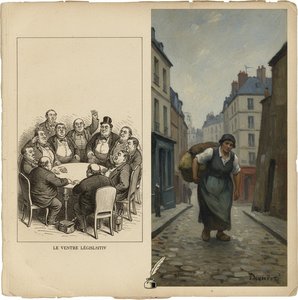
Honoré Daumier: Social Commentary & Artistic Innovation in 19th-Century France
Explore the life & work of Honoré Daumier, a master of 19th-century French realism and satire. Discover his powerful lithographs, paintings, and sculptures critiquing society – and his lasting influence on modern art.

Romantic Realism's Finest: 10 Masterpieces for Your Home | OriginalUniqueArt
Explore 10 defining masterpieces of Romantic Realism! Discover Courbet, Millet & Daumier's powerful paintings—capturing emotion and social realities. Find museum-quality reproductions for your home at OriginalUniqueArt.com.