
 Podgląd w skali
 Wyślij jako kartkę
 Udostępnij
 Szczegóły dzieła

 Pobierz
 Podobne obiekty
 RTG
RTG Pokaz slajdów
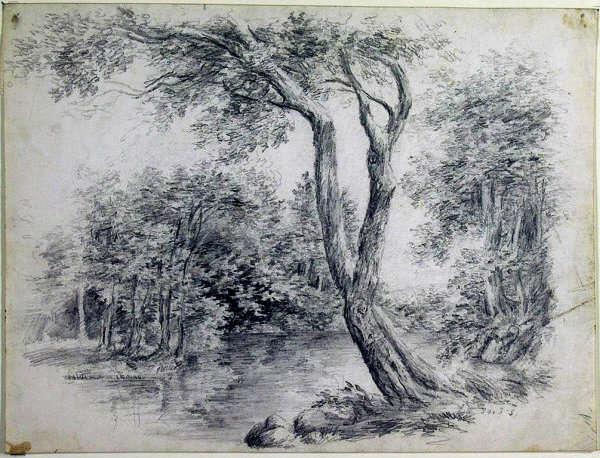
Trees and Pool
 Rozwiń treść
Kup wysokiej rozdzielczości, ulepszony obraz cyfrowy o znacznie wyższej jakości niż podgląd online.
Każdy plik jest starannie przygotowywany przez naszych specjalistów przy użyciu zaawansowanych narzędzi oraz profesjonalnej, ręcznej retuszy. Dbamy o to, aby każdy obraz cechował się wyjątkową ostrością, precyzyjnym odwzorowaniem kolorów i subtelnymi detalami.
Ostateczny plik dostarczany jest drogą mailową w ciągu 72 godzin, zoptymalizowany do natychmiastowego wykorzystania w profesjonalnych zastosowaniach redakcyjnych i poligraficznych. To ta sama jakość, której ufają czołowe studia projektowe, wydawnictwa oraz galerie sztuki.
Obraz cyfrowy
Pobierz plik o wysokiej rozdzielczości do osobistego wyświetlania, druku oraz projektów kreatywnych. ( Zamów wydruk Przełącz na obraz ręcznie malowany)
W każdym zamówieniu na obraz cyfrowy znajduje się
Profesjonalna dostawa cyfrowa z gwarancją
Wybierając OriginalUniqueArt.com, nie otrzymujesz jedynie obrazu – otrzymujesz profesjonalnie udoskonalone cyfrowe dzieło sztuki, stworzone z najwyższą precyzją i objęte gwarancją satysfakcji. Oto wszystko, co automatycznie dołączane jest do Twojego zamówienia:

Błyskawiczna wysyłka e-mailowa
Plik z obrazem cyfrowym w wysokiej rozdzielczości zostanie przesłany na Twój adres e-mail w ciągu 72 godzin od złożenia zamówienia – gotowy do natychmiastowego użycia.

Plik cyfrowy wzbogacony przez AI
Twoja grafika została profesjonalnie zoptymalizowana przy użyciu zaawansowanych narzędzi AI oraz ręcznej edycji, co zapewnia maksymalną szczegółowość, klarowność i wierność kolorów.

Dożywotnia darmowa ponowna dostawa
Przypadkowo usunąłeś lub zgubiłeś swój plik? Bez obaw – prześlemy go Tobie ponownie w dowolnym momencie, bez żadnych opłat.

Bez opłat importowych – zawsze
Ciesz się swoją sztuką natychmiast, bez żadnych opłat celnych, należności ani kosztów dostawy – pliki cyfrowe są zawsze wolne od podatku.

Gwarancja wierności kolorów
Dzięki zastosowaniu profesjonalnych narzędzi i procesów zarządzania barwą zapewniamy, że Twoje cyfrowe zdjęcie odzwierciedla oryginalne kolory tak wiernie, jak to tylko możliwe.

60-dniowa gwarancja satysfakcji
Jeśli nie będziesz zadowolony ze swojego cyfrowego obrazu, dokonamy jego poprawki lub zwrócimy 100% kosztów w ciągu 60 dni – bez żadnych pytań.

100% Gwarancja zwrotu pieniędzy
Nie jesteś zadowolony? Otrzymaj pełny zwrot kosztów w ciągu 60 dni od otrzymania pliku cyfrowego – bez zbędnych pytań.

Rabaty przy zamówieniach hurtowych
Kup 3 obrazy, oszczędź 10% - Kup 5, oszczędź 15% - Kup 10+, oszczędź 20%. Idealne do projektów kreatywnych, galerii i agencji.
Biografia artysty
A Bridge Between Worlds: The Life and Art of Homer Dodge Martin
Homer Dodge Martin, born in Albany, New York, on October 28, 1836, stands as a pivotal figure in the evolution of American landscape painting. He wasn’t merely a painter; he was a translator – bridging the established grandeur of the Hudson River School with the nascent, vibrant innovations of Impressionism. His early life, steeped in artistic promise and nurtured by a thriving community of artists in Albany, including George Boughton and Edward Gay, laid the foundation for his unique vision. These formative years instilled within him a deep respect for nature’s majesty, yet even in his earliest works, subtle hints of a more personal and atmospheric approach began to emerge – a foreshadowing of the artistic transformation that lay ahead. He spent countless summers sketching in the breathtaking Adirondacks, the rugged Catskills, and the majestic White Mountains, meticulously translating these plein air studies into finished canvases within his New York City studio—a common practice among artists seeking both inspiration from nature’s raw beauty and the practical advantages of urban life. This dedication quickly garnered recognition; he was elected as an associate, and later a full academician, of the National Academy of Design, solidifying his standing within the art world of the late 19th century.European Awakening and Artistic Transformation
A truly transformative moment in Martin’s artistic journey arrived with a trip to Europe in 1876. This wasn't simply a leisurely excursion; it was an immersive experience—a deep dive into the heart of avant-garde art movements. Exposure to the Barbizon School, with its emphasis on direct observation and naturalistic depictions of rural life, profoundly impacted his sensibilities. Simultaneously, he encountered the burgeoning Impressionist movement, witnessing firsthand their revolutionary techniques for capturing light and color. The carefully constructed compositions and polished surfaces of his earlier work began to subtly shift. He wasn’t abandoning realism entirely; rather, he was absorbing these new influences, filtering them through his own unique artistic lens. This evolution wasn't immediate or dramatic; it was a gradual process—a quiet but significant departure from the rigid conventions of the Hudson River School. The Barbizon’s focus on capturing the essence of everyday life and the Impressionists’ exploration of fleeting moments of light and color resonated deeply with Martin, prompting him to experiment with looser brushstrokes, more evocative use of color, and a heightened sensitivity to atmospheric effects. He sought to capture not just what he *saw*, but also what he *felt* – the mood, the atmosphere, the very soul of the landscape.Years in Normandy and the Essence of Place
The culmination of this artistic awakening occurred during a four-year sojourn in France, primarily in Normandy, from 1882 to 1886. He became part of a vibrant artist colony at Étaples, exchanging ideas with fellow painters and immersing himself in the beauty of the French countryside. This period proved exceptionally fruitful, yielding some of his most celebrated works. Paintings like *The Harbour at Étaples* showcase his growing mastery of topographical detail combined with an atmospheric depth that was becoming increasingly characteristic of his style. However, it’s Cottage in the Forest that truly exemplifies this transformation – a poignant depiction of a solitary dwelling nestled within a vibrant forest, bathed in the golden light of the setting sun. The painting captures not just the physical appearance of the scene but also its emotional resonance—a sense of quiet solitude and peaceful contemplation. Martin’s time in Normandy wasn't merely about copying French techniques; it was about developing his own unique voice – a harmonious blend of observation, emotion, and artistic skill. Harp of the Winds, painted at Villerville on the Seine, stands as perhaps the most iconic example of this period, now housed in the Metropolitan Museum of Art. This painting is a masterful synthesis of his earlier realism with the Impressionist’s focus on light and color, capturing the essence of a windswept shoreline with remarkable sensitivity and poetic beauty.Later Years, Legacy, and Enduring Appeal
Despite achieving considerable recognition during his lifetime, Martin faced significant hardship in his later years. Poverty and increasingly poor eyesight forced him to relocate to St. Paul, Minnesota, in 1893, where he lived with relatives. Remarkably, even as his vision diminished, his creative spirit remained undeterred. His final masterpiece, *Adirondack Scenery*, painted from memory while nearly blind, stands as a testament to his unwavering passion and artistic skill—a poignant reminder that true artistry transcends physical limitations. The painting captures the rugged beauty of the Adirondacks with remarkable detail and emotional depth, conveying a sense of both grandeur and melancholy. Martin died on February 12, 1897, leaving behind a legacy that was only fully appreciated after his death. Shortly thereafter, *Adirondack Scenery* sold for an impressive $5500, signaling a belated recognition of his talent and the enduring appeal of his work. Today, Martin’s paintings are held in numerous prestigious American museums—the Metropolitan Museum of Art, the Smithsonian American Art Museum, the Addison Gallery of American Art, and many others—ensuring that his art continues to inspire and captivate audiences for generations to come. Homer Dodge Martin is rightfully recognized as a transitional figure – a bridge between the Hudson River School’s meticulous realism and the atmospheric poetry of American Impressionism. His innovative approach to landscape painting, characterized by its evocative moodiness and loose brushwork, secures his place as a significant and enduring voice in 19th-century American art.
Homer Dodge Martin
1836 - 1897 , Stany Zjednoczone
Krótka nota
- Artistic Movement Or Style: Hudson River & Imp.
- Artists Or Movements Influenced By This Artist: ['Impressionizm']
- Artists Who Influenced This Artist:
- Hart William
- Barbizon
- Corot
- Date Of Birth: 28 października 1836
- Date Of Death: 12 lutego 1897
- Full Name: Homer Dodge Martin
- Nationality: Amerykański
- Notable Artworks:
- Harp Winds
- Most Leeds
- Near Newport
- Place Of Birth: Albany, USA

