 Podgląd w skali
 Wyślij jako kartkę
 Udostępnij
 Szczegóły dzieła

 Pobierz
 Podobne obiekty
 RTG
RTG Pokaz slajdów
Palazzo ducale, venice - hell


 Rozwiń treść
Ręcznie malowana reprodukcja olejowa
Ręcznie malowany obraz olejny na płótnie, wykonany na zamówienie przez naszych artystów w wybranym przez Ciebie wymiarze i oprawie. ( Kup wydruk Kup obraz cyfrowy)




P118B $10

P118H $10

P118W $10

P438Z $10

P508JH $12

P508YH $12

P805H $10

P805Z $10

P919BZ $10

P919G $10

P919XJ $10

P959ZH $10

P968JZ $12

W106C $8

W218G $10

W218JH $8

W218Y $10

W307PJ $10

W316G $10

W316PJ $8

W316Y $10

W398PJ $8

W4111J $10

W500HY $15

W500JH $15

W692G $12

W849H $8

W940BG $15

W953PJ $8




Wybierz spośród naszych standardowych rozmiarów, które zachowują oryginalne proporcje dzieła sztuki.

Możesz wprowadzić własne wymiary, aby dopasować obraz do konkretnej ramy lub przestrzeni. Jeśli wybrany rozmiar nie będzie odpowiadał proporcjom oryginału, przytniecie dzieło sztuki lub rozszerzymy je o dodatkowe elementy, ręcznie domalowane przez artystę. Przed rozpoczęciem produkcji wyślemy projekt cyfrowy do Twojej akceptacji.
Należy pamiętać, że podgląd na ekranie nie odzwierciedla rzeczywistego przycinania ani rozszerzania obrazu. Tylko projekt dokładnie pokaże ostateczną kompozycję.
Choć oferujemy możliwość zamówienia niestandardowych rozmiarów, zalecamy wybór wymiaru z gotowej listy, aby zachować oryginalne proporcje dzieła.
Po złożeniu zamówienia zespół OriginalUniqueArt.com skontaktuje się z klientem drogą mailową w celu uzyskania instrukcji i prześle wizualizację projektu
Dostawa na całym świecie () w ciągu 3–4 tygodni zamiast standardowych 5 tygodni. (13 Sierpień). Bez kompromisów w kwestii jakości.

Bezpłatna ekspresowa wysyłka na cały świat

Wysokiej jakości płótno lniane

Pełne ubezpieczenie przesyłki

Gwarancja zwrotu należności celnych i podatków importowych

Gwarancja wiernego odwzorowania kolorów

Polityka 60-dniowego zwrotu (tylko w przypadku wad)

Gwarancja 100% zwrotu kosztów

Zniżka przy zamówieniu wielu produktów
 Opcja ze szkłem jest dostępna wyłącznie w rozmiarach poniżej 110 cm

Palazzo ducale, venice - hell
Technika reprodukcji
Wymiary reprodukcji
-


Cena całkowita
$ 300
Opis dzieła
A Descent into Darkness: Exploring Hieronymus Bosch’s ‘Palazzo Ducale, Venice – Hell’
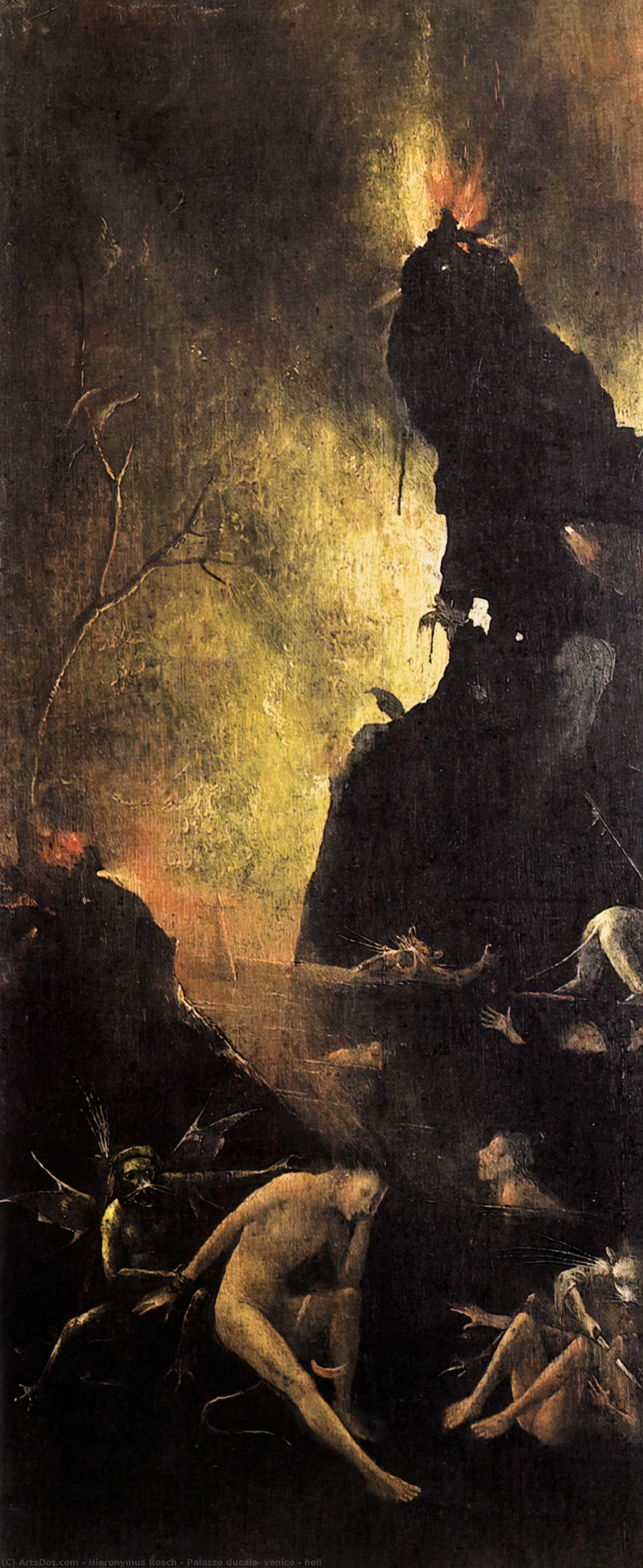
Hieronymus Bosch's 'Palazzo Ducale, Venice – Hell,' a haunting black and white depiction of torment and moral decay, stands as one of the artist’s most profoundly unsettling masterpieces. Created around 1490 and currently residing within the Palazzo Ducale in Venice, this painting isn’t merely a visual representation of hell; it's an immersive psychological journey into the depths of human sin and consequence. Bosch, a master of the Early Netherlandish school, possessed a singular ability to fuse religious allegory with fantastical imagery, creating works that continue to provoke contemplation centuries later. The scene unfolds as a chaotic panorama – a swirling vortex of figures caught in various states of suffering, from agonizing falls to grotesque displays of punishment. It’s a world both terrifying and strangely compelling, demanding the viewer confront uncomfortable truths about human nature.
The composition itself is meticulously crafted to amplify the sense of dread. A multitude of individuals – at least thirteen are discernible – populate the scene, arranged in a dynamic, almost claustrophobic space. Some writhe in despair, seemingly falling into an abyss; others stand frozen in horrified recognition. Noticeable details include two birds perched high on the left, perhaps symbolizing fleeting freedom or the soul’s yearning for salvation, and a dog positioned prominently on the right – often interpreted as representing loyalty, but here potentially signifying protection from the horrors surrounding it. The stark contrast of light and shadow, achieved through Bosch's masterful use of monochrome, intensifies the drama and draws the eye across the intricate details of this nightmarish landscape.
Symbolism Woven into a Twisted Reality
Bosch’s work is renowned for its dense layers of symbolism, requiring careful interpretation to unlock its full meaning. ‘Palazzo Ducale, Venice – Hell’ is no exception. The figures themselves are not simply representations of sinners; they embody specific vices and moral failings. The various instruments of torture—rivers of fire, impaling spikes, grotesque demons—are potent symbols of the punishments awaiting those who stray from the righteous path. Consider the numerous animals: alongside the birds and dog, there’s a striking presence of fish, often associated with temptation and worldly desires. The overall effect is less about literal damnation and more about illustrating the inescapable consequences of unchecked indulgence and moral corruption. It's a visual sermon on the perils of earthly pleasures and the importance of spiritual vigilance.
Contextualizing the Vision: Bosch’s Religious Beliefs and Venetian Influence
Bosch’s depiction of hell is deeply rooted in his religious beliefs, informed by both Christian theology and contemporary anxieties about sin and redemption. He was a devout follower of the Catholic Church, yet his art frequently challenged conventional interpretations of morality. The painting reflects the prevailing societal norms of his time – a period marked by intense religious fervor and a preoccupation with mortality. Interestingly, ‘Palazzo Ducale, Venice – Hell’ is part of a larger series, 'Paradise, Terrestrial Paradise,' housed within the very same Palazzo Ducale in Venice. This juxtaposition—the depiction of hell immediately adjacent to paradise—highlights Bosch's exploration of the delicate balance between virtue and vice, salvation and damnation. The Venetian setting itself adds another layer of complexity, reflecting the city’s rich history as a center of trade, art, and religious patronage.
Artistic Technique and Lasting Legacy
Bosch's distinctive style is immediately recognizable through his meticulous attention to detail and his innovative use of black and white. He employed a technique known as ‘grisaille,’ creating a dramatic sense of depth and texture through subtle gradations of tone. The painting’s composition, with its complex network of figures and symbolic elements, demonstrates Bosch's exceptional skill in rendering human anatomy and conveying emotional intensity. His work has profoundly influenced generations of artists, from Pieter Bruegel the Elder to Surrealist painters like Salvador Dalí. ‘Palazzo Ducale, Venice – Hell’ remains a testament to Bosch’s genius—a hauntingly beautiful and deeply unsettling exploration of the darkest corners of the human soul. For those seeking a high-quality reproduction, OriginalUniqueArt offers stunning hand-painted versions of this iconic masterpiece, allowing you to bring this extraordinary vision into your own space.
O artyście
A Netherlandish Enigma: The Life and Art of Hieronymus Bosch
Born around 1450 in the vibrant, bustling town of ’s-Hertogenbosch in the Netherlands—then part of Brabant—Hieronymus Bosch, originally Jheronimus van Aken, remains one of art history’s most compelling and mysterious figures. His world was steeped in late medieval religious fervor, folklore, and a growing sense of societal unease, all of which would profoundly shape his uniquely unsettling artistic vision. Coming from a family with a long tradition of painting—his grandfather, Jan van Aken, and father, Anthonius van Aken, were both artists—Bosch likely received his earliest training within the family workshop, absorbing the techniques and conventions of Netherlandish painting. However, even in his formative years, he began to diverge from established norms, hinting at the extraordinary imagination that would define his career. Biographical details are frustratingly scarce; records are fragmented, leaving much open to speculation and interpretation, adding to the aura of mystique surrounding both the man and his work. He married Aleyt Goyaerts van den Meerveen sometime before 1481, a union that provided him with some financial security through her family’s holdings, but little else is known about their personal life.Fantastical Visions and Symbolic Depths
Bosch's artistic style is instantly recognizable—a captivating blend of meticulous detail and wildly imaginative imagery. He primarily worked with oil on oak panels, demonstrating a masterful command of the medium, achieving luminous colors and intricate textures. While his early works show influences from traditional Netherlandish painting, particularly in their realism and attention to detail, he quickly moved beyond mere imitation, developing a profoundly original vision. His paintings are not simply representations of reality; they are allegorical landscapes populated by bizarre creatures, hybrid beings, and unsettling scenes that seem plucked from dreams—or nightmares. Religious themes form the core of much of his work, but these are rarely straightforward depictions of biblical stories. Instead, Bosch uses symbolism to explore complex moral and theological concepts, often focusing on the dangers of sin, the fragility of earthly pleasures, and the inevitability of divine judgment. His creatures—grotesque demons, fantastical animals, and strangely human figures—are not merely decorative elements; they are embodiments of vice, temptation, and spiritual corruption. The blending of the sacred and the profane, the beautiful and the grotesque, creates a uniquely unsettling effect that continues to captivate viewers centuries later.Masterpieces of Moral Allegory
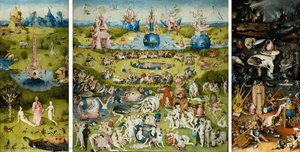
Among Bosch’s most celebrated achievements is The Garden of Earthly Delights (c. 1490-1510), a triptych that remains one of the most enigmatic and debated works in art history. When opened, it presents a panoramic vision of paradise, earthly life, and hell—a complex allegorical representation of humanity’s fall from grace. The left panel depicts the Garden of Eden, teeming with fantastical creatures and lush vegetation; the central panel portrays a world consumed by sensual pleasure and unrestrained desire; and the right panel offers a terrifying glimpse into the torments of hell. The Triptych of the Last Judgement (c. 1480-1490) is another powerful example of his skill in portraying both heavenly bliss and infernal torment, while The Ascent of the Blessed (c. 1480-1490) demonstrates his ability to create ethereal and dreamlike scenes. Even smaller works like Epiphany (c. 1495) showcase his innovative use of oil on wood and complex symbolism, revealing a mind constantly grappling with profound questions about faith, morality, and the human condition.Influences and Artistic Development
Identifying Bosch’s direct influences is a challenging task, given the originality of his vision. Scholars suggest possible connections to medieval folklore, religious texts—particularly those emphasizing apocalyptic themes—and the prevailing anxieties of the time, including fears of heresy and social upheaval. However, it's clear that he synthesized these elements into something entirely new and uniquely his own. His work evolved over time, moving from more conventional Netherlandish styles towards a highly personalized and symbolic approach. Early works show influences from artists like Rogier van der Weyden and Robert Campin, but as Bosch matured, he developed a distinctive style characterized by its meticulous detail, bizarre imagery, and unsettling atmosphere. The influence of the late Gothic tradition is evident in his use of perspective and his depiction of crowded scenes, while the emerging Renaissance interest in humanism can be seen in his exploration of moral themes and his portrayal of human figures—though often distorted and grotesque.Legacy and Enduring Influence
Identifying Bosch’s direct influences is a challenging task, given the originality of his vision. Scholars suggest possible connections to medieval folklore, religious texts—particularly those emphasizing apocalyptic themes—and the prevailing anxieties of the time, including fears of heresy and social upheaval. However, it's clear that he synthesized these elements into something entirely new and uniquely his own. His impact on subsequent artists is undeniable. Pieter Bruegel the Elder directly followed in his footsteps, adopting similar themes and compositional techniques, while later movements, such as Surrealism, also drew inspiration from Bosch’s dreamlike imagery and exploration of the subconscious. Artists like Salvador Dalí and Max Ernst openly acknowledged their debt to his unsettling visions. Even today, Bosch's work continues to fascinate and provoke debate, solidifying his place as a master of Netherlandish painting and a visionary artist whose influence extends far beyond his own time. His paintings offer valuable insights into the religious, social, and psychological climate of the late 15th and early 16th centuries, challenging conventional norms and paving the way for new forms of artistic expression. He died in 1516, leaving behind a body of work that continues to haunt and inspire, ensuring his enduring legacy as one of art history’s most singular and unforgettable voices.
Hieronim Bosch
1450 - 1516 , Holandia
Krótka nota
- Artistic Movement Or Style: Surrealizm, Symbolizm
- Artists Or Movements Influenced By This Artist: ['Pieter Bruegel']
- Date Of Birth: c. 1450
- Date Of Death: 1516
- Full Name: Hieronymus Bosch
- Nationality: Holenderski
- Notable Artworks:
- Ogród Radości Zbawicielskiej
- Apokalipsa
- Wędrowiec
- Place Of Birth: Den Bosch, Holandia
Powiązane artykuły
Hieronymus Bosch: 25 Arcydzieł Mistrza Niderlandzkiego Renesansu | OriginalUniqueArt
Odkryj 25 arcydzieł Hieronymusa Boscha – mistrza niderlandzkiego renesansu! Poznaj fascynujące historie, symbolikę i techniki malarskie tego niezwykłego artysty. Reprodukcje obrazów najwyższej jakości na OriginalUniqueArt.com. Eksploruj pełną kolekcję online!
Hieronymus Bosch: Decoding the Visions of a Netherlandish Master
Explore the captivating world of Hieronymus Bosch! Delve into the symbolism, religious context, and artistic innovation of this Netherlandish master with OriginalUniqueArt's expert analysis. Discover his iconic paintings & lasting influence.
25 Arcydzieł Prado: Historia Sztuki i Inspiracje do Twojego Domu | OriginalUniqueArt
Odkryj 25 arcydzieł Museo del Prado! Poznaj historię Velázquez, Goyi i El Greco. Inspiracje wnętrzarskie z klasycznymi obrazami baroku i renesansu. Reprodukcje najwyższej jakości na OriginalUniqueArt.com – sztuka dla Twojego domu.
25 Arcydzieł Staatliche Museen w Berlinie: Historia Sztuki dla Twojego Domu
Odkryj 25 arcydzieł Staatliche Museen w Berlinie! Poznaj historie Nefertiti, Pergamonu i innych ikonicznych dzieł. Reprodukcje obrazów najwyższej jakości na OriginalUniqueArt.com – inspiracje dla Twojego wnętrza.
Giulio Romano: A Master of Mannerism & the Palazzo Te Legacy
Explore the revolutionary art of Giulio Romano, master of Mannerism & architect of Palazzo Te. Discover his influence, investment potential, and stunning frescoes – a guide for discerning collectors.