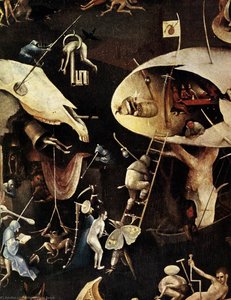
Zobacz w skali 1:1
 Wyślij
 Udostępnij
 Szczegóły
 Przewodnik

 Pobierz plik obrazu
 Podobne obiekty
 RTG
RTG Pokaz slajdów
 Statystyki
Grupa Męskich Postaci
 Akryl na płótnie
- Sztuka ścienna
- Renesans Północny
 Późne średniowiecze
 124.0 x 126.0 cm
 Biblioteka i Muzeum Pierpont Morgana
 Czytaj więcej
Ręcznie malowana reprodukcja olejowa
Ręcznie malowany obraz olejny na płótnie, wykonany na zamówienie przez naszych artystów w wybranym przez Ciebie wymiarze i oprawie. ( Przełącz na wersję drukowaną Przełącz na wersję cyfrową)




P118B zł10

P118H zł10

P118W zł10

P438Z zł10

P508JH zł12

P508YH zł12

P805H zł10

P805Z zł10

P919BZ zł10

P919G zł10

P919XJ zł10

P959ZH zł10

P968JZ zł12

W106C zł8

W218G zł10

W218JH zł8

W218Y zł10

W307PJ zł10

W316G zł10

W316PJ zł8

W316Y zł10

W398PJ zł8

W4111J zł10

W500HY zł15

W500JH zł15

W692G zł12

W849H zł8

W940BG zł15

W953PJ zł8




Wybierz spośród naszych standardowych rozmiarów, które zachowują oryginalne proporcje dzieła sztuki.

Wpisz wymaganą szerokość i wysokość, aby obraz pasował do Twojej ramy lub ściany. Ponieważ jest to dzieło malowane ręcznie, w przypadku rozmiaru o innym proporcji artysta może domalować nieco więcej wokół obrazu lub przyciąć fragmenty — wybór należy do Ciebie. Przed rozpoczęciem pracy prześlemy Ci cyfrową wizualizację do zatwierdzenia. Obraz widoczny na tej stronie nie przedstawia rzeczywistego efektu — jedynie wizualizacja oddaje realny rezultat.
Po złożeniu zamówienia zespół OriginalUniqueArt.com skontaktuje się z klientem drogą mailową w celu uzyskania instrukcji i prześle wizualizację projektu
Dostawa na całym świecie () w ciągu 3–4 tygodni zamiast standardowych 5 tygodni. (24 Październik). Bez kompromisów w kwestii jakości.

Bezpłatna ekspresowa wysyłka na cały świat

Wysokiej jakości płótno lniane

Pełne ubezpieczenie transportowe

Gwarancja zwrotu należności celnych i podatków importowych

Gwarancja idealnego odwzorowania barw

100-dniowy okres na zwrot dzieła w przypadku wykrycia wad produkcyjnych

Gwarancja 100% zwrotu pieniędzy

Oferta przy zakupie wielu sztuk
 Opcja ze szkłem jest dostępna wyłącznie w rozmiarach poniżej 110 cm

Grupa Męskich Postaci
Technika wykonania
Rozmiar reprodukcji
-


Suma do zapłaty
zł 2302
A Gathering of Souls: Decoding Hieronymus Bosch’s “Group of Male Figures”
Hieronymus Bosch remains an enigma, a master whose fantastical visions continue to haunt and fascinate centuries after their creation. While celebrated for the sprawling complexity of triptychs like The Garden of Earthly Delights, his drawings offer intimate glimpses into the artist’s creative process and symbolic world. “Group of Male Figures,” rendered in delicate pen and ink, is a compelling example of this—a study that transcends mere preparatory work to become a powerful statement on societal order, spiritual direction, and the human condition itself.
The artwork presents a line of at least thirteen men, clad in what appears to be medieval attire. Their close proximity suggests unity or perhaps enforced conformity, while their slightly off-center arrangement introduces a subtle tension. The figure pointing forward on the right immediately draws the eye, acting as a potential leader or guide—a beacon directing the group towards an unseen destination. Bosch’s masterful use of line is central to the drawing's impact. Fine, meticulous strokes define each garment, facial feature, and accessory, creating a rich texture despite the monochrome palette. The hatching and cross-hatching techniques aren’t simply descriptive; they build volume and depth, lending weight and presence to each figure. The limited perspective flattens the composition somewhat, focusing attention on the individuals themselves rather than spatial relationships—emphasizing their collective identity.
Historical Context & Artistic Influences
Bosch lived during a period of profound religious upheaval and social change in the Netherlands. The late medieval era was marked by anxieties surrounding mortality, sin, and salvation—themes that permeate his entire oeuvre. This drawing reflects the broader artistic currents of its time, aligning with the burgeoning interest in naturalism alongside the pervasive influence of scholastic theology. Bosch’s predecessors had explored similar themes of moral allegory and psychological complexity, establishing a tradition of unsettling imagery that would inspire subsequent artists.
Technique & Stylistic Considerations
The artwork demonstrates a detailed drawing style characteristic of Hieronymus Bosch. The technique involves meticulous line work—a hallmark of Northern Renaissance art—characterized by exceptional precision and attention to detail. Bosch’s use of hatching and cross-hatching creates tonal variations that convey depth and volume, transforming the monochrome palette into an illusionistic landscape. This masterful manipulation of light and shadow contributes significantly to the drawing's expressive power.
Symbolism & Emotional Resonance
The pointing figure on the right is particularly laden with meaning. Is he leading the group towards salvation, or perhaps towards damnation? The solemn expressions of the other men offer no easy answers. Bosch’s art often serves as a moralizing allegory, and it's plausible that this drawing reflects on the responsibilities of leadership and the dangers of blindly following authority. It is important to note Bosch’s work frequently explores the duality of human nature—the tension between earthly desires and spiritual aspirations. “Group of Male Figures,” though seemingly straightforward in its depiction of a group of men, likely carries within it echoes of these deeper philosophical concerns.
A Legacy of Influence
Hieronymus Bosch's influence on subsequent generations of artists is undeniable. His unique vision—characterized by grotesque imagery, complex symbolism, and psychological depth—resonated with later masters like Pieter Bruegel the Elder and continues to inspire contemporary artists today. “Group of Male Figures,” while a relatively small-scale work, encapsulates the essence of Bosch’s genius: his ability to transform seemingly simple subjects into profound meditations on the human condition. A reproduction of this drawing offers not only a beautiful addition to any art collection but also a window into the mind of one of history's most enigmatic and compelling artists.
Pytania i odpowiedzi
Który kolor najbardziej wyróżnia się w "Grupa Męskich Postaci"?
Dominującym kolorem dzieła „Grupa Męskich Postaci” autorstwa Hieronim Bosch jest Beż szary (#d5d5d5).
W jaki sposób nurt i epoka przenikają się w „Grupa Męskich Postaci” autorstwa Hieronim Bosch?
W „Grupa Męskich Postaci” autorstwa Hieronim Bosch nurt Renesans Północny łączy się z epoką Renesans.
Czy mogę zobaczyć obraz „Grupa Męskich Postaci” autorstwa Hieronim Bosch w widoku rentgenowskim?
Widok rentgenowski dzieła „Grupa Męskich Postaci” autorstwa Hieronim Bosch znajduje się na stronie Prześwietlenie utworu: to interaktywna analiza obrazu poprzez jedenaście warstw optycznych.
Biografia artysty
A Netherlandish Enigma: The Life and Art of Hieronymus Bosch
Born around 1450 in the vibrant, bustling town of ’s-Hertogenbosch in the Netherlands—then part of Brabant—Hieronymus Bosch, originally Jheronimus van Aken, remains one of art history’s most compelling and mysterious figures. His world was steeped in late medieval religious fervor, folklore, and a growing sense of societal unease, all of which would profoundly shape his uniquely unsettling artistic vision. Coming from a family with a long tradition of painting—his grandfather, Jan van Aken, and father, Anthonius van Aken, were both artists—Bosch likely received his earliest training within the family workshop, absorbing the techniques and conventions of Netherlandish painting. However, even in his formative years, he began to diverge from established norms, hinting at the extraordinary imagination that would define his career. Biographical details are frustratingly scarce; records are fragmented, leaving much open to speculation and interpretation, adding to the aura of mystique surrounding both the man and his work. He married Aleyt Goyaerts van den Meerveen sometime before 1481, a union that provided him with some financial security through her family’s holdings, but little else is known about their personal life.Fantastical Visions and Symbolic Depths
Bosch's artistic style is instantly recognizable—a captivating blend of meticulous detail and wildly imaginative imagery. He primarily worked with oil on oak panels, demonstrating a masterful command of the medium, achieving luminous colors and intricate textures. While his early works show influences from traditional Netherlandish painting, particularly in their realism and attention to detail, he quickly moved beyond mere imitation, developing a profoundly original vision. His paintings are not simply representations of reality; they are allegorical landscapes populated by bizarre creatures, hybrid beings, and unsettling scenes that seem plucked from dreams—or nightmares. Religious themes form the core of much of his work, but these are rarely straightforward depictions of biblical stories. Instead, Bosch uses symbolism to explore complex moral and theological concepts, often focusing on the dangers of sin, the fragility of earthly pleasures, and the inevitability of divine judgment. His creatures—grotesque demons, fantastical animals, and strangely human figures—are not merely decorative elements; they are embodiments of vice, temptation, and spiritual corruption. The blending of the sacred and the profane, the beautiful and the grotesque, creates a uniquely unsettling effect that continues to captivate viewers centuries later.Masterpieces of Moral Allegory
Among Bosch’s most celebrated achievements is The Garden of Earthly Delights (c. 1490-1510), a triptych that remains one of the most enigmatic and debated works in art history. When opened, it presents a panoramic vision of paradise, earthly life, and hell—a complex allegorical representation of humanity’s fall from grace. The left panel depicts the Garden of Eden, teeming with fantastical creatures and lush vegetation; the central panel portrays a world consumed by sensual pleasure and unrestrained desire; and the right panel offers a terrifying glimpse into the torments of hell. The Triptych of the Last Judgement (c. 1480-1490) is another powerful example of his skill in portraying both heavenly bliss and infernal torment, while The Ascent of the Blessed (c. 1480-1490) demonstrates his ability to create ethereal and dreamlike scenes. Even smaller works like Epiphany (c. 1495) showcase his innovative use of oil on wood and complex symbolism, revealing a mind constantly grappling with profound questions about faith, morality, and the human condition.Influences and Artistic Development
Identifying Bosch’s direct influences is a challenging task, given the originality of his vision. Scholars suggest possible connections to medieval folklore, religious texts—particularly those emphasizing apocalyptic themes—and the prevailing anxieties of the time, including fears of heresy and social upheaval. However, it's clear that he synthesized these elements into something entirely new and uniquely his own. His work evolved over time, moving from more conventional Netherlandish styles towards a highly personalized and symbolic approach. Early works show influences from artists like Rogier van der Weyden and Robert Campin, but as Bosch matured, he developed a distinctive style characterized by its meticulous detail, bizarre imagery, and unsettling atmosphere. The influence of the late Gothic tradition is evident in his use of perspective and his depiction of crowded scenes, while the emerging Renaissance interest in humanism can be seen in his exploration of moral themes and his portrayal of human figures—though often distorted and grotesque.Legacy and Enduring Influence
Identifying Bosch’s direct influences is a challenging task, given the originality of his vision. Scholars suggest possible connections to medieval folklore, religious texts—particularly those emphasizing apocalyptic themes—and the prevailing anxieties of the time, including fears of heresy and social upheaval. However, it's clear that he synthesized these elements into something entirely new and uniquely his own. His impact on subsequent artists is undeniable. Pieter Bruegel the Elder directly followed in his footsteps, adopting similar themes and compositional techniques, while later movements, such as Surrealism, also drew inspiration from Bosch’s dreamlike imagery and exploration of the subconscious. Artists like Salvador Dalí and Max Ernst openly acknowledged their debt to his unsettling visions. Even today, Bosch's work continues to fascinate and provoke debate, solidifying his place as a master of Netherlandish painting and a visionary artist whose influence extends far beyond his own time. His paintings offer valuable insights into the religious, social, and psychological climate of the late 15th and early 16th centuries, challenging conventional norms and paving the way for new forms of artistic expression. He died in 1516, leaving behind a body of work that continues to haunt and inspire, ensuring his enduring legacy as one of art history’s most singular and unforgettable voices.
Hieronim Bosch
1450 - 1516 , Holandia
Najważniejsze informacje
- Artistic Movement Or Style: Surrealizm, Symbolizm
- Artists Or Movements Influenced By This Artist: ['Pieter Bruegel']
- Date Of Birth: c. 1450
- Date Of Death: 1516
- Full Name: Hieronymus Bosch
- Nationality: Holenderski
- Notable Artworks:
- Ogród Radości Zbawicielskiej
- Apokalipsa
- Wędrowiec
- Place Of Birth: Den Bosch, Holandia
Zobacz także powiązane artykuły

High Medieval Art: 10 Masterpieces That Shaped an Era | OriginalUniqueArt
Journey through High Medieval Art! Explore 10 iconic masterpieces – from Giotto's frescoes to stunning Gothic cathedrals. Discover the stories behind these timeless paintings, sculptures & illuminated manuscripts. Find museum-quality art reproductions at OriginalUniqueArt.com.
Hieronymus Bosch: Decoding the Visions of a Netherlandish Master
Explore the captivating world of Hieronymus Bosch! Delve into the symbolism, religious context, and artistic innovation of this Netherlandish master with OriginalUniqueArt's expert analysis. Discover his iconic paintings & lasting influence.
The Alchemy of Ink: Mastering the Timeless Beauty and Art History of Paper and Brush
Embark on a sophisticated exploration of ink wash painting and Sumi-e. Uncover the profound historical lineages, Zen philosophies, and technical mastery behind this timeless medium in our authoritative guide for fine art enthusiasts.
Hieronymus Bosch: 25 Arcydzieł Mistrza Niderlandzkiego Renesansu | OriginalUniqueArt
Odkryj 25 arcydzieł Hieronymusa Boscha – mistrza niderlandzkiego renesansu! Poznaj fascynujące historie, symbolikę i techniki malarskie tego niezwykłego artysty. Reprodukcje obrazów najwyższej jakości na OriginalUniqueArt.com. Eksploruj pełną kolekcję online!
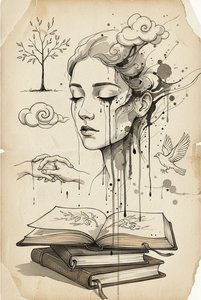
Ephemeral Lines: Exploring Emotional Resonance in Ink Sketching Traditions
Explore the profound art of ink sketching! Discover techniques to express emotion, master line work, and cultivate artistic sensitivity. Learn from historical masters & unlock your creative potential.