
 Podgląd w skali 1:1
 Wyślij jako kartkę
 Udostępnij
 Szczegóły dzieła
 Przewodnik

 Pobierz obraz
 Podobne obiekty
 RTG
RTG Pokaz slajdów
 Pytania i odpowiedzi
 Statystyki
Ecce Homo

- 60.0 x 71.0 cm


 Rozwiń treść
Giclée / Wydruk artystyczny
Wydruki giclée lub płótna o jakości muzealnej, szybka realizacja i szeroki wybór opcji wykończenia. ( Zamów ręcznie malowaną reprodukcję Przejdź do wersji cyfrowej)




P118B zł10

P118H zł10

P118W zł10

P438Z zł10

P508JH zł12

P508YH zł12

P805H zł10

P805Z zł10

P919BZ zł10

P919G zł10

P919XJ zł10

P959ZH zł10

P968JZ zł12

W106C zł8

W218G zł10

W218JH zł8

W218Y zł10

W307PJ zł10

W316G zł10

W316PJ zł8

W316Y zł10

W398PJ zł8

W4111J zł10

W500HY zł15

W500JH zł15

W692G zł12

W849H zł8

W940BG zł15

W953PJ zł8




Wybierz spośród naszych standardowych rozmiarów, które zachowują oryginalne proporcje dzieła sztuki.

Wpisz wymaganą szerokość i wysokość, aby dopasować grafikę do ramy lub ściany. Wydruk można jedynie przyciąć, nigdy nie powiększając go poza oryginalny obraz, dlatego format o innych proporcjach spowoduje utratę części kompozycji. Przed rozpoczęciem druku prześlemy Ci cyfrowy podgląd do zatwierdzenia. Obraz wyświetlany na tej stronie nie pokazuje rzeczywistego przycięcia — jedynie podgląd oddaje ten efekt.
Dostawa na cały świat () w ciągu 2 tygodni zamiast standardowych 4/5 tygodni. (11 Listopad)

Bezpłatna ekspresowa wysyłka na cały świat

Wysokiej jakości płótno lniane

Pełne ubezpieczenie przesyłki

Gwarancja zwrotu należności celnych i podatków importowych

Gwarancja wiernego odwzorowania kolorów

100-dniowa polityka zwrotów (tylko w przypadku wad)

Gwarancja 100% zwrotu pieniędzy

Zniżka przy zakupie wielu sztuk
 Opcja ze szkłem jest dostępna wyłącznie w rozmiarach poniżej 110 cm

Ecce Homo
Giclée / Wydruk artystyczny
Wymiary reprodukcji
-


Cena całkowita
zł 318
Hieronymus Bosch’s “Ecce Homo”: A Moment of Profound Humanity
The painting before us – Hieronymus Bosch’s “Ecce Homo,” created around 1490, is far more than a simple depiction of a biblical scene. It's a visceral exploration of human fallibility, spiritual torment, and the weighty consequences of power, rendered with Bosch’s signature blend of meticulous realism and unsettling symbolism. This work, housed within the Indianapolis Museum of Art, invites prolonged contemplation, drawing the viewer into a crowded tableau brimming with emotional intensity and layered meaning.
At its core, “Ecce Homo” portrays the pivotal moment described in John 19:5 – Pontius Pilate presenting a scourged Jesus Christ to a hostile crowd. Bosch doesn’t offer a straightforward historical account; instead, he constructs a dynamic composition designed to evoke a profound sense of unease and moral questioning. The scene unfolds within a meticulously rendered architectural setting—a towering doorway leading into a cityscape, symbolizing perhaps the transition between earthly suffering and the promise of salvation, or alternatively, the confines of worldly existence and temptation.
Subject & Narrative: A Collision of Worlds
The painting’s narrative is immediately arresting. Jesus, stripped bare and bearing the marks of his torment, is lowered by Nicodemus and John, figures who represent a glimmer of compassion amidst the surrounding chaos. Around him swirl a multitude of onlookers – Roman soldiers, grieving women, and ordinary citizens—each expressing a range of emotions: sorrow, suspicion, indifference, and even outright hostility. Bosch masterfully captures this diverse spectrum of human response, highlighting the complex moral landscape surrounding Christ’s trial and crucifixion. The sheer density of figures creates a claustrophobic atmosphere, intensifying the sense of drama and urgency.
Bosch's genius lies not just in depicting the scene itself, but in imbuing it with potent symbolism. The presence of the Roman soldiers underscores the political context—the authority of the empire complicit in Christ’s fate. The gestures of the onlookers – some pointing accusingly, others averted in shame – speak to the collective responsibility for his suffering. Even seemingly minor details, such as the animals present (a dog gnawing at a loaf of bread, a snake coiled around a column), contribute to the painting's rich symbolic tapestry, hinting at themes of corruption, betrayal, and divine judgment.
Style & Technique: The Alchemy of Detail
“Ecce Homo” is a prime example of Bosch’s distinctive artistic style—a captivating synthesis of realism and fantastical elements. Executed in oil on wood panel, the painting showcases his remarkable technical skill and meticulous attention to detail. Bosch's style is instantly recognizable for its blend of realism and fantastical elements. While grounded in observable reality – evident in the architectural setting and anatomical rendering of figures – a subtle undercurrent of unease permeates the scene, hinting at the artist’s broader concerns with human fallibility and spiritual struggle.
The technique involves layering glazes to build up color and form, creating a luminous effect and rich textures achieved through visible brushstrokes (impasto). Lines are used extensively to define forms, particularly in the drapery of the figures and the stonework of the architecture. The artist’s use of perspective is carefully considered, drawing the viewer into the crowded scene while maintaining a sense of spatial depth. The overall effect is one of intense realism combined with an otherworldly quality—a hallmark of Bosch's unique vision.
Historical Context & Emotional Impact: A Mirror to Humanity
Created around 1490, “Ecce Homo” reflects the religious fervor and social anxieties of late medieval Europe. The *Ecce Homo* motif – "Behold the Man" – was a common subject in Christian art, serving as a constant reminder of Christ’s sacrifice and the consequences of sin. However, Bosch transcends mere historical representation; he transforms this familiar image into a profound meditation on human nature. The painting doesn't simply depict suffering; it compels us to confront our own mortality, our capacity for cruelty, and the enduring need for redemption.
“Ecce Homo” evokes a complex range of emotions: sorrow, piety, contemplation, and even a sense of foreboding. It’s a work that demands engagement—a challenge to viewers to consider their place within the larger narrative of human history and faith. For collectors and interior designers, this painting offers more than just aesthetic appeal; it provides a powerful statement about humanity's capacity for both great good and profound evil.
For Collectors & Designers: A Timeless Masterpiece
- A striking focal point for any collection of Renaissance art.
- Its rich color palette and detailed composition complement both traditional and contemporary interiors.
- The painting’s profound emotional depth adds a layer of intellectual and spiritual resonance to any space.
- High-quality reproductions capture the nuances of Bosch's technique, making this masterpiece accessible for discerning art enthusiasts.
Photo Description: --Overall Impression-- The artwork is a detailed oil painting depicting the deposition of Christ after his crucifixion. It’s a narrative scene from Christian iconography, rendered in a realistic style characteristic of the Northern Renaissance. The composition is crowded and dynamic, with numerous figures tightly packed within a defined architectural space – a tower doorway leading to a city skyline. The central focus is on Jesus' body being lowered by Nicodemus and John, surrounded by grieving onlookers and soldiers. Lines are used extensively to define forms, particularly the drapery of the figures and the stonework of the architecture. Shapes are predominantly organic (human bodies) and geometric (building blocks). Textures appear rich and layered, achieved through impasto techniques – visible brushstrokes create a sense of depth and physicality. Lighting is dramatic, with strong contrasts between light and shadow emphasizing key figures and details. Perspective is employed to create a sense of recession into the city background, though it’s not entirely consistent due to the crowded composition. Depth is further enhanced by overlapping figures and varying levels of detail. The subject matter centers on a pivotal moment in Christian belief – the removal of Christ’s body from the cross. Symbolic elements include the grief of the onlookers, the presence of soldiers representing Roman authority, and the gestures of reverence shown by Nicodemus and John. Emotionally, the scene evokes sorrow, piety, contemplation, and even a sense of foreboding. The style is firmly rooted in Early Netherlandish painting, with meticulous detail, realistic representation, and a focus on narrative clarity. The technique involves layering glazes to build up color and form, creating a luminous effect.
Pytania i odpowiedzi
Co wyjaśnia sytuację prawną dotyczącą praw autorskich do „Ecce Homo” – Hieronim Bosch?
„Ecce Homo” – Hieronim Bosch jest należy do domeny publicznej – autorskie prawa majątkowe wygasły. Okres ochrony praw autorskich liczony jest od śmierci artysty, która nastąpiła w 1516.
Czy dzieło „Ecce Homo” – Hieronim Bosch jest jasne czy ciemne?
Postrzegana jasność dzieła „Ecce Homo” – Hieronim Bosch wynosi umiarkowana jasność. Można ją dopasować do oświetlenia w docelowym pomieszczeniu.
Do którego okresu twórczości Hieronim Bosch należy dzieło „Ecce Homo”?
W dorobku artystycznym Hieronim Bosch dzieło „Ecce Homo” przypada na Early Netherlandish. Ten etap pozwala zestawić je z innymi pracami twórcy.
Biografia artysty
Życie i tożsamość Hieronima Boscha
Imię Hieronymus Bosch należy do człowieka, który przyszedł na świat jako Jheronimus van Aken. Wyłania się on z historii Niderlandów około 1450 roku w mieście 's-Hertogenbosch. Był to czas intensywnego żarliwego religijnego uniesienia i społecznego niepokoju w Księstwie Brabancji. Był holenderskim malarzem, którego sama tożsamość pozostaje przedmiotem intensywnych badań. Dokumenty z tamtego okresu są fragmentaryczne, oferując jedynie przelotne spojrzenia na człowieka, który miał stać się wybitnym przedstawicielem wczesnoniderlandzkiej szkoły malarstwa.
Jego egzystencja była zakorzeniona w rodowodzie twórców. Urodził się w rodzinie o długiej tradycji malarskiej, co prawdopodobnie ukształtowało jego wczesne zrozumienie tego medium. Podczas gdy jego współcześni często skupiali się na tym, co pełne spokoju, Bosch skierował swój wzrok ku grotesce i symbolizmowi. Poruszał się w świecie, w którym granice między tym, co boskie, a tym, co demoniczne, zdawały się zacierać. Jego twórczość odzwierciedla lęki późnośredniowiecznej epoki, chwytając poczucie ludzkiej głupoty przez wysoce indywidualistyczny pryzmat.
Wczesne lata, rodzina i kształcenie
Korzenie tożsamości artysty są głęboko zakorzenione w samej architekturze 's-Hertogenbosch. Rodzi się on w domu swojego dziadka, w budowli nierozerwalnie związanej z linią twórców. Jego dziadek, Jan van Aken, był malarzem, który odszedł w 1454 roku. Ta rodzinna więź z rzemiosłem nie jest jedynie przypadkowa; stanowi ona fundament jego przyszłości. Jego ojciec, Anthonius van Aken, kontynuuje tę tradycję, pracując zarówno jako malarz, jak i doradca artystyczny. Środowisko warsztatowe staje się jego pierwszą klasą – przestrzenią, w której techniczne konwencje malarstwa niderlandzkiego są przyswajane poprzez codzienną praktykę i uważną obserwację.
Edukacja rozpoczyna się wewnątrz tego rodzinnego warsztatu. Pod okiem krewnych uczy się dyscypliny panującej w tym medium, chłonąc metody swoich poprzedników. Przejście ze statusu ucznia w rodzinnym studiu do roli uznanej postaci w rejestrach miejskich następuje w 1474 roku. Jest to pierwszy moment, w którym jego nazwisko pojawia się w oficjalnych dokumentach 's-Hertogenbosch. Przechodzi on ze sfery prywatnej, jaką jest rodzinny warsztat, do publicznej historii miasta – krok, który wyznacza jego wyłonienie się jako odrębnej jednostki na zawodowej mapie Księstwa Brabancji.
Małżeństwo i status społeczny
Stabilizacja życia osobistego, jaką cieszył się Hieronim Bosch, nastąpiła w latach między 1479 a 1481 rokiem. Jego małżeństwo z Aleyt Goyaerts van den Meervenne było związkiem niosącym ze sobą znacznie więcej niż tylko towarzystwo. Dzięki majątkom jej rodziny, Aleyt zapewniła mężowi fundament finansowego bezpieczeństwa, zakotwiczając artystę w lokalnej gospodarce. Z czasem małżonkowie przeprowadzili się do pobliskiego miasteczka Oirschot, co stanowiło wyraźne odejście od zgiełku miejsca jego narodzin.
W sferze społecznej Bosch poruszał się w wpływowych kręgach regionu Brabancji. W 1486 lub 1487 roku wstąpił do Szlachetnego Bractwa Naszej Pani. Przynależność do tej niezwykle szanowanej konfraterni religijnej wprowadziła go w szeregi wpływowych obywateli 's-Hertogenbosch. To powiązanie zapewniło mu uporządkowaną więź z życiem religijnym i obywatelskim wspólnoty, utwierdzając jego pozycję jako uznanej postaci w lokalnej hierarchii społecznej.
Technika i styl artystyczny
Hieronim Bosch tworzył przede wszystkim na dębowych panelach, wykorzystując mistrzowskie techniki olejowe niderlandzkiej tradycji. Nie dążył on jednak do uzyskania gładkiej, niemal niewidocznej powierzchni, którą tak cenili wielu jego współczesnych. Zamiast tego, sposób nakładania farby często pozostawiał chropowatą strukturę – tę namacalną jakość, która nadaje ciężar jego osobliwym tematom. Dzięki precyzyjnemu zastosowaniu laserunku, polegającego na nakładaniu cienkich, półprzezroczystych warstw koloru, artysta osiągał wrażenie świetlistej głębi i misternej tekstury. Ta techniczna biegłość pozwala na uzyskanie uderzającej jasności nawet w najbardziej chaotycznych kompozycjach.
Jego język wizualny opiera się na fuzji skrupulatnego detalu i niesłychanie fantazyjnych obrazów. Krajobrazy wypełnia hybrydalnymi istotami, groteskowymi demonami i dziwnymi, anatomicznymi deformacjami, które rzucają wyzwanie percepcji rzeczywistości przez widza. Postacie te nie są jedynie dekoracją; pełnią one funkcję symboli występku i duchowego zepsucia. Napięcie między precyzyjnym, realistycznym oddaniem tekstur a surrealistyczną naturą tematów buduje głębokie poczucie niepokoju. Bosch ukazuje kondycję ludzką przez pryzmat intensywnego rygoru moralnego, w którym każde stworzenie niesie ze sobą potężny ciężar teologiczny.
Kluczowe dzieła i arcydzieła
Nasze spojrzenie nieuchronnie kieruje się ku tryptykowi znanemu jako Ogród rozkoszy ziemskich. Pozostaje on jego najsłynniejszym dziełem, stanowiąc złożony, wizualny labirynt. Lewy panel ukazuje Rajski Ogród, tętniący życiem i obfitością. Panel środkowy przedstawia świat pochłonięty zmysłową przyjemnością i niepohamowanym pożądaniem, natomiast po prawej stronie rozwija się przerażająca wizja piekła. Dzieło to funkcjonuje jako panoramiczny obraz upadku ludzkości, prowadzący nas od raju aż po męki życia pozagrobowego.
W innych kompozycjach Hieronim Bosch zgłębia mechanizmy grzechu oraz chaos ludzkiej egzystencji. Siedem grzechów głównych, znajdujące się w madryckim Museo del Prado, analizuje moralne niepowodzenie poprzez uporządkowaną strukturę. Około 1500 roku artysta stworzył Statek głupców, dzieło uwieczniające ludzką nierozsądność. Jego niezwykła zdolność do przedstawiania groteski objawia się również w Pokusie św. Antoniego, jednym z jego najbardziej znaczących dokonań. Istotnym punktem w jego dorobku jest także Tryptyk wozowy, prezentujący świat uwięziony w nieustannym cyklu pokusy i sądu.
- Ogród rozkoszy ziemskich
- Siedem grzechów głównych
- Statek głupców
- Pokusa św. Antoniego
- Tryptyk wozowy
Dziedzictwo i nieprzemijający wpływ
Echa wizji, którą stworzył Hieronim Bosch, rozeszły się błyskawicznie przez XVI wiek, nieodwracalnie kształtując trajektorię sztuki północnej. Za jego najbardziej znaczącego następcę uznaje się Pietera Bruegla Starszego, który przejął i rozwinął złożone struktury kompozycyjne oraz moralizatorskie motywy, które pioniersko wprowadził Bosch. Ta linia artystycznej ekspresji nie zakończyła się jednak wraz z renesansem. Setki lat później surrealiści odnaleźli w jego twórczości swojego prekursora. Salvador Dalí i Max Ernst zwracali się ku jego płótnom, szukając wizualnego języka dla podświadomości, czerpiąc bezpośrednią inspirację z jego niezwykłej zdolności do przedstawiania niemożliwego z uderzającą jasnością.
Jego dzieła pozostają zdumiewająco nowoczesne pod względem wykonania. Artysta posiadał unikalną zdolność splatania groteski z pięknem, tworząc napięcie, które wydaje się współczesne nawet w erze cyfrowej. Ta dualność sprawia, że jego obrazy funkcjonują jako okna na religijny i społeczny klimat XV i XVI wieku. Dzięki jego pędzlowi lęki zmieniającego się świata zyskują fizyczną formę. Uchwycił on specyficzną epokę intensywnego rygoru moralnego i głębokich przemian społecznych, przekształcając koncepcje teologiczne w wizceralne, wizualne rzeczywistości, które nieustannie prowokują do debaty.
Gdzie dziś można podziwiać jego dzieła
Dziedzictwo, jakie pozostawił po sobie Hieronim Bosch, jest najsilniej zakorzenione w Madrycie. To właśnie w Museo del Prado znajduje się aż 55 jego dzieł, co pozwala na najbardziej wyczerpujący wgląd w jego unikalny język wizualny. Przemierzając te sale, można zetknąć się z przerażającymi detalami jego wizji piekła oraz złożonymi alegoriami moralnymi, które definiowały całą jego twórczość. Kolekcja ta obejmuje między innymi Tryptyk Adoracji Trzech Króli (ok. 1510) oraz Siedem grzechów głównych (ok. 1480).
W Lizbonie Museu Nacional de Arte Antiga przechowuje 18 prac, w tym Pokusę św. Antoniego (ok. 1506). Obecność jego ikonografii w Portugalii podkreśla ogromny zasięg jego wpływów w całej Europie. Tymczasem w Holandii Museum Boijmans Van Beuningen posiada 10 dzieł, w tym Włóczęgę (Syn marnotrawny) (ok. 1516). Te płótna stanowią bezpośredni łącznik z tradycją niderlandzką, z której wyrosł artysta.
Inne znaczące kolekcje są rozproszone po całym kontynencie. Akademia Sztuk Pięknych w Wiedniu posiada 8 prac, takich jak Dzieciątko Jezus z chodzikiem (ok. 1480). W Berlinie Staatliche Museen skrywa 7 dzieł. Aby w pełni pojąć ogrom jego twórczości, należy udać się w podróż między tymi kluczowymi ośrodkami muzealnymi.
- Ogród rozkoszy ziemskich (ok. 1504)
- Tryptyk wozowy (ok. 1504)
- Statek głupców (ok. 1500)
- Raj i piekło (ok. 1510)

Hieronim Bosch
1450 - 1516 , Holandia
Krótka nota
- Artistic Movement Or Style: Surrealizm, Symbolizm
- Artists Or Movements Influenced By This Artist: ['Pieter Bruegel']
- Date Of Birth: c. 1450
- Date Of Death: 1516
- Full Name: Hieronymus Bosch
- Nationality: Holenderski
- Notable Artworks:
- Ogród Radości Zbawicielskiej
- Apokalipsa
- Wędrowiec
- Place Of Birth: Den Bosch, Holandia
Powiązane artykuły

25 Arcydzieł Staatliche Museen w Berlinie: Historia Sztuki dla Twojego Domu
Odkryj 25 arcydzieł Staatliche Museen w Berlinie! Poznaj historie Nefertiti, Pergamonu i innych ikonicznych dzieł. Reprodukcje obrazów najwyższej jakości na OriginalUniqueArt.com – inspiracje dla Twojego wnętrza.

Świt Nowej Wizji: Kompleksowe Studium Ruchu Wczesnorenesansowego Niderlandów
Odkryj fascynujący świat renesansu niderlandzkiego! Kompleksowa analiza sztuki, humanizmu i technik malarskich XV wieku. Ekspercka wiedza dla miłośników historii sztuki.

Hieronymus Bosch: 25 Arcydzieł Mistrza Niderlandzkiego Renesansu | OriginalUniqueArt
Odkryj 25 arcydzieł Hieronymusa Boscha – mistrza niderlandzkiego renesansu! Poznaj fascynujące historie, symbolikę i techniki malarskie tego niezwykłego artysty. Reprodukcje obrazów najwyższej jakości na OriginalUniqueArt.com. Eksploruj pełną kolekcję online!
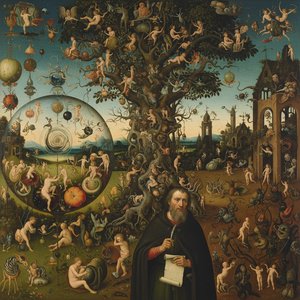
Hieronymus Bosch: Decoding the Visions of a Netherlandish Master
Explore the captivating world of Hieronymus Bosch! Delve into the symbolism, religious context, and artistic innovation of this Netherlandish master with OriginalUniqueArt's expert analysis. Discover his iconic paintings & lasting influence.

25 Arcydzieł Prado: Historia Sztuki i Inspiracje do Twojego Domu | OriginalUniqueArt
Odkryj 25 arcydzieł Museo del Prado! Poznaj historię Velázquez, Goyi i El Greco. Inspiracje wnętrzarskie z klasycznymi obrazami baroku i renesansu. Reprodukcje najwyższej jakości na OriginalUniqueArt.com – sztuka dla Twojego domu.


