- Strona główna

- Druk na płótnie
- Hejwood Hardi
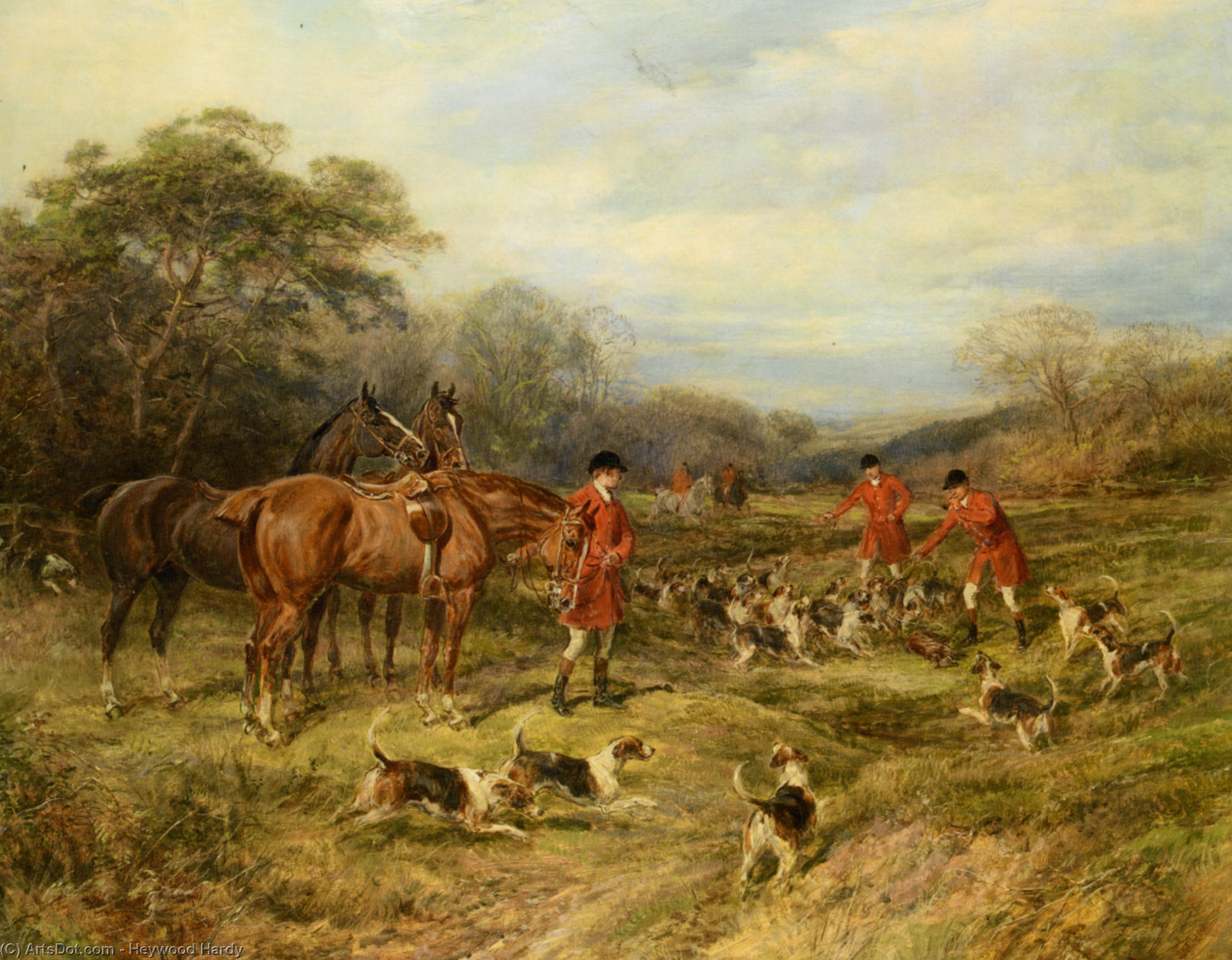
- The Kill
 Zamów reprodukcję Kup cyfrowy obraz
 Udostępnij
 Udostępnij
 Szczegóły dzieła
 Dodaj do ulubionych

 Pobierz
 Podobne obiekty
 RTG
RTG
 Pokaz slajdów
The Kill
 Rozwiń treść
Giclée / Wydruk artystyczny
Druk giclée lub płótno o jakości muzealnej z szybką realizacją i szerokim wyborem opcji wykończenia.




































Wybierz spośród naszych predefiniowanych rozmiarów, które zachowują oryginalne proporcje dzieła sztuki.

Możesz wprowadzić własne wymiary, aby dopasować dzieło do konkretnej ramy lub przestrzeni. Jeśli wybrany rozmiar nie będzie odpowiadał proporcjom oryginalnego obrazu, przytniecie dzieło lub rozszerzymy obraz za pomocą odbicia lustrzanego lub jednolitego wypełnienia krawędzi. Przed rozpoczęciem produkcji prześlemy cyfrową wizualizację do Twojej akceptacji.
Prosimy pamiętać, że podgląd na ekranie nie odzwierciedla faktycznego przycinania ani rozszerzania. Tylko wizualizacja dokładnie pokaże końcową kompozycję.
Mimo dostępności niestandardowych rozmiarów, zalecamy wybór wymiaru z listy zdefiniowanej, aby zachować oryginalne proporcje.
Dostawa na cały świat () w ciągu 2 tygodni zamiast standardowych 4/5 tygodni. (22 Lipiec)

Bezpłatna ekspresowa wysyłka na cały świat

Wysokiej jakości płótno lniane

Pełne ubezpieczenie przesyłki

Gwarancja zwrotu należności celnych

Gwarancja pełnego zgodności kolorystycznej

Polityka 60-dniowego zwrotu (tylko w przypadku wad)

Gwarancja 100% zwrotu pieniędzy

Zniżka przy większych zamówieniach
 Opcja szkła jest dostępna wyłącznie w rozmiarach poniżej 110 cm

The Kill
Giclée / Wydruk artystyczny
Wymiary reprodukcji
-


Cena całkowita
-
Biografia artysty
Heywood Hardy (1842–1933): A Master of Equestrian Art and Rural Landscapes
Heywood Hardy (1842 – 1933) stands as a prominent figure in Victorian British art, celebrated primarily for his captivating depictions of horses—particularly hunting scenes—and serene landscapes imbued with the spirit of rural England. Born November 25th, 1842, in Chichester, Sussex, Hardy’s artistic journey began within a family steeped in creative tradition; his father, James Hardy Senior, was a respected landscape artist and musician, fostering an environment where artistic pursuits were nurtured from childhood.
- Early Life & Family Background: Hardy descended from a lineage of artists stretching back centuries, with Gathorne Gathorne-Hardy, First Earl of Cranbrook, serving as his second cousin. This familial connection undoubtedly instilled in him an appreciation for artistic heritage and fostered a lifelong dedication to visual expression.
- Education & Departure From Home: Despite disagreements with his father regarding artistic ambitions, Hardy pursued formal training at the École des Beaux-Arts in Paris under Isidore Pils after leaving home at seventeen. This formative period exposed him to continental art trends and cemented his commitment to mastering artistic techniques.
Artistic Development & Style
Initially focused on landscapes—capturing the beauty of Sussex countryside with meticulous detail—Hardy swiftly transitioned to animal painting, establishing himself as a virtuoso in portraying horses and equestrian subjects. His fascination with equine anatomy and movement was evident in his remarkably realistic depictions, honed further by studies with Professor Alfred Henry Garrod on horse gait.
- Key Subjects: Hardy’s oeuvre encompassed iconic hunting scenes—often featuring dramatic compositions and dynamic figures—portraits of horses alongside their owners (including Lady Ida Sitwell), and evocative wildlife paintings showcasing lions and other animals.
- Technical Skill & Romantic Influence: Hardy skillfully blended realism with elements of Romanticism, creating artworks that conveyed both meticulous observation and emotional resonance. His style mirrored the prevailing artistic sensibilities of his time, reflecting a desire to capture grandeur and atmosphere.
Major Achievements & Recognition
Hardy’s unwavering dedication to his craft earned him considerable acclaim within the British art establishment. He consistently exhibited at the Royal Academy from 1864 onwards, garnering critical praise for his animal paintings—particularly a poignant commentary on his depiction of fighting lions as “daring and determined,” highlighting his artistic prowess.
- Royal Society Membership: Hardy was elected a Fellow of The Royal Society of Portrait Painters and The Royal Society of Painter-Etchers, demonstrating his stature within the art community and solidifying his legacy as a respected artist.
- Grand National Winners: He achieved particular renown for painting three winners of the Grand National steeplechase—a testament to his understanding of equestrian culture and his ability to capture the thrill of racing events.
Later Life & Legacy
Returning to East Preston, Sussex in 1909, Hardy devoted his final years to creating religious artworks for local churches—a poignant reflection of his personal faith and artistic sensibilities.
- Family Connections: His daughters Nina and Mabel Hardy continued the family’s artistic tradition, with Mabel marrying Charles Ormond Maugham—further intertwining the Hardy lineage with literary circles.
- Death & Burial: Heywood Hardy passed away January 20th, 1933, and was interred at Clymping Church, marking the end of a remarkable artistic life.
Heywood Hardy remains remembered as a significant Victorian animal painter—a master of capturing both the physicality of horses and the tranquility of rural landscapes. His artworks offer invaluable insights into equestrian culture during his era and stand as enduring symbols of British artistic excellence.

Hejwood Hardi
1842 - 1933 , Anglia
Kluczowe informacje
- Artistic Movement Or Style: Romanticizm
- Artists Or Movements Influenced By This Artist: ['Pielse']
- Artists Who Influenced This Artist:
- James Hardy Senior
- Alfred Henry Garrod
- Date Of Birth: 25 listopada 1842
- Date Of Death: 20 stycznia 1933
- Full Name: Heywood Hardy
- Nationality: Brytyjski
- Notable Artworks:
- Hunters and hounds off, Warwick Castle beyond
- Mr. F. Bibby's 'Glenside' with J. R. Anthony
- Place Of Birth: Chichester, Anglia

