
 Podgląd w skali
 Wyślij jako kartkę
 Udostępnij
 Szczegóły dzieła

 Pobierz
 Podobne obiekty
 RTG
RTG Pokaz slajdów
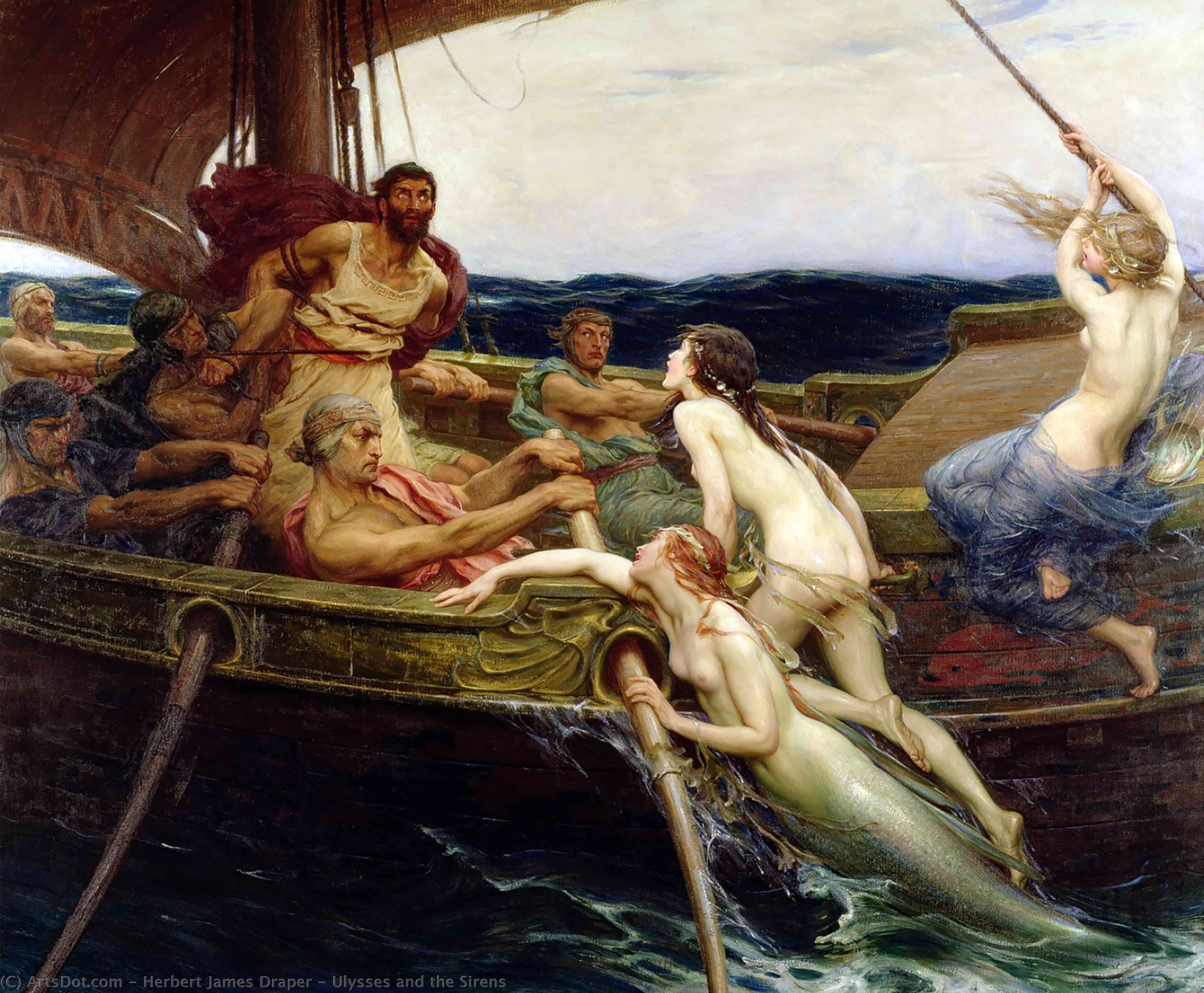
Ulysses and the Sirens
 Rozwiń treść
Kup wysokiej rozdzielczości, ulepszony obraz cyfrowy o znacznie wyższej jakości niż podgląd online.
Każdy plik jest starannie przygotowywany przez naszych specjalistów przy użyciu zaawansowanych narzędzi oraz profesjonalnej, ręcznej retuszy. Dbamy o to, aby każdy obraz cechował się wyjątkową ostrością, precyzyjnym odwzorowaniem kolorów i subtelnymi detalami.
Ostateczny plik dostarczany jest drogą mailową w ciągu 72 godzin, zoptymalizowany do natychmiastowego wykorzystania w profesjonalnych zastosowaniach redakcyjnych i poligraficznych. To ta sama jakość, której ufają czołowe studia projektowe, wydawnictwa oraz galerie sztuki.
Obraz cyfrowy
Pobierz plik o wysokiej rozdzielczości do osobistego wyświetlania, druku oraz projektów kreatywnych. ( Zamów wydruk Zamów ręcznie malowaną reprodukcję)
W każdym zamówieniu na obraz cyfrowy znajduje się
Profesjonalna dostawa cyfrowa z gwarancją
Wybierając OriginalUniqueArt.com, nie otrzymujesz jedynie obrazu – otrzymujesz profesjonalnie udoskonalone cyfrowe dzieło sztuki, stworzone z najwyższą precyzją i objęte gwarancją satysfakcji. Oto wszystko, co automatycznie dołączane jest do Twojego zamówienia:

Błyskawiczna wysyłka e-mailowa
Plik z obrazem cyfrowym w wysokiej rozdzielczości zostanie przesłany na Twój adres e-mail w ciągu 72 godzin od złożenia zamówienia – gotowy do natychmiastowego użycia.

Plik cyfrowy wzbogacony przez AI
Twoja grafika została profesjonalnie zoptymalizowana przy użyciu zaawansowanych narzędzi AI oraz ręcznej edycji, co zapewnia maksymalną szczegółowość, klarowność i wierność kolorów.

Dożywotnia darmowa ponowna dostawa
Przypadkowo usunąłeś lub zgubiłeś swój plik? Bez obaw – prześlemy go Tobie ponownie w dowolnym momencie, bez żadnych opłat.

Bez opłat importowych – zawsze
Ciesz się swoją sztuką natychmiast, bez żadnych opłat celnych, należności ani kosztów dostawy – pliki cyfrowe są zawsze wolne od podatku.

Gwarancja wierności kolorów
Dzięki zastosowaniu profesjonalnych narzędzi i procesów zarządzania barwą zapewniamy, że Twoje cyfrowe zdjęcie odzwierciedla oryginalne kolory tak wiernie, jak to tylko możliwe.

60-dniowa gwarancja satysfakcji
Jeśli nie będziesz zadowolony ze swojego cyfrowego obrazu, dokonamy jego poprawki lub zwrócimy 100% kosztów w ciągu 60 dni – bez żadnych pytań.

100% Gwarancja zwrotu pieniędzy
Nie jesteś zadowolony? Otrzymaj pełny zwrot kosztów w ciągu 60 dni od otrzymania pliku cyfrowego – bez zbędnych pytań.

Rabaty przy zamówieniach hurtowych
Kup 3 obrazy, oszczędź 10% - Kup 5, oszczędź 15% - Kup 10+, oszczędź 20%. Idealne do projektów kreatywnych, galerii i agencji.
Opis kolekcjonerski
The Scene Unfolds
In the painting, Ulysses (Odysseus) and his crew are navigating their ship through treacherous waters, where they encounter the Sirens. The Sirens, mythological creatures known for luring sailors to their doom with enchanting voices, are depicted as beautiful maidens standing on a rocky outcrop. One of the Sirens is shown in the center of the painting, naked and holding onto Ulysses' arm as they both gaze at something in the distance. The boat itself is filled with various characters, some standing and others sitting, all engaged in different activities. The long oar in the foreground adds a sense of motion and action to the scene. The light coming from above indicates that the event takes place during daytime, adding to the overall sense of drama and urgency.Artistic Style and Influence
Herbert James Draper was an English Classicist painter whose career spanned the Victorian era and the early 20th century. His work often featured mythological and classical themes, showcasing his deep interest in ancient stories. "Ulysses and the Sirens" is a prime example of his ability to bring these tales to life through vivid and engaging artwork. Draper's style is characterized by detailed depictions of figures and landscapes, which can be seen in other works such as Oil Study, Lamia, and Halcyone. These paintings demonstrate his mastery of capturing the essence of mythological stories in a visually appealing manner.Relevance in Modern Times
The theme of "Ulysses and the Sirens" has been retold in various forms of art, including music. The concept of being lured by temptation is timeless and continues to inspire artists today. For example, songs that retell works of literature, as listed on Wikipedia, show the enduring influence of classical stories in modern art. In conclusion, "Ulysses and the Sirens" by Herbert James Draper is a masterpiece that not only showcases the artist's skill but also highlights the timeless appeal of mythological themes. This painting is a testament to the power of art in retelling ancient stories in a captivating and engaging way. OriginalUniqueArt.com offers high-quality, handmade oil painting reproductions of this and other works by Herbert James Draper. Visit OriginalUniqueArt.com to explore more artworks and learn about the artists behind them.Biografia artysty
Herbert James Draper (1863-1920): A Life Immersed in Myth and Beauty
Herbert James Draper, a name resonating with the echoes of Victorian and Edwardian artistry, was born in London in 1863, a city brimming with both industrial progress and a fervent revival of classical ideals. The son of a fruit merchant, his path diverged from commerce towards the realm of aesthetic expression—a decision that would ultimately define his artistic career. His early education at Bruce Castle School instilled him with foundational knowledge, but it was within the hallowed halls of the Royal Academy Schools that Draper’s artistic destiny truly began to unfold. He demonstrated an immediate aptitude and ambition, qualities recognized in 1889 when he secured both the prestigious Royal Academy Gold Medal and a Travelling Studentship—a remarkable accomplishment for a young man at the time. This invaluable opportunity propelled him on formative journeys through Rome and Paris between 1888 and 1892, experiences that indelibly shaped his artistic sensibility. These European sojourns weren’t merely geographical shifts; they were immersions into the heart of classical tradition, fostering an appreciation for idealized form and graceful composition—principles he would tirelessly champion throughout his life.The Classical Influence: Shaping Draper's Artistic Vision
Draper’s formative years in Rome and Paris proved pivotal in establishing his artistic worldview. He spent considerable time studying sculptures by Michelangelo and Bernini, absorbing the grandeur of Roman architecture and immersing himself in the intellectual currents of the Aesthetic movement. This exposure profoundly impacted his stylistic choices, prioritizing beauty and sensual appeal alongside meticulous attention to detail—a hallmark that would characterize his oeuvre. The influence of classical sculpture is palpable in Draper’s compositions; he sought to emulate the serene dignity and harmonious balance found in masterpieces like Apollo Belvedere and Venus Pudica. Furthermore, he embraced the Aesthetic movement's emphasis on emotional expression and subjective experience, rejecting academic conventions in favor of a more personal artistic voice. This fusion resulted in an aesthetic that captivated audiences during his lifetime and continues to resonate with scholars today.The Mythological Narrative: Draper’s Artistic Obsession
Around 1894, Draper decisively turned his gaze towards mythological narratives drawn from the rich tapestry of ancient Greek stories—a fascination that would dominate his artistic output for decades to come. He wasn't merely illustrating myths; he was reimagining them through a distinctly personal lens, imbued with psychological depth and emotional intensity. His style is undeniably Neoclassical, yet it transcends mere imitation, skillfully integrating elements of the Aesthetic movement’s sensual exploration of form and color. Draper’s depictions of mythological figures—particularly women—were particularly noteworthy. He approached these subjects with reverence and sensitivity, capturing their ethereal beauty while simultaneously hinting at hidden passions and desires. The Lament for Icarus exemplifies this artistic ethos perfectly; it portrays a poignant scene of grief amidst breathtaking visual splendor, reflecting Draper's profound understanding of human emotion and his masterful command of artistic technique.Notable Achievements: Recognition and Artistic Legacy
Draper’s talent garnered considerable acclaim during his lifetime. He regularly exhibited at the Royal Academy from 1890 onwards—a testament to his unwavering dedication to his craft—and became a sought-after portrait painter among London's elite, securing commissions from prominent figures of the era. Despite this success, he never achieved membership or associateship within the Royal Academy—an intriguing omission considering his prolific output and artistic reputation. However, Draper’s legacy extends beyond individual artworks; it resides in his contribution to British art during a period of significant cultural transformation. His pioneering exploration of mythological themes paved the way for subsequent generations of artists, influencing stylistic trends and fostering an enduring appreciation for classical inspiration. The gold medal awarded at the Exposition Universelle in Paris in 1900 solidified his position as one of Britain’s foremost artistic voices—a recognition that underscored the transformative power of his vision.A Lasting Impression: Draper's Artistic Technique and Enduring Appeal
Draper’s technique was characterized by meticulous attention to detail, achieved through painstaking layering of glazes and pigments—a hallmark of Neoclassical painting. He sought to capture the luminosity of skin and drapery with remarkable accuracy, creating surfaces that seemed to shimmer with life—a feat accomplished through masterful manipulation of light and color. His ability to convey emotion through visual imagery remains profoundly compelling today, demonstrating the enduring power of art to transcend time and cultural boundaries. Draper’s paintings continue to inspire admiration for their beauty, psychological depth, and unwavering commitment to classical ideals—a testament to his artistic genius and a lasting contribution to British art history.
Herbert James Draper
1863 - 1920 , Wielka Brytania
Krótka nota
- Artistic Movement Or Style: Neoclassical
- Date Of Birth: November 26, 1863
- Date Of Death: September 22, 1920
- Full Name: Herbert James Draper
- Nationality: British
- Notable Artworks:
- The Lament for Icarus
- Ulysses and the Sirens
- The Kelpie
- Ariadne
- Place Of Birth: London, UK

