

 Zobacz w skali 1:1
 Wyślij
 Udostępnij
 Szczegóły

 Pobierz plik obrazu
 Podobne obiekty
 RTG
RTG Pokaz slajdów
 Statystyki
The Christian Dirce
 Oil On Canvas
- WallArt
- Academic Art
 19th Century
 530.0 x 263.0 cm
 Muzeum Narodowe w Warszawie
 Czytaj więcej
Ręcznie malowana reprodukcja olejowa
Ręcznie malowany obraz olejny na płótnie, wykonany na zamówienie przez naszych artystów w wybranym przez Ciebie wymiarze i oprawie. ( Przełącz na wersję drukowaną Przełącz na wersję cyfrową)




P118B $10

P118H $10

P118W $10

P438Z $10

P508JH $12

P508YH $12

P805H $10

P805Z $10

P919BZ $10

P919G $10

P919XJ $10

P959ZH $10

P968JZ $12

W106C $8

W218G $10

W218JH $8

W218Y $10

W307PJ $10

W316G $10

W316PJ $8

W316Y $10

W398PJ $8

W4111J $10

W500HY $15

W500JH $15

W692G $12

W849H $8

W940BG $15

W953PJ $8




Wybierz spośród naszych standardowych rozmiarów, które zachowują oryginalne proporcje dzieła sztuki.

Możesz wprowadzić własne wymiary, aby dopasować obraz do konkretnej ramy lub przestrzeni. Jeśli wybrany rozmiar nie będzie odpowiadał proporcjom oryginału, przytniecie dzieło sztuki lub rozszerzymy je o dodatkowe elementy, ręcznie domalowane przez artystę. Przed rozpoczęciem produkcji wyślemy projekt cyfrowy do Twojej akceptacji.
Należy pamiętać, że podgląd na ekranie nie odzwierciedla rzeczywistego przycinania ani rozszerzania obrazu. Tylko projekt dokładnie pokaże ostateczną kompozycję.
Choć oferujemy możliwość zamówienia niestandardowych rozmiarów, zalecamy wybór wymiaru z gotowej listy, aby zachować oryginalne proporcje dzieła.
Po złożeniu zamówienia zespół OriginalUniqueArt.com skontaktuje się z klientem drogą mailową w celu uzyskania instrukcji i prześle wizualizację projektu
Dostawa na całym świecie () w ciągu 3–4 tygodni zamiast standardowych 5 tygodni. (18 Wrzesień). Bez kompromisów w kwestii jakości.

Bezpłatna ekspresowa wysyłka na cały świat

Wysokiej jakości płótno lniane

Pełne ubezpieczenie transportowe

Gwarancja zwrotu należności celnych i podatków importowych

Gwarancja idealnego odwzorowania barw

100-dniowy okres na zwrot dzieła w przypadku wykrycia wad produkcyjnych

Gwarancja 100% zwrotu pieniędzy

Oferta przy zakupie wielu sztuk
 Opcja ze szkłem jest dostępna wyłącznie w rozmiarach poniżej 110 cm

The Christian Dirce
Technika wykonania
Rozmiar reprodukcji
-


Suma do zapłaty
$ 300
A Spectacle of Tragedy and Grandeur
In the monumental canvas of The Christian Dirce, Henryk Siemiradzki invites the viewer into the heart of a Roman amphitheater, where the line between mythic cruelty and historical martyrdom blurs. This final large-scale masterpiece serves as a breathtaking window into the era of the Roman Empire, specifically capturing a moment of profound tension and theatrical violence. The scene depicts a re-enactment of the Greek myth of Dirce—traditionally tied to the horns of a bull—reimagined through the lens of Nero’s ruthless decrees. As the dust settles on the arena floor, we witness the aftermath of a spectacle where a young Christian girl has met her end, leaving behind a tableau that is as much about the chilling indifference of power as it is about the tragic loss of innocence.
The composition is a triumph of academic precision, designed to overwhelm the senses with its sheer scale and architectural depth. Siemiradzki utilizes the sweeping arches of the Roman gallery to frame the central drama, drawing the eye through a crowd of spectators that stretches into the distance. This use of perspective creates an immersive atmosphere, making the viewer feel like a silent witness in the stands. The artist’s technical virtuosity is on full display in the meticulous rendering of textures—the heavy folds of Roman togas, the glint of steel on swords, and the weathered stone of the amphitheater. Every detail feels archaeologically grounded, lending an air of undeniable authenticity to this staged moment of historical horror.
Symbolism and the Echoes of History
Beyond its surface-level drama, The Christian Dirce is a complex tapestry of layered meanings that resonate far beyond the Roman era. To the contemporary viewer, the painting offers a profound meditation on the endurance of faith amidst persecution. The sacrifice of the beautiful girl serves as a powerful symbol of Christianity’s ability to survive and eventually triumph over the most brutal of imperial regimes. Yet, for Siemiradzki, the symbolism likely extended into his own turbulent era; many scholars suggest the piece carries nationalistic undertones, reflecting a silent hope for Poland’s eventual independence from foreign rule. It is an artwork that speaks of resilience, the struggle of the spirit against tyranny, and the heavy cost of conviction.
For collectors and interior designers, this piece represents more than just a historical reconstruction; it is a profound emotional anchor for any space. The painting’s ability to evoke both awe and melancholy makes it an extraordinary centerpiece for those seeking art with intellectual depth and narrative weight. Whether displayed in a grand library or a sophisticated contemporary gallery, the dramatic interplay of light and shadow within the work provides a sense of timelessness. Owning a high-quality reproduction of such a significant work allows one to bring the epic scale of academic history into the modern home, offering a constant source of conversation, reflection, and aesthetic inspiration.
Biografia artysty
The Grandeur of a Visionary: The Life and Legacy of Henryk Siemiradzki
In the golden age of Academicism, few names commanded as much reverence or evoked as much awe as Henryk Siemiradzki. A titan of the late nineteenth century, his canvases served as magnificent portals, transporting viewers from the industrializing reality of their era into the sun-drenched splendor of antiquity and the profound spiritual depths of biblical narratives. Born in 1843 in Belgorod, within the Russian Empire, Siemiradzki was a man of dual heritage—a Polish artist whose creative soul flourished amidst the vibrant cultural landscapes of Saint Petersburg, Munich, and ultimately, Rome. His early life, steeped in the traditions of a noble family, provided him with an intellectual foundation that would later allow him to weave complex historical and mythological tapestries with unparalleled sophistication.
The trajectory of his genius was mapped through rigorous discipline and an insatiable thirst for mastery. After initial training under the local schoolteacher D.I. Besperchy, Siemiradzki entered the prestigious Imperial Academy of Arts in Saint Petersburg. It was here that his technical prowess began to crystallize, culminating in a coveted gold medal upon his graduation. However, it was his subsequent journey to Munich to study under the legendary Karl von Piloty that truly ignited his stylistic evolution. Under Piloty’s influence, Siemiradzki embraced the dramatic potential of historical painting, learning to manipulate light and shadow to create theatrical compositions that felt both monumental and intimately human. This period of intense academic refinement prepared him for his most defining chapter: his relocation to Rome in 1872.
A Master of Light, Drama, and Antiquity
Rome was not merely a residence for Siemiradzki; it was his muse. Settling amidst the eternal city's ruins and classical beauty, he developed a signature style characterized by an extraordinary ability to capture the ephemeral quality of light. His works often feature sunlit pastoral scenes that seem to breathe with the warmth of a Mediterranean afternoon, contrasted sharply by the heavy, dramatic tension of his historical tragedies. He possessed a rare gift for "theatrical realism," where every brushstroke contributed to a sense of unfolding drama, as if the viewer had stumbled upon a frozen moment of a grand opera.
His repertoire was as vast as it was profound, spanning several key thematic pillars:
- The Greco-Roman World: He breathed life into the legends of antiquity, depicting the splendor and the cruelty of ancient civilizations with meticulous archaeological detail.
- Biblical Narratives: With a sensitive hand, he approached the New Testament, creating works like Christ in the House of Martha and Mary that offered spiritual depth through human emotion.
- Historical Spectacle: His ability to render large-scale events allowed him to create monumental pieces that captured the essence of historical turning points.
- Theatrical Artistry: Beyond the canvas, his talent extended to the grandest stages, including the design of magnificent curtains for the Lwów Theatre of Opera and the Juliusz Słowacki Theatre in Kraków.
Technically, Siemiradzki was a virtuoso of the academic method. His use of color was both vibrant and controlled, capable of conveying the shimmering heat of a Roman noon or the somber, flickering glow of torches in a dark corridor. In works such as Nero's Torches, one can witness his mastery over light as it dances across surfaces, creating a sensory experience that transcends mere representation.
Historical Significance and Eternal Resonance
The significance of Henryk Siemiradzki extends far beyond the borders of Poland or the halls of the academies. He was a bridge between the classical traditions of the past and the burgeoning emotional intensity of the late nineteenth century. While some later movements would rebel against the perceived rigidity of Academicism, Siemiradzki’s work remained beloved for its ability to evoke wonder and empathy. His paintings became part of the permanent heritage of Europe, finding homes in the most prestigious national galleries across the continent.
Even today, his legacy endures through the sheer emotional impact of his compositions. He did not merely paint history; he resurrected it. Through his eyes, the ancient world was never truly lost—it remained vibrant, breathing, and eternally beautiful. As a master of Academic realism, Siemiradzki left behind a body of work that continues to invite modern viewers to contemplate the grandeur of human history and the timeless beauty of the classical spirit.
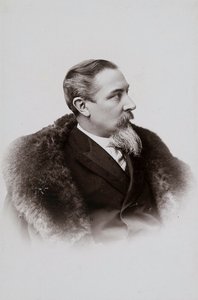
Henryk Siemiradzki
1843 - 1902 , Russia
Najważniejsze informacje
- Artistic Movement Or Style: Academic Art
- Artists Or Movements Influenced By This Artist: ['Romanticism']
- Artists Who Influenced This Artist: ['Karl von Piloty']
- Date Of Birth: October 24, 1843
- Date Of Death: August 23, 1902
- Full Name: Henryk Hector Siemiradzki
- Nationality: Polish
- Notable Artworks:
- Phryne At The Festival Of Poseidon
- Landscape
- Orpheus
- Place Of Birth: Belgorod, Russia
Zobacz także powiązane artykuły
Trwała Spuścizna Klasycyzmu: Zasady, Ewolucja i Wpływ na Sztukę Zachodnią
Poznaj historię klasycyzmu w sztuce! Odkryj zasady estetyczne, wybitnych artystów i trwały wpływ tego nurtu na architekturę, malarstwo i rzeźbę. Ekspercka analiza i inspiracje od OriginalUniqueArt.
Trwałe Echo Antyku: Klasyczne Idee w Sztuce od Renesansu do Modernizmu
Odkryj trwałe piękno klasycznych idei w sztuce! Od renesansowych mistrzów po neoklasycyzm – analiza wpływu antyku na historię malarstwa i architektury. Znajdź inspiracje i reprodukcje obrazów z OriginalUniqueArt.

Akademicki Klasycyzm w XIX Wieku: Odrodzenie Formy i Narracji w Sztuce
Poznaj fascynujący świat akademickiego klasycyzmu w XIX wieku! Analiza architektury, malarstwa i rzeźby, wpływ antyku oraz rola szkół artystycznych. Ekspercka wiedza o historii sztuki.

Mastering Perfection: A Definitive Guide to the Elegance and Precision of Academic Classicism
Discover the profound beauty of Academic Classicism. Explore the principles of order, anatomical precision, and the enduring legacy of Neoclassical masters through this expert guide to timeless elegance and technical perfection in fine art.
The Timeless Elegance of Academic Classicism: A Journey Through Order, Precision, and the Pursuit of Perfection
Explore the profound beauty of Academic Classicism. Discover how masters used order, precision, and classical ideals to achieve timeless perfection in art history, from Neoclassical portraits to the pursuit of ideal beauty.